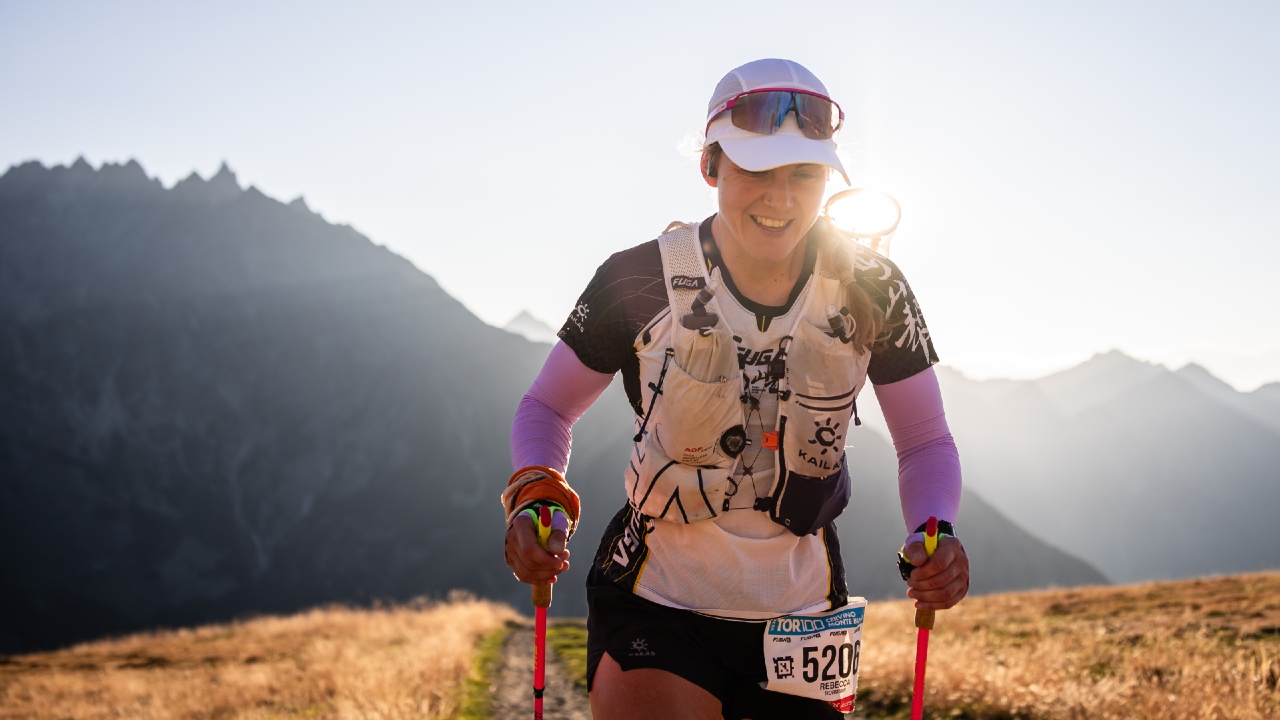
Trail 10Ks are very different from their road equivalents. Instead of chasing an even pace on flat tarmac, trail runners must deal with climbs, descents, rocks, roots, mud, and constantly changing terrain. Success comes from combining speed, endurance, technical skills, and smart pacing rather than simply running harder. Whether you’re aiming for your first trail 10K or trying to set a personal best, becoming faster means improving your fitness while also learning how to move efficiently across varied terrain. Here are the most effective ways to run a faster trail 10K.
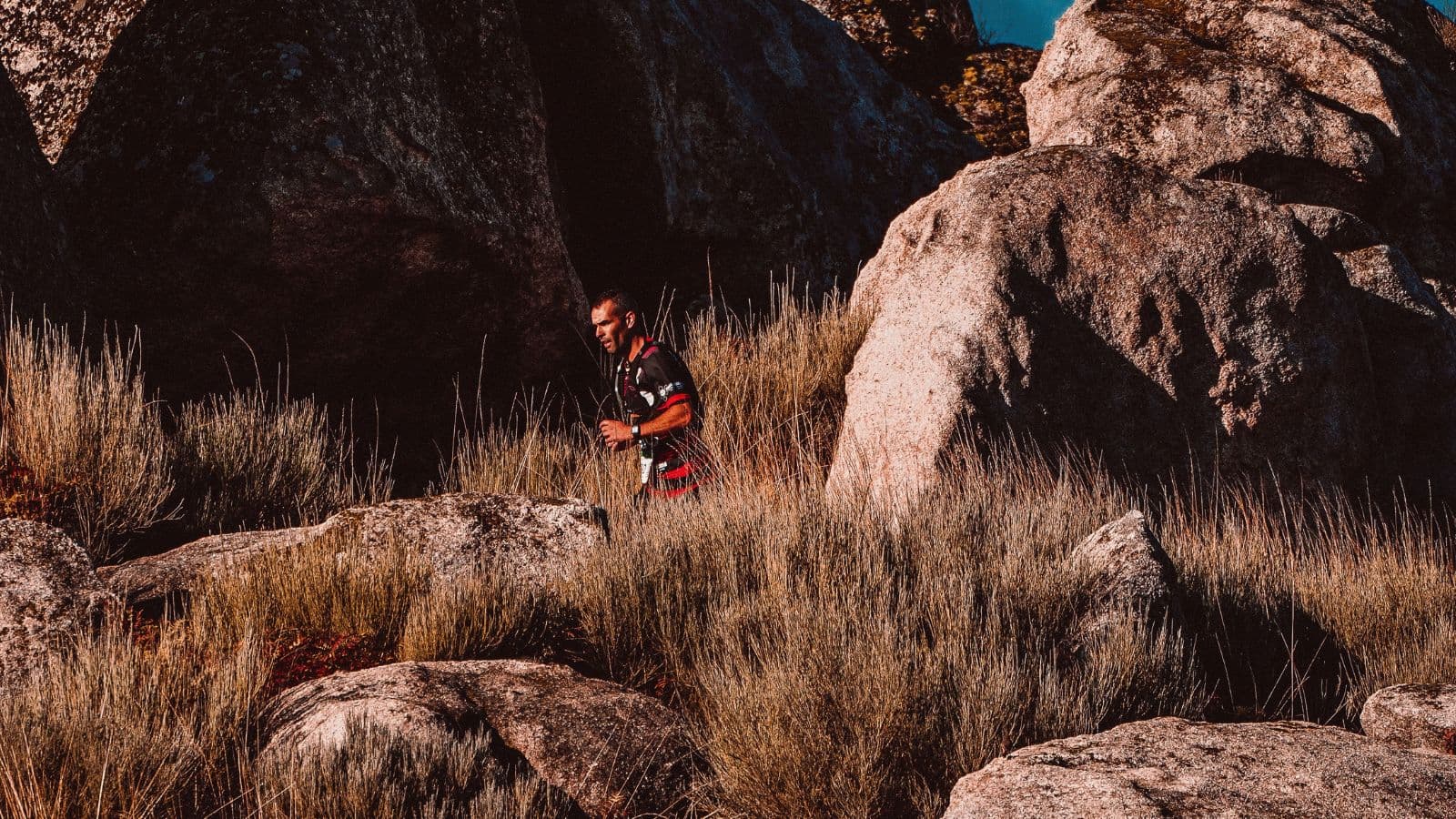
Build a Strong Aerobic Base
Speed starts with endurance.
Regular easy runs help:
- Improve aerobic capacity
- Increase training volume
- Support recovery
- Build lasting fitness
Athletes who understand how can trail runners do more with less training know that consistent aerobic training creates the foundation for faster racing.
Include Hill Repeats
Trail races nearly always involve climbing.
Hill sessions improve:
- Leg strength
- Running power
- Cardiovascular fitness
- Climbing confidence
Alternate between:
- Short explosive hills
- Longer sustained climbs
Both develop valuable race-day skills.
Practice Technical Running
Being fit isn’t enough if you lose time on technical sections.
Train regularly on:
- Rocks
- Roots
- Uneven trails
- Narrow singletrack
The more comfortable you become on difficult terrain, the less you’ll need to slow down during races.
Improve Your Descending
Many runners gain more time on descents than on climbs.
Practice:
- Looking ahead
- Relaxing your upper body
- Using quick foot turnover
- Staying balanced
Athletes who understand how does elevation gain improve trail running performance know that efficient descending is just as important as strong climbing.
Add Tempo Runs
Tempo sessions teach your body to maintain a faster effort for longer.
These workouts improve:
- Lactate threshold
- Sustainable speed
- Race pacing
Run at a comfortably hard effort without sprinting.
Strength Train Regularly
Trail running demands strength as well as endurance.
Focus on:
- Glutes
- Hamstrings
- Quadriceps
- Calves
- Core
Athletes who understand how to train for long trail runs know that combining strength with explosive power helps improve efficiency on varied terrain.
Practice Race Pace
Include workouts where you run sections at your planned race effort.
This improves:
- Confidence
- Pacing awareness
- Mental preparation
Knowing what race effort feels like reduces the temptation to start too fast.
Improve Your Running Economy
Efficient runners waste less energy.
Focus on:
- Relaxed shoulders
- Quick cadence
- Smooth arm swing
- Good posture
Small improvements in efficiency often produce noticeable gains over 10 kilometres.
Learn to Pace the Climbs
One of the biggest mistakes in trail racing is attacking every hill.
Instead:
- Shorten your stride
- Control your breathing
- Maintain steady effort
Saving energy on climbs usually results in a stronger finish.
Fuel Appropriately
Although a trail 10K is shorter than an ultramarathon, arriving well-fuelled still matters.
Before racing:
- Eat familiar carbohydrates
- Stay hydrated
- Avoid trying new foods
Athletes who understand why are carbs important for recovery after running know that good nutrition supports both race performance and recovery afterwards.
Build Confidence on Trails
The more time you spend on trails, the more naturally you’ll react to changing terrain.
Confidence improves:
- Foot placement
- Balance
- Decision-making
Experience often leads to free speed without requiring additional fitness.
Include Speed Sessions
Short intervals improve:
- Leg turnover
- VO₂ max
- Running speed
Examples include:
- 400-metre repeats
- One-minute efforts
- Fartlek sessions
These workouts complement endurance training.
Recover Properly
Training adaptations happen after workouts.
Prioritize:
- Sleep
- Easy runs
- Recovery nutrition
- Rest days
Athletes who understand how can you maximize winter training for peak running performance know that balancing hard work with recovery is essential for continued improvement.
Wear the Right Footwear
Trail shoes should suit:
- Terrain
- Weather
- Surface conditions
Good grip can improve both confidence and speed, particularly on technical descents.
Train in Similar Conditions
Whenever possible, prepare on terrain that resembles your target race.
Practice:
- Similar climbs
- Technical descents
- Trail surfaces
- Elevation profiles
Specific preparation helps reduce race-day surprises.
Stay Relaxed Under Pressure
Technical sections reward calm decision-making. Athletes who understand how do trail runners overcome pre-race nerves know that remaining composed allows better movement and smarter pacing throughout the race.
Be Consistent
Speed isn’t built during one exceptional workout.
It develops through:
- Regular training
- Gradual progression
- Smart recovery
- Long-term commitment
Athletes who understand what is the best way to train for long trail runs know that consistency remains one of the strongest predictors of long-term improvement, regardless of race distance.
Common Mistakes
Many trail runners:
- Start too fast
- Ignore downhill practice
- Avoid strength training
- Skip technical trails
- Pace by road-running standards
- Underestimate recovery
- Wear unsuitable footwear
- Neglect hill workouts
Avoiding these mistakes can make substantial improvements to your trail 10K performance.
How to Run Faster on the Trails?
To improve your trail 10K performance:
- Build a consistent aerobic base.
- Include hill repeats every week.
- Practice technical terrain.
- Strength train regularly.
- Improve downhill running.
- Add tempo and interval sessions.
- Pace climbs wisely.
- Recover consistently.
A faster trail 10K isn’t simply about running harder. It’s about becoming a more complete trail runner by combining endurance, strength, technical skill, smart pacing, and confidence. By developing each of these areas consistently, you’ll move more efficiently across every section of the course and finish stronger.
FAQs
Trail races include varied terrain, elevation changes, and technical sections that require different pacing and skills.
Yes. Hills improve strength, endurance, and climbing efficiency.
Absolutely. Stronger muscles improve stability, climbing, and injury resilience.
Yes. Familiarity with uneven terrain improves confidence and speed.
Yes. Interval and tempo workouts help improve sustainable race pace.
Run by effort rather than pace, using shorter strides and controlled breathing.
Very much. Efficient descending can save significant time during a trail race.