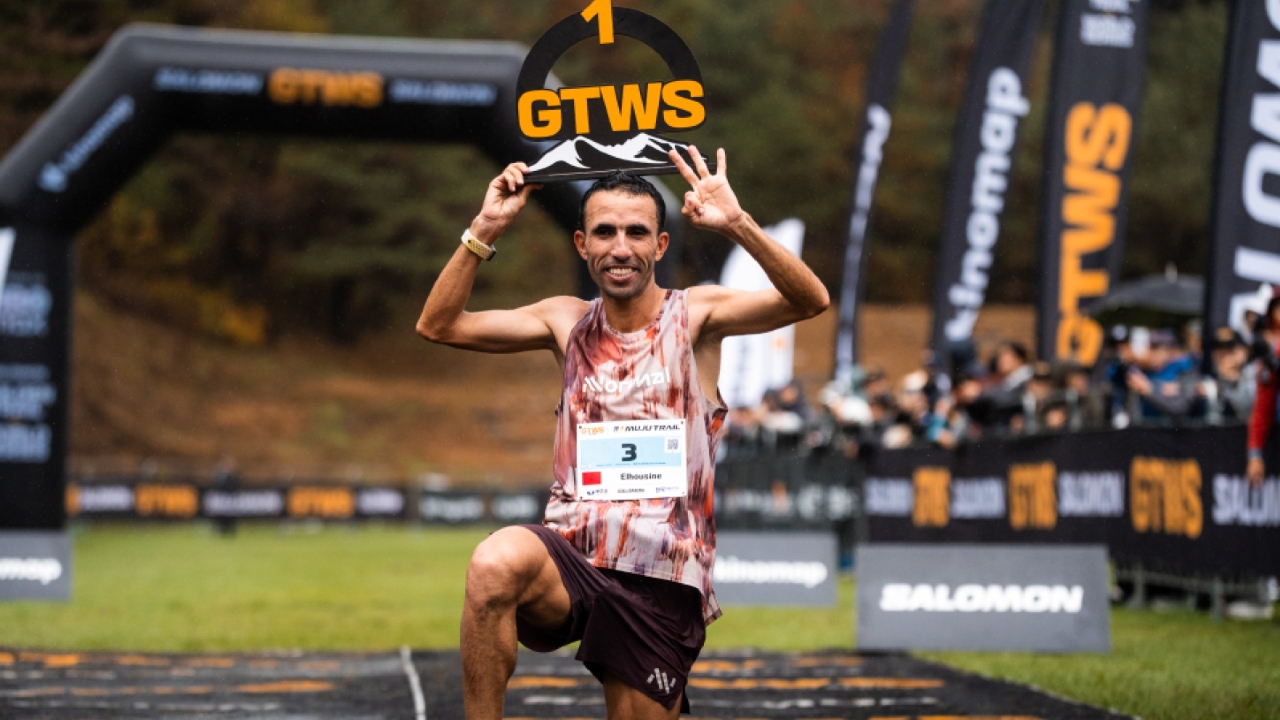
Forefoot running does not automatically make you less likely to get injured. Changing from a heel strike to a forefoot strike changes how forces move through the body, but it does not remove those forces or guarantee safer running. A forefoot striker typically contacts the ground with the front portion of the foot before the heel settles toward the ground. Some runners naturally use this pattern, while others shift toward it when running faster, climbing, sprinting, or wearing different footwear. For most runners, injury prevention should therefore focus on managing training load, building strength, recovering properly, and maintaining comfortable running mechanics rather than forcing a particular foot strike. A sudden technique change can create problems if tissues are not prepared for the new loading pattern.

In Short
- Forefoot running does not guarantee fewer injuries.
- Foot strike changes where forces are absorbed.
- Forefoot striking can increase calf demand.
- Achilles tendon loading may increase.
- Foot and ankle structures may experience greater stress.
- Some loads around the knee may decrease.
- Natural foot strike varies between runners.
- Training load remains a major part of injury management.
What Is Forefoot Running?
Forefoot running means the front part of the foot contacts the ground first.
The initial contact is generally around the:
- Ball of the foot.
- Metatarsal area.
- Outer forefoot.
The heel may then lower toward the ground.
This differs from:
- Heel striking.
- Midfoot striking.
Foot strike exists on a spectrum rather than fitting perfectly into three categories.
Why Do Runners Switch to Forefoot Running?
Some runners intentionally change their foot strike because they believe forefoot running is:
- Faster.
- More natural.
- More efficient.
- Better for injury prevention.
- Better for reducing impact.
Those claims should not be treated as universal rules. A runner who is comfortable and injury free with a heel strike does not necessarily need to change it. The broader principles in running form tips for beginners are more useful than treating one foot strike as mandatory for every runner.
Foot Strike Changes Where the Body Absorbs Load
Running produces forces every time your foot contacts the ground. Changing foot strike does not make those forces disappear. Instead, it can redistribute them.
A forefoot strike generally places greater demand on structures around the:
- Foot.
- Ankle.
- Calf.
- Achilles tendon.
A rearfoot strike may place relatively more demand elsewhere, including around the knee in some circumstances.
Forefoot Running Can Increase Calf Demand
Forefoot running usually requires the calf muscles to contribute more to controlling the ankle after ground contact.
The calf complex includes:
- Gastrocnemius.
- Soleus.
That soreness is particularly likely when the runner changes technique while maintaining their normal:
- Mileage.
- Speed.
- Hills.
- Workout frequency.
Changing mechanics and training load simultaneously can overwhelm tissues.
The Achilles Tendon May Experience More Load
The Achilles tendon connects the calf muscles to the heel. Forefoot running can increase the work performed around the ankle, which can increase demand on the Achilles.
Risk may increase when a runner suddenly combines a new foot strike with:
- High mileage.
- Speed work.
- Hill running.
- Minimal footwear.
- Limited recovery.
The body needs time to adapt when loading patterns change.
Forefoot Running Can Shift Stress Toward the Foot
The forefoot contains small bones and joints that experience repeated loading during running.
This matters particularly when runners also make sudden changes in:
- Mileage.
- Running surface.
- Footwear.
- Intensity.
- Hill training.
Stress related bone injuries develop through repeated loading that exceeds the body’s ability to recover and adapt. The principles behind how to avoid running injuries as mileage increases remain important regardless of which part of your foot touches the ground first.
Does Forefoot Running Reduce Knee Load?
A forefoot strike can change forces around the knee.
These include:
- Calves.
- Ankles.
- Achilles tendons.
- Feet.
This is why changing foot strike may occasionally be considered within a broader rehabilitation or gait strategy, but it should not automatically be prescribed to every runner with knee discomfort.
Heel Striking Is Not Automatically Bad
Heel striking is often described as poor running form.
A heel strike does not automatically mean a runner is:
- Inefficient.
- Overstriding.
- Running incorrectly.
- At high injury risk.
The location of foot contact relative to the body can matter more than simply identifying which part of the shoe touches first. Understanding what’s the best foot-strike for running a marathon can help runners avoid treating one strike pattern as universally superior.
Foot Strike and Overstriding Are Different
Overstriding occurs when the foot lands too far ahead of the body’s center of mass for the runner’s mechanics and speed.
You can:
- Heel strike without severe overstriding.
- Forefoot strike while overstriding.
- Midfoot strike while overstriding.
Simply moving the landing point from the heel to the forefoot does not automatically correct where the foot lands relative to the body.
Cadence Can Influence Landing Mechanics
Running cadence describes how many steps you take per minute. A very low cadence for a runner’s speed can sometimes accompany longer steps and greater braking. Increasing cadence slightly in appropriate runners may change where the foot lands and how forces are distributed. However, cadence should not be manipulated aggressively. Understanding how does increasing running cadence help prevent knee injuries can provide more context for how step rate interacts with lower body loading.
The objective is not to chase one perfect cadence number.
Running Speed Changes Foot Strike
Your foot strike may naturally change as you run faster.
This is common during:
- Intervals.
- Short races.
- Sprinting.
- Fast finishes.
That does not mean you need to reproduce the same foot strike during an easy recovery run.
Hills Can Change Your Foot Strike
Terrain also affects how your foot meets the ground. Uphill running often encourages a more forward landing. Downhill running can produce different mechanics.
Trail surfaces create even more variation because every step may involve a different:
- Gradient.
- Surface.
- Foot placement.
- Step length.
- Stability demand.
This is another reason there is no single foot strike that must be maintained during every run.
Barefoot Running Does Not Guarantee Better Mechanics
Barefoot running often encourages runners to change their landing pattern. However, removing shoes does not automatically create perfect running form. Barefoot running also changes the load placed on the feet and lower legs. Anyone interested in what is barefoot running and how do i start safely should treat it as a new training stimulus rather than simply removing shoes and maintaining normal mileage. Adaptation should be gradual.
Minimal Shoes Can Increase Transition Demands
Switching from highly cushioned shoes to minimal footwear can change running mechanics and tissue loading.
For example, do not suddenly increase:
- Barefoot running.
- Forefoot striking.
- Mileage.
- Speed work.
- Hill training.
When multiple stresses increase together, it becomes harder to identify what caused a problem.
Strength Matters More Than Chasing a Perfect Foot Strike
Strong tissues are better prepared to tolerate running load.
Useful strength work can target:
- Calves.
- Soleus.
- Glutes.
- Hamstrings.
- Quadriceps.
- Feet.
A structured approach based on what strength routine should runners do to stay injury-free can support running durability regardless of whether you naturally land on your heel, midfoot, or forefoot.
Training Load Remains Critical
Many running injuries appear after training demands increase faster than the body can adapt.
Common changes include:
- More weekly mileage.
- Longer long runs.
- More intervals.
- More hills.
- More racing.
- Less recovery.
Changing foot strike adds another training stress. The guidance in what training errors slow down running progress is relevant because attempting to fix technique while simultaneously increasing workload can create more problems than it solves.
Recovery Influences Injury Risk
The body needs time to adapt after training.
Pay attention to:
- Sleep.
- Rest days.
- Nutrition.
- Easy running.
- Persistent soreness.
If your calves or Achilles remain unusually sore after changing foot strike, continuing to force the new pattern may not be productive. The body should gradually tolerate the change rather than becoming progressively more irritated.
Your Natural Running Form Matters
Runners have different:
- Limb lengths.
- Joint structures.
- Mobility.
- Strength.
- Running histories.
- Preferred speeds.
These differences influence how people move.
Using how to improve your running form without overthinking it can help keep technique changes simple and purposeful.
How to Transition Toward Forefoot Running
If you have a valid reason to experiment with a more forward strike, introduce it gradually.
For example:
- Short technique drills.
- Brief sections of easy running.
- Short controlled strides.
- Plenty of recovery.
Do not immediately convert every weekly mile.
Monitor how your:
- Feet.
- Calves.
- Ankles.
- Achilles tendons.
respond over the following days.
Calf Soreness Is a Warning to Progress Carefully
Some mild muscular soreness can occur when introducing an unfamiliar movement. However, rapidly increasing soreness is a reason to reconsider the progression.
Pay particular attention to:
- Localized Achilles pain.
- Persistent foot pain.
- Sharp discomfort.
- Swelling.
- Pain that changes your gait.
Do not assume pain is simply evidence that your body is adapting.
Persistent or worsening symptoms deserve appropriate assessment.
Foot Strength Can Support Running
The muscles of the foot help provide stability during ground contact.
Foot strength exercises may include:
- Controlled calf raises.
- Single-leg balance.
- Toe control exercises.
- Progressive hopping when appropriate.
However, stronger feet do not require you to become a forefoot striker.
Does Forefoot Running Improve Efficiency?
Not automatically. Running economy depends on many factors.
These include:
- Fitness.
- Technique.
- Tendon stiffness.
- Strength.
- Speed.
- Experience.
Forcing an unfamiliar foot strike can initially make running feel less economical because you are consciously controlling a movement that was previously automatic. The most efficient pattern is not necessarily the one that looks most technically perfect.
Do Not Change Your Foot Strike Before a Race
Race week is not the time for major gait changes.
A sudden switch can produce unexpected soreness in the:
- Calves.
- Feet.
- Achilles tendons.
Use familiar mechanics during important races.
Common Mistakes
- Assuming heel striking automatically causes injuries.
- Believing forefoot running prevents all injuries.
- Changing foot strike overnight.
- Maintaining full mileage during a major technique change.
- Confusing overstriding with heel striking.
- Copying elite runners without considering individual mechanics.
- Changing technique immediately before a race.
- Focusing on foot strike while ignoring training load.
Practical Tips
- Keep your natural foot strike if it is comfortable and working well.
- Change technique only for a clear reason.
- Introduce new mechanics gradually.
- Reduce training stress while adapting if necessary.
- Strengthen the calves and lower body.
- Pay attention to Achilles and foot discomfort.
- Allow recovery between unfamiliar loading sessions.
- Seek professional assessment for persistent pain.
Actionable Takeaways
Forefoot running does not automatically reduce injury risk. Instead, it changes how running forces are distributed.
A forefoot strike can increase demand on the:
- Calves.
- Achilles tendons.
- Ankles.
- Feet.
It may reduce some loading elsewhere, including certain demands around the knee. Runners concerned about injuries should focus first on sustainable training. Following how to prevent running injuries with strength and mobility training can address several modifiable factors without forcing an unnecessary change in foot strike. If your current strike is comfortable and you are running successfully, there is usually little reason to change it simply because another pattern is described as more natural.
FAQs
No. Forefoot running changes where forces are absorbed but does not eliminate injury risk.
Not universally. Both patterns can work successfully, and the appropriate foot strike varies between runners and situations.
It can increase demand on the calf and Achilles tendon, particularly when a runner changes technique too quickly.
A sudden increase in forefoot loading may increase stress on structures in the foot, particularly when combined with rapid increases in training.
Not automatically. A comfortable heel strike does not need to be changed simply because the runner contacts the ground with the heel first.
Not necessarily. Running economy depends on the individual, and forcing an unfamiliar strike pattern can initially make running less economical.
There is no universal timeline. Adaptation depends on your previous running mechanics, training volume, tissue capacity, footwear, and how gradually you make the change.
Many runners naturally shift toward a more forward foot contact uphill, but you do not need to deliberately force a forefoot strike.