You can run with friends at different fitness levels by choosing flexible routes, agreeing on a comfortable effort, and adjusting workouts to accommodate individual abilities. Instead of expecting everyone to maintain the same speed, successful group running focuses on shared enjoyment, communication, and realistic expectations. Running with friends provides motivation, accountability, and social connection. However, differences in endurance, pace, and training experience can make planning difficult, particularly when one runner prefers easy sessions while another wants a demanding workout. A faster runner may become frustrated by slowing down, while a beginner might feel pressured to maintain an uncomfortable pace. These situations can reduce enjoyment and increase fatigue when expectations are not discussed beforehand.
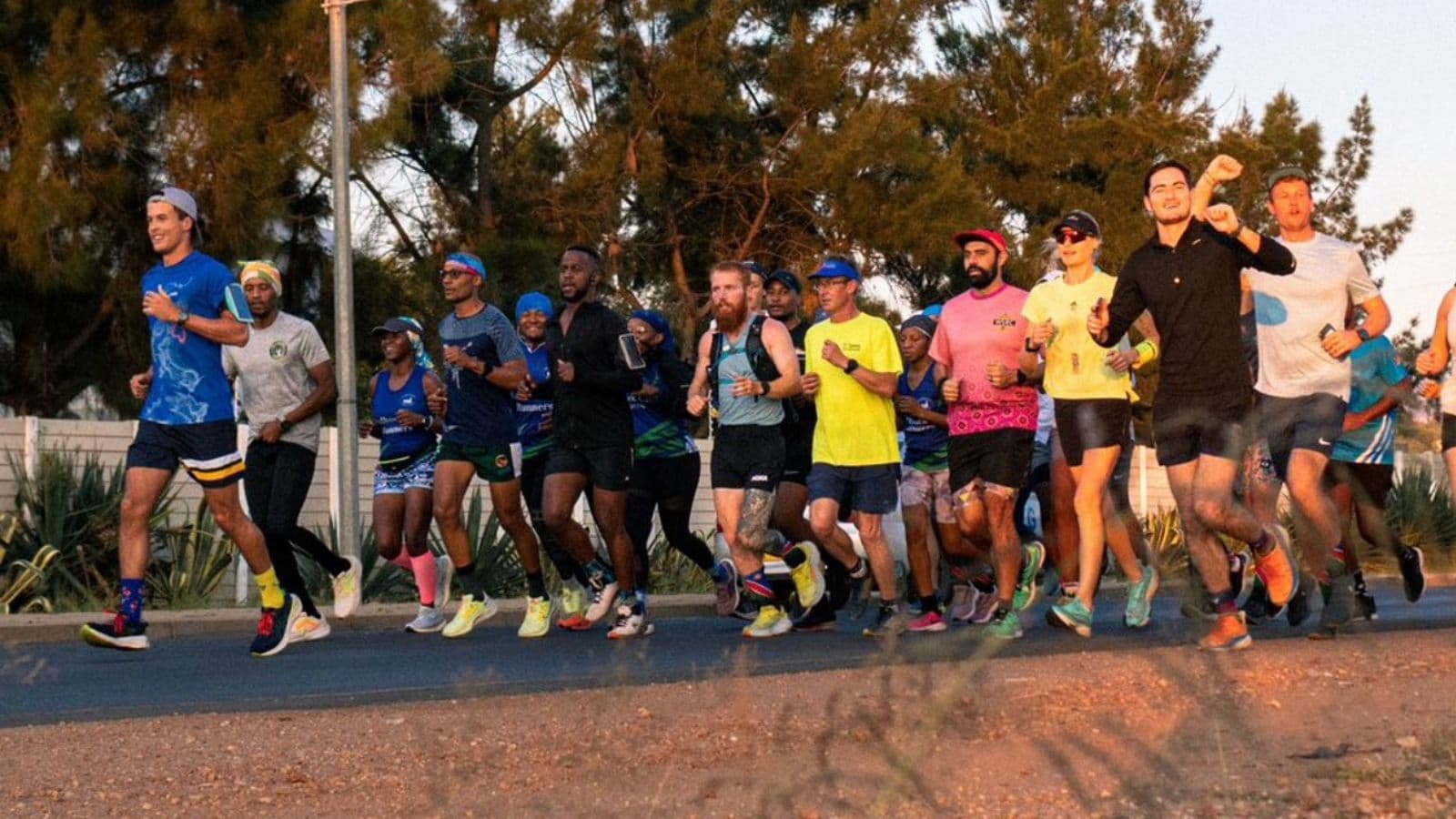
Fortunately, runners do not need identical fitness levels to train together. With appropriate pacing, flexible routes, and a willingness to compromise, athletes can enjoy shared sessions while continuing to work toward their individual goals.
In Short
- Agree on the purpose of the run.
- Choose a comfortable shared effort.
- Use flexible routes and meeting points.
- Allow faster runners to complete additional distance.
- Avoid pressuring slower runners.
- Include walk breaks when needed.
- Communicate expectations beforehand.
- Prioritize enjoyment and consistency.
Agree on the Purpose of the Run
Before running together, decide whether the session is intended for recovery, endurance, social enjoyment, or structured training. Different goals require different approaches.
For example:
- Social runs: Prioritize conversation and comfort.
- Easy runs: Maintain a relaxed effort.
- Long runs: Focus on sustainable endurance.
- Workouts: Allow individuals to follow separate intensity targets.
Understanding how should runners balance easy and hard training can help athletes recognize why not every session needs to be demanding. When everyone understands the purpose, it becomes easier to agree on an appropriate pace.
Choose Effort Instead of Matching Pace
Running at the same speed does not create the same physical effort for everyone. A comfortable pace for an experienced runner may feel demanding for a beginner. Instead of setting a fixed pace, use perceived effort. For social runs, the conversational test is useful. Most participants should be able to speak in complete sentences without struggling for breath. Understanding why does running feel hard even at an easy pace can help runners recognize how fitness, fatigue, and environmental conditions influence effort. The group should generally adapt to the comfortable pace of its least experienced participant.
Use Flexible Running Routes
Route selection can make group running easier. Choose routes that allow participants to complete different distances while remaining connected.
Useful options include:
- Short loops around a park.
- Out and back routes.
- Running tracks.
- Clearly marked trail circuits.
- Routes with designated meeting points.
Understanding how to build a weekly running plan (beginner to advanced) can help runners appreciate why individual training requirements may differ. Looped routes are particularly useful because faster runners can complete additional distance without forcing others to increase their speed.
Allow Faster Runners to Add Distance
Experienced runners do not always need to reduce their total training distance to run with friends. They can add mileage before or after the shared session.
For example:
- Runner A completes 20 minutes before meeting the group.
- Both runners complete 30 minutes together.
- Runner A adds another 15 minutes afterward.
This approach allows both athletes to meet their training needs. Understanding how to run longer distances without burning out can help runners recognize the importance of matching training volume to current endurance. Additional distance should remain appropriate for the faster runner’s training plan.
Include Walk Breaks When Necessary
Walk breaks can help beginners manage fatigue and maintain a comfortable effort. They are particularly useful during longer sessions, steep climbs, or hot weather. Understanding what is a walk-run progression and how does it work can help runners recognize how alternating running and walking supports gradual endurance development.
A simple shared workout might include:
- Five minutes of easy running.
- One minute of walking.
- Repeating for 30 minutes.
Walk breaks should be treated as a practical training strategy rather than a weakness.
Avoid Turning Every Run Into a Competition
Friendly competition can be motivating, but constantly increasing the pace may create unnecessary pressure. Beginners may push beyond their current abilities simply to avoid falling behind. Understanding why is consistency more important than intensity for running success can help athletes appreciate why sustainable training matters more than winning an informal workout.
During social runs:
- Avoid unexpected pace increases.
- Respect planned recovery sessions.
- Do not criticize slower runners.
- Allow everyone to communicate discomfort.
- Keep competitive efforts for agreed workouts.
A successful group run should leave participants feeling positive about returning.
Communicate During the Run
Good communication helps prevent misunderstandings. Runners should feel comfortable discussing pace, fatigue, distance, and stopping points.
Useful questions include:
- Is this pace comfortable?
- Do you need a walking break?
- Should we shorten the route?
- Would you prefer to meet at the next checkpoint?
Understanding how to get over anxiety before a group run can help less experienced athletes feel more confident when joining others. Encourage honest feedback without making anyone feel responsible for slowing the group.
Try Time Based Group Runs
Time based sessions can be easier to organize than distance-based workouts. For example, everyone can run for 40 minutes rather than attempting the same five mile route. Faster runners may cover more distance, while slower runners complete an appropriate session. Understanding how many workouts do runners need each week can help athletes plan group sessions without exceeding their individual training requirements. Time based running is particularly useful when participants have different endurance levels.
Make Trail Running More Inclusive
Trail running can accommodate mixed fitness levels when routes are selected carefully. However, steep climbs and technical descents may increase differences in speed. Understanding how do trail runners stay motivated and have fun on the trails can help groups prioritize shared experiences rather than performance comparisons. Choose manageable terrain, establish meeting points, and avoid leaving inexperienced runners alone on unfamiliar routes. Safety should remain more important than maintaining a particular pace.
Respect Individual Training Goals
Running together does not mean completing every workout together. Some sessions require specific speeds, distances, or recovery periods. Understanding how can you manage your time while training for trail running can help runners coordinate shared sessions with individual commitments. A practical arrangement is to schedule one or two social runs each week while completing demanding workouts independently. This provides companionship without compromising training quality.
Common Mistakes
- Expecting everyone to run at the same effort.
- Starting too fast.
- Ignoring beginner fatigue.
- Choosing routes without shortcuts.
- Turning easy runs into races.
- Criticizing slower participants.
- Avoiding walk breaks.
- Neglecting individual training goals.
Practical Tips
- Discuss the plan beforehand.
- Run at a conversational effort.
- Choose flexible routes.
- Use meeting points.
- Allow additional mileage.
- Include walk breaks.
- Communicate regularly.
- Keep social runs enjoyable.
Actionable Takeaways
- Match effort rather than speed.
- Respect different fitness levels.
- Use flexible routes and distances.
- Communicate openly.
- Make consistency and enjoyment the priority.
FAQs
Yes. Beginners and experienced runners can train together when the route, pace, and workout expectations accommodate different abilities.
During a shared easy run, slowing down is often appropriate. Faster runners can complete additional distance separately when needed.
Choose a pace that allows the least experienced participant to maintain a comfortable, conversational effort.
Yes. Walk breaks help manage fatigue and allow runners with different endurance levels to enjoy the same session.
Yes. Social interaction, accountability, and shared goals can encourage consistent participation.
They can complete additional mileage or schedule separate demanding workouts while keeping social sessions comfortable.
It can be. Time-based sessions allow runners to complete different distances while training for the same duration.
Not if doing so requires an unsustainably hard effort. Beginners should prioritize their own fitness and training progression.