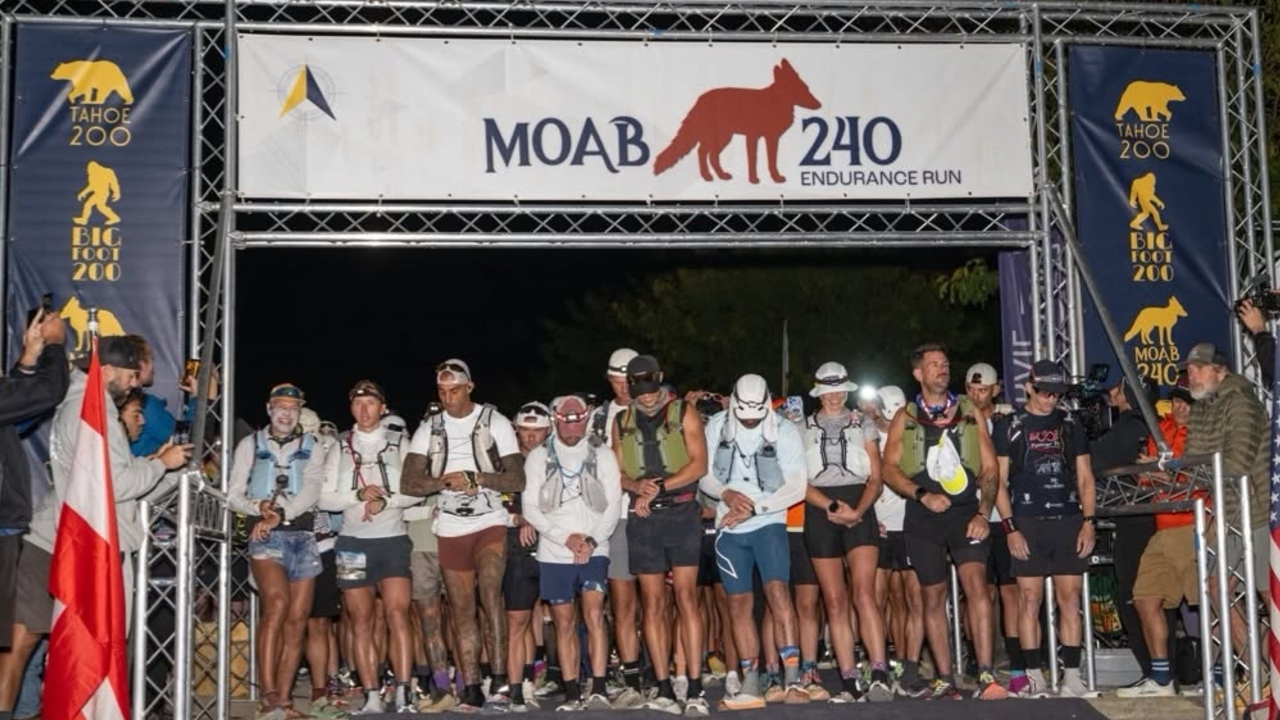
Trail running can help you manage stress by combining physical activity with time outdoors, a change of environment, and focused movement. Running on natural trails may improve mood, reduce perceived stress, and provide temporary relief from everyday worries. Its benefits come from regular exercise, enjoyable surroundings, and the opportunity to disconnect from demanding routines. Stress affects both mental and physical well being. Work responsibilities, family commitments, inadequate sleep, and persistent worries can increase tension and make relaxation difficult. Regular physical activity is one practical way to support stress management. Trail running offers an additional experience through changing scenery, natural sounds, and terrain that encourages attention to the present moment. However, its effects vary between individuals, and challenging workouts can sometimes add to fatigue.

The most effective approach is to make trail running comfortable, consistent, and enjoyable. Beginners and experienced runners can benefit without chasing faster times, longer distances, or competitive goals.
In Short
- Trail running may reduce perceived stress.
- Physical activity can support mood regulation.
- Natural environments may encourage relaxation.
- Uneven terrain requires present-moment attention.
- Easy running is often suitable during stressful periods.
- Regular activity may support better sleep.
- Social trail runs can provide connection.
- Excessive training can increase fatigue.
- Running should complement other stress-management habits.
- Enjoyment matters more than performance.
How Trail Running Helps Reduce Stress?
Stress activates physiological responses involving the nervous system and hormones such as cortisol and adrenaline. These responses are normal, but prolonged stress can affect sleep, concentration, and emotional well-being. Regular aerobic exercise can support psychological health and help people manage everyday tension. Trail running combines that exercise with an outdoor environment, which some runners find particularly restorative. Understanding how does trail running improve mental health can help runners distinguish general emotional benefits from the treatment of specific mental health conditions.
Trail running is a useful wellness activity, not a replacement for professional mental health care.
Why Natural Surroundings Matter?
Natural environments may provide a welcome contrast to busy streets, screens, and indoor routines. Forests, hills, parks, and open trails offer changing scenery and sensory experiences.
Potential benefits include:
- Reduced attention to everyday worries.
- Greater enjoyment of physical activity.
- Opportunities for quiet reflection.
- A sense of separation from demanding environments.
- Improved motivation to exercise regularly.
Research on nature exposure suggests possible benefits for mood and perceived stress, although effects differ between individuals and settings.
You do not need remote mountains to benefit. A local woodland path or accessible park trail may provide a satisfying outdoor experience.
Trail Running Encourages Mindful Movement
Mindfulness involves paying attention to present experiences without becoming overly distracted by unrelated thoughts. Trail running naturally encourages concentration because runners must observe roots, rocks, gradients, and changes in footing. This attention can temporarily interrupt repetitive worrying.
Try focusing on:
- Your breathing rhythm.
- The sound of your footsteps.
- The trail immediately ahead.
- Changes in terrain.
- Surrounding natural sounds.
Understanding how does posture affect trail running performance can help runners maintain relaxed movement while staying attentive to their surroundings. Mindful running should not mean ignoring hazards or becoming distracted on technical terrain.
Easy Running Is Better During Stressful Periods
Demanding workouts create physical stress alongside their training benefits. When work, family responsibilities, or inadequate sleep already contribute to fatigue, repeated high intensity sessions may become difficult to recover from. Easy running offers a manageable alternative. A comfortable effort generally allows conversation without struggling for breath. Understanding why is slow running important for trail running can help runners recognize that lower-intensity exercise still develops endurance. During particularly stressful weeks, reducing distance or replacing a difficult workout with an easy trail run may be more productive than forcing the original schedule.
Can Trail Running Improve Sleep?
Regular physical activity can support sleep quality, which plays an important role in stress management. Poor sleep can make everyday challenges feel more demanding and reduce recovery from exercise. Trail running may help by encouraging physical activity and providing time outdoors. However, excessively demanding sessions or late workouts may disrupt sleep for some individuals. Understanding how does poor sleep affect running performance can help runners recognize the relationship between recovery, fatigue, and training quality. Consistent sleep habits remain important regardless of running frequency.
How to Build a Stress Relieving Trail Running Routine?
A useful routine should fit comfortably into your life.
For beginners, two or three short weekly sessions may provide a manageable starting point.
| Day | Activity | Main purpose |
|---|---|---|
| Tuesday | 20–30-minute easy trail run | Comfortable movement |
| Thursday | 20-minute walk or run-walk | Outdoor relaxation |
| Saturday | 40-minute relaxed trail run | Enjoyment and endurance |
| Other days | Rest or gentle activity | Recovery |
Adjust duration according to your fitness and available time. Understanding how can i train for trail running with a family and a full time job can help runners organize exercise without creating additional scheduling pressure.
Consistency matters more than completing a perfect weekly plan.
Social Connection and Trail Running
Running with friends or a local group can provide companionship and shared experiences. Social support may help reduce feelings of isolation and improve motivation. Group trail running can also make unfamiliar routes feel more approachable. However, solo running may be more relaxing for people who prefer quiet time. Choose the format that supports your well-being rather than feeling obligated to participate socially.
Avoid Turning Trail Running Into Another Stressor
Trail running becomes less restorative when every session involves pressure to improve performance. Constantly monitoring pace, comparing workouts, or increasing mileage can reduce enjoyment. Understanding should you run without checking your pace can help runners decide when leaving performance measurements behind may be useful.
Other helpful habits include:
- Choosing familiar, safe routes.
- Running at a comfortable intensity.
- Taking walking breaks.
- Adjusting plans during busy weeks.
- Avoiding unnecessary mileage targets.
- Ending sessions before excessive exhaustion.
Understanding why is consistency more important than intensity for trail running progress can help runners prioritize sustainable activity.
Recognizing When You Need More Recovery
Exercise supports stress management, but recovery remains essential. Signs that training may be adding excessive strain include persistent fatigue, irritability, declining performance, and disrupted sleep. Understanding how to recover faster after a trail run can help runners develop practical recovery habits. If stress becomes persistent, overwhelming, or interferes with daily functioning, consider speaking with a qualified healthcare or mental health professional.
Common Mistakes
- Running too hard when already exhausted.
- Treating every outing as a performance test.
- Increasing mileage during stressful periods.
- Ignoring sleep and recovery.
- Choosing unsafe routes to escape distractions.
- Comparing progress with other runners.
- Expecting running to resolve every source of stress.
Practical Tips
- Start with short, easy trail runs.
- Choose enjoyable surroundings.
- Leave unnecessary performance targets behind.
- Focus on breathing and scenery.
- Walk steep hills when needed.
- Run with supportive friends if helpful.
- Adjust sessions according to fatigue.
- Prioritize regular sleep.
- Keep routes appropriate for your ability.
Actionable Takeaways
- Use easy trail runs as regular outdoor breaks.
- Focus on enjoyment rather than speed.
- Keep training flexible during stressful periods.
- Combine running with adequate recovery.
FAQs
Trail running may reduce perceived stress through physical activity, outdoor exposure, and enjoyable movement, although individual responses vary.
Both can support mental well-being. Natural surroundings may provide additional enjoyment or relaxation for some people.
Even a short 20–30-minute session may be beneficial. Choose a duration that matches your fitness and energy.
Gentle running may help, but rest or walking may be preferable when fatigue is substantial.
Regular exercise may help manage anxiety symptoms, but trail running is not a substitute for professional treatment when needed.
Outdoor exercise may improve mood through physical activity, environmental enjoyment, and a temporary break from daily demands.
Yes. Excessive training without sufficient recovery can increase fatigue and negatively affect well-being.
Some runners prefer solitude, while others benefit from social connection. Personal preference matters.