
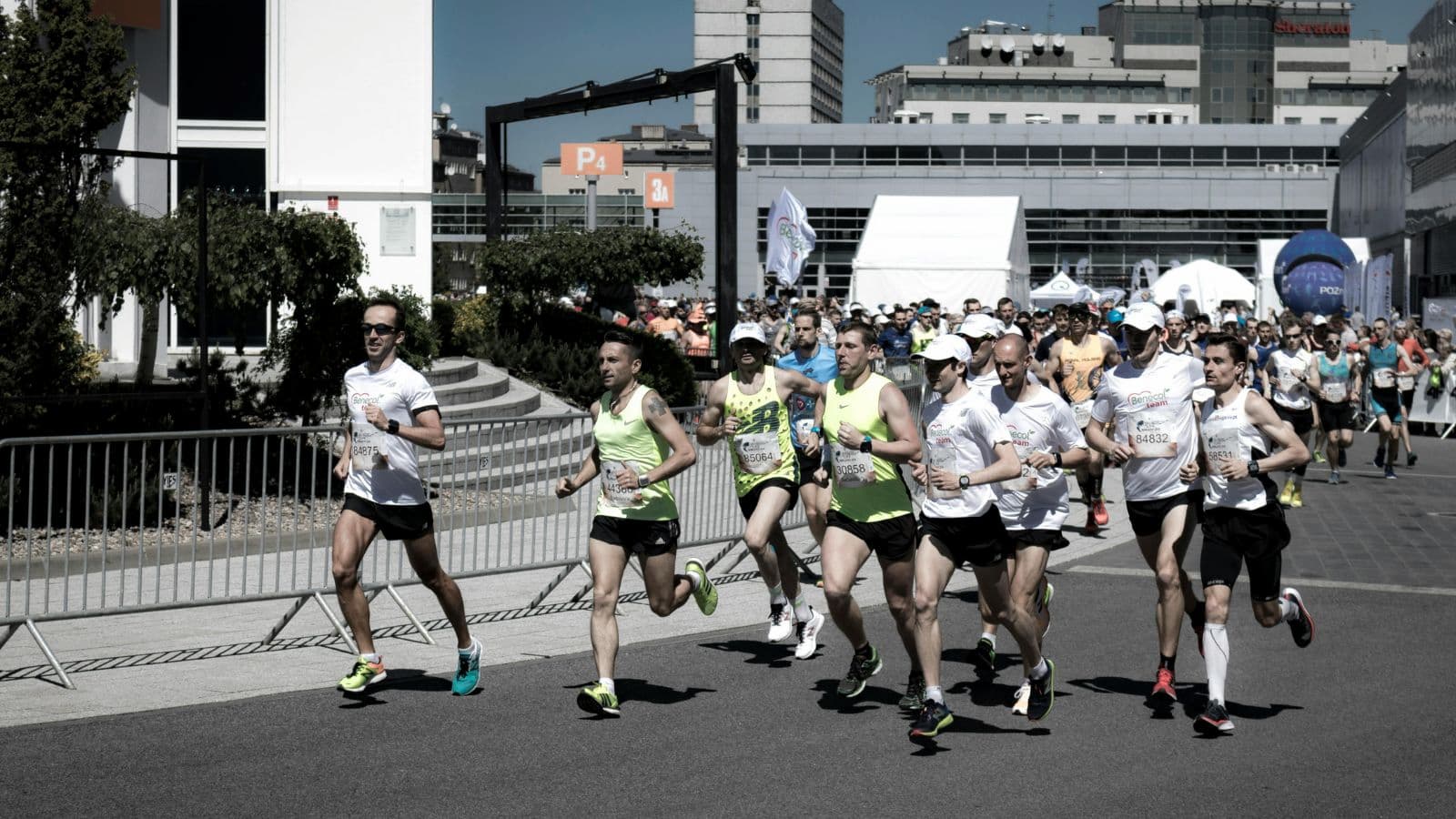
Running a 5K is often the first major milestone for beginner runners. Covering a distance of 5 kilometres (3.1 miles), the race is accessible for new athletes while still offering a rewarding challenge. Whether you are preparing for a community event or simply want to test your endurance, understanding how to train, pace yourself, and prepare for race day can make your first 5K far more enjoyable and successful.
Why the 5K is the perfect starting distance
The 5K distance is widely considered the ideal starting point for new runners. It is long enough to build cardiovascular fitness and endurance but short enough that beginners can prepare for it within a relatively short training period. Many runners choose a 5K as their introduction to organised races, community running events, and structured training programs.
Another reason the 5K is popular is its accessibility. Local races are held in cities and parks around the world throughout the year, often attracting both experienced athletes and first-time participants. This welcoming atmosphere makes it easier for beginners to feel comfortable participating in their first race.
Building a simple training routine
Consistency is the most important factor when preparing for a first 5K. Beginners do not need complicated workouts or long-distance training sessions. Instead, the focus should be on gradually building running endurance through regular practice.
Many beginners start with a run-walk method, alternating between short running intervals and walking recovery periods. This approach allows the body to adapt to the physical demands of running while reducing the risk of injury or excessive fatigue.
Completing three to four running sessions per week helps beginners gradually build endurance and improve cardiovascular fitness. Health organizations such as the World Health Organization recommend that adults perform at least 150 minutes of moderate-intensity physical activity each week, which can easily be achieved through beginner running programs such as 5K training.
Pacing strategies for your first race
One of the most common mistakes beginners make in their first 5K is starting too fast. Race day excitement and the presence of other runners often push participants to run faster than they did during training. Unfortunately, this can lead to early fatigue and a difficult final kilometre.
A better approach is to begin the race at a comfortable pace and gradually settle into a rhythm that feels sustainable. Many coaches recommend running at a pace where conversation is still possible. This steady effort helps conserve energy and allows runners to finish the race more strongly.
Preparing your gear and avoiding common beginner problems
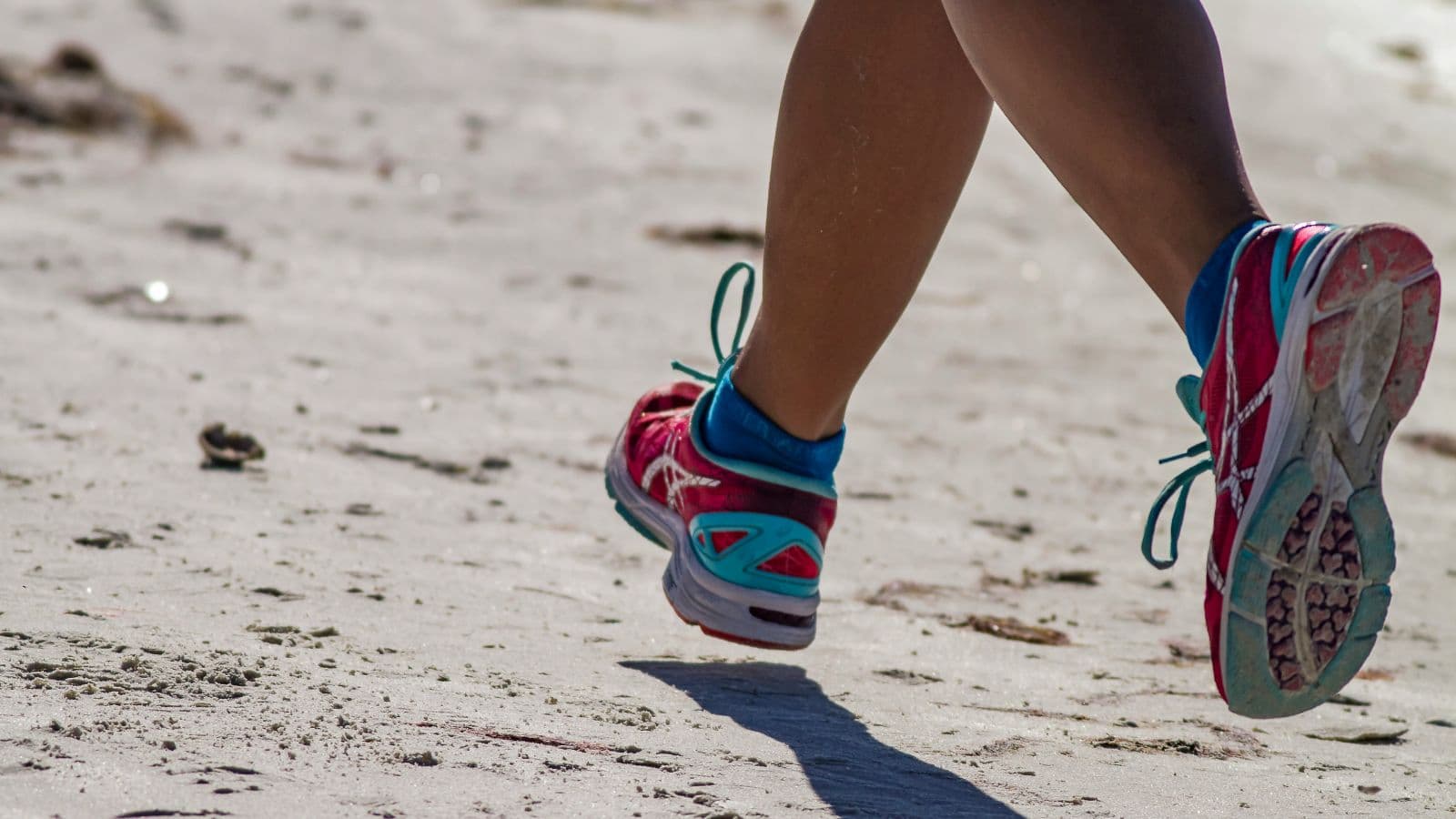
Simple preparation can make a big difference in comfort during a first 5K. Wearing properly fitted running shoes and moisture-wicking clothing helps prevent discomfort during longer runs. Small issues like friction or poorly fitting socks can quickly lead to problems such as blisters, which are one of the most common complaints among new runners.
RUN247’s guide on preventing running blisters explains how proper footwear, socks, and foot care can reduce irritation during training and races.
Addressing these small details before race day helps beginners focus on enjoying the experience rather than dealing with avoidable discomfort.
What to expect on race day
Race day often feels different from training. The energy of the crowd, cheering spectators, and presence of other runners can create excitement and adrenaline. For many beginners, this atmosphere actually makes the distance feel easier than running alone.
It is common to feel tired during the final kilometre of the race. At this stage, maintaining steady breathing and focusing on reaching the finish line can help runners push through fatigue.
Most importantly, the goal of a first 5K should be to complete the distance rather than achieve a specific finishing time. Crossing the finish line represents an important milestone and often motivates runners to continue improving and exploring longer races in the future.
Running your first 5K is not just about finishing a race. It is the beginning of a running journey that can lead to better fitness, improved health, and new personal challenges. With consistent training, smart pacing, and proper preparation, beginners can confidently take their first step into the world of running.
FAQ
Most beginners can prepare for a 5K in about 6–8 weeks with consistent running three to four times per week.
Yes, but many beginners start with a run-walk strategy. Gradually increasing running intervals helps build endurance over time.
For beginners, finishing between 30 and 40 minutes is common, but the most important goal for a first race is simply completing the distance.
Most beginner training plans recommend running three to four days per week with rest days in between.
Proper running shoes are highly recommended. Well-fitted shoes help prevent injuries and improve comfort during training and races.
Yes. The run-walk method is one of the most effective ways for beginners to build stamina without overloading the body.
A light meal with carbohydrates, such as toast, oatmeal, or a banana, about 1–2 hours before the race is usually sufficient.
Start at a comfortable pace that feels sustainable. Many beginners benefit from running slightly slower at the start and finishing stronger.
Yes. Pre-race nerves are very common for beginners. Proper preparation and warm-up can help reduce anxiety.
Cool down with light walking, hydrate, stretch gently, and celebrate the achievement of completing your first race.