
Most running injuries are not caused by a single bad session. They develop gradually through repetitive stress, poor movement patterns, muscular weakness, and limited mobility. Strength and mobility training help runners improve movement efficiency, reduce excessive joint loading, and tolerate training volume more effectively. Running places repetitive force through the feet, ankles, knees, hips, and lower back thousands of times during every session. Without adequate stability and mobility, the body compensates inefficiently, increasing stress on muscles, tendons, and connective tissue.
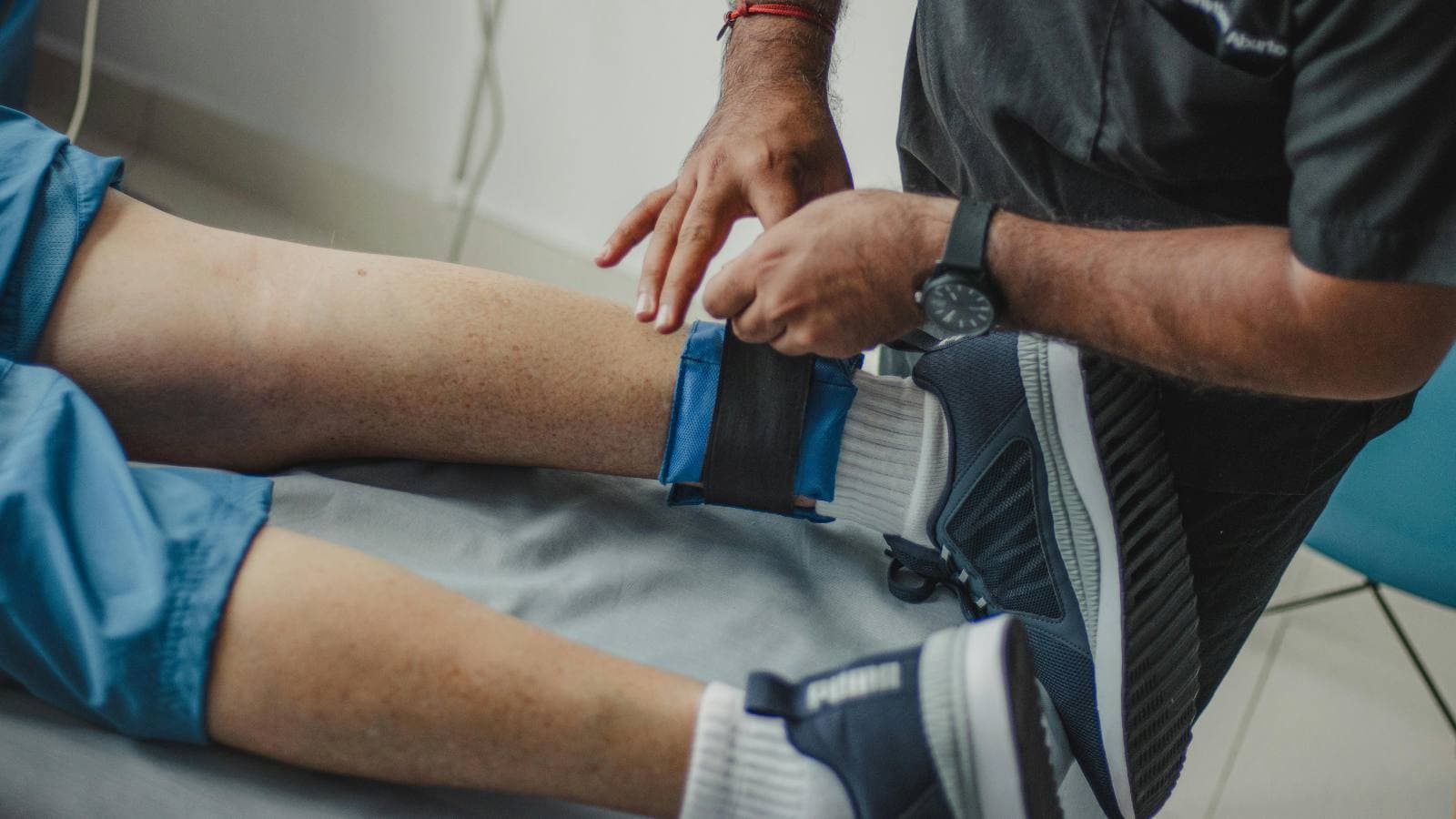
Strength and mobility work improve durability. This becomes especially important when following structured programmes such as weekly running plan for beginners where weekly mileage increases progressively over time.
Why Runners Commonly Get Injured?
Most running injuries come from accumulated overload rather than sudden trauma.
Common contributing factors include:
- Increasing mileage too quickly
- Weak stabilising muscles
- Poor recovery
- Limited mobility
- Poor running mechanics
- Excessive intensity
- Lack of strength training
Running itself is not inherently damaging. Problems usually develop when the body cannot tolerate the training load being applied.
This is why training structure matters. Athletes following balanced progression like avoiding running injuries with increased mileage often reduce injury risk because workload increases more gradually.
Strength Training Improves Running Durability
Strength training helps runners tolerate repetitive impact forces more effectively.
Strong muscles absorb load better and reduce excessive strain on joints and connective tissue.
Key benefits include:
- Improved stability
- Better posture
- Reduced muscle imbalances
- Increased force control
- Better fatigue resistance
- Improved running economy
Runners do not need bodybuilding-style training. Simple functional strength work often produces significant injury-prevention benefits.
The goal is not maximum muscle size. The goal is improving resilience and movement quality.
Glute Strength Is Critical for Runners
Weak glutes are linked to many common running injuries.
Poor hip stability can contribute to:
- IT band pain
- Runner’s knee
- Shin splints
- Lower back pain
- Achilles overload
The glutes help control hip position and stabilise the pelvis during running.
Effective glute exercises include:
- Split squats
- Glute bridges
- Step-ups
- Single-leg deadlifts
- Lateral band walks
Single-leg strength work is especially valuable because running itself is a single-leg movement pattern. Runners increasing mileage through plans such as scheduling rest days during marathon training often benefit significantly from improved hip stability.
Core Strength Supports Better Running Mechanics
Core strength is about stability rather than visible abdominal muscles.
A stable core helps runners:
- Maintain posture
- Control rotation
- Transfer force efficiently
- Reduce wasted movement
Poor core control often increases energy loss and movement compensation during fatigue.
Useful exercises include:
- Planks
- Dead bugs
- Pallof presses
- Bird dogs
- Side planks
The goal is controlled movement rather than excessive spinal motion.
Mobility Helps Runners Move Efficiently
Limited mobility often forces runners into compensatory movement patterns.
Common restricted areas include:
- Ankles
- Hips
- Thoracic spine
- Calves
- Hamstrings
Poor ankle mobility, for example, can increase stress higher up the kinetic chain at the knees and hips. Mobility work improves movement options and helps maintain better mechanics under fatigue.
Runners do not necessarily need extreme flexibility. They need sufficient mobility to move efficiently without compensation.
Ankle Mobility Affects Running Mechanics
Restricted ankle movement commonly affects:
- Stride mechanics
- Foot strike
- Knee loading
- Calf strain
Limited ankle dorsiflexion often forces excessive compensation elsewhere in the body.
Simple mobility drills such as:
- Calf stretching
- Ankle rocks
- Heel-elevated mobility work
can improve movement quality significantly over time.
This becomes especially important for runners preparing for longer distances covered in why are you not getting faster despite training where repetitive loading increases substantially.
Strength Training Helps Reduce Overuse Injuries
Overuse injuries develop when tissues repeatedly absorb more stress than they can recover from. Strength training improves tissue capacity.
Research consistently links strength work with reduced risk of:
- Tendinopathy
- Stress injuries
- Knee pain
- Hamstring strains
- Calf injuries
Stronger tissues tolerate repetitive loading more effectively during high-mileage training periods.
Mobility Supports Recovery
Mobility work also supports recovery between sessions.
Light movement improves:
- Blood flow
- Tissue quality
- Joint motion
- Muscular relaxation
Mobility sessions do not always need to be intense. Short consistent routines often work better than occasional long stretching sessions.
Useful recovery-focused mobility work includes:
- Dynamic stretching
- Foam rolling
- Controlled mobility drills
- Gentle activation exercises
Consistency matters more than complexity.
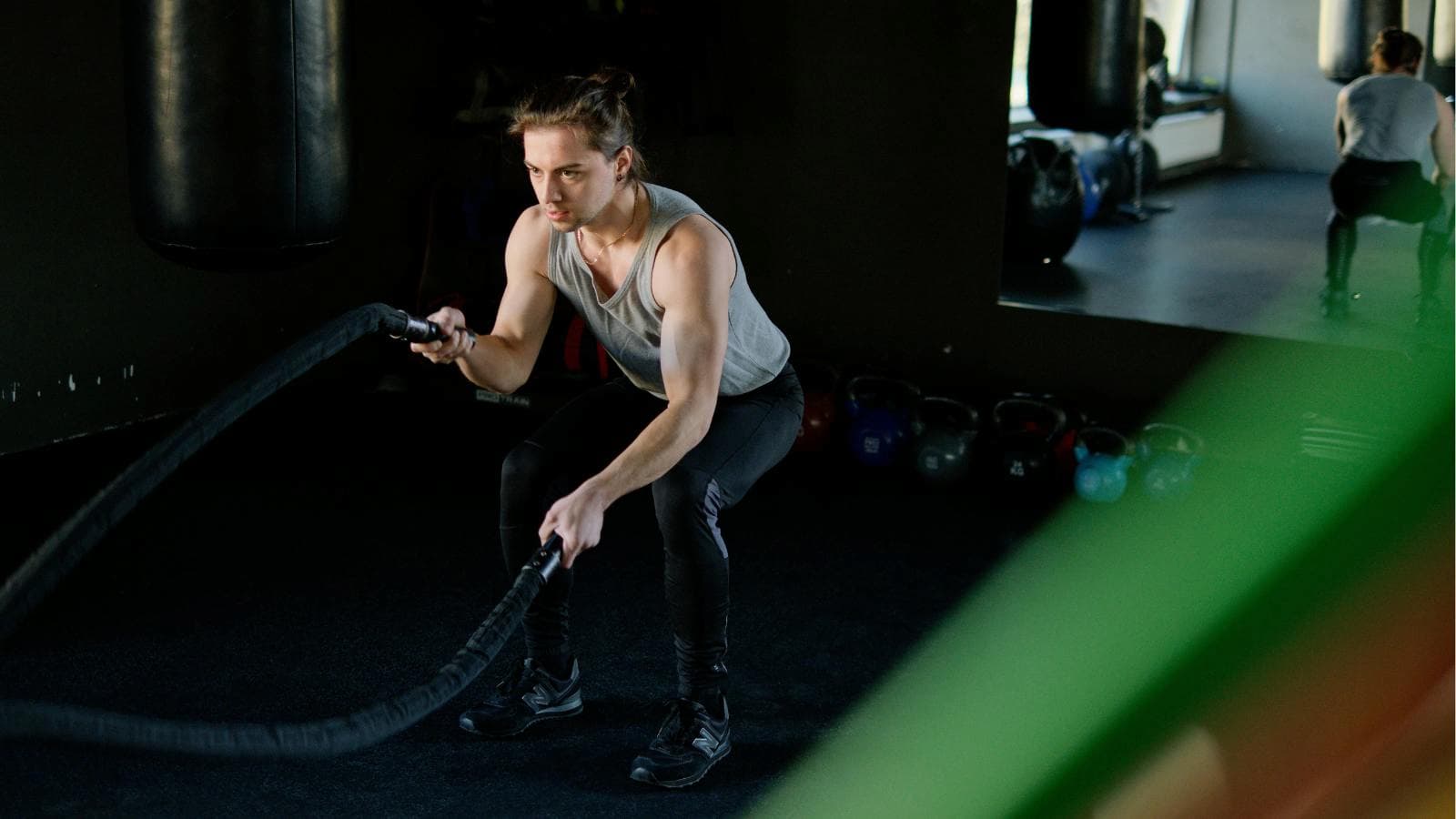
Strength Improves Running Economy
Running economy refers to how efficiently a runner uses energy at a given pace.
Strength training improves:
- Force production
- Ground contact efficiency
- Stability
- Stride control
- Posture under fatigue
This helps runners maintain pace with less energy expenditure.
Better efficiency becomes increasingly valuable during longer races where fatigue gradually affects mechanics and posture. Athletes improving aerobic efficiency through zone 2 running explained often benefit further when strength work supports better movement control.
Weak Calves Increase Injury Risk
The calves absorb significant force during running.
Weak or overloaded calves commonly contribute to:
- Achilles pain
- Plantar fasciitis
- Shin splints
- Calf strains
Calf strength becomes particularly important for runners increasing speed work or hill training.
Useful calf exercises include:
- Single-leg calf raises
- Bent-knee calf raises
- Slow eccentric loading
- Plyometric progressions
Building calf durability gradually improves resilience during higher training loads.
Mobility Before Running Should Be Dynamic
Pre-run mobility should prepare the body for movement rather than relaxing it excessively.
Useful dynamic warm-up exercises include:
- Leg swings
- Walking lunges
- High knees
- Hip circles
- Ankle mobility drills
Dynamic movement increases tissue temperature and improves neuromuscular readiness before running. Long static stretching before harder sessions is usually less effective for performance preparation.
Recovery Management Still Matters
Strength and mobility work cannot compensate for poor recovery habits.
Injury risk still increases when runners:
- Sleep poorly
- Ignore fatigue
- Increase volume too aggressively
- Train intensely every day
- Underfuel consistently
Recovery quality strongly affects tissue repair and adaptation.
This is why runners balancing training stress often benefit from understanding hip mobility for runners during heavy training phases.
Common Strength and Mobility Mistakes
Many runners reduce effectiveness by:
- Lifting too heavy unnecessarily
- Ignoring consistency
- Stretching aggressively without control
- Skipping recovery
- Only training muscles they already use well
- Neglecting single-leg strength
- Ignoring movement quality
Strength and mobility training should support running rather than create excessive fatigue that interferes with key sessions.
Practical Strength and Mobility Tips for Runners
Runners can reduce injury risk significantly by:
- Strength training twice weekly
- Prioritising hip and core stability
- Improving ankle mobility
- Warming up dynamically
- Monitoring fatigue honestly
- Progressing training gradually
- Using single-leg exercises regularly
- Maintaining mobility consistently
Small improvements in movement quality compound significantly over long training periods.
FAQs
Strength training reduces injury risk by improving stability, tissue resilience, and movement control.
Most runners benefit from two structured strength sessions per week alongside running.
Glutes, calves, hamstrings, core muscles, and hip stabilisers are especially important.
Yes. Better mobility improves movement efficiency and reduces compensation patterns during running.
Most injuries result from accumulated overload, poor recovery, weak stabilisers, or excessive training progression.
Stretching alone is usually not enough. Strength, recovery, and movement quality also matter significantly.
Moderate progressive strength training is beneficial, but excessively fatiguing lifting is often unnecessary for endurance runners.
Dynamic mobility exercises such as leg swings and walking lunges are effective before runs.