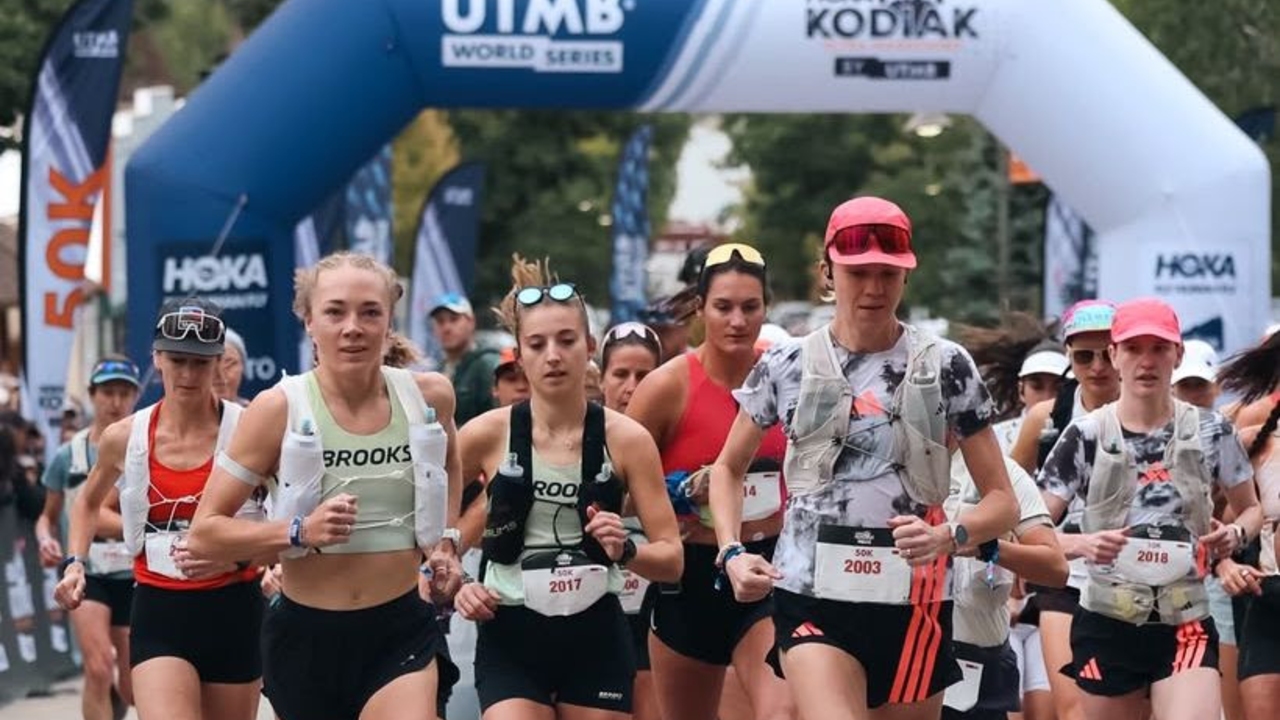
The OCC is the shortest of the three UTMB World Series Finals held during UTMB Mont-Blanc week, but that certainly doesn’t make it the easy option.
The ’50K final’ takes runners from Orsières in Switzerland to the iconic finish line in Chamonix, with the 2026 edition actually covering 60km and packing in around 3,500 metres of climbing.
It has developed into one of the most competitive short-distance trail races in the world, bringing together many of the sport’s leading mountain runners as well as qualifiers from across the UTMB World Series.
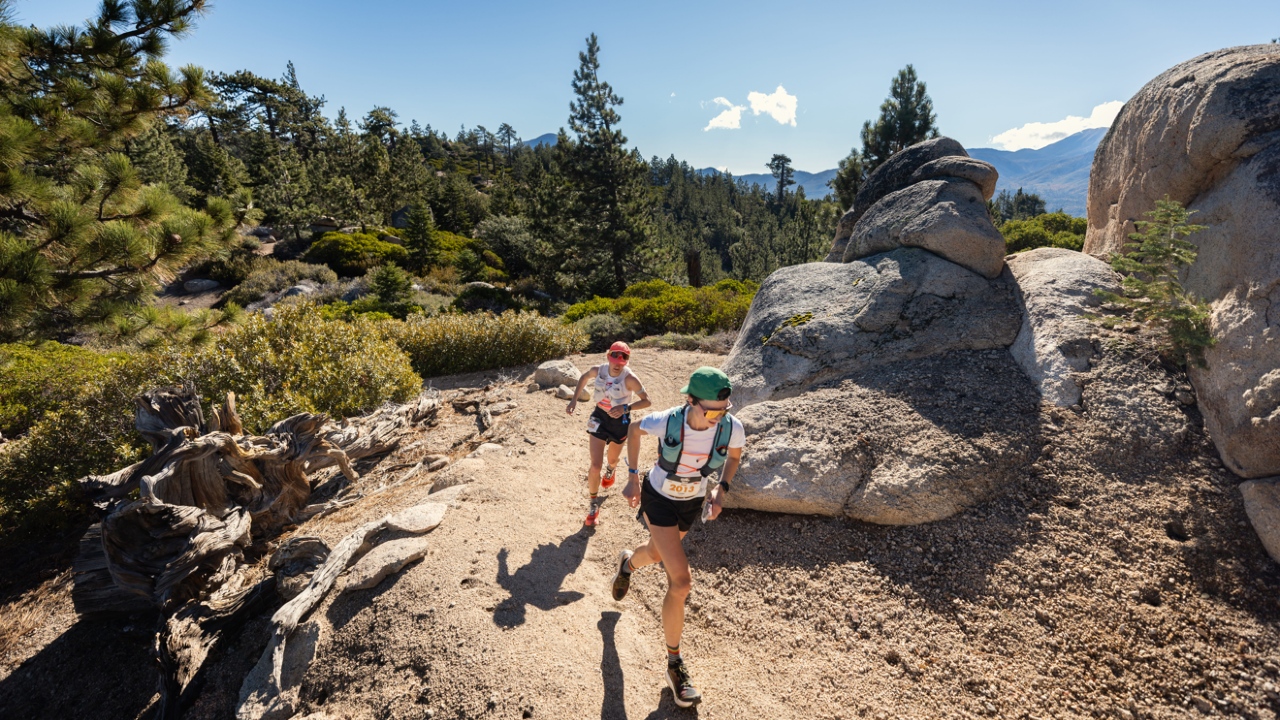
And while the distance is considerably shorter than the 100km CCC and 100-mile UTMB, the combination of sustained climbing, technical mountain terrain and a succession of major ascents and descents makes OCC a formidable challenge in its own right.
Read on to find out more about the route, the event’s history and those super-strong fields as we run through some of the leading contenders.
Watch live
The OCC coverage starts at 07:45 local (CET) time on Thursday 27th August 2026, with the race itself getting under way at 8:15. That’s 07:15 in the UK and 02:15 Eastern Time.
And the great news is you can watch it all live without leaving this page via the YouTube embed below.
Live tracking and live results will also be available via this link.
The broadcast will be available in five languages (French, English, Spanish, Italian and Chinese) and brought to life by 15 commentators.
UTMB OCC
start list
Click here for the full start list and check out the analysis section below for our run through the leading contenders.
Notable runners
Route
There are some significant changes to the OCC course for 2026, although the essential character of the race remains the same.
Runners start in Orsières in Switzerland’s Val d’Entremont before making their way towards Champex-Lac and then Trient, with the route gradually taking them towards the high mountains and the French border.
It is after Trient that this year’s biggest changes come into play. The climb takes the field towards the iconic Col de Balme before continuing to Tête de Balme, which at 2,321 metres is the new highest point on the OCC course.
The redesigned section then sends runners back down onto the Swiss side of the mountain before they cross into France through Vallorcine and begin another climb towards the Col des Posettes.
From there the route heads down towards Le Tour before the closing kilometres take runners along the northern balcony trails above the Chamonix valley and eventually into the centre of Chamonix itself.
In total, the new-look course measures 60km with approximately 3,500 metres of elevation gain – plenty to justify Jan Frodeno’s tongue-in-cheek admission that there aren’t going to be too many flat sections to look forward to!
Analysis
The big news from Chamonix on Tuesday morning – just 48 hours before the race start – was that short-trail world champion Tove Alexandersson had withdrawn from OCC due to illness.
The Swedish superstar had been highest-ranked woman in the field with a UTMB Index of 859 – and is the reigning world champion.
It’s a real shame for her and the race but it’s still a formidable women’s field in her absence.
Switzerland’s Judith Wyder is a proven performer over shorter trail distances and should be particularly well suited to the demands of OCC.

Sara Alonso, fourth here in the last two years, and fellow Spaniard Malen Osa Ansa are two others for the podium shortlist.
The men’s race is equally compelling, with Rémi Bonnet one of what look like three clear favourites.
The Swiss star returns to OCC two years after his 2024 challenge ended dramatically when he fell and was forced to abandon while running in the lead group.
That gives Bonnet unfinished business in Chamonix – and he heads this year’s field with an imposing UTMB Index of 956.
Just behind him is Francesco Puppi, who takes on OCC after enjoying a memorable 2025 season.
The Italian finished runner-up at Western States before winning CCC, giving him the rare distinction of arriving at OCC as the reigning champion of its longer 100K counterpart.
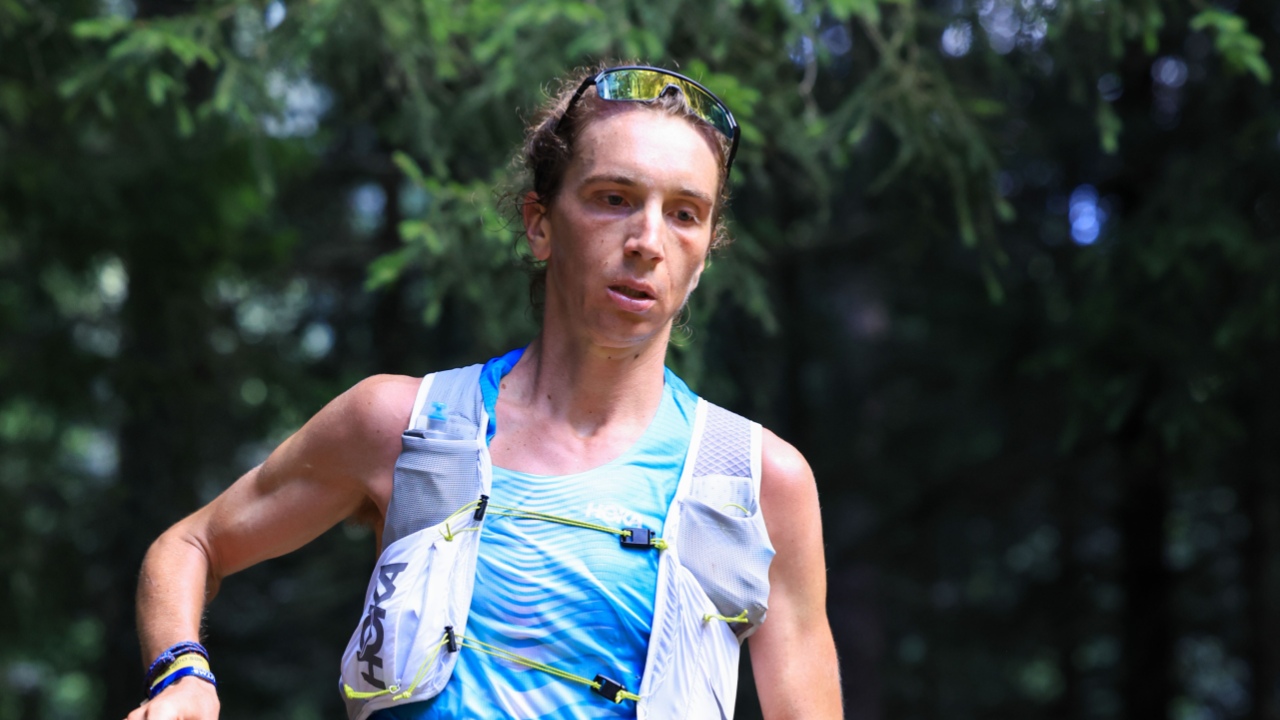
Italy’s Daniel Pattis, Sweden’s Petter Engdahl and Switzerland’s Roberto Delorenzi provide further depth to a men’s field packed with athletes capable of challenging at the front.
Previous winners
The winners from the last 10 years of OCC are as follows:
Men
-
- 2016 Xavier Thevenard (FRA)
- 2017 Marc Lauenstein (SUI)
- 2018 Erenjia Jia (CHI)
- 2019 Stian Angermund (NOR)
- 2020 Cancelled
- 2021 Jon Albon (UK)
- 2022 Manuel Merillas (ESP)
- 2023 Stian Angermund (NOR)
- 2024 Eli Hemming (USA)
- 2025 Jim Walmsley (USA)
Women
-
-
- 2016 Mercedes Arcos Zafra (ESP)
- 2017 Eli Gordon Rodriguez (ESP)
- 2018 Ruth Croft (NZ)
- 2019 Ruth Croft (NZ)
- 2020 Cancelled
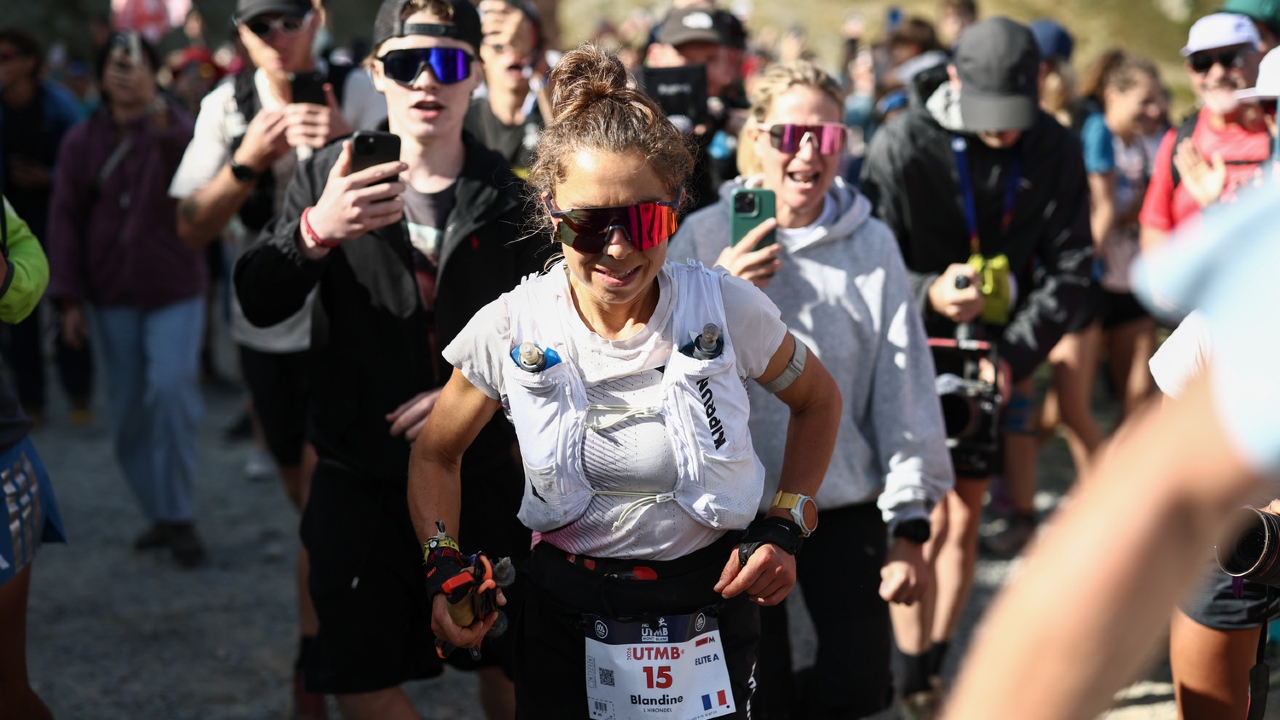
- 2021 Blandine L’Hirondel (FRA)
- 2022 Sheila Aviles Castano (ESP)
- 2023 Toni McCann (RSA)
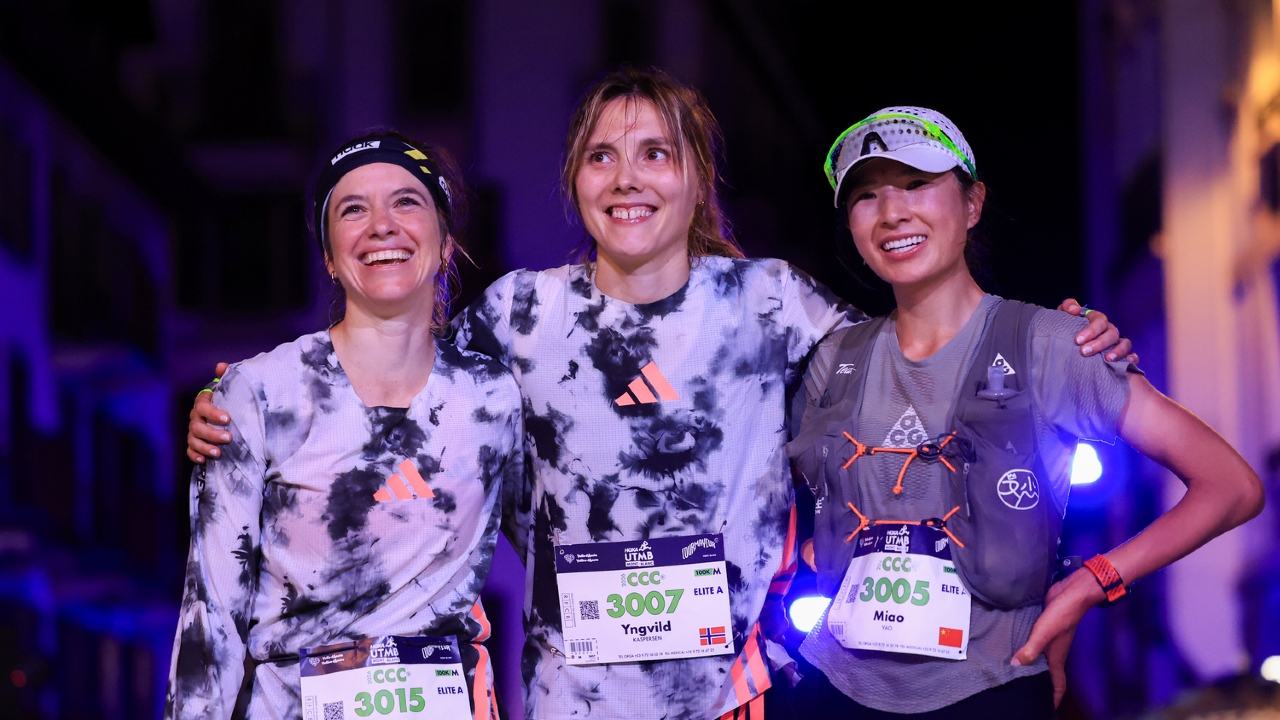
- 2024 Miao Yao (CHN)
- 2025 Miao Yao (CHN)
-
Past winners
Tab 2 content.