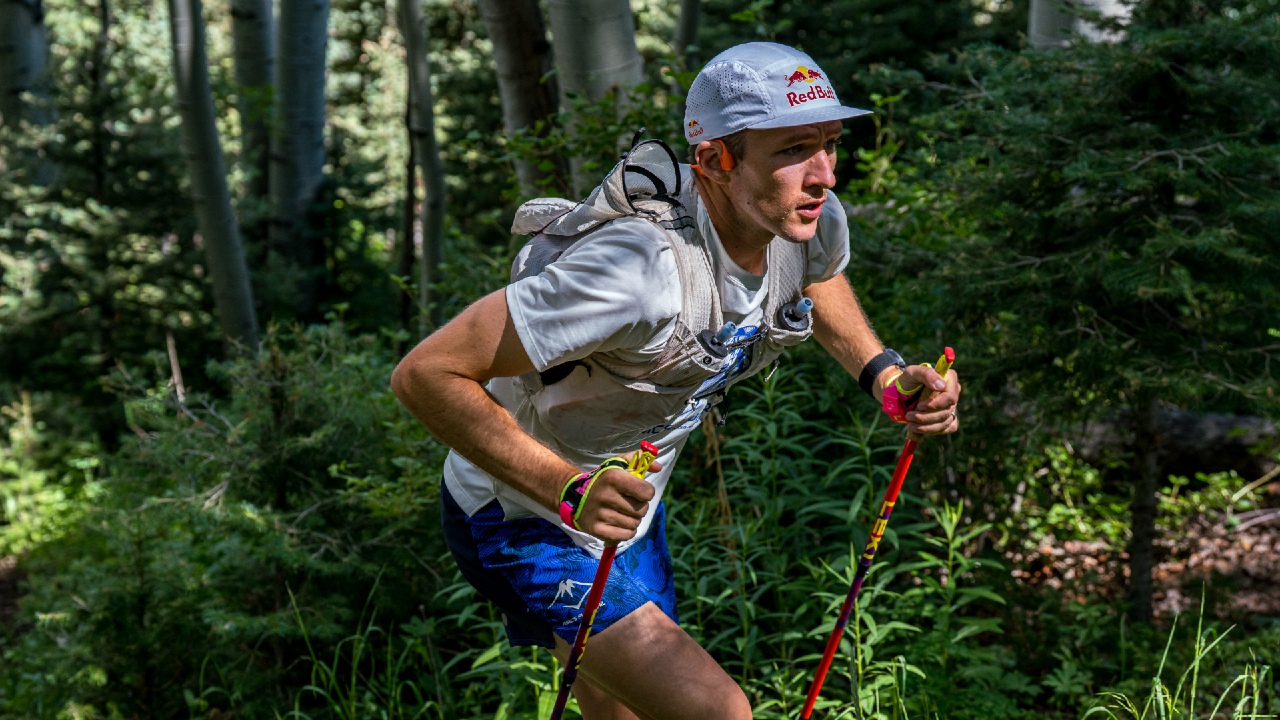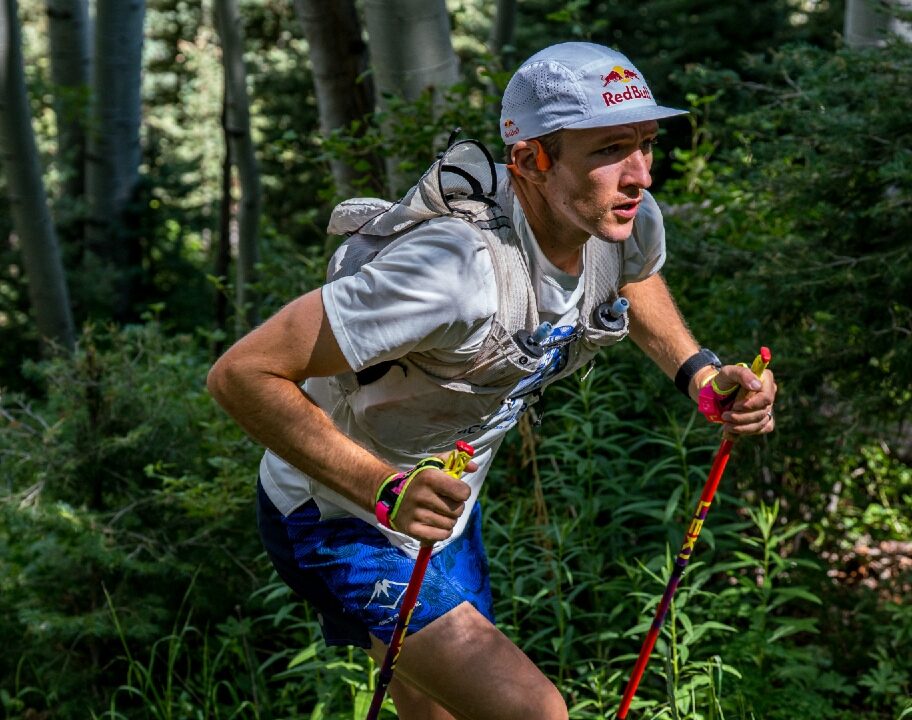


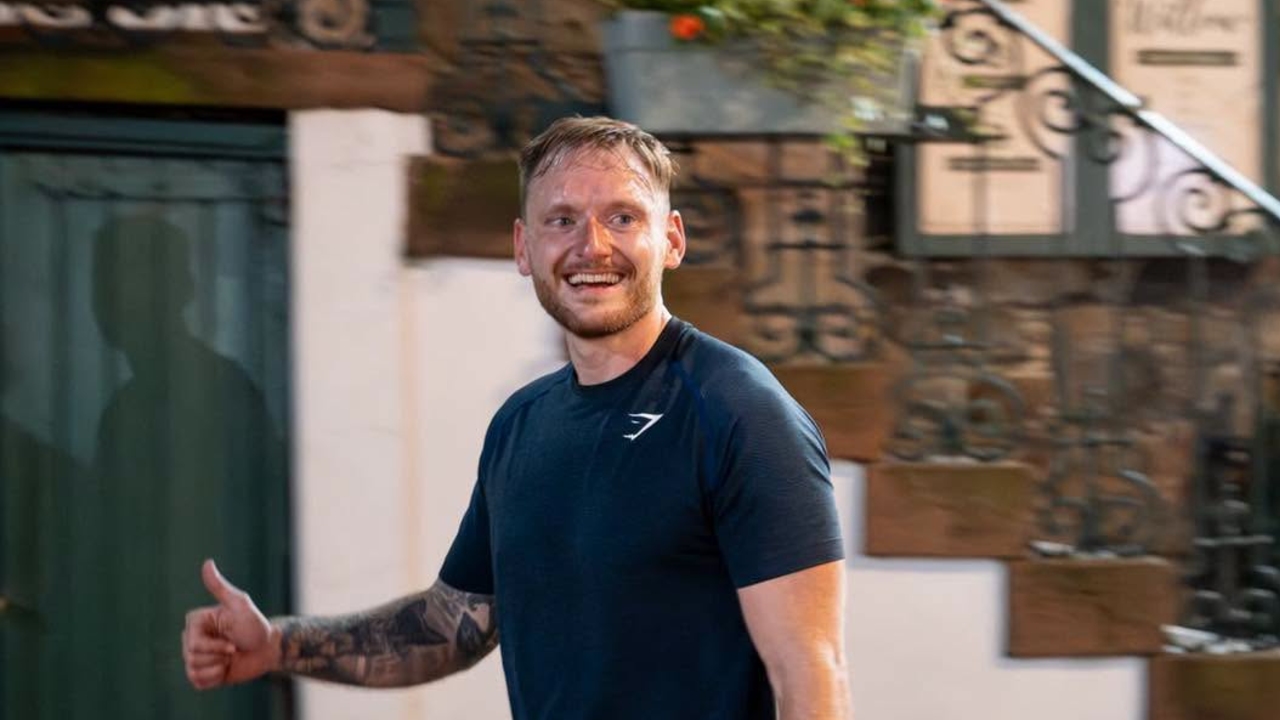
A fell runner who was given just a two per cent chance of survival after being found with no signs of life in the Lake District has completed the Bob Graham Round.
Tommy Price returned to Keswick on September 6 and finished the iconic 42-peak challenge in 23 hours and 35 minutes, beating its famous 24-hour target.
It completed an extraordinary full-circle journey for Price, who nearly lost his life while recceing part of the same route in January 2022.
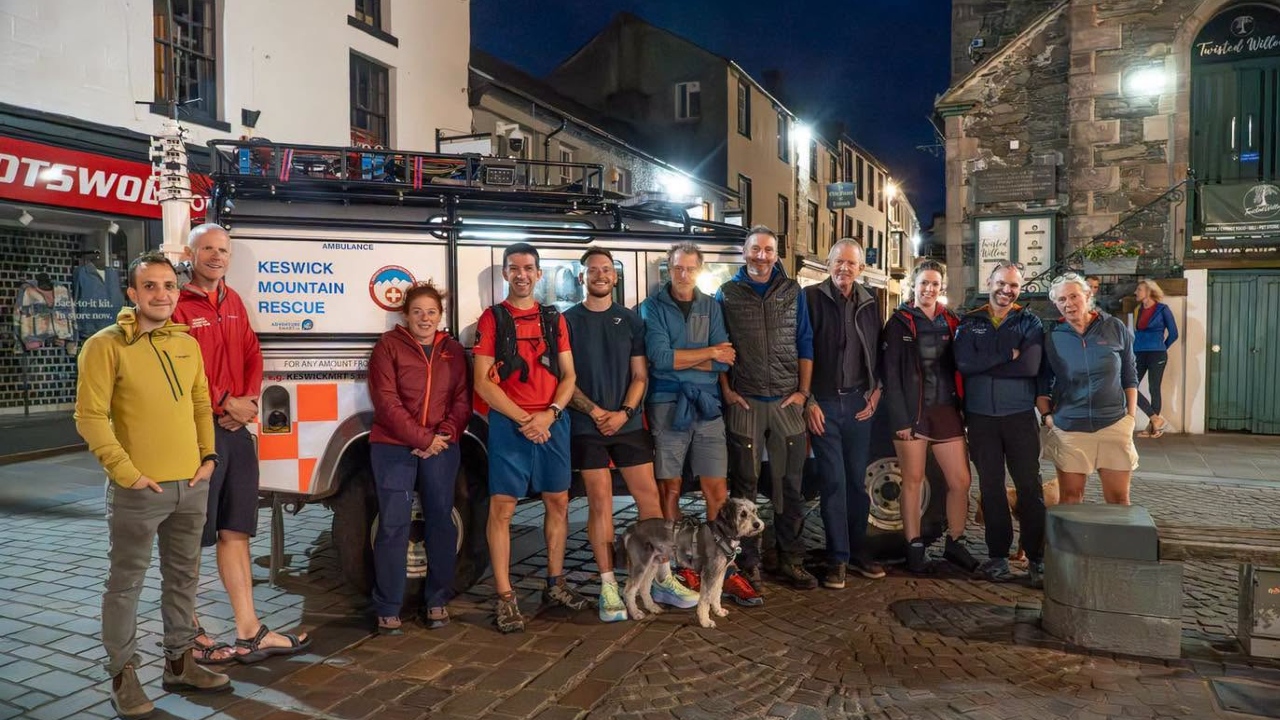
“Four years ago, these people were helping save my life,” he said when paying tribute to the Keswick Mountain Rescue Team. “Four years later, they were there as I completed the challenge I had been recceing when it all happened.
“I was given a second chance. This weekend, I made the most of it.”
Fighting for his life on Blencathra
A remarkable post on their social media channels from the Keswick Mountain Rescue Team explained the incredible “full-circle journey”.
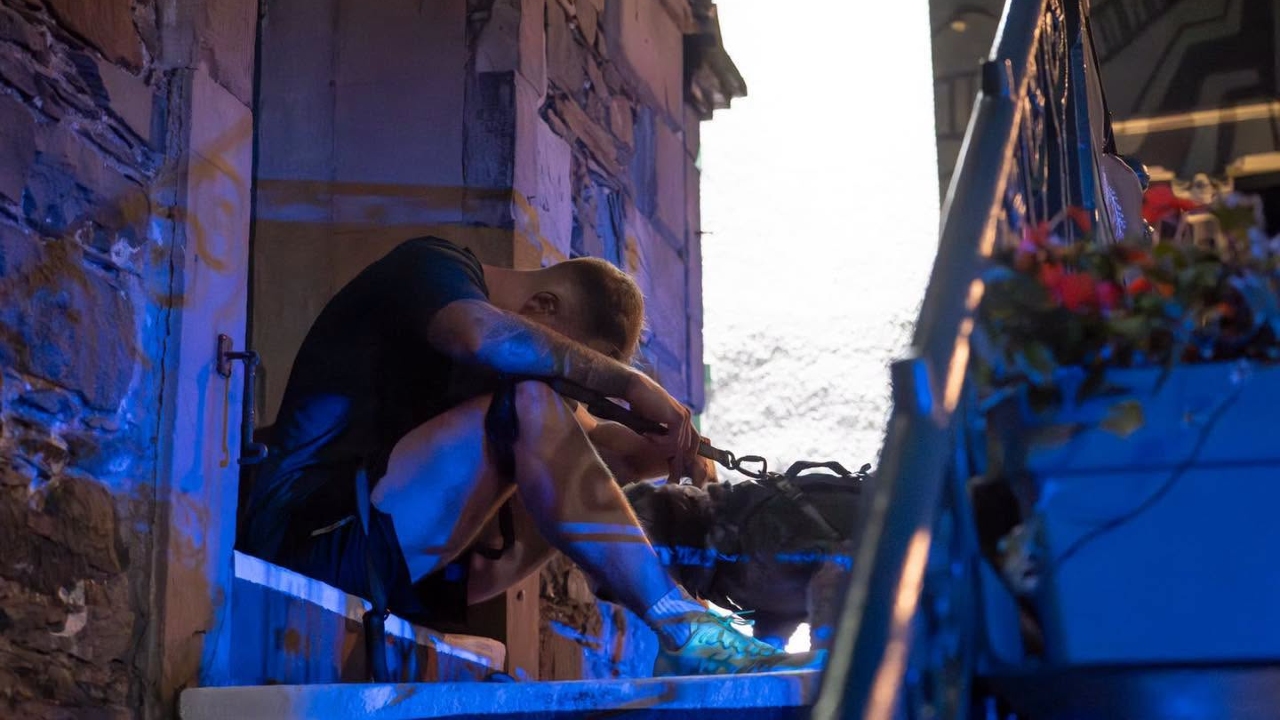
It reads: “On 6th January 2022 (Incident No. 2), our team responded to a 26-year-old fell runner stranded near the end of Leg 1 of a Bob Graham Round training run. Freezing temperatures, strong winds, and snow had left him unable to complete the descent down Hall’s Fell to Threlkeld. His friend sheltered him in an emergency survival bag and ran down to raise the alarm.
“An advance party went up expecting a cold, hypoglycaemic runner, but instead found Tommy Price further up the trail, face down with no signs of life. Operating under the medical principle that “a casualty is not dead until they are warm and dead,” the team immediately treated him as if he were alive. Tommy had suffered a cardiac arrest triggered by profound hypothermia, and his core temperature had plummeted to a critical 18°C.
“After vital, continuous CPR and three attempts to restart his heart on the mountain, an HM Coastguard helicopter crew airlifted Tommy. Escorted to the RVI by Keswick MRT doctor John Ferris, he was placed on an ECMO machine to take over his heart and lung function.
“Fast forward to 6th September 2026, and Tommy returned to the Lake District to finish what he started. He completed the full Bob Graham Round in a fantastic time of 23 hours and 35 minutes! 
 “
“
What is the Bob Graham Round?
The Bob Graham Round is one of Britain’s most celebrated fell-running challenges.
Starting and finishing at the Moot Hall in Keswick, it takes runners across 42 Lake District peaks over approximately 66 miles, with around 27,000ft of climbing.
The objective is to complete the entire circuit on foot within 24 hours.
It takes its name from Keswick guest-house owner Bob Graham, who traversed 42 Lakeland peaks in less than a day in June 1932, when he was 42 years old.
The route is traditionally divided into five legs, with the first crossing Skiddaw, Great Calva and Blencathra before descending Hall’s Fell to Threlkeld – the section Price had been attempting when disaster struck.
An emotional return to Keswick
Price’s determination to rebuild his life had already seen him complete the London Marathon and raise around £10,000 for the Keswick Mountain Rescue Team.
He said doctors estimated that he had been clinically dead for between two hours 14 minutes and three hours 20 minutes: “If it wasn’t for the volunteers and doctors that work for mountain rescue, I wouldn’t be here today.”
So returning to the Lake District and completing the Bob Graham brought his recovery story back to where it had begun.
There were two particularly meaningful faces among those helping him fulfil that ambition.
Keswick MRT volunteer Jonny Hulme, one of the first rescuers to reach Price in 2022, supported him over Leg 1 of the Round.
And when Price finally returned to the Moot Hall after 23 hours and 35 minutes on the fells, Dr John Ferris was waiting to cheer him across the finish.
“Huge congratulations, Tommy, from everyone at the team,” Keswick Mountain Rescue said. “Your resilience and generosity are an inspiration to us all.”
The team also hopes his story will remind runners of how rapidly conditions and circumstances can change in the mountains.
While fell runners frequently travel light because moving quickly generates heat, spare clothing and an emergency survival bag can make the difference between life and death if someone becomes injured, lost or unable to continue.
Keswick Mountain Rescue Team is staffed by unpaid volunteers and is entirely reliant upon charitable donations to maintain its vehicles, equipment and medical capabilities.
Those wishing to support its lifesaving work can donate through the Keswick Mountain Rescue Team website.