
Trail running demands far more from your body than running on smooth roads. Every step requires constant adjustments as you navigate rocks, roots, loose gravel, mud and uneven ground. Without good stability, these changing surfaces can lead to inefficient movement, wasted energy and an increased risk of slips or ankle injuries. The good news is that stability is a skill that can be developed. Through targeted strength training, better running technique and regular practice on varied terrain, you can become more confident and efficient on the trails. Whether you’re training for your first trail race or looking to tackle more technical routes, improving your stability will help you move safely and perform better.
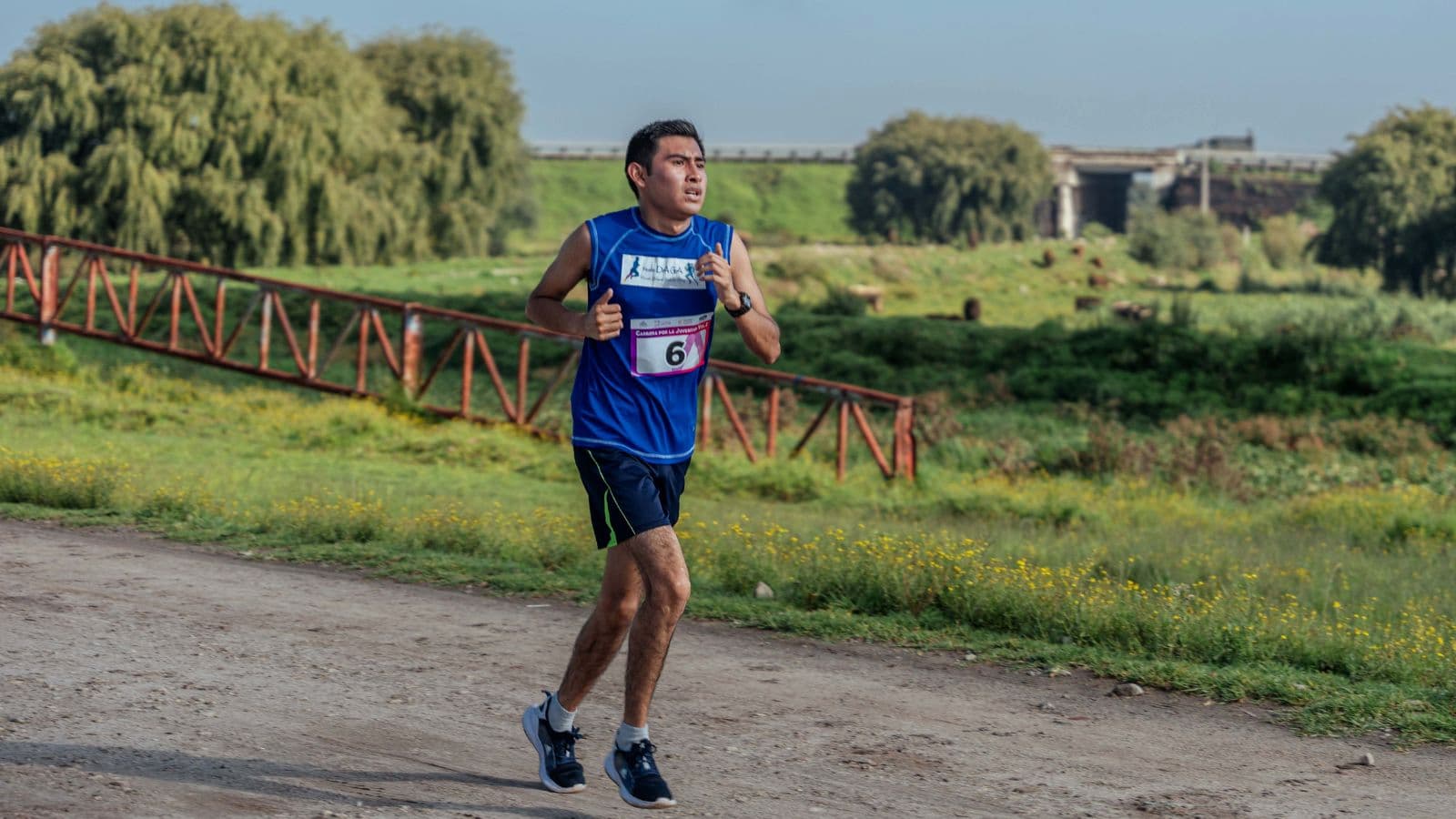
In Short
- Strengthen your hips, glutes and core.
- Improve balance with single-leg exercises.
- Practise running on varied terrain.
- Shorten your stride on technical trails.
- Look ahead rather than at your feet.
Stability Starts with Strength
Strong muscles provide the foundation for stable movement on uneven ground.
Focus on strengthening:
- Glutes.
- Core.
- Quadriceps.
- Hamstrings.
- Calves.
These muscles help absorb impact and keep your joints aligned when the terrain changes unexpectedly. A structured program like how to prevent running injuries with strength and mobility training develops the strength needed for more confident trail running.
Improve Single-Leg Balance
Trail running is essentially a series of single-leg movements.
Exercises that improve balance include:
- Single-leg stands.
- Step-ups.
- Bulgarian split squats.
- Single-leg deadlifts.
- Balance board exercises.
These movements train the small stabilising muscles around your ankles, knees and hips.
Strengthen Your Ankles
Your ankles constantly adjust to uneven surfaces.
Improve ankle stability by:
- Performing calf raises.
- Walking barefoot on safe surfaces.
- Practising balance drills.
- Improving ankle mobility.
- Running regularly on varied trails.
Stronger ankles reduce excessive movement and improve confidence on technical descents.
Improve Your Running Technique
Good technique makes it easier to react quickly when the trail changes beneath your feet.
Focus on:
- Short, controlled strides.
- Quick cadence.
- Relaxed shoulders.
- Slight forward lean.
- Landing beneath your body.
Learning how do arm swings improve running form can also improve balance by helping your upper body work naturally with your stride.
Keep Looking Ahead
Many beginners spend too much time staring directly at their feet.
Instead:
- Scan several metres ahead.
- Identify obstacles early.
- Plan your foot placements.
- Keep your head up.
- Allow your peripheral vision to guide your immediate steps.
Looking ahead gives your body more time to react naturally.
Build Stability on Easier Trails First
Confidence develops gradually.
Begin with:
- Wide forest paths.
- Smooth gravel tracks.
- Gentle hills.
- Dry conditions.
As your skills improve, introduce:
- Rocks.
- Roots.
- Technical descents.
- Narrow singletrack.
If you’re still gaining confidence off-road, how to start trail running safely as a beginner explains how to build your skills progressively.
Don’t Overstride
Long strides reduce stability because your foot lands further ahead of your centre of gravity.
Instead:
- Take shorter steps.
- Increase cadence slightly.
- Stay relaxed.
- Maintain smooth momentum.
This approach improves control, especially on descents and technical terrain. Understanding what’s the best foot-strike for running a marathon also helps explain why landing closer to your body’s centre improves overall running efficiency.
Improve Hip Mobility
Limited hip mobility can reduce balance and make it harder to react quickly on technical trails.
Regular mobility work improves:
- Range of motion.
- Stride efficiency.
- Stability.
- Posture.
A consistent routine such as why is hip mobility important for running helps maintain the movement needed for confident trail running.
Practise on Different Terrain
Every surface teaches your body something new.
Include:
- Mud.
- Loose gravel.
- Rocky paths.
- Woodland trails.
- Grass.
The more varied your training, the better your body becomes at making small adjustments automatically. Training regularly on different surfaces is one of the best ways to develop long-term stability.
Use Your Arms for Balance
Your arms play an important role in maintaining stability.
Allow them to:
- Swing naturally.
- Widen slightly on technical terrain.
- Counterbalance sharp turns.
- Help stabilise during descents.
Avoid keeping your upper body tense, as this limits your ability to react quickly.
Build Core Endurance
A strong core helps keep your upper body stable while your legs react to changing terrain.
Exercises such as:
- Planks.
- Side planks.
- Bird dogs.
- Dead bugs.
- Pallof presses.
can all improve your ability to maintain efficient posture over longer trail runs. Core endurance also supports how to become an efficient runner, helping you waste less energy over uneven terrain.
Progress Gradually
Trying to tackle highly technical trails too early often leads to unnecessary falls and frustration.
Instead:
- Increase technical difficulty slowly.
- Build confidence before adding speed.
- Practise descending before racing.
- Focus on smooth movement rather than pace.
This gradual approach also helps reduce injury risk, particularly when combined with how to increase running volume without getting injured.
Stay Relaxed Under Pressure
Tension reduces balance.
When approaching technical sections:
- Relax your shoulders.
- Keep breathing steadily.
- Trust your footing.
- Avoid sudden braking.
A calm, controlled approach allows your body to react naturally to the terrain.
Common Mistakes
- Looking only at your feet.
- Taking long strides on technical terrain.
- Running too fast beyond your skill level.
- Ignoring strength training.
- Neglecting ankle mobility.
- Wearing unsuitable footwear.
- Avoiding technical trails completely.
- Tensing your upper body.
Practical Tips
- Include balance drills twice each week.
- Practise single-leg strength exercises.
- Train regularly on different trail surfaces.
- Shorten your stride on descents.
- Scan the trail ahead instead of staring down.
- Keep your arms relaxed for balance.
- Improve hip mobility consistently.
- Progress to technical terrain gradually.
Actionable Takeaways
Good stability is one of the most valuable trail running skills you can develop. It allows you to move confidently over uneven terrain, react quickly to changing conditions and reduce your risk of injury without sacrificing efficiency.
By combining strength training, balance exercises, mobility work and regular practice on varied trails, you’ll become more stable and more confident with every run. Like endurance and speed, stability improves through consistent practice rather than quick fixes.
FAQs
Stability helps you maintain balance on uneven terrain, improves running efficiency and reduces the risk of slips and injuries.
The glutes, core, calves, hips and ankle stabilizers all play major roles in maintaining balance.
Two or three short sessions each week are enough for most runners.
Yes. Regular strength training and practicing on easy trails usually produce noticeable improvements within a few weeks.
Yes. Trail shoes provide better grip and support on uneven surfaces than most road running shoes.
Only occasionally. Most of the time you should scan several metres ahead to prepare for upcoming obstacles.
Yes. A slightly quicker cadence with shorter strides often improves control on technical trails.
Yes. Stronger stabilizing muscles improve balance and help your body respond more effectively to uneven terrain.