Trail running constantly challenges your body with uneven terrain, steep climbs, technical descents and rapidly changing surfaces. While fitness and strength are essential, your running posture also plays a major role in how efficiently you move across the trails. Good posture helps you maintain balance, breathe more effectively and use less energy with every stride. Poor posture, on the other hand, can increase fatigue, reduce running efficiency and place unnecessary stress on your muscles and joints. The good news is that posture isn’t fixed. With consistent practice and strength training, every trail runner can improve the way they move.
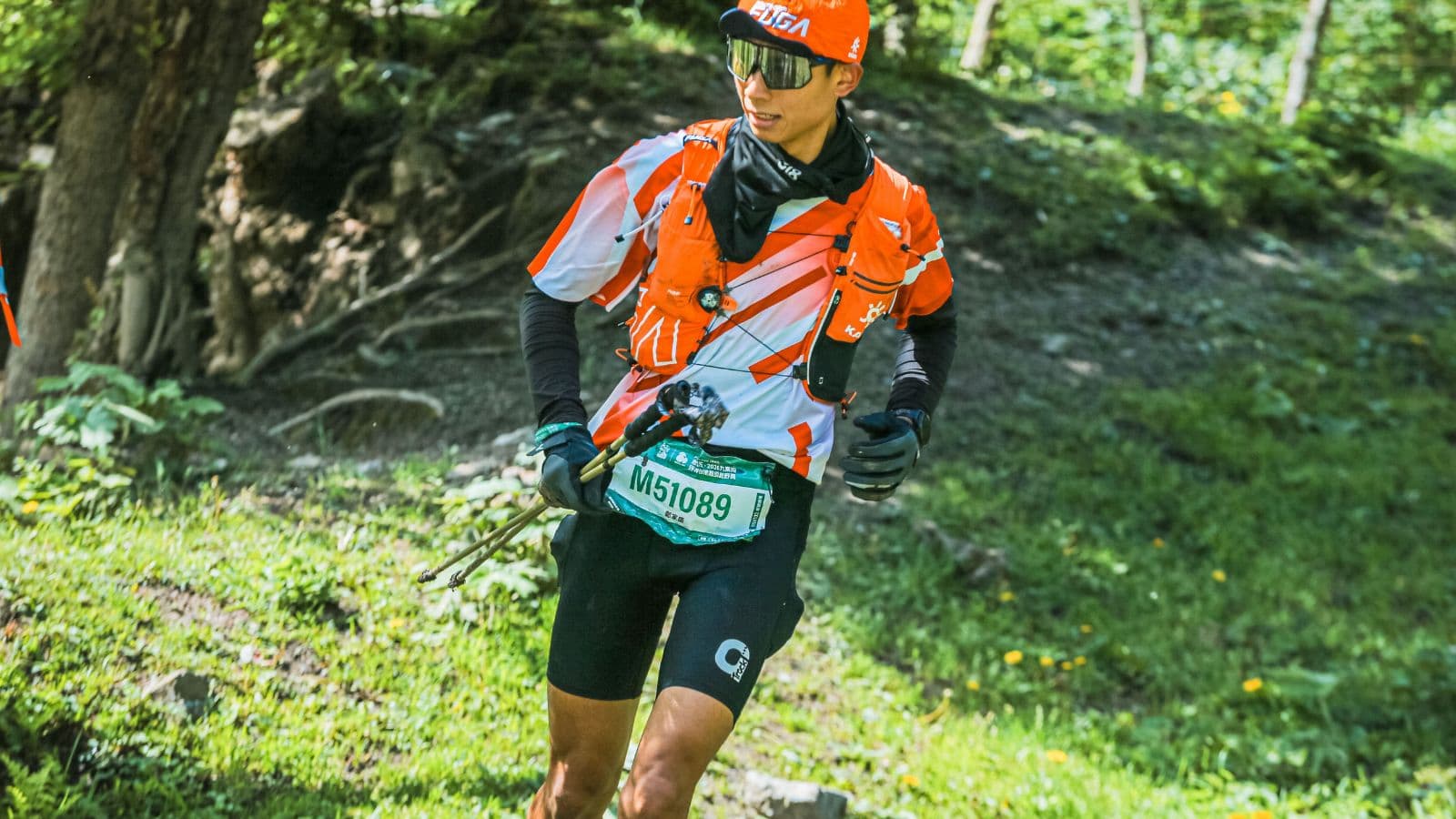
In Short
- Good posture improves running efficiency.
- Better alignment reduces unnecessary fatigue.
- Strong posture improves breathing.
- Balance becomes easier on technical trails.
- Core strength supports better movement.
Why Posture Matters?
Every step you take transfers force through your body. Good posture allows those forces to move efficiently from your feet through your legs, hips and torso.
Benefits include:
- Better balance.
- Improved stability.
- Lower energy cost.
- More efficient movement.
- Reduced muscle tension.
These advantages become even more noticeable during longer trail runs.
Stand Tall Without Becoming Stiff
Good posture doesn’t mean forcing yourself perfectly upright.
Instead, aim for:
- A tall spine.
- Relaxed shoulders.
- Neutral head position.
- Slight forward lean from the ankles.
- Relaxed arms.
Avoid excessive tension, as relaxed movement is generally more efficient.
Look Ahead Rather Than Down
Many trail runners spend too much time staring directly at their feet.
Instead:
- Scan several metres ahead.
- Anticipate obstacles early.
- Keep your head relatively neutral.
- Let your eyes guide your feet.
This improves balance while reducing unnecessary neck strain.
Relax Your Upper Body
Tension wastes valuable energy.
During your run, regularly check that you’re not:
- Shrugging your shoulders.
- Clenching your fists.
- Tightening your jaw.
- Holding unnecessary tension.
Relaxing your upper body makes breathing easier and allows smoother arm movement.
Use Your Arms Efficiently
Your arms help maintain balance, particularly on uneven trails.
Aim for:
- Natural arm swings.
- Bent elbows.
- Relaxed hands.
- Controlled movement.
Strong arm action becomes especially valuable during steep climbs and technical descents. Learning how do arm swings improve running form helps you use your upper body more effectively.
Engage Your Core
Your core helps stabilise your entire body while running.
A stronger core improves:
- Balance.
- Stability.
- Running efficiency.
- Control during descents.
Supporting your posture with what strength routine should runners do to stay injury-free provides a solid foundation for technical trail running.
Breathe More Efficiently
Poor posture often limits breathing by restricting chest movement.
Running tall allows:
- Better lung expansion.
- Deeper breathing.
- Improved oxygen delivery.
- Reduced breathlessness.
If breathing is a regular challenge, how to schedule rest days between races offers additional strategies for maintaining comfortable effort levels.
Maintain a Slight Forward Lean
Efficient trail runners lean slightly forward from the ankles rather than bending at the waist.
This position helps you:
- Maintain momentum.
- Climb more efficiently.
- Reduce braking forces.
- Improve balance.
On descents, avoid leaning too far backwards, as this often increases impact and reduces control.
Shorten Your Stride on Technical Terrain
Long strides often reduce stability on uneven ground.
Instead:
- Take shorter steps.
- Increase cadence naturally.
- Land underneath your centre of mass.
- React quickly to changing terrain.
This allows smoother movement over rocks, roots and loose surfaces. Understanding how to improve your running form without overthinking it can help you make these adjustments naturally rather than forcing every movement.
Strengthen the Muscles That Support Good Posture
Maintaining good posture throughout a long trail run requires muscular endurance.
Prioritise strengthening:
- Core muscles.
- Glutes.
- Hip stabilisers.
- Lower back.
- Calves.
These muscles help you maintain efficient running mechanics even when fatigue begins to build.
Good Posture Reduces Injury Risk
Poor posture may increase stress on various parts of the body.
Over time, it can contribute to:
- Lower back discomfort.
- Knee pain.
- Hip tightness.
- Neck tension.
- Excessive fatigue.
Supporting healthy movement with how to prevent running injuries with strength and mobility training helps reduce these risks while improving overall efficiency.
Fatigue Changes Your Running Form
Even runners with excellent technique often lose posture late in long runs.
As fatigue develops, you may notice:
- Rounded shoulders.
- Shorter breathing.
- Slower cadence.
- Reduced balance.
Building endurance through how to improve running endurance fast helps you maintain good posture for longer periods.
Practice Posture During Easy Runs
Trying to change your running form during races is difficult.
Instead, use easy runs to practise:
- Relaxed shoulders.
- Upright posture.
- Controlled arm swings.
- Smooth cadence.
- Looking ahead.
These habits gradually become automatic under race conditions.
Don’t Chase Perfect Form
Every runner moves slightly differently.
Rather than aiming for textbook posture, focus on movement that feels:
- Relaxed.
- Efficient.
- Balanced.
- Comfortable.
- Sustainable.
Small improvements maintained consistently are far more valuable than forcing an unnatural running style.
Common Mistakes
- Looking directly at your feet.
- Leaning excessively from the waist.
- Tensing your shoulders.
- Overstriding.
- Clenching your fists.
- Ignoring core strength.
- Trying to force perfect posture.
- Allowing fatigue to completely change your running form.
Practical Tips
- Keep your head in a neutral position.
- Look several metres ahead.
- Relax your shoulders regularly.
- Maintain a slight forward lean.
- Use natural arm swings.
- Strengthen your core consistently.
- Practise posture during easy runs.
- Stay relaxed throughout your run.
Actionable Takeaways
Good posture allows trail runners to move more efficiently, maintain better balance and reduce unnecessary fatigue across challenging terrain. While posture alone won’t make you dramatically faster, it supports nearly every aspect of efficient trail running, from breathing and climbing to descending and injury prevention.
Focus on gradual improvements rather than perfection. With consistent strength training, mobility work and mindful practice, good posture becomes a natural part of your running technique.
FAQs
Good posture improves balance, breathing efficiency, running economy and stability on uneven terrain.
Yes. A slight forward lean from the ankles helps maintain momentum without placing unnecessary strain on your back.
No. Scan the trail several metres ahead while remaining aware of obstacles beneath you.
Yes. Upright posture allows better chest expansion and more efficient breathing.
It may contribute to inefficient movement patterns that increase stress on muscles and joints over time.
Natural arm movement becomes even more important on trails because it helps maintain balance on uneven terrain.
Yes. A stronger core provides stability that supports efficient running mechanics.
Practice during easy runs, strengthen your core, improve mobility and stay relaxed while running.