
Yes, you should usually slow down when running in hot weather, particularly when temperatures or humidity are significantly higher than the conditions you normally train in. Your body has to work harder to regulate temperature, so maintaining your usual cool weather pace can require considerably more effort. As your body heats up, more blood is directed toward the skin to help release heat. Sweating also increases fluid loss. Together, these demands can increase cardiovascular strain, raise heart rate, and make a normally comfortable pace feel harder. There is no single amount that every runner should slow down. Your response depends on temperature, humidity, sun exposure, fitness, heat acclimation, hydration, run duration, intensity, and individual tolerance.
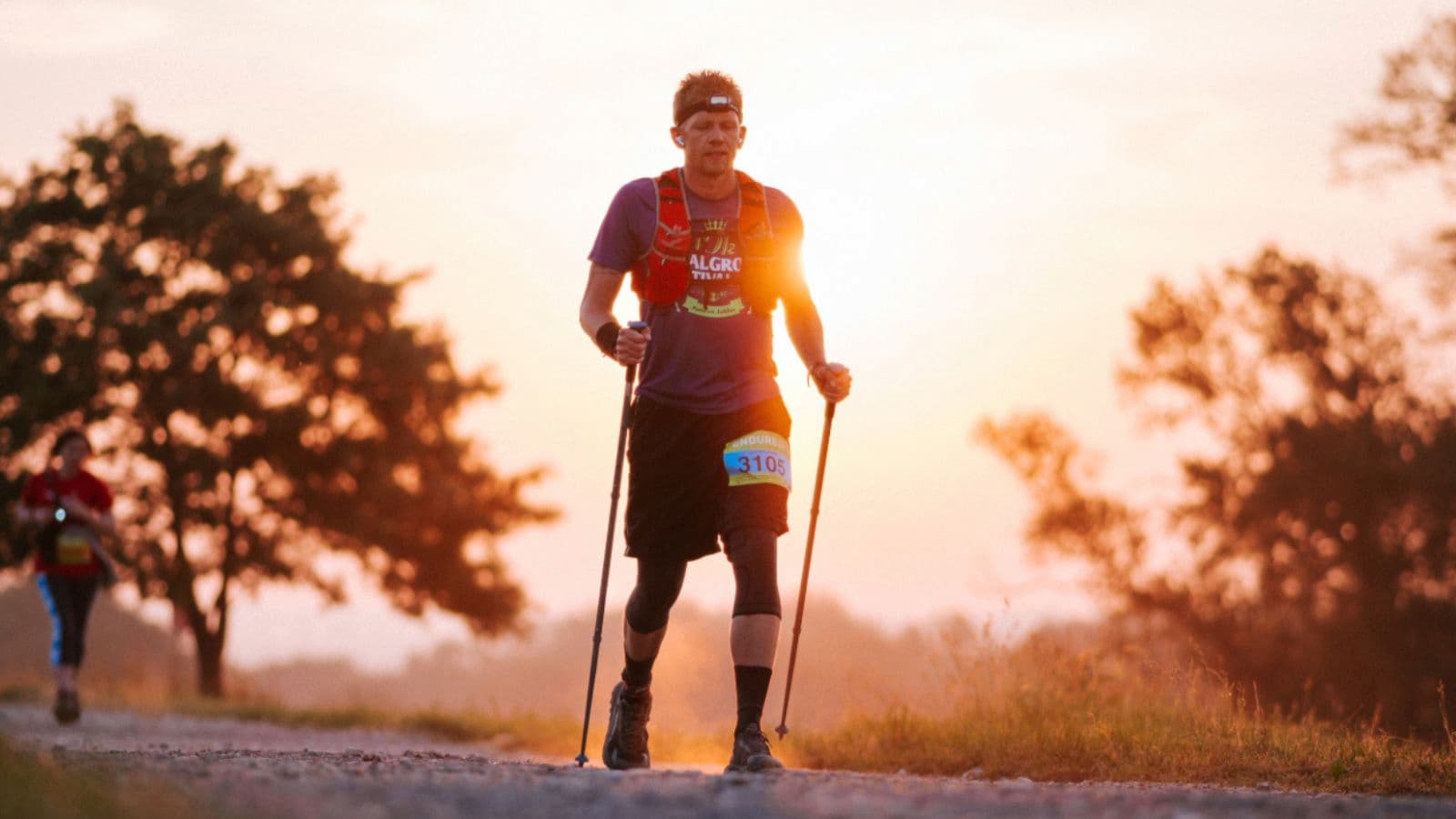
The most useful adjustment is therefore based on effort rather than forcing a predetermined pace. On very hot days, slowing down, shortening the run, changing the route, or moving the session to a cooler time can all be sensible training decisions.
In Short
- Expect your pace to slow in hot conditions.
- Run by effort rather than forcing normal pace.
- Heart rate may be higher than usual.
- Humidity can make cooling more difficult.
- Direct sun can increase heat stress.
- Longer runs require greater caution.
- Hydration needs may increase.
- Heat acclimation takes time.
- Hard workouts may need adjusting.
- Stop if symptoms of heat illness develop.
Why Does Running Feel Harder in Hot Weather?
Running generates heat inside your body.
Your body tries to remove that heat primarily through:
- Sweating.
- Evaporation.
- Increased blood flow to the skin.
When the environment is already hot, getting rid of excess heat becomes more difficult. Your cardiovascular system is therefore supporting both exercise and temperature regulation.
The result can be:
- Higher heart rate.
- Faster perceived effort.
- Increased sweating.
- Earlier fatigue.
- Slower sustainable pace.
This is why what causes a high heart rate on easy runs can become particularly relevant during summer training.
How Much Should You Slow Down?
There is no reliable percentage that applies to every runner and every hot day. Instead, adjust according to effort. For an easy run, you should still be able to maintain the intended easy effort even if your watch shows a slower pace. If your breathing becomes noticeably harder or your heart rate continues climbing, reduce your speed. A runner who normally completes easy miles at one pace may need to run considerably slower in hot and humid conditions. That does not mean fitness has suddenly disappeared.
Use Effort Instead of Chasing Pace
Hot weather is a good time to stop treating pace as the only measure of a successful run.
Use:
- Breathing.
- Heart rate.
- Perceived effort.
- Ability to speak.
- Physical symptoms.
An easy run should still feel easy. If maintaining your normal pace turns an easy session into a moderate or hard effort, the training stimulus has changed. Following easy run vs tempo vs interval what each does can help you preserve the intended purpose of each workout even when weather changes your pace.
Why Humidity Matters?
Temperature alone does not tell the whole story. Sweat cools you most effectively when it evaporates from the skin. High humidity reduces the rate of evaporation because the surrounding air already contains more moisture. You may therefore sweat heavily without cooling as effectively. Hot and humid conditions can make a run feel considerably harder than the temperature reading alone suggests.
Heart Rate May Rise in the Heat
Your heart rate can gradually rise during a hot run even when your pace stays constant or becomes slower.
This can happen as:
- Body temperature rises.
- Sweating continues.
- Fluid losses accumulate.
- Cardiovascular strain increases.
Do not respond by forcing your pace simply because the workout normally requires a certain speed. Heart rate is only one tool, but a rising heart rate combined with increasing perceived effort is a useful signal to reconsider intensity.
Adjust Easy Runs First
Easy runs are supposed to support aerobic development without creating excessive fatigue.
In hot weather:
- Slow your pace.
- Walk briefly if needed.
- Choose shaded routes.
- Reduce duration when appropriate.
- Ignore normal pace expectations.
The principles behind what is zone 2 running are particularly useful because easy aerobic training is defined more by intensity than by a specific running speed. Trying to protect your normal pace can turn an easy day into unnecessary hard training.
Should You Change Hard Workouts?
Sometimes. A demanding interval or tempo session in severe heat may produce much greater stress than the same workout in cooler conditions.
Possible adjustments include:
- Slower target pace.
- Longer recovery.
- Fewer repetitions.
- Shorter session.
- Moving indoors.
- Training at a cooler time.
Do not automatically cancel every hard workout because it is warm, but consider whether the conditions allow you to achieve the intended training purpose. Using how to structure interval training for runners can help you adjust workload without turning every session into a test of heat tolerance.
Run at Cooler Times
Changing when you run can reduce heat exposure without changing the entire training plan. Early morning is often cooler than the middle of the day. Depending on your location, evening may also offer better conditions.
Consider:
- Temperature.
- Humidity.
- Sun exposure.
- Route safety.
- Available shade.
Avoid assuming that the same time will always provide the coolest conditions.
Check the actual forecast.
Choose Your Route Carefully
Route choice can make hot weather running more manageable.
Look for:
- Shade.
- Tree cover.
- Water access.
- Shorter loops.
- Easy exit points.
- Places to refill fluids.
A loop close to home can be useful because you can stop early if conditions become uncomfortable. Trail runners should remember that exposed climbs can feel dramatically hotter than shaded woodland sections.
Hydration Becomes More Important
Sweat losses can increase substantially during hot weather.
Your hydration strategy should consider:
- Run duration.
- Sweat rate.
- Temperature.
- Humidity.
- Access to fluids.
For short easy runs, many runners may not need to carry fluid, while longer sessions can require more planning. Use hydration strategy for runners to develop an approach based on individual needs rather than automatically drinking a fixed amount.
Excessive drinking is not safer, so avoid forcing fluids beyond your needs.
Fuel Long Runs Properly
Heat can reduce appetite and make eating during long runs less appealing. That does not remove your need for energy.
For longer training sessions:
- Carry familiar fuel.
- Start fueling before severe fatigue.
- Use foods you tolerate in heat.
- Combine fueling with an appropriate hydration plan.
Practicing how to fuel for a trail run can be particularly useful before long summer trail sessions where access to supplies may be limited.
Give Yourself Time to Adapt
Repeated exposure to heat can produce adaptations that make exercise in hot conditions more manageable. However, this process is gradual. Do not suddenly perform your normal high volume or high intensity training during the first major heat wave of the year.
Initially:
- Reduce intensity.
- Keep sessions manageable.
- Monitor recovery.
- Increase exposure progressively.
Understanding how can heat training improve trail running performance in all conditions can help distinguish purposeful heat acclimation from simply pushing too hard in difficult weather.
Watch for Heat Illness
Do not treat severe symptoms as something you need to mentally overcome.
Warning signs can include:
- Dizziness.
- Headache.
- Nausea.
- Unusual weakness.
- Confusion.
- Loss of coordination.
- Feeling severely unwell.
Stop running and seek appropriate help when symptoms suggest significant heat illness. Confusion, collapse, or altered mental state can indicate a medical emergency and requires urgent action.
Recovery Matters After Hot Runs
A hot run may create more stress than its pace suggests.
Afterward:
- Cool down.
- Replace fluids appropriately.
- Eat normally.
- Change out of wet clothing.
- Prioritize rest.
Do not judge training stress only by distance and pace. If hot conditions repeatedly leave you unusually fatigued, how does poor sleep affect running performance can also help you assess whether recovery outside training is making heat harder to tolerate.
Common Mistakes
- Forcing normal cool weather pace.
- Ignoring humidity.
- Starting too fast.
- Running hard during the hottest part of the day.
- Waiting until severe thirst to think about hydration.
- Drinking excessive amounts without considering individual needs.
- Wearing unsuitable clothing.
- Ignoring worsening symptoms.
- Assuming slower pace means lost fitness.
Practical Tips
- Check temperature and humidity before running.
- Start slower than usual.
- Run by effort.
- Choose shaded routes.
- Carry fluid when appropriate.
- Wear lightweight clothing.
- Move hard workouts to cooler periods when possible.
- Allow time for heat adaptation.
- Stop if concerning symptoms develop.
Actionable Takeaways
- Expect to run slower in hot weather.
- Protect the purpose of the workout, not your usual pace.
- Adjust for humidity as well as temperature.
- Take heat illness symptoms seriously.
Following how to run longer distances without burning out can also help you control early effort so heat does not turn a manageable run into an unnecessarily difficult one.
FAQs
Yes. Slowing down helps keep effort appropriate when heat increases cardiovascular and thermal stress.
There is no universal amount. Adjust your pace according to temperature, humidity, effort, heart rate, and individual heat tolerance.
Your body uses additional resources to regulate temperature, making a familiar pace harder to sustain.
Yes. Heart rate can be higher at the same pace because of increased cardiovascular demand and rising body temperature
Yes. High humidity can reduce sweat evaporation, making it more difficult for your body to cool itself.
You can in some conditions, but pace, volume, recovery, or timing may need adjustment when heat is significant.
A cooler part of the day, often early morning or evening, can reduce heat exposure. Check local conditions before running.
Heat exposure can produce physiological adaptations, but training needs to be introduced progressively rather than through excessive heat stress.