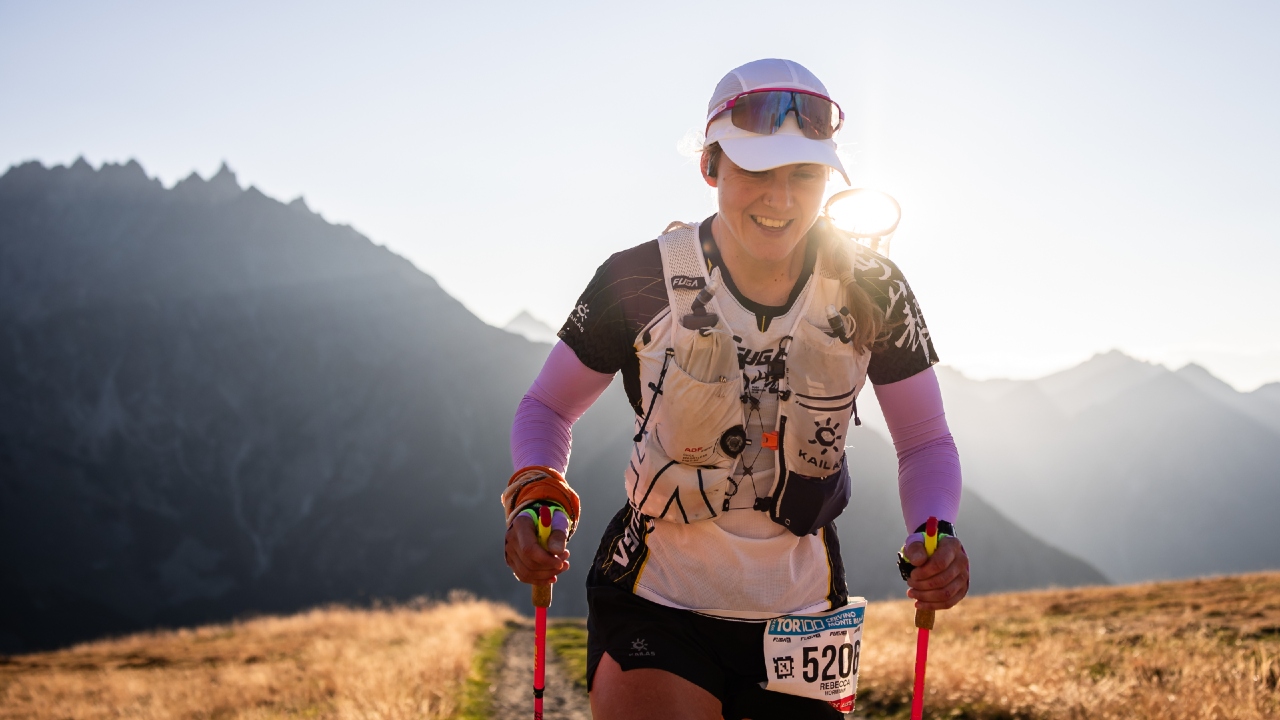
Trail runners can set meaningful goals beyond race results by focusing on consistency, endurance, technical skills, climbing ability, recovery, and enjoyment. Instead of measuring success only through finishing times or race positions, athletes can track improvements in how confidently, comfortably, and consistently they run across different terrain. Trail running presents challenges that make race times difficult to compare. A slower performance on a challenging course may represent greater physical progress than a faster result on easier terrain. Goals unrelated to competition can also provide motivation when racing is not possible. Injury recovery, family responsibilities, work commitments, or changing priorities may temporarily limit race participation without preventing meaningful progress.
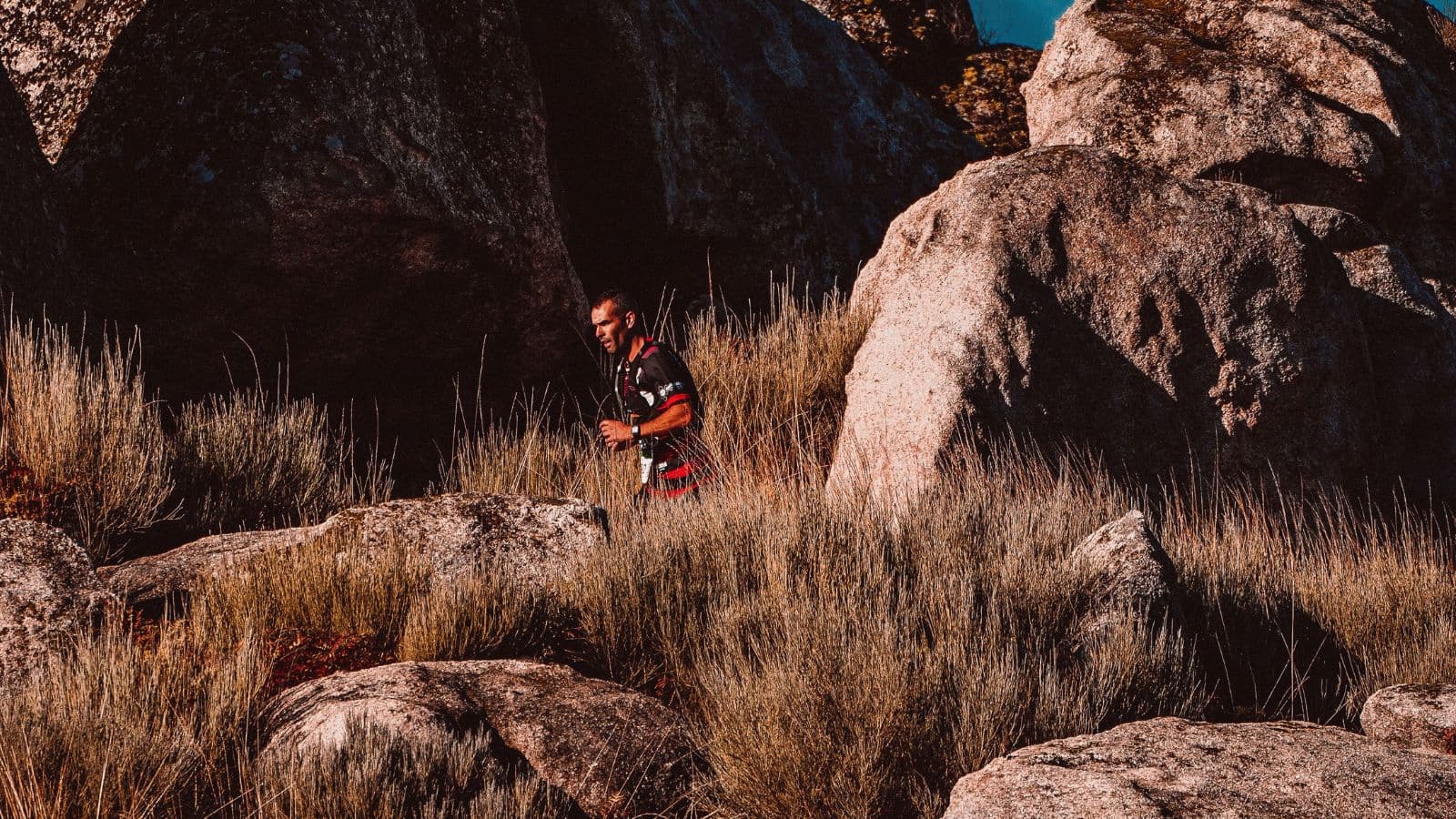
For beginners and experienced trail runners, choosing goals within their control can make training more sustainable. The most useful objectives are specific, realistic, and connected to personal development rather than comparisons with other athletes.
In Short
- Race results are not the only measure of progress.
- Consistency is a valuable training goal.
- Endurance can improve without racing.
- Climbing and descending skills are measurable.
- Confidence matters on technical terrain.
- Recovery habits support long-term development.
- Exploring new trails can maintain motivation.
- Personal goals should reflect individual circumstances.
Why Set Goals Beyond Race Results?
Race outcomes depend on factors that runners cannot completely control.
- Weather
- Terrain
- Competition
- Unexpected problems
can influence finishing positions and times. Training goals provide alternative ways to measure progress. Understanding why is consistency important in trail running training can help runners recognize why regular participation often matters more than individual race performances. A runner who trains consistently, improves descending confidence, and recovers well may be making meaningful progress even without achieving a personal record.
Build Greater Training Consistency
Consistency is one of the most practical goals for trail runners. Instead of targeting a particular race result, aim to complete a manageable number of sessions each week.
For example:
- Run three times weekly.
- Complete one longer trail session.
- Include one strength workout.
- Maintain regular recovery days.
Understanding why is consistency more important than intensity for running progress can help runners avoid relying on occasional demanding workouts. Choose a schedule that fits your available time rather than an unrealistic training target.
Improve Trail Running Endurance
Endurance goals focus on sustaining movement comfortably for longer periods.
Possible objectives include:
- Running continuously for an hour.
- Completing a longer trail route.
- Increasing time spent on hilly terrain.
- Maintaining comfortable effort during extended outings.
Understanding how can you run longer without feeling exhausted can help athletes build endurance through manageable progression. Measure improvement through duration, perceived effort, and recovery rather than distance alone.
Become a More Confident Climber
Climbing is a defining feature of many trail routes. Improving uphill ability does not always mean running every climb. Efficient hiking can be a valuable skill on steep terrain. Understanding should you run or walk steep hills in trail running can help runners decide when walking is more effective. A useful goal might be completing a familiar climb at a steadier effort or recovering more quickly afterward.
Develop Better Downhill Control
Descending requires coordination, balance, and confidence. Rather than focusing only on downhill speed, prioritize controlled movement.
Practice:
- Looking ahead along the trail.
- Taking comfortable steps.
- Maintaining balance.
- Adjusting speed to the terrain.
- Avoiding unnecessary braking.
Understanding how can trail runners run downhill faster without losing control can help athletes develop more effective descending skills.
Progress gradually on familiar, manageable terrain.
Improve Balance and Technical Skills
Technical trails challenge coordination and foot placement. A useful goal is to become more comfortable on uneven ground without increasing speed unnecessarily. Understanding how can you improve stability while trail running can help runners identify suitable balance exercises. Progress might involve navigating a familiar rocky section with fewer stops or maintaining better control over uneven surfaces.
Make Recovery a Training Goal
Recovery deserves attention alongside mileage and intensity. Runners can set goals around sleep, rest days, and managing training fatigue. Understanding how to recover faster after a trail run can help athletes establish practical recovery habits.
Examples include:
- Maintaining a regular sleep schedule.
- Taking planned recovery days.
- Eating after demanding sessions.
- Reducing training when fatigue accumulates.
- Avoiding sudden increases in workload.
Recovery goals support consistent training rather than simply increasing workout volume.
Explore New Trails and Environments
Trail running can also provide opportunities for exploration. A goal might involve visiting a new trail each month or learning to navigate unfamiliar routes. These objectives can encourage enjoyment without creating performance pressure. Choose routes appropriate for your experience and prepare for changing weather and terrain. Exploration should never require entering hazardous or unfamiliar environments without suitable preparation.
Build Mental Confidence
Confidence develops through experience and manageable challenges. Trail runners may set goals such as completing a difficult climb, returning to a familiar route after a setback, or remaining calm during challenging sections. Understanding why do you mentally want to quit during a long run can help runners recognize how fatigue and expectations influence motivation. Mental confidence should support sound decisions, not encourage ignoring injury symptoms or dangerous conditions.
Set Goals That Fit Your Lifestyle
Not every runner can train for a major event. Work, family, and other responsibilities influence available training time. Understanding how should you adjust running training when time is limited can help athletes create realistic goals. A consistent weekly routine may be more meaningful than a demanding race schedule that creates unnecessary stress.
How to Measure Progress Without Racing?
Use measurable goals that reflect your own development.
| Goal area | Example objective | Progress measure |
|---|---|---|
| Consistency | Run three times weekly | Sessions completed |
| Endurance | Complete a two-hour trail outing | Duration and effort |
| Climbing | Improve uphill efficiency | Effort on familiar climbs |
| Descending | Improve technical confidence | Control and comfort |
| Recovery | Maintain regular rest days | Fatigue and readiness |
| Exploration | Visit new trails | Routes completed |
| Strength | Train twice weekly | Consistency and exercise progression |
Review progress monthly rather than judging every individual workout.
How to Choose the Right Trail Running Goal?
Start by identifying what matters most to you. A beginner may prioritize consistency and confidence, while an experienced runner may focus on climbing efficiency or longer adventures. Choose one or two primary goals rather than attempting to improve everything simultaneously. Understanding how do you choose the right trail race schedule can help athletes decide whether competition supports their current priorities. A goal should remain flexible when fitness, recovery, or personal circumstances change.
Common Mistakes
- Measuring progress only through race times.
- Comparing unrelated trail routes.
- Setting too many goals simultaneously.
- Choosing unrealistic mileage targets.
- Ignoring recovery.
- Focusing on speed before technical control.
- Treating every outing as a performance test.
- Comparing personal progress with other runners.
Practical Tips
- Choose goals within your control.
- Track weekly consistency.
- Measure effort alongside pace.
- Practice climbing and descending.
- Record improvements in confidence.
- Include recovery objectives.
- Explore suitable new routes.
- Review goals regularly.
- Celebrate gradual improvements.
Actionable Takeaways
- Set goals beyond finishing times.
- Prioritize consistency and endurance.
- Develop technical trail skills.
- Track recovery and confidence.
- Choose objectives that make running enjoyable.
FAQs
Useful goals include running consistently, building endurance, improving balance, and becoming comfortable on different trail surfaces.
Yes. Endurance, climbing ability, technique, and consistency can improve through regular training without competition.
Track workout consistency, duration, elevation gain, perceived effort, recovery, and confidence on familiar terrain.
Neither is universally better. The right goal depends on your interests, experience, and available training time.
Weekly goals can help establish consistent habits, provided they remain realistic and allow adequate recovery.
Yes. Exploring suitable new routes can improve motivation and provide varied running experiences.
Gradual exposure to manageable terrain, regular practice, and learning technical skills can help develop confidence.
Yes. Sleep, rest, and fatigue management support training consistency and long-term progress.