
Treadmill workouts can improve running performance by helping runners develop endurance, speed, aerobic fitness, and the ability to maintain a consistent pace. Effective sessions include easy aerobic runs, tempo workouts, speed intervals, incline training, and progressive runs. Each targets different aspects of running fitness and can support preparation for road races, trail events, and general endurance goals. One advantage of treadmill running is the ability to control speed and incline precisely. Unlike outdoor running, where terrain, traffic, and weather can interrupt training, treadmills provide a relatively predictable environment for structured workouts. However, treadmill training should not involve running hard during every session. Easy running remains essential for aerobic development and recovery, while demanding workouts should be introduced according to experience and fitness.
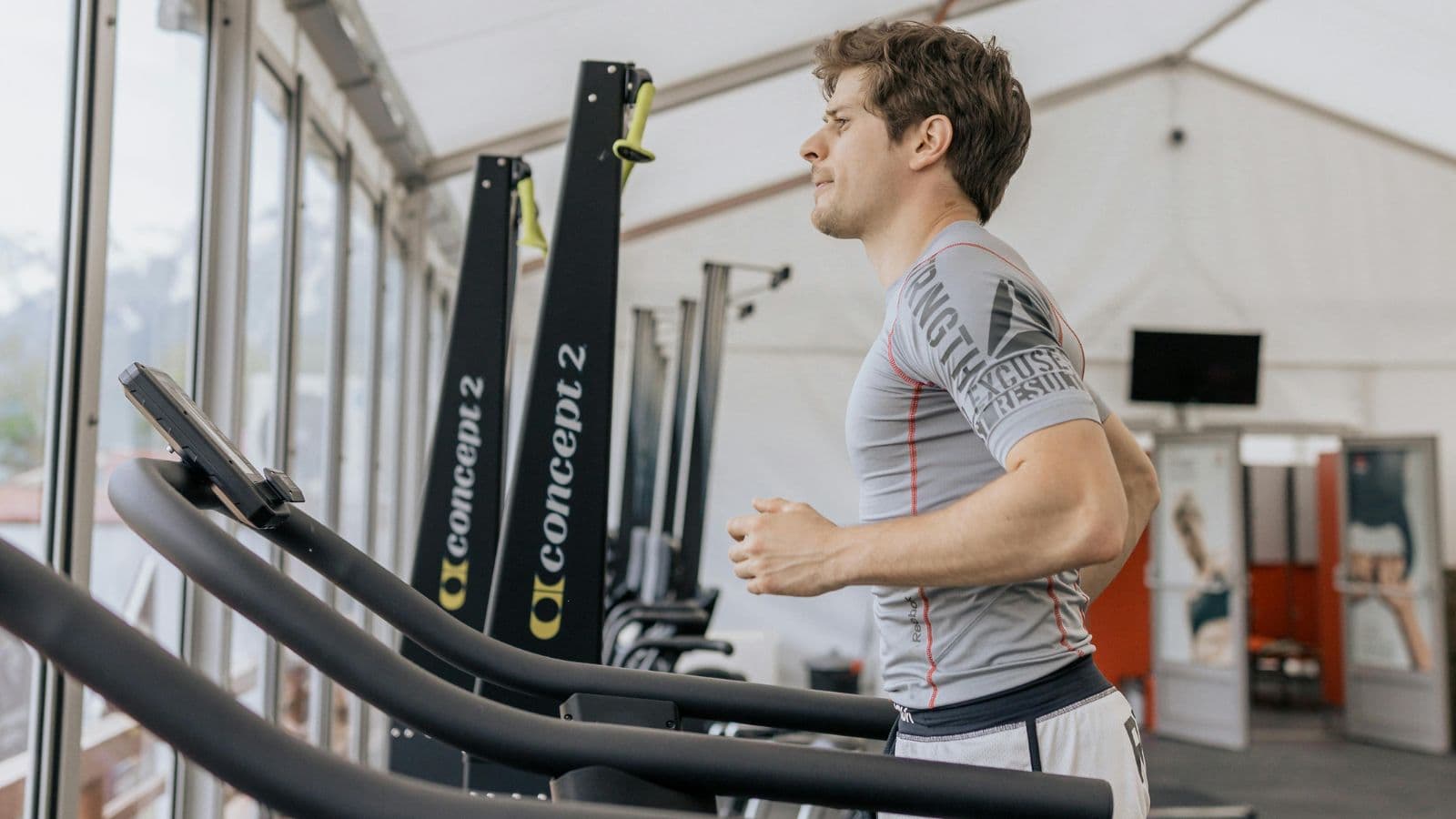
For beginners and experienced athletes, the most effective treadmill routine combines different workout intensities with sufficient recovery. Choosing sessions that match your goals helps improve performance without creating unnecessary fatigue.
In Short
- Easy treadmill runs build aerobic endurance.
- Intervals develop speed and cardiovascular fitness.
- Tempo sessions improve sustained running performance.
- Incline workouts strengthen uphill running ability.
- Progressive runs develop pacing control.
- Long treadmill runs support endurance.
- Recovery sessions should remain comfortable.
- Workout intensity should match your experience.
- Treadmill training works best alongside outdoor running.
Why Are Treadmill Workouts Effective?
Treadmills allow runners to control:
- Training speed
- Duration
- Incline
This makes it easier to repeat workouts and monitor progress. They are particularly useful when outdoor conditions are unsuitable or when precise pacing is important. Understanding how to build an aerobic base for running can help runners recognize why consistent, manageable training remains essential regardless of the running surface. Treadmill workouts can improve fitness, but outdoor practice is still valuable for adapting to changing terrain, wind, and race conditions.
Easy Treadmill Runs for Aerobic Endurance
Easy running should form a substantial portion of most training plans. These workouts help develop aerobic fitness without the fatigue associated with frequent high intensity exercise.
Example easy treadmill workout
- Warm up with five minutes of comfortable walking or jogging.
- Run for 25 to 40 minutes at a conversational effort.
- Cool down with five minutes of easy movement.
The pace should allow comfortable breathing and conversation. Understanding what is zone 2 running can help runners identify the purpose of lower intensity aerobic sessions. Beginners can shorten the running duration or alternate jogging and walking.
Interval Workouts for Running Speed
Interval training alternates faster running with easier recovery periods. These sessions can improve speed, aerobic power, and tolerance for challenging efforts. Understanding how to structure interval training for runners can help athletes select suitable interval durations and recovery periods.
Example treadmill interval workout
- Warm up for 10 minutes.
- Run six repetitions of two minutes at a challenging pace.
- Jog or walk easily for two minutes between repetitions.
- Cool down for 10 minutes.
The faster intervals should feel controlled rather than like maximum sprints. Reduce the number of repetitions if you are new to structured speed training.
Tempo Workouts for Sustained Pace
Tempo running develops the ability to maintain a moderately hard effort over an extended period. It is particularly useful for runners preparing for longer road races. Understanding what is lactate threshold in running can help explain why controlled, sustained efforts are valuable.
Example treadmill tempo workout
- Warm up for 10 to 15 minutes.
- Run for 15 to 20 minutes at a comfortably hard effort.
- Cool down for 10 minutes.
You should be able to maintain the effort without sprinting or repeatedly adjusting the speed. Beginners can divide the tempo section into shorter blocks with easy recovery.
Incline Workouts for Hill Strength
Incline running increases the demands on the cardiovascular system and lower body muscles. It can help prepare runners for uphill terrain while allowing consistent control over gradient. Understanding how does hill running improve fitness strength and endurance can help runners recognize the benefits of climbing workouts.
Example incline treadmill workout
- Warm up for 10 minutes.
- Set the incline to approximately 3 to 5 percent.
- Run uphill for two minutes.
- Return to a low incline for three minutes of easy running.
- Repeat four to six times.
- Cool down for 10 minutes.
Reduce speed as the incline increases. Avoid steep gradients that force awkward running mechanics or excessive fatigue.
Progressive Treadmill Runs for Pacing
Progressive runs begin comfortably and gradually become faster. They help runners practice increasing effort without starting too aggressively. Understanding how to improve running pace can help athletes develop realistic speed progression strategies.
Example progressive workout
| Running period | Effort |
|---|---|
| First 10 minutes | Easy |
| Next 10 minutes | Comfortable |
| Next 10 minutes | Moderate |
| Final 5 minutes | Controlled, moderately hard |
| Cooldown | Easy |
Increase speed gradually rather than making sudden changes.
The final section should remain manageable.
Long Treadmill Runs for Endurance
Long runs develop endurance and prepare runners for sustained exercise. A treadmill can be useful when outdoor weather makes extended running impractical. Understanding how to run longer distances without burning out can help athletes increase duration without excessive fatigue. Start with a duration appropriate for your current fitness and increase gradually. During longer sessions, practice hydration and fueling when needed. Avoid using the treadmill display as a reason to chase unnecessary mileage.
Recovery Treadmill Workouts
Recovery runs should feel noticeably easier than demanding training sessions. Their purpose is to maintain comfortable movement without adding substantial fatigue. A simple recovery session may involve 20 to 30 minutes of easy jogging or walking. Understanding can easy running improve race performance can help runners recognize the value of lower intensity training. If soreness or fatigue is significant, rest may be more appropriate.
How to Adjust Treadmill Speed and Incline?
Treadmill settings should reflect workout goals and individual fitness.
| Workout | Speed | Incline |
|---|---|---|
| Easy run | Conversational | Flat or gentle |
| Intervals | Challenging | Usually low |
| Tempo | Comfortably hard | Low or moderate |
| Hill workout | Adjusted for gradient | Moderate |
| Long run | Sustainable | Comfortable |
| Recovery | Very easy | Flat or gentle |
A 1 percent incline is sometimes used to approximate aspects of outdoor running, but it is not necessary for every workout and does not perfectly reproduce outdoor conditions. Use perceived effort alongside treadmill speed.
How Often Should You Do Treadmill Workouts?
Frequency depends on training experience, running goals, and available recovery. Many recreational runners can benefit from one structured treadmill workout alongside easier running sessions. Understanding how to build a weekly running plan beginner to advanced can help athletes balance speed, endurance, and recovery. Avoid scheduling multiple demanding sessions on consecutive days unless your training plan and experience support that workload.
Example Weekly Treadmill Training Plan
| Day | Workout |
|---|---|
| Monday | Rest or mobility |
| Tuesday | Treadmill intervals |
| Wednesday | Easy run |
| Thursday | Rest or strength training |
| Friday | Tempo treadmill workout |
| Saturday | Easy running or rest |
| Sunday | Long comfortable run |
This is an example rather than a universal schedule. Beginners may need fewer demanding workouts and additional recovery. Understanding how to avoid running injuries as mileage increases can help runners manage training progression more carefully.
Common Mistakes
- Running every treadmill session too fast.
- Increasing speed without warming up.
- Using excessive incline.
- Holding the handrails while running.
- Ignoring fatigue.
- Increasing workout duration too quickly.
- Skipping cooldowns.
- Comparing treadmill pace directly with every outdoor run.
- Neglecting outdoor running skills.
Practical Tips
- Warm up before demanding workouts.
- Use speed settings that match your fitness.
- Increase incline gradually.
- Keep easy runs comfortable.
- Avoid holding the handrails.
- Practice controlled pacing.
- Include adequate recovery.
- Use a fan for longer indoor sessions.
- Stay hydrated according to your needs.
- Combine treadmill and outdoor training.
Actionable Takeaways
- Use intervals to develop speed.
- Include tempo runs for sustained effort.
- Practice inclines for hill fitness.
- Build endurance with easy and long runs.
- Balance challenging workouts with recovery.
FAQs
Yes. Treadmill workouts can improve aerobic fitness, speed, and endurance, although outdoor running remains useful for adapting to real terrain and conditions.
Structured intervals are useful for developing speed when performed at an appropriate intensity with adequate recovery.
Yes. Incline sessions can develop uphill running fitness and muscular endurance.
Beginners can start with manageable sessions of approximately 15 to 30 minutes, including walking breaks when necessary.
No. Flat or gently inclined running is appropriate for many sessions, while steeper inclines can be reserved for specific workouts.
Yes. Treadmill running can support marathon preparation, although outdoor sessions help athletes practice race conditions and pacing.
It can feel easier or harder depending on speed, incline, temperature, ventilation, and individual preference.
The appropriate number depends on your training schedule. Some runners use treadmills occasionally, while others complete most sessions indoors.