

Yes, max cushioned running shoes can affect running form, but the changes are not automatically good or bad. A thicker midsole changes the interface between your foot and the ground, which can influence stability, ground feel, stride mechanics, and how forces are distributed through the legs. Max cushioned shoes typically use a large amount of midsole foam to provide a softer or more protective ride. Some also use rocker-shaped soles, wide platforms, high stack heights, or relatively stiff midsoles. However, footwear is only one factor affecting running form. Speed, fatigue, terrain, strength, previous injuries, individual anatomy, and running experience also influence how you move.
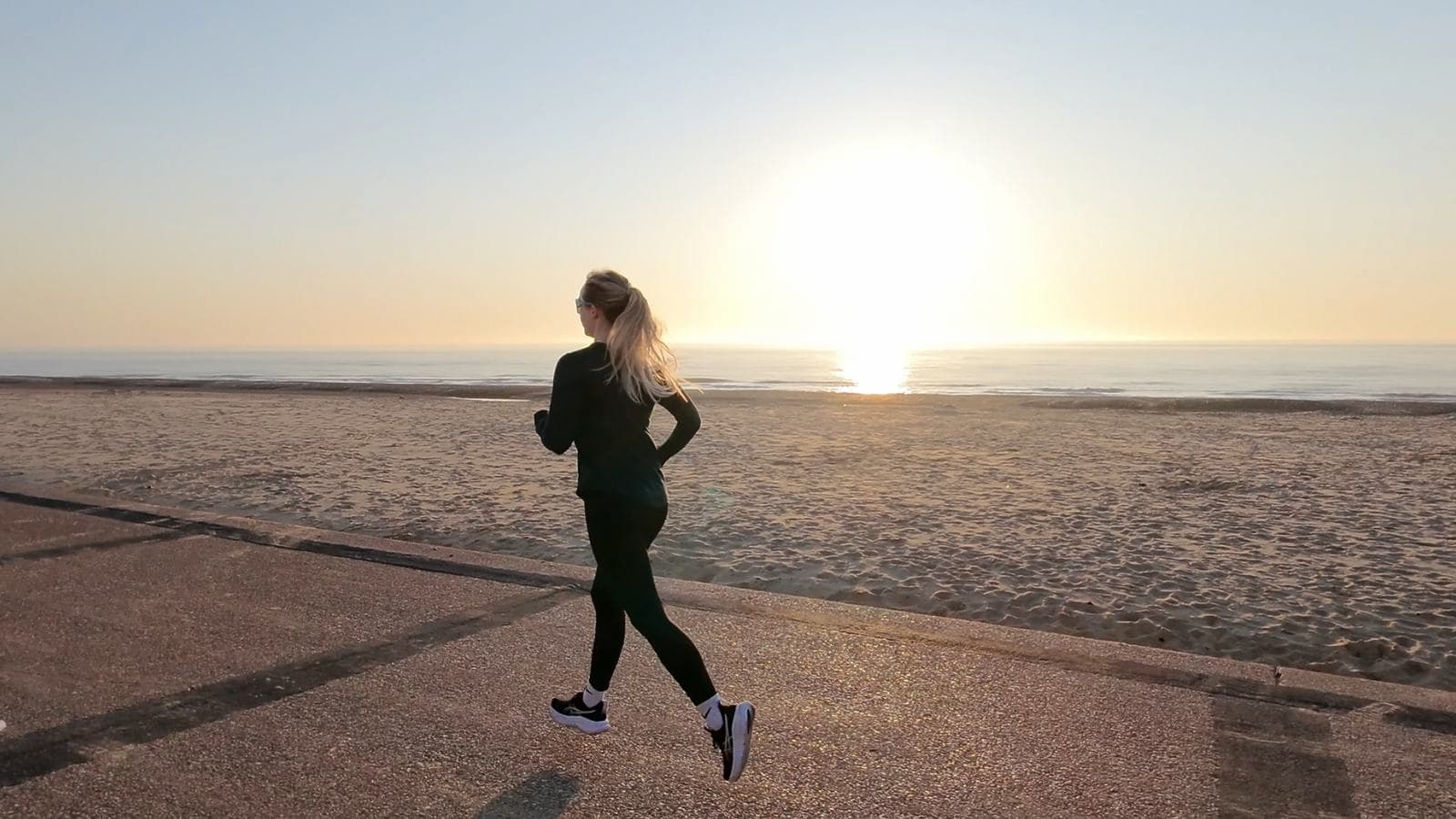
The best approach is not to assume that more cushioning automatically produces better running mechanics. Look at how comfortably and consistently you run in the shoe.
In Short
- A wider platform may improve stability.
- Soft cushioning can change how runners manage impact.
- Rocker geometry can influence the transition from landing to toe-off.
- Shoe design may cause small changes in stride or cadence.
- More cushioning does not automatically prevent injuries.
- Different runners respond differently to the same shoe.
- Max cushioned shoes can work well for easy and long runs.
- Comfort, fit, stability, and intended use should guide shoe choice.
What Are Max Cushioned Running Shoes?
Max cushioned running shoes use a relatively large amount of material between the foot and the ground. They usually have a high stack height and substantial midsole cushioning. However, not every max cushioned shoe feels extremely soft.
- Foam properties
- Shoe width
- Heel-to-toe drop
- Rocker geometry
- Stiffness
- Outsole construction
all affect how the shoe behaves. This means two shoes with similarly thick midsoles can produce very different running experiences. Max cushioning describes a general shoe category, not one specific type of running mechanics.
How Cushioning Can Change Your Running Form
Running form describes the way your body moves while running.
It includes:
- Posture.
- Cadence.
- Stride length.
- Foot placement.
- Ground contact.
- Hip and knee movement.
- Arm movement.
- Overall coordination.
Shoes can influence some of these variables, but they do not completely determine them. The principles in how to improve your running form without overthinking it are useful here because runners generally do not need to consciously control every movement after switching to a more cushioned shoe.
High Stack Height Changes Ground Feel
One of the most noticeable characteristics of max cushioned shoes is the distance between your foot and the ground. A higher stack can reduce how clearly you feel the surface beneath you. On smooth roads, this may not create a problem. On uneven terrain:
- Sharp corners
- Technical trails
some runners may prefer greater ground feedback. Stack height alone does not determine stability. This is especially relevant when considering how can you improve stability while trail running, because footwear is only one part of controlling movement over uneven ground.
Soft Cushioning Can Change How You Land
A softer shoe changes how the foot experiences ground contact. Some runners may feel comfortable enough to run more naturally, while others may make small adjustments to leg stiffness, foot placement, or stride. These responses are individual. Do not assume that soft cushioning automatically causes a runner to land harder because the impact feels less noticeable. Likewise, do not assume that cushioning removes damaging forces from running entirely. The body and shoe work together to manage load. Running technique should therefore be assessed as a complete movement pattern rather than judged solely by how soft the shoe feels.
Does Max Cushioning Change Foot Strike?
It can, but not necessarily. Some runners may alter where the foot initially contacts the ground when they change shoe geometry, while others maintain essentially the same foot-strike pattern.
- Heel
- Midfoot
- Forefoot striking
are all seen among runners using cushioned shoes. The same caution applies to what is barefoot running and how do i start safely. Moving between very different footwear styles changes the demands placed on the foot and lower leg, so transitions should be progressive rather than abrupt.
Max Cushioned Shoes Can Affect Cadence and Stride
Shoes can influence how quickly and comfortably your legs turn over.
- Weight
- Foam response
- Rocker geometry
- Stiffness
- Overall fit
may produce small changes in cadence or stride length. Cadence naturally varies according to:
- Pace
- Terrain
- Fatigue
- Height
- Individual running mechanics
Avoid forcing a specific cadence simply because you changed shoes. Although how does increasing running cadence help prevent knee injuries explains why cadence adjustments may sometimes change loading patterns, there is no universal cadence target that every runner should achieve.
Rocker Geometry Can Affect Toe Off
Many max cushioned shoes use a curved or rocker shaped sole. This geometry can help the shoe roll forward as you move through stance and toward toe-off. The effect depends on where the rocker is positioned, how stiff the shoe is, and how your individual gait interacts with it. Some runners find rocker shoes smooth and efficient. Others may prefer a more flexible or traditional feeling. This is another reason stack height alone tells you relatively little about how a max cushioned shoe will affect running form. The complete shoe geometry matters.
Do Max Cushioned Shoes Reduce Impact?
Cushioning can change how impact is absorbed and how forces are distributed, but the relationship is not as simple as “more foam equals less stress on the body.” Runners naturally adapt their movement to different surfaces and footwear. Changing shoes may alter where and how loading occurs rather than simply removing it. This matters when thinking about injury prevention. Following how to avoid running injuries as mileage increases remains important regardless of how much cushioning your shoes provide.
A highly cushioned shoe cannot compensate for a training load that exceeds your current capacity.
Can Max Cushioned Shoes Prevent Running Injuries?
No shoe can guarantee injury prevention. Running injuries usually result from multiple interacting factors, including:
- Training load
- Recovery
- Previous injury
- Strength
- Terrain
- Footwear
- Individual biomechanics
A comfortable max cushioned shoe may help some runners tolerate training well. Another runner may find the same model unstable or uncomfortable. This is why what training habits increase injury risk in runners provides a more complete way to think about injury risk than focusing on cushioning alone. Shoes matter, but training decisions matter too.
Are Max Cushioned Shoes Better for Long Runs?
They can be particularly useful for long runs because many runners value the comfort and protection provided by substantial cushioning. As distance increases, muscular fatigue and repeated loading accumulate. A comfortable shoe may make those miles feel more manageable. However, cushioning does not replace appropriate endurance training. Developing how to run longer distances without burning out still depends on controlled pacing, gradual mileage progression, aerobic fitness, fueling, and recovery. Choose long run shoes that remain comfortable and stable as fatigue develops.
Are Max Cushioned Shoes Good for Easy Runs?
Max cushioned shoes are commonly suited to easy running. Comfortable cushioning can work well when the purpose of the session is controlled aerobic training rather than maximum speed. That does not mean every easy run requires a highly cushioned shoe. Some runners prefer lighter or firmer footwear. The training principles in can easy running improve race performance matter more than the amount of foam under your feet. Easy running works because of the intensity and training stimulus, not because of a particular shoe category.
Use footwear that allows you to complete the intended session comfortably.
Can Heavy Cushioning Make Running Less Stable?
Potentially. A thick midsole raises the foot farther from the ground, which can affect stability. But shoe designers can counter this with:
- Wider platforms
- Sidewalls
- Firmer foam sections
- Other structural features
The result varies considerably between models. Stability also varies between runners. A shoe that feels secure to one person can feel awkward to another because:
- Foot shape
- Ankle movement
- Body size
- Speed
- Running style differ
Test stability during normal running rather than judging it from stack height alone.
Do Max Cushioned Shoes Make You Run Slower?
Not necessarily. A heavier shoe may feel less responsive during faster running, but modern max cushioned shoes vary significantly in weight and midsole performance. Some are designed primarily for easy mileage. Others combine high stack heights with responsive foams and geometry intended for faster running. Your pace is ultimately determined by much more than shoe weight. Training aimed at how to increase running speed without overtraining should focus on appropriate faster sessions, aerobic development, recovery, and consistent progression rather than expecting footwear alone to create speed.
Should You Rotate Max Cushioned Shoes With Other Shoes?
You can, but it is not essential for every runner. Some runners like using max cushioned shoes for easy and long runs while choosing lighter or more responsive shoes for intervals and races. Others comfortably complete most training in one shoe type. A rotation can provide different running sensations and allow you to select footwear according to the workout. The most important requirement is that each shoe fits correctly and does not create persistent discomfort. Do not introduce several unfamiliar models simultaneously if you are already making major changes to training.
Allow Time to Adapt to High Stack Shoes
Switching from a low profile shoe to a high stack max cushioned model can feel unusual at first. Start with shorter, easier runs.
This allows you to assess:
- Heel security.
- Forefoot space.
- Stability.
- Arch comfort.
- Calf response.
- Overall ride.
- Comfort as the run progresses.
If everything feels normal, gradually use the shoes for longer sessions. This follows the same principle as how can runners prevent injuries when starting a workout routine: introduce new physical demands progressively rather than changing everything at once.
Common Mistakes
- Assuming more cushioning automatically prevents injuries.
- Choosing shoes based only on stack height.
- Ignoring stability and fit.
- Forcing a new foot strike after changing shoes.
- Using footwear to compensate for excessive training load.
- Ignoring discomfort because a shoe is highly cushioned.
- Expecting shoes alone to improve running form.
Practical Tips
- Prioritize comfort and fit.
- Check stability while actually running.
- Introduce unfamiliar high-stack shoes gradually.
- Avoid deliberately changing your foot strike.
- Use shoes that match the intended workout.
- Pay attention to how the shoes feel when fatigued.
- Consider the complete shoe geometry, not cushioning alone.
- Increase mileage gradually regardless of shoe type.
- Stop using a shoe if it repeatedly causes significant discomfort.
Actionable Takeaways
Max cushioned running shoes can affect running form because they change the physical interface between your foot and the ground. High stack height, cushioning softness, rocker geometry, shoe stiffness, width, and weight can influence ground feel, stability, stride mechanics, and the transition through each step. The effects vary between runners.
More cushioning does not automatically produce better running form, reduce injury risk, or make running more efficient. Choose max cushioned shoes according to fit, comfort, stability, and the type of running you plan to do. If you are moving from substantially different footwear, introduce the new shoes progressively and judge them by how well you run in them rather than how much cushioning they contain.
FAQs
They can. High stack, foam softness, stiffness, and rocker geometry may influence how a runner moves.
They may change foot strike in some runners, but many runners maintain their usual landing pattern.
Not automatically. Shoes can change loading, but knee health depends on many factors beyond cushioning.
No. No running shoe can guarantee injury prevention.
Yes, many runners find them comfortable for long runs because of their substantial cushioning.
Yes. They are commonly used for comfortable, lower-intensity daily and recovery running.
Some can feel less stable because of their height, although wider platforms and supportive geometry can improve stability.
Not necessarily. Their effect on speed depends on shoe weight, foam, geometry, the workout, and the individual runner.