


Fueling and hydration are some of the biggest factors that determine success in an ultramarathon. Fitness alone is not enough for races that last several hours or even an entire day. Without a proper nutrition and hydration strategy, energy levels drop, dehydration builds, and performance declines quickly. In many ultramarathons, runners are forced to slow down or stop not because of fitness, but because they can no longer fuel effectively.
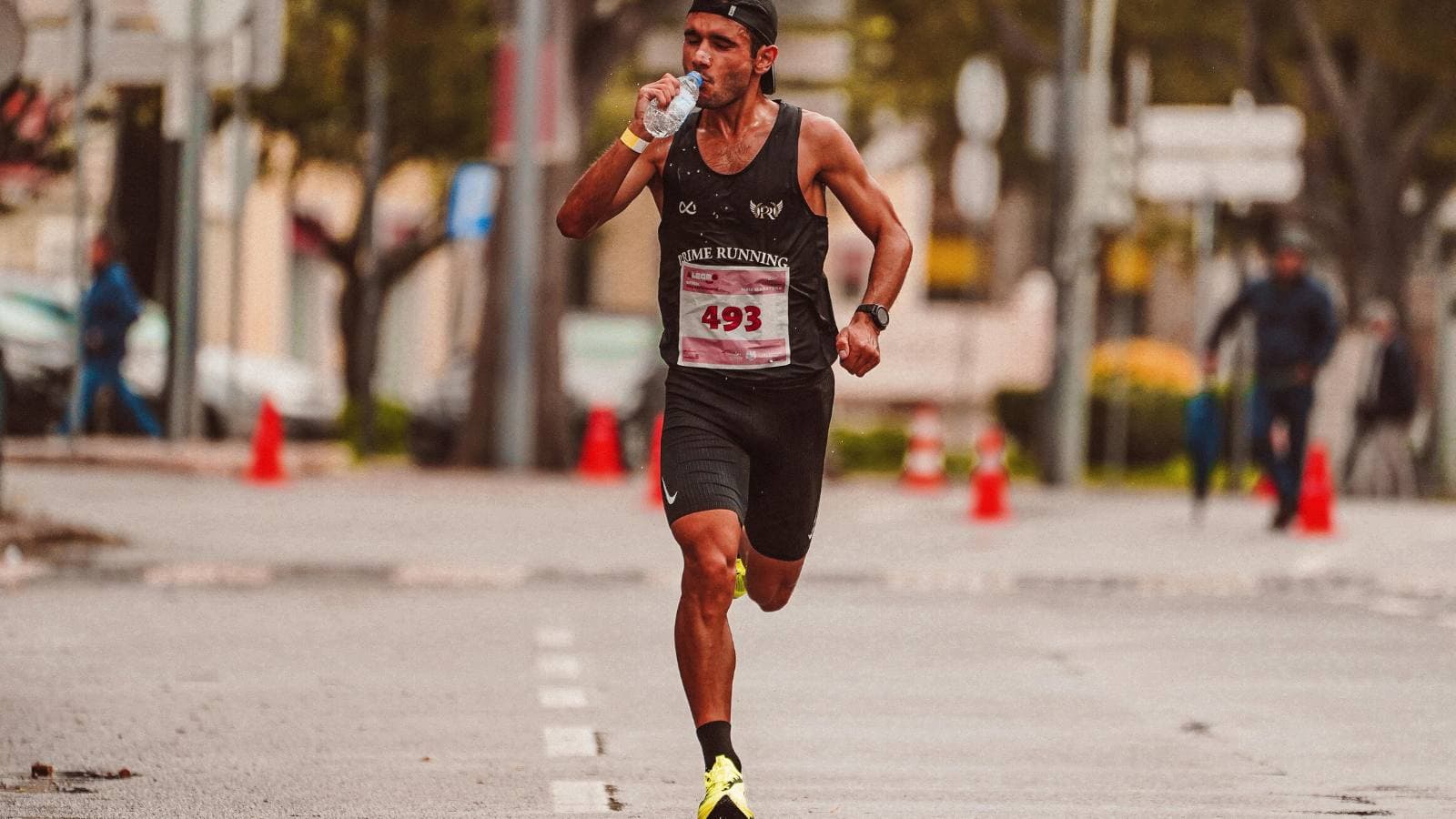
Why Fueling Matters More in Ultramarathons?
Unlike shorter races, ultramarathons push the body far beyond its stored glycogen capacity. Your muscles can only store a limited amount of carbohydrate, which means you must replace energy continuously during the race.
Without proper fueling, runners experience:
- Energy crashes
- Muscle fatigue
- Reduced concentration
- Slower pace and recovery
Long races require a steady supply of carbohydrates to maintain performance over time. This becomes especially important during high-volume training phases, similar to strategies discussed in carbs per hour should you take on a long run, where consistent energy intake supports endurance performance.
How Many Carbs You Need During an Ultramarathon?
Most ultrarunners aim for around:
- 40 to 60g carbohydrates per hour for moderate efforts
- 60 to 90g per hour for longer or more intense races
- The exact amount depends on pace, duration, intensity, and gut tolerance. Some experienced athletes can tolerate even higher intake levels, but this requires practice.
The key is consistency rather than consuming large amounts all at once.
Why Hydration Is Equally Important?
Hydration affects performance, temperature regulation, and digestion. Even mild dehydration can increase fatigue and make fueling more difficult.
During long races, fluid losses vary depending on:
- Weather conditions
- Sweat rate
- Pace
- Terrain
Drinking too little increases dehydration risk, while drinking excessively can dilute sodium levels and create other problems. The goal is balanced hydration rather than simply drinking as much as possible.
Practice Fueling During Training
One of the biggest ultramarathon mistakes is trying a fueling strategy for the first time on race day. Your gut needs to adapt to processing carbohydrates while running for long periods.
Training runs should be used to:
- Test carb intake
- Practice hydration timing
- Experiment with different foods and drinks
This gradual adaptation process is similar to structured endurance development in balancing recovery, training, mobility strategy, where consistency improves long-term performance.
Use a Mix of Fuel Sources
Ultramarathons are often too long to rely only on gels. Many runners combine:
- Sports drinks
- Energy gels
- Chews
- Bananas
- Rice cakes
- Energy bars
Using a variety of fuel sources helps reduce flavor fatigue and makes it easier to maintain intake over many hours.
Eat Small Amounts Frequently
Large amounts of food at once can overwhelm digestion during running. Instead, aim for smaller portions every 15–30 minutes.
Frequent fueling helps maintain stable energy levels and reduces the risk of stomach discomfort.
Electrolytes Matter During Long Races
Sweat contains sodium and other electrolytes that must be replaced during long events.
Electrolyte loss increases with:
- Heat
- Humidity
- Long duration
- Heavy sweating
Replacing sodium helps maintain fluid balance and reduces the risk of cramping or hyponatremia.
Adjust Your Strategy Based on Conditions
Fueling and hydration needs change depending on race conditions.
Hot weather generally requires:
- More fluids
- More electrolytes
- Closer hydration monitoring
Cold weather may reduce thirst, but hydration still remains important. Learning to adapt is critical for ultramarathon success.
Avoid Starting Too Fast
Pacing and fueling are closely connected. Running too hard early increases carbohydrate usage and makes fueling more difficult later.
Controlled pacing allows your digestive system to function more effectively and helps conserve energy. This relationship between pacing and endurance is also highlighted in hydration strategy for runners, where energy management directly affects performance.
Train Your Gut for Higher Carb Intake
Many runners struggle with stomach issues because they are not used to consuming enough carbohydrates while exercising.
Gradually increasing carb intake during training helps your digestive system adapt over time. This reduces the likelihood of nausea, bloating, or cramping during races.

Monitor Early Signs of Trouble
Hydration and fueling problems often develop gradually.
Warning signs include:
- Dizziness
- Nausea
- Loss of appetite
- Excessive fatigue
- Cramping
Addressing these issues early helps prevent larger problems later in the race.
Recovery Starts During the Race
Proper fueling during an ultramarathon not only supports performance but also improves recovery afterward. Maintaining carbohydrate and fluid intake reduces overall stress on the body and helps recovery begin immediately.
Avoid Common Fueling Mistakes
- Waiting until hungry to eat
- Ignoring hydration early in the race
- Trying unfamiliar foods
- Overdrinking water without electrolytes
- Taking in too many carbs too quickly
Avoiding these mistakes significantly improves race outcomes.
Practical Ultramarathon Fueling Tips
- Fuel early and consistently
- Drink based on thirst and conditions
- Use a combination of carb sources
- Practice your strategy during long runs
- Monitor electrolytes in hot conditions
- Adjust intake based on effort and weather
What You Should Do?
Start by testing your fueling and hydration strategy during training rather than waiting until race day. Gradually increase carbohydrate intake and experiment with different foods to see what works best for your body.
Focus on consistency rather than perfection. Supporting your race preparation with structured endurance work, like those used in how to train for your first ultramarathon safely, helps your body adapt to the demands of long-distance racing.
Proper fueling and hydration are not separate from performance, they are performance. The better you manage energy and fluids, the stronger and more consistently you will run during an ultramarathon.
FAQs
Most runners aim for 60 to 90g per hour. This depends on intensity and gut tolerance.
Small amounts every 15 to 30 minutes work best. Frequent fueling maintains steady energy.
Water and electrolyte drinks are most common. Hydration needs depend on conditions.
Yes, especially during long or hot races. Sodium helps maintain fluid balance.
Yes, many runners combine gels with solid foods. Variety helps over long durations.
Often due to poor gut training or excessive intake. Practicing during training helps reduce problems.
No, overdrinking can be dangerous. Drink based on conditions and thirst.
Start early before fatigue develops. Waiting too long makes recovery harder.
Yes, running too hard makes digestion more difficult. Controlled pacing improves tolerance.
Ignoring nutrition early in the race. Energy deficits become harder to fix later.