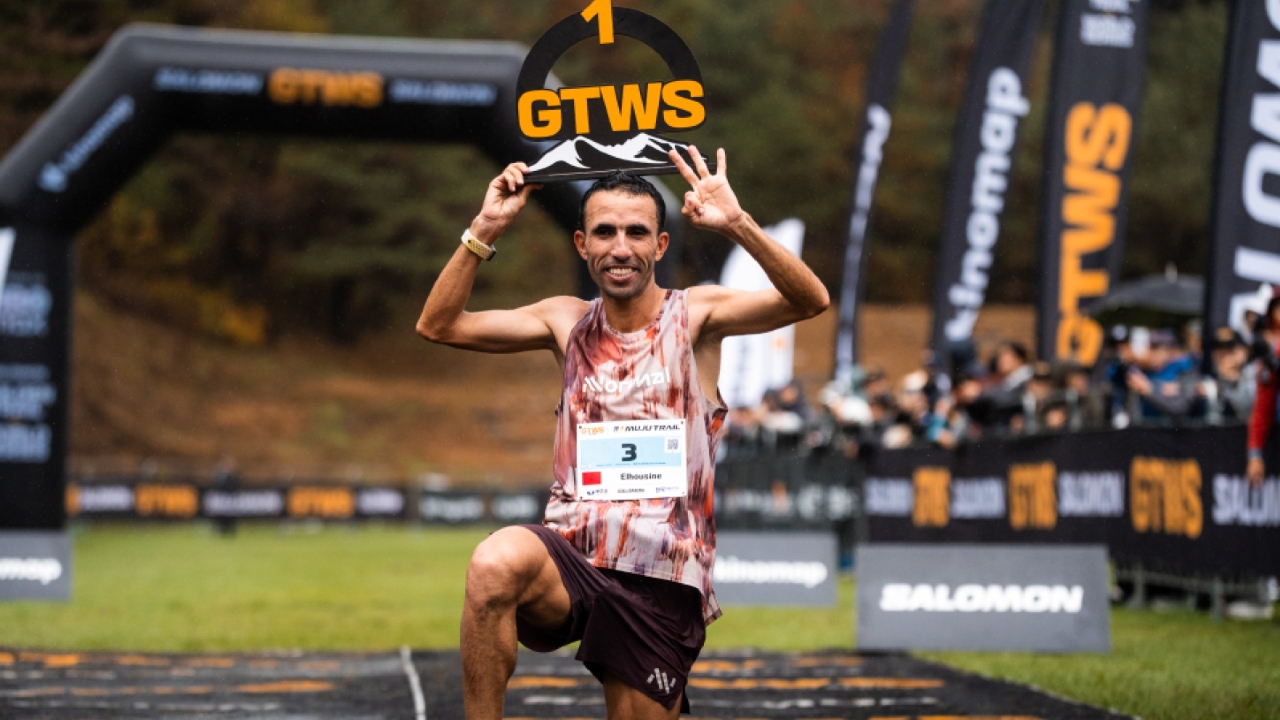
There is no single recovery period that every beginner should follow between two running races. A runner recovering from a local 5K has very different needs from someone who has just completed a marathon, mountain race or first ultramarathon. Race distance matters, but it is not the only factor. How hard you raced, elevation, weather, muscle soreness, sleep, nutrition and your previous training can all affect how quickly you recover. Beginners may also need more caution because their bodies have less experience handling repeated race stress. The best approach is to combine a sensible recovery period with signs from your own body. Instead of asking only how many days have passed, consider whether normal movement feels comfortable, fatigue has improved and easy running once again feels easy.
In Short
- Short races generally require less recovery than marathons and ultras.
- Race effort, terrain and soreness matter as much as distance.
- Resume easy running before returning to demanding workouts.
- Do not race again simply because the calendar says you should be recovered.
Why Do You Need Recovery After a Race?
Racing creates more stress than an ordinary easy run.
Depending on the event, you may experience:
- Muscle soreness.
- Temporary fatigue.
- Reduced energy.
- Stiffness.
- Depleted carbohydrate stores.
- Mental fatigue.
Recovery allows these effects to settle before another demanding training or racing cycle begins. The goal is not to avoid all movement. It is to give your body enough time to absorb the race before asking it to perform at maximum effort again.
How Long Should You Recover After a 5K?
A 5K is relatively short, but it can still be physically demanding when raced hard. Many beginners may benefit from a few easier days before returning to normal training. Some may need longer if the race was their first hard effort or caused significant soreness.
Early recovery can include:
- Walking.
- Gentle mobility.
- Rest.
- Short easy running when comfortable.
Avoid assuming that a short race requires no recovery simply because you finished in less than an hour.
How Long Should You Recover After a 10K?
A hard 10K places greater endurance demands on most beginners than a 5K. Several easier days may be appropriate before normal training resumes, with the exact period depending on soreness and fatigue.
Your first runs back should generally be:
- Short.
- Comfortable.
- Low pressure.
If easy running feels unusually difficult, give yourself additional recovery rather than forcing the planned schedule.
How Long Should You Recover After a Half Marathon?
A half marathon can produce substantial muscular and metabolic fatigue, particularly for beginners completing the distance for the first time. A sensible approach is to make the first several days primarily about recovery, then gradually reintroduce easy running. Some runners feel good surprisingly quickly. That does not automatically mean they are ready for intervals, hard hills or another race.
Give normal training time to return progressively.
How Long Should You Recover After a Marathon?
Marathons deserve considerably more recovery. Beginners commonly need at least a period of significantly reduced training followed by a gradual return to normal running over the following weeks. There is no exact number that applies to everyone.
Your recovery may take longer after:
- A maximum effort race.
- Difficult weather.
- Significant muscle soreness.
- A hilly course.
- Poor fuelling.
- An unusually long time on your feet.
The principles in how to recover faster after a marathon can help you manage the period after the race without rushing back into demanding training.
Trail Races May Need Additional Recovery
Trail race distance alone does not describe the full workload.
A hilly 20km trail race can create greater muscular stress than a flatter race of similar distance because of:
- Elevation gain.
- Technical terrain.
- Long descents.
- Uneven surfaces.
- Longer time on feet.
Downhill running is particularly demanding on the legs. If a race contains substantial descending, how to reduce muscle soreness after downhill running explains why your legs may require more recovery than expected.
Ultras Require Individual Recovery
Ultramarathons vary enormously. A relatively flat 50km event and a mountainous 100 mile race cannot share one standard recovery recommendation.
After an ultra, consider:
- Race duration.
- Elevation.
- Sleep loss.
- Nutrition.
- Foot damage.
- Muscle soreness.
- Overall fatigue.
Beginners should be particularly cautious about scheduling another demanding race shortly afterward.
Race Effort Matters
Two runners can complete the same race and require different recovery periods. One may race at maximum sustainable effort. Another may use the event as a controlled training run. The harder the effort relative to your current fitness, the greater the recovery demand is likely to be.
Consider how the race was actually completed rather than relying only on its official distance.
Your Training Background Matters
A runner accustomed to regular races may recover differently from someone completing their first event.
Beginners are still developing:
- Muscular durability.
- Pacing experience.
- Fuelling habits.
- Recovery routines.
- Knowledge of their own responses.
This is why copying the race schedule of a more experienced runner can be misleading.
Build your racing frequency gradually.
The First 24 to 48 Hours
Immediately after a demanding race, focus on basic recovery.
Useful priorities include:
- Rehydrating.
- Eating normal balanced meals.
- Replacing carbohydrate.
- Consuming adequate protein.
- Sleeping.
- Gentle movement if comfortable.
You do not need an elaborate recovery routine. Nutrition guidance from recovery nutrition strategy for runners can help you focus on the fundamentals rather than relying on supplements or complicated recovery products.
Should You Run the Day After a Race?
Not necessarily. A short recovery jog may feel comfortable after some shorter races, but complete rest or walking may be more appropriate after longer events.
Ask:
- Am I significantly sore?
- Does walking feel normal?
- Am I unusually tired?
- Did I race very hard?
- Do I actually benefit from running today?
There is little value in forcing a recovery run simply to maintain a streak.
Easy Running Should Return First
When you start running again, easy running is generally the sensible first step.
Keep the early sessions:
- Short.
- Relaxed.
- Flexible.
- Free from pace targets.
The purpose is to see how your body responds. Understanding can easy running improve race performance is useful because easy running is not wasted training. It supports aerobic fitness without requiring every session to become another race effort.
Wait Before Returning to Hard Workouts
Intervals, tempo runs and hard hills place greater demands on recovering legs. Do not reintroduce them simply because your first easy run felt acceptable.
Build through a progression such as:
- Rest or gentle activity → easy running → normal easy volume → controlled workout → full training
The duration of each stage depends on the race and your recovery.
Use Soreness as Information
Muscle soreness after racing is common. The important question is whether it is improving.
Be cautious when soreness:
- Remains severe.
- Gets worse.
- Is highly localised.
- Changes your running movement.
- Feels more like pain than general muscle fatigue.
Persistent or concerning pain should not be treated as ordinary post race soreness.
Do Not Confuse Fitness With Recovery
Your cardiovascular fitness can feel normal before your muscles have fully recovered. You may therefore feel capable of running fast even while your legs remain fatigued. This can tempt runners into returning to workouts too early.
Recovery should consider the whole body, not simply whether your breathing feels comfortable.
Sleep Is a Major Recovery Priority
Race weekends can disrupt normal sleep because of:
- Early starts.
- Travel.
- Pre race nerves.
- Late finishes.
- Post race celebrations.
Try to restore normal sleep in the following days. The guidance in how much sleep do runners need to recover properly can help you treat sleep as part of the training process rather than something separate from it.
Nutrition Should Return to Normal, Not Become Restrictive
Some runners dramatically reduce food intake immediately after a race because training volume has fallen. However, your body still needs energy for recovery.
Prioritise:
- Regular meals.
- Carbohydrate.
- Protein.
- Healthy fats.
- Fruit and vegetables.
- Fluids.
Do not treat recovery days as a reason to underfuel.
Plan the Second Race Before Entering It
Ideally, decide how two races fit together before registering.
Ask:
- Which race is more important?
- How demanding is the first event?
- How many weeks separate them?
- Will there be enough recovery?
- Do I need another full training block?
- Are the race distances similar?
Two races can work well together when their purpose is clear.
A Short Gap Changes Your Goal
When races are close together, you may not have enough time to significantly improve fitness between them.
The period between races may therefore be mostly about:
- Recovering.
- Maintaining fitness.
- Restoring normal running.
- Staying healthy.
Trying to squeeze a complete training block into a short gap often creates fatigue rather than additional fitness.
Do Not Cram Missed Training Between Races
After taking several recovery days, beginners sometimes panic about lost mileage. They then try to compensate by increasing training rapidly before the next event. Avoid this. You cannot safely compress several weeks of training into a few days. The principles in how to increase running volume without getting injured are particularly important when rebuilding mileage after a race.
Two Weeks Between Races
Two weeks can be enough between some shorter races, depending on experience and effort. There is little time to gain new fitness.
A simple structure might involve:
- Several recovery days.
- Easy running.
- One controlled faster session if recovered.
- Reduced training before race two.
This approach is very different from trying to complete another full training cycle.
Several Weeks Between Races
A longer gap gives you more flexibility.
Once recovery from the first race is complete, you may have time for:
- Normal aerobic training.
- Race specific workouts.
- Long runs where appropriate.
- Another taper.
How much training fits depends on the total gap. Do not automatically fill every available week with hard training.
Decide Which Race Is the Priority
When two events are relatively close, treating both as maximum effort races may not always be sensible.
You could use the first event as:
- A training race.
- A pacing rehearsal.
- A fuelling test.
- Experience before the priority event.
Alternatively, race the first event hard and approach the second according to how well you recover.
Clear priorities make training decisions easier.
Taper Again When Necessary
If enough time separates the races for normal training to resume, you may benefit from reducing training again before the second event. The taper required depends on race distance and the training completed between events. For longer races, how many weeks should you taper before a marathon explains why tapering should reduce fatigue without trying to create last minute fitness.
Mental Recovery Matters Too
Physical soreness may disappear while motivation remains low. After months of preparation and a demanding race, some runners experience a temporary drop in enthusiasm.
Give yourself permission to enjoy:
- Easy running.
- Different routes.
- Social runs.
- Other activities.
- Additional rest.
Mental freshness matters when preparing for another demanding event.
Avoid the No Days Off Mindset
Rest after a race does not make you less committed. Trying to maintain uninterrupted mileage can turn normal post race fatigue into a longer problem. Recovery is particularly important for beginners because racing is still a relatively unfamiliar stress. The idea behind why is the no days off mindset bad for marathon training applies equally well after race day: more training is not always better training.
How Do You Know You Are Ready to Train Normally?
Look for a combination of signs.
You may be ready to progress when:
- Normal walking is comfortable.
- General soreness has largely resolved.
- Easy running feels easy again.
- Sleep is normal.
- Energy has returned.
- Motivation is improving.
- There is no concerning pain.
One good day is useful, but several improving days provide better evidence.
How Do You Know You Are Ready to Race Again?
Being able to run does not automatically mean you are ready to race.
Before another maximum effort event, consider whether you have:
- Recovered from the previous race.
- Returned to normal training.
- Completed appropriate preparation.
- Recovered from that preparation.
- Tapered where necessary.
The shorter the gap, the more carefully expectations should be managed.
Avoid Overtraining Between Events
Runners sometimes train harder between two races because they feel the second event offers a final chance to improve. This can produce the opposite result. Persistent fatigue, declining performance and reduced motivation can indicate that training stress is becoming excessive.
Understanding what are the warning signs of overtraining for a marathon can help runners recognize when additional work is no longer producing useful adaptation.
Use Your Training Plan as a Guide, Not a Command
A schedule cannot know exactly how your body feels after race day. If your plan says to resume workouts on Thursday but you remain unusually sore, adjust it. Similarly, if recovery is progressing well, you can gradually return to normal training without inventing unnecessary restrictions.
Good planning leaves room for individual response.
Race Scheduling Should Support Long Term Progress
Frequent racing can be enjoyable and useful, but every event creates training and recovery demands.
Too many races can reduce the time available for:
- Aerobic development.
- Strength.
- Specific workouts.
- Recovery.
- Progressive training blocks.
Beginners usually benefit from leaving enough space between priority races to train rather than spending the entire season recovering and tapering.
Build a Sustainable Weekly Routine
Once normal running resumes, return to a balanced schedule rather than immediately chasing your previous highest mileage.
A useful programme may contain:
- Easy running.
- One or two purposeful workouts.
- A long run.
- Recovery.
- Strength work.
The framework in how to build a weekly running plan beginner to advanced can help organize the period between races according to your available recovery and preparation time.
Common Mistakes
- Using one recovery rule for every race distance.
- Racing hard again before soreness has resolved.
- Returning to intervals before easy running feels normal.
- Trying to replace missed mileage.
- Underestimating difficult trail races.
- Cutting food aggressively after race day.
- Ignoring sleep and mental fatigue.
- Scheduling too many priority races close together.
Practical Tips
- Plan race spacing before entering both events.
- Take more recovery after longer or harder races.
- Resume easy running before workouts.
- Monitor soreness and energy rather than the calendar alone.
- Maintain adequate food and sleep.
- Avoid cramming training into a short race gap.
- Decide which event is the priority.
- Delay hard running if recovery is incomplete.
Actionable Takeaways
There is no universal number of days beginners should recover between two running races. A 5K may require only a short period of easier training, while a marathon, ultra or demanding trail race can require substantially longer recovery.
Use race distance as a starting point, then consider effort, terrain, soreness, sleep, energy and your previous training experience. Resume easy running first and add harder training only when normal running feels comfortable again.
Most importantly, do not treat the time between races as an opportunity to cram in missed fitness. When events are close together, recovery and maintenance may be more valuable than another heavy training block. The goal is to arrive at the second race healthy and prepared rather than simply having completed more workouts.
FAQs
It depends on race distance, effort and recovery. Short races may require only several easier days, while longer races can require weeks before the runner is ready for another maximum effort.
It may be possible with shorter events if the first race is not excessively demanding and recovery is good. Racing hard on consecutive weekends is more demanding and should not become the default for inexperienced runners.
Many runners can recover from a 5K within several days, although beginners may need longer after a maximum effort. Easy running should feel normal before another hard race.
Several days to a couple of weeks may be appropriate depending on how hard the first race was and the runner’s experience. There is no mandatory interval that applies to everyone.
Marathons generally require much more recovery than shorter races. Beginners should usually think in terms of multiple weeks rather than days, with enough time for recovery and appropriate preparation before another marathon.
You do not have to. Walking, gentle movement or complete rest may be more appropriate when you are sore or fatigued, particularly after longer races.
Return to comfortable easy running first. Faster training should follow only when soreness has largely resolved, normal energy has returned and easy running feels appropriately easy.
Useful signs include normal energy, minimal soreness, comfortable daily movement, normal sleep and easy running that feels similar to your usual training.
Prioritize recovery, maintain fitness with appropriate easy running and add only limited quality work if you have recovered. When races are very close, there is usually little time to gain substantial new fitness, so avoid trying to cram extra training into the gap.