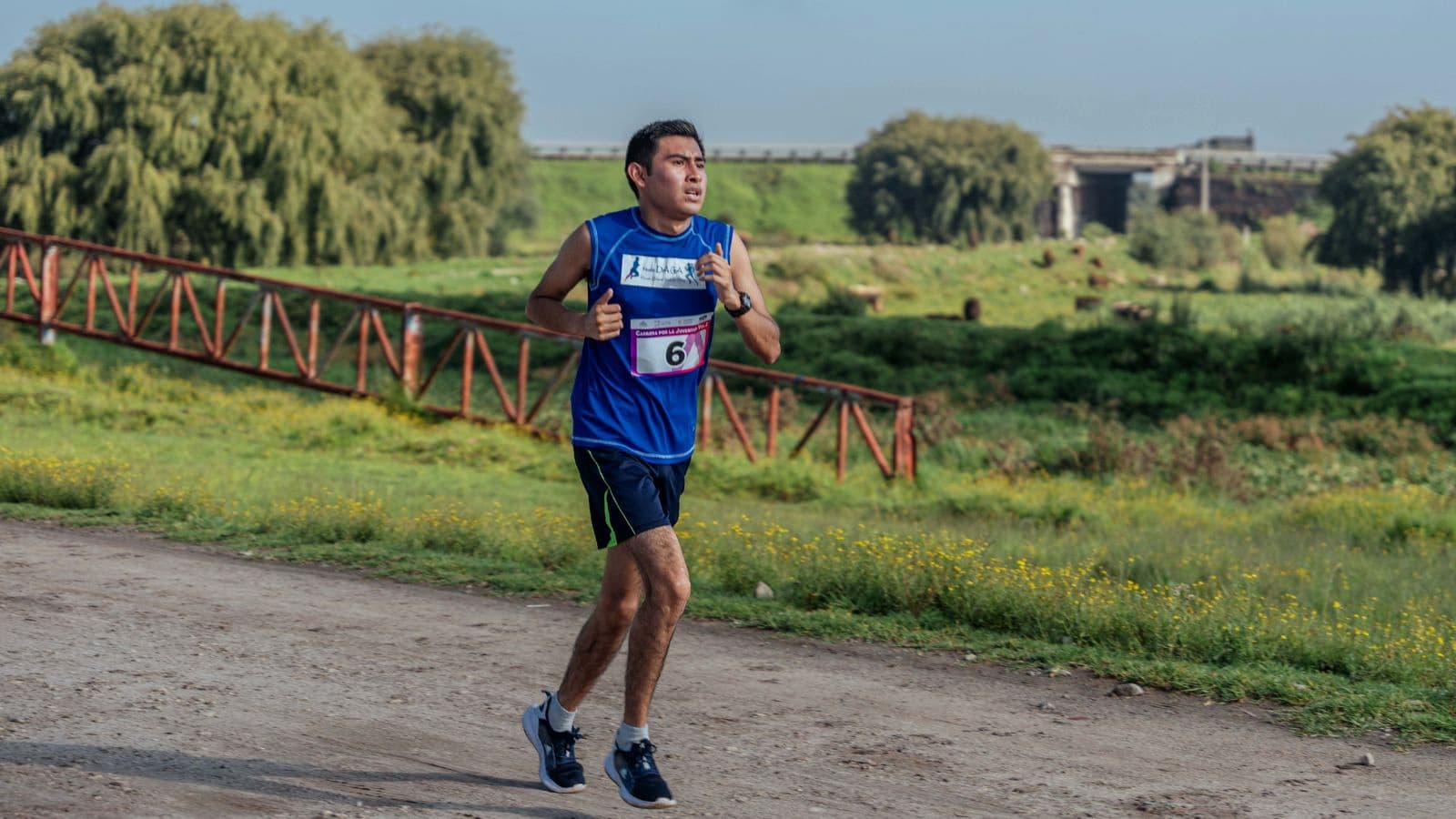



Downhill running may feel easier on your cardiovascular system than climbing, but it places enormous stress on your muscles. Many runners discover this the day after a trail race or mountain run when walking downstairs suddenly becomes far more challenging than running up them. This soreness is usually caused by eccentric muscle contractions, where your quadriceps, calves and glutes work hard to control your descent. While some soreness is normal, excessive muscle damage can interrupt training and delay recovery. Fortunately, there are effective ways to minimize soreness, recover more quickly and prepare your muscles to better handle downhill terrain in the future.

In Short
- Downhill running causes high eccentric muscle loading.
- Gradual adaptation reduces soreness over time.
- Recovery begins immediately after your run.
- Nutrition and hydration support muscle repair.
- Strength training improves downhill resilience.
Why Downhill Running Causes Muscle Soreness?
Unlike uphill running, downhill running requires your muscles to absorb force rather than simply produce it. As you descend, your muscles lengthen while under tension to control your body and prevent you from falling forward.
This eccentric loading particularly affects:
- Quadriceps.
- Glutes.
- Hamstrings.
- Calves.
- Hip stabilisers.
The tiny muscle fibre damage created during these contractions contributes to delayed onset muscle soreness (DOMS), which often peaks 24 to 48 hours after your run.
Build Downhill Exposure Gradually
One of the best ways to reduce soreness is to expose your muscles to downhill running progressively.
Start with:
- Short descents.
- Gentle gradients.
- Lower overall volume.
- Plenty of recovery between sessions.
Gradual progression allows your muscles and connective tissues to adapt without becoming overwhelmed. Suddenly increasing downhill mileage is one of the most common training errors. How to increase running volume without getting injured explains how gradual progression supports long-term performance.
Improve Your Downhill Running Technique
Good technique helps reduce unnecessary impact forces.
Focus on:
- Short, quick strides.
- A slight forward lean from the ankles.
- Relaxed shoulders.
- Soft landings.
- Looking ahead rather than directly at your feet.
Avoid overstriding, as landing with your foot too far in front of your body increases braking forces and muscle damage. Developing efficient movement patterns becomes easier with practice. How to improve your running form explains how small technical improvements can increase efficiency across every type of run.
Strengthen Your Legs
Strong muscles tolerate downhill running far better than weak ones.
Prioritise exercises such as:
- Squats.
- Split squats.
- Step-downs.
- Romanian deadlifts.
- Single-leg calf raises.
Eccentric-focused strength training prepares your legs for the demands of long descents while reducing soreness over time. A structured program like what strength routine should runners do to stay injury-free can help build the resilience needed for technical trails.
Recover Soon After Your Run
The recovery process starts as soon as your run finishes.
Aim to:
- Walk for a few minutes.
- Stretch gently if it feels comfortable.
- Refuel within an hour.
- Rehydrate steadily.
Beginning recovery early may reduce stiffness and help restore muscle function more quickly. Understanding how does calcium affects running performance and recovery is important for the runners to include it into their nutrition.
Prioritise Recovery Nutrition
Your muscles need carbohydrates to replace glycogen and protein to support repair.
A balanced post-run meal should include:
- High-quality protein.
- Carbohydrates.
- Fluids.
- Electrolytes if needed.
Understanding recovery nutrition strategy for runners can help you recover more effectively after demanding downhill sessions.
Stay Hydrated
Hydration supports circulation, nutrient delivery and overall recovery. Replace fluids gradually after your run, particularly if conditions were warm or your route included long climbs before the descent. If you finished dehydrated, recovery may take longer than expected. How to beat dehydration during a marathon offers practical hydration advice that also applies to long trail runs.
Get Plenty of Sleep
Most muscle repair occurs while you sleep. Following demanding downhill sessions, aim for sufficient high-quality sleep to allow your body to recover naturally. Poor sleep may increase fatigue, prolong soreness and reduce your readiness for future training. If recovery has become a challenge, how much sleep do runners need to recover properly explains how sleep influences both performance and muscle repair.
Keep Moving the Next Day
Complete rest isn’t always the fastest route to recovery. If soreness is manageable, light movement can help reduce stiffness and improve circulation.
Suitable recovery activities include:
- Easy walking.
- Gentle cycling.
- Light mobility work.
- Easy jogging if soreness has significantly reduced.
Avoid hard workouts until your legs feel ready again.
Use Mobility to Restore Movement
Downhill running often leaves muscles feeling tight and restricted.
A short mobility session can help restore your normal range of motion.
Focus on:
- Hip flexors.
- Quadriceps.
- Glutes.
- Calves.
- Ankles.
Developing a consistent routine is easier with what mobility routine should runners do daily, which outlines movements that support recovery and long-term performance.
Don’t Ignore Persistent Pain
Muscle soreness should gradually improve over several days.
Seek professional advice if you experience:
- Sharp pain.
- Significant swelling.
- Joint instability.
- Pain that worsens over time.
- Symptoms lasting more than a week.
These may indicate an injury rather than normal post-run soreness.
Prepare Before Your Next Downhill Run
Reducing soreness starts before you reach the descent.
Include:
- A thorough warm-up.
- Progressive training.
- Regular strength work.
- Appropriate recovery between hard sessions.
Consistent preparation helps your body become more resilient with every run. Following how does hill running improve fitness, strength, and endurance can help you safely introduce more elevation into your training while reducing the shock of downhill sections.
Avoid Doing Too Much Too Soon
It’s tempting to tackle long mountain descents after feeling strong on flatter routes. However, your muscles need time to adapt to eccentric loading.
Increase downhill exposure gradually by adjusting only one variable at a time:
- Distance.
- Elevation.
- Technical difficulty.
- Training frequency.
This steady approach reduces excessive soreness while allowing long-term progress.
Build Long-Term Running Consistency
One difficult downhill session shouldn’t leave you unable to train for the rest of the week. The goal is to recover efficiently so you can continue building fitness consistently. Maintaining regular training is far more beneficial than alternating between extremely hard efforts and prolonged recovery. That’s why consistency is more important than intensity for running success and it is such an important principle for trail runners preparing for long races.
Listen to Your Body
Every runner responds differently to downhill training.
Factors that influence soreness include:
- Training history.
- Muscle strength.
- Running technique.
- Recovery habits.
- Terrain.
Pay attention to how your body responds and adjust future sessions accordingly rather than copying another runner’s training.
Common Mistakes
- Running long descents without preparation.
- Increasing downhill mileage too quickly.
- Overstriding during descents.
- Skipping post-run nutrition.
- Neglecting hydration.
- Returning to hard training before recovering.
- Ignoring strength training.
- Confusing normal soreness with injury.
Practical Tips
- Introduce downhill running gradually.
- Keep your stride short and controlled.
- Strength-train your legs throughout the year.
- Eat a balanced recovery meal soon after running.
- Stay hydrated before and after long runs.
- Prioritise quality sleep.
- Include regular mobility work.
- Monitor soreness before scheduling your next hard workout.
Actionable Takeaways
Muscle soreness after downhill running is a normal response to the high eccentric forces placed on your legs, particularly if you’re new to trail running or increasing your elevation. While some discomfort is expected, progressive training, good running technique and consistent recovery habits can dramatically reduce both its severity and duration.
By strengthening your legs, fuelling appropriately, staying hydrated and gradually increasing your downhill exposure, you’ll become more resilient over time. Recovering well allows you to return to training sooner and continue building the fitness needed for longer and more technical trail races.
FAQs
Downhill running involves eccentric muscle contractions that place high loads on your quadriceps, calves and glutes, leading to delayed onset muscle soreness.
Most muscle soreness peaks between 24 and 48 hours after running and improves over the following few days.
Mild soreness often improves with easy movement, but avoid hard sessions if soreness significantly affects your running form.
Yes. Stronger muscles are better able to absorb impact forces and tolerate eccentric loading during descents.
Stretching alone is unlikely to prevent soreness, but gentle mobility work may improve comfort and restore movement.
Consume carbohydrates to replenish energy stores and protein to support muscle repair as soon as practical after your run.
Yes. Staying well hydrated supports circulation, nutrient delivery and overall recovery.