


Running places repetitive stress on the body, especially on the hips, calves, ankles, and lower back. Over time, tightness and restricted movement can affect running efficiency, increase fatigue, and raise injury risk. A simple daily mobility routine helps runners move more freely, recover better, and maintain consistent training without unnecessary stiffness.
Mobility training is not about becoming extremely flexible. It is about improving movement quality and maintaining enough range of motion for efficient running mechanics. Even 10–15 minutes per day can make a noticeable difference over time.

Why Mobility Matters for Runners?
Running involves thousands of repetitive movements every session. Without adequate mobility, the body begins compensating in ways that increase stress on muscles and joints.
Good mobility helps runners:
- Maintain smoother running form
- Reduce excessive muscle tension
- Improve stride efficiency
- Support recovery
- Lower injury risk
This becomes especially important as training volume increases, similar to principles discussed in running cadence to prevent knee injuries, where movement quality and durability work together.
Mobility vs Stretching: What’s the Difference?
Many runners confuse mobility with static stretching, but they are not exactly the same.
Static stretching focuses mainly on increasing flexibility, while mobility work improves controlled movement through a range of motion. For runners, mobility is usually more useful because it directly supports running mechanics and stability.
The Most Important Areas for Runner Mobility
Runners benefit most from mobility work targeting areas heavily involved in stride mechanics and impact absorption.
Key focus areas include:
- Hips
- Ankles
- Calves
- Hamstrings
- Thoracic spine
Improving mobility in these regions supports smoother and more efficient movement patterns.
Hip Mobility Is Essential for Efficient Running
Tight hips are extremely common in runners, especially those who sit for long periods during the day. Restricted hip movement can shorten stride efficiency and increase stress on the knees and lower back.
Useful hip mobility exercises include:
- Hip circles
- World’s greatest stretch
- Lunge rotations
- 90/90 hip mobility drills
Better hip mobility improves stride comfort and helps runners maintain posture under fatigue. This becomes especially important for athletes working on preventing injuries when starting a workout routine, where efficient movement matters more than forcing technical changes.
Ankle Mobility Helps Reduce Impact Stress
Poor ankle mobility affects stride mechanics and limits efficient force transfer while running. Restricted ankle movement often increases stress on the calves, knees, and Achilles tendon.
- Simple ankle mobility drills include:
- Ankle circles
- Wall ankle drives
- Calf mobility stretches
Improved ankle movement supports smoother foot strike and better running efficiency.
Thoracic Spine Mobility Improves Posture
The thoracic spine, the upper and mid-back, plays an important role in posture and arm movement while running. Tightness in this area often leads to restricted breathing and excessive upper-body tension.
Thoracic mobility exercises may include:
- Open-book rotations
- Cat-cow movements
- Thoracic twists
Better upper-body mobility supports relaxed and efficient running posture.
Daily Mobility Does Not Need to Be Complicated
One of the biggest mistakes runners make is assuming mobility routines must be long or complex. In reality, consistency matters far more than duration.
Even a simple 10–15 minute routine performed daily can improve movement quality significantly over time.
A Simple Daily Mobility Routine for Runners
Hip Mobility – 4 Minutes
- 90/90 hip rotations – 1 minute
- World’s greatest stretch – 1 minute each side
- Hip circles – 1 minute
Ankle and Calf Mobility – 3 Minutes
- Wall ankle drives – 1 minute each side
- Dynamic calf stretch – 1 minute
Thoracic Spine Mobility – 3 Minutes
- Open-book rotations – 1 minute each side
- Cat-cow movements – 1 minute
Dynamic Running Movement – 2 Minutes
- Leg swings
- Walking lunges
- Controlled skips
This routine improves mobility while preparing the body for efficient movement throughout the day.
Mobility Helps Recovery Too
Mobility work is not only useful before running, it also supports recovery afterward. Gentle movement improves circulation and reduces stiffness after harder sessions or long runs.
This becomes particularly helpful during higher training loads, similar to recovery principles discussed in improving running pace, where movement and recovery habits support long-term consistency.
Mobility Should Feel Controlled, Not Painful
Mobility training should improve movement quality, not force uncomfortable positions.
Avoid:
- Aggressive stretching
- Forcing extreme range of motion
- Painful bouncing movements
The goal is smooth, controlled movement rather than chasing maximum flexibility.
Consistency Matters More Than Intensity
Mobility improvements happen gradually through repeated daily practice. Doing one long session occasionally is far less effective than maintaining short consistent routines.
This long-term approach is similar to aerobic development discussed in weekly plan for runners, where steady consistency produces sustainable progress over time.
Use Mobility to Identify Tight Areas Early
Daily mobility routines help runners notice stiffness or restrictions before they become larger problems.
For example:
- Tight calves may signal recovery issues
- Restricted hips may affect running posture
- Limited ankle mobility may increase lower-leg stress
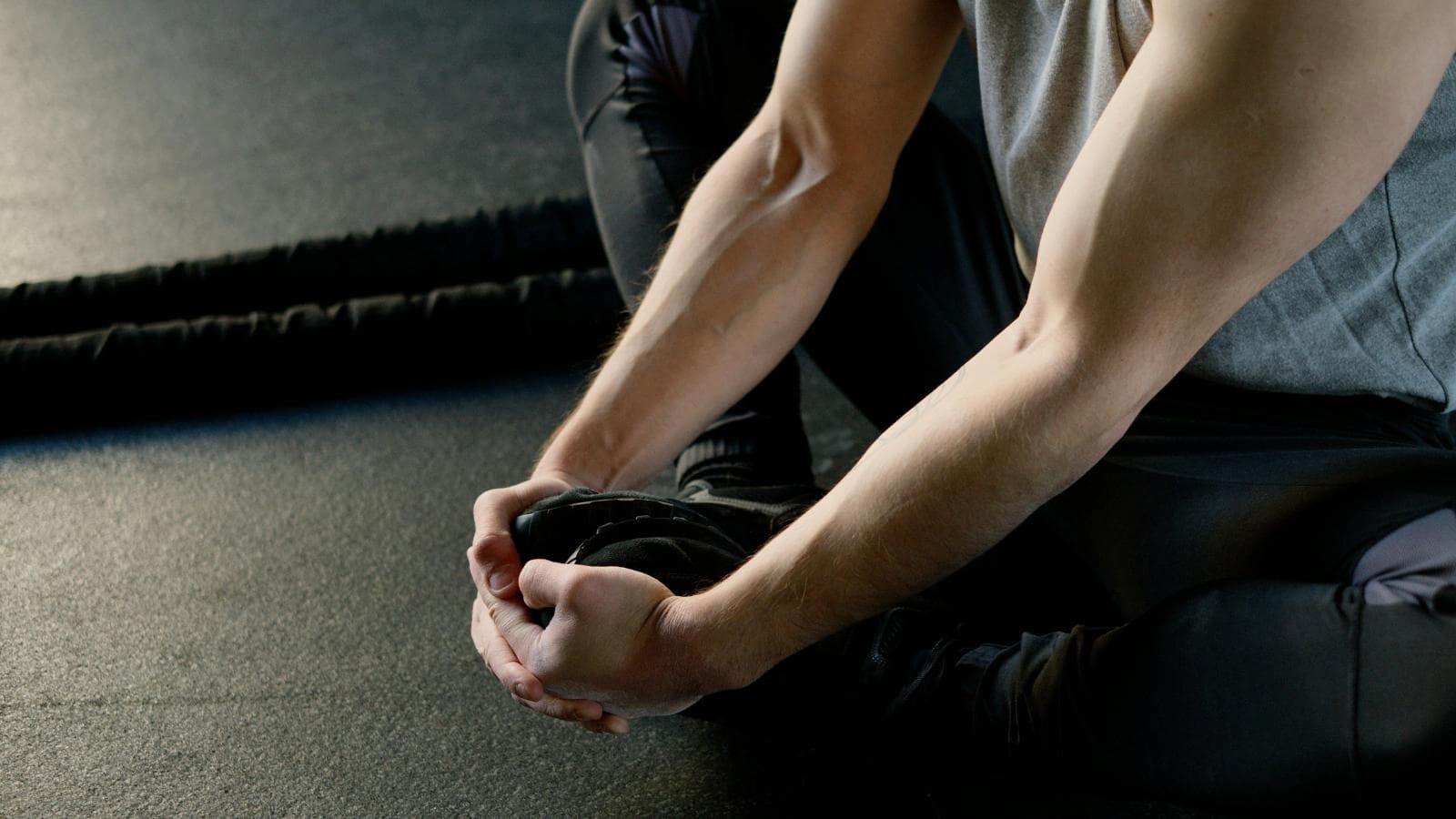
Paying attention to these patterns can help prevent injuries before they develop fully.
Mobility and Strength Work Together
Mobility alone is not enough for injury prevention. Runners also need strength and stability to control movement efficiently.
The best results come from combining:
- Mobility work
- Strength training
- Proper recovery
- Consistent aerobic training
This balance improves both movement quality and durability.
When Should Runners Do Mobility Work?
Mobility can fit into training in several ways:
- Before runs as dynamic preparation
- After runs for recovery
- On rest days for movement maintenance
The best time is usually the time you can do consistently.
Avoid Common Mobility Mistakes
- Only stretching when injured
- Forcing painful positions
- Ignoring ankle and hip mobility
- Doing mobility inconsistently
- Treating mobility as optional rather than preventative
Avoiding these mistakes makes mobility work much more effective long term.
Practical Mobility Tips for Runners
- Keep routines simple and consistent
- Focus on hips, ankles, and thoracic spine
- Use dynamic rather than overly static movements
- Combine mobility with strength work
- Pay attention to areas that feel consistently tight
- Use mobility as part of recovery
What You Should Do?
Start with a short daily mobility routine focused on the areas most important for running efficiency and recovery. Keep the sessions manageable so they become part of your regular routine rather than something difficult to maintain.
Use mobility work to improve movement quality, reduce stiffness, and support smoother running mechanics. Pairing consistent mobility with smart training, like approaches discussed in running longer distances without burning out, helps runners stay healthier and more durable long term.
Daily mobility does not need to be complicated to be effective. Small consistent improvements in movement quality often create significant long-term benefits for running comfort and performance.
FAQs
Mobility improves movement quality, recovery, and running efficiency while reducing injury risk.
Even 10 to 15 minutes daily can be effective when performed consistently.
Hips, ankles, calves, and thoracic spine are especially important for runners.
Mobility is often more useful because it improves controlled movement rather than only flexibility.
Both can help. Dynamic mobility works well before runs, while gentler work supports recovery afterward.
Yes, better movement quality supports smoother and more efficient running mechanics.
It helps reduce excessive stress and improves movement control, which may lower injury risk.
Yes, simple routines benefit runners of all experience levels.