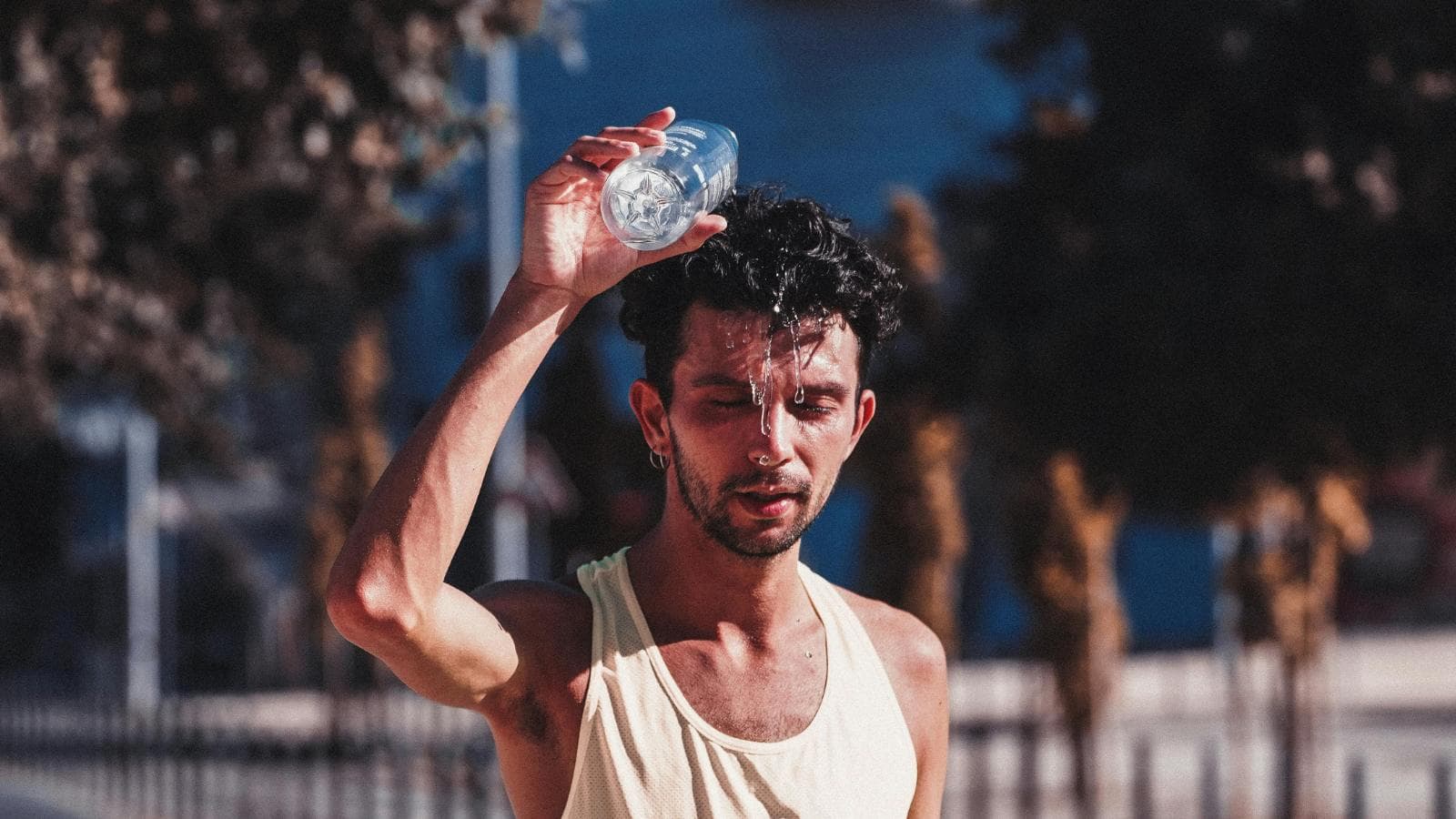



Dehydration is one of the most common reasons marathon runners experience:
- Sudden fatigue
- Pace collapse
- Cramping
- Dizziness
- Elevated heart rate
- Poor recovery
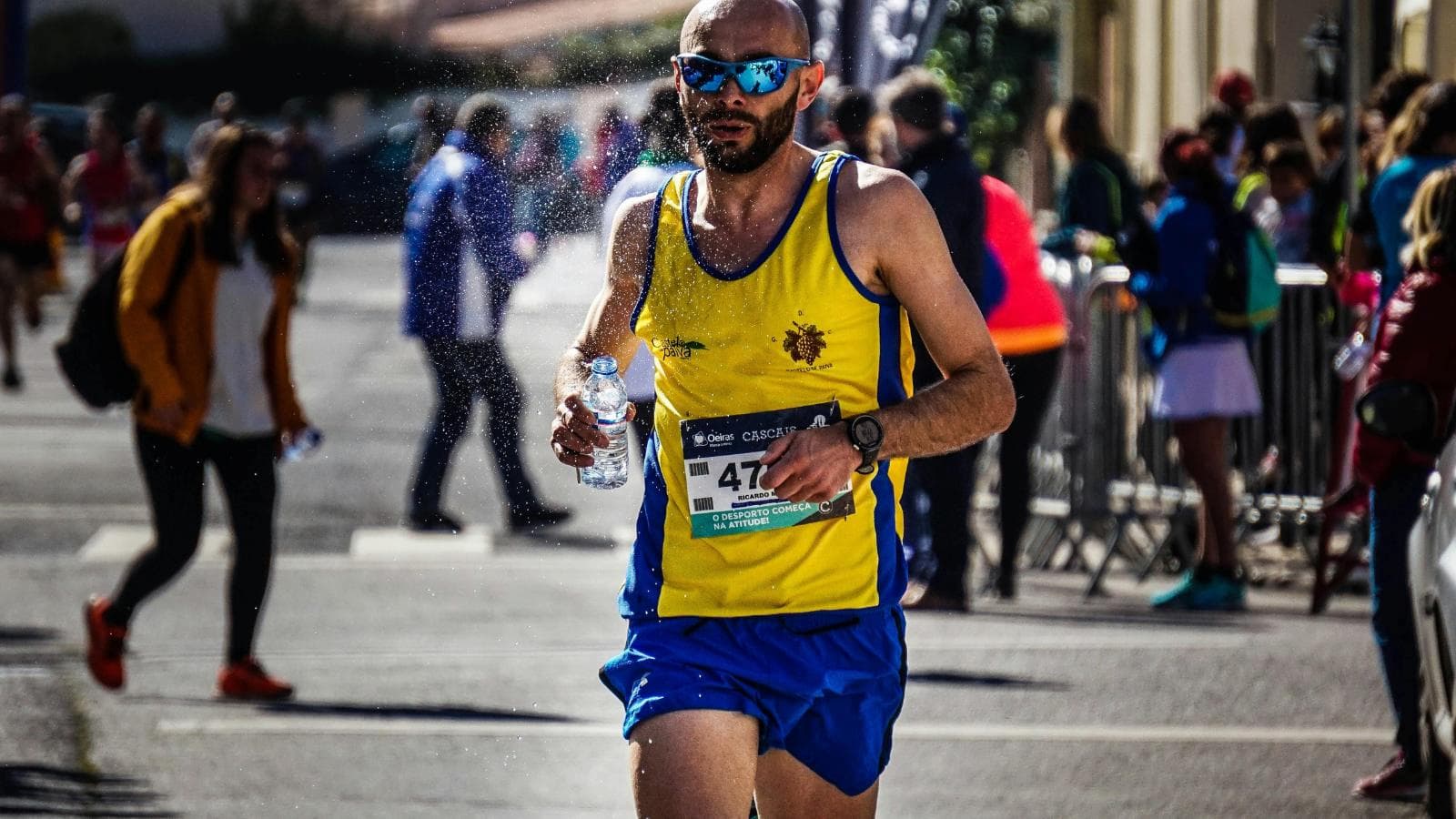
Even relatively small fluid losses can affect endurance performance significantly over 26.2 miles, especially in warm or humid conditions.
Marathon dehydration happens when fluid loss through sweat exceeds fluid intake for too long. As dehydration increases, the body struggles to:
- Cool itself efficiently
- Maintain blood volume
- Deliver oxygen effectively
- Sustain muscular performance
The goal during a marathon is not drinking as much as possible. The goal is maintaining hydration balance without overdrinking or upsetting stomach comfort. This becomes increasingly important during endurance preparation discussed in how to fuel in the final week before marathon, where hydration strategy should be practised long before race day.
Why Dehydration Affects Marathon Performance?
Running a marathon places enormous stress on:
- Cardiovascular function
- Thermoregulation
- Glycogen stores
- Muscular endurance
As dehydration increases:
- Heart rate rises
- Body temperature increases
- Blood flow becomes less efficient
- Perceived effort climbs rapidly
This often causes runners to slow down dramatically later in the race. Many athletes underestimate how quickly sweat loss accumulates during longer runs.
Sweat Rate Is Different for Every Runner
Not all runners lose fluid at the same rate.
Sweat rate depends on:
- Body size
- Genetics
- Running intensity
- Weather conditions
- Heat adaptation
- Clothing
Some runners lose significantly more fluid and sodium than others. This is why hydration plans should be individual rather than copied from another athlete’s strategy. Runners often improve hydration awareness through running form tips for beginners because dehydration commonly elevates cardiovascular strain noticeably.
Heat Increases Fluid Loss Rapidly
Warm conditions dramatically increase dehydration risk.
The body sweats more to regulate temperature, which increases:
- Fluid loss
- Electrolyte loss
- Cardiovascular strain
- Energy expenditure
Humidity makes this even harder because sweat evaporates less efficiently. Marathon pace that feels sustainable in cool weather may become dangerously difficult in heat if hydration is neglected.
Starting Hydrated Matters
Many runners begin marathons slightly dehydrated already.
Poor hydration during:
- Travel
- Race week
- The night before
can reduce performance before the race even begins.
Good pre-race hydration should focus on:
- Consistent fluid intake
- Balanced electrolytes
- Avoiding excessive alcohol
- Maintaining normal urine colour
Overdrinking before the race is not helpful either because it may increase:
- Bathroom stops
- Stomach discomfort
- Sodium imbalance
Drinking Too Much Can Also Be Dangerous
Many marathon runners focus only on avoiding dehydration while ignoring the risks of overhydration.
Excessive drinking can contribute to:
- Bloating
- Nausea
- Stomach sloshing
- Hyponatremia
Hyponatremia happens when sodium levels become dangerously diluted.
The safest hydration strategy balances: - Fluid intake
- Sweat loss
- Sodium replacement
- Stomach comfort
The goal is controlled hydration rather than constantly forcing fluids.
Electrolytes Matter During Long Races
Sweat contains important electrolytes, especially sodium.
Sodium helps regulate:
- Fluid balance
- Muscle function
- Nerve signalling
- Hydration efficiency
Heavy sodium loss may increase: - Cramping risk
- Fatigue
- Muscle dysfunction
- Recovery problems
Many marathon runners benefit from: - Sports drinks
- Electrolyte tablets
- Sodium-rich fueling products
especially during hotter races or heavier sweat conditions.
Hydration Should Be Practised in Training
Race-day hydration should never be improvised.
Long runs are the best opportunity to test:
- Fluid timing
- Drink quantity
- Electrolyte intake
- Stomach tolerance
- Fuel combinations
Many runners experience stomach problems during marathons because they never practised hydration strategies beforehand. Athletes following hydration strategy for runners progression usually improve race execution by testing hydration repeatedly during training.
Thirst Is Useful but Not Perfect
Thirst is an important signal, but during hard endurance exercise it may lag behind actual fluid needs slightly. Some runners ignore thirst completely while others panic and overdrink.
Hydration works best when runners combine:
- Thirst awareness
- Planned fluid opportunities
- Environmental awareness
- Experience from training
No single drinking schedule works perfectly for every athlete.
Carbohydrates and Hydration Work Together
Most marathon hydration strategies also involve carbohydrate intake.
Sports drinks often help provide:
- Fluids
- Sodium
- Carbohydrates
This supports: - Energy availability
- Glycogen preservation
- Endurance performance
- Mental focus
Poor fueling and poor hydration often occur together because athletes neglect overall race nutrition planning.
This becomes especially important during longer races discussed in how to fuel properly for long runs.
Pacing Affects Hydration Stress
Running too aggressively increases:
- Sweat rate
- Heat production
- Cardiovascular strain
- Glycogen depletion
Poor pacing often accelerates dehydration effects because the body works harder than sustainable effort allows.
Controlled pacing usually improves: - Hydration stability
- Cooling efficiency
- Stomach comfort
- Overall race performance
Athletes improving endurance through building an aerobic base for running often manage hydration much more effectively.

Dehydration Signs Runners Should Recognise
Common dehydration symptoms include:
- Dry mouth
- Elevated heart rate
- Dizziness
- Heavy fatigue
- Headaches
- Chills
- Reduced pace
- Dark urine after racing
Many runners ignore early warning signs until performance decline becomes severe. Monitoring effort and body awareness during races helps prevent major dehydration problems later.
Recovery Hydration Matters Too
Hydration remains important after finishing the marathon.
Post-race rehydration supports:
- Glycogen restoration
- Muscle recovery
- Circulation
- Temperature regulation
- Recovery quality
Useful recovery strategies include:
- Water
- Electrolytes
- Sodium-containing foods
- Gradual fluid intake
Athletes recovering through recovery nutrition strategy for runners usually improve long-term consistency and recovery quality after demanding races.
Cooler Weather Does Not Eliminate Dehydration Risk
Many runners assume dehydration only matters in hot races.
However, cooler conditions still cause:
- Sweat loss
- Respiratory fluid loss
- Cardiovascular strain
Runners often underdrink in cooler weather simply because thirst feels reduced.
Hydration awareness should remain consistent regardless of temperature.
Aid Station Strategy Matters
Runners should approach aid stations calmly and consistently rather than:
- Skipping all fluids early
- Panic drinking later
- Grabbing excessive amounts at once
Small controlled drinking opportunities usually work better than large infrequent intake.
Practising aid station rhythm during long runs helps improve confidence on race day.
Common Marathon Hydration Mistakes
Many runners create avoidable problems through poor hydration habits.
Common mistakes include:
- Starting dehydrated
- Ignoring electrolytes
- Drinking excessively
- Never practising race hydration
- Running too aggressively
- Waiting until severe thirst appears
- Ignoring weather conditions
Most hydration failures develop gradually rather than suddenly.
Practical Ways to Beat Dehydration During a Marathon
Runners can reduce dehydration risk by:
- Starting well hydrated
- Drinking consistently during the race
- Replacing electrolytes appropriately
- Practising hydration during long runs
- Adjusting intake for heat
- Pacing conservatively early
- Monitoring effort honestly
- Prioritising recovery afterward
The best hydration strategy is the one runners can execute comfortably and consistently under race conditions.
FAQs
Dehydration increases cardiovascular strain, fatigue, overheating risk, and performance decline.
Fluid needs vary based on sweat rate, conditions, and pacing rather than one universal number.
Yes. Overdrinking may cause bloating and dangerous sodium imbalance.
Electrolytes help regulate fluid balance, muscle contraction, and nerve function.
Absolutely. Long runs should include race hydration practice regularly.
Yes. Warm and humid conditions dramatically increase sweat loss and fluid demand.
Yes. Reduced blood volume forces the heart to work harder during exercise.
Thirst is useful, but combining thirst with planned hydration works best.
Fluid and electrolyte imbalance combined with muscular fatigue may increase cramping risk.