
Runners can reduce their risk of blood clots by staying regularly active, avoiding prolonged periods of immobility, maintaining adequate hydration, and understanding their individual medical risk factors. During long journeys or periods of restricted movement, taking regular walking breaks and moving the ankles and legs may help reduce the likelihood of developing a clot. Blood clots can develop in deep veins, most commonly in the legs. This condition is called deep vein thrombosis (DVT). A clot can become life threatening if part of it travels to the lungs, causing a pulmonary embolism (PE). Although regular exercise supports cardiovascular health, running does not eliminate the possibility of developing blood clots. Recent surgery, immobilization, previous clotting problems, certain medications, and inherited conditions can increase risk, even among physically fit athletes.
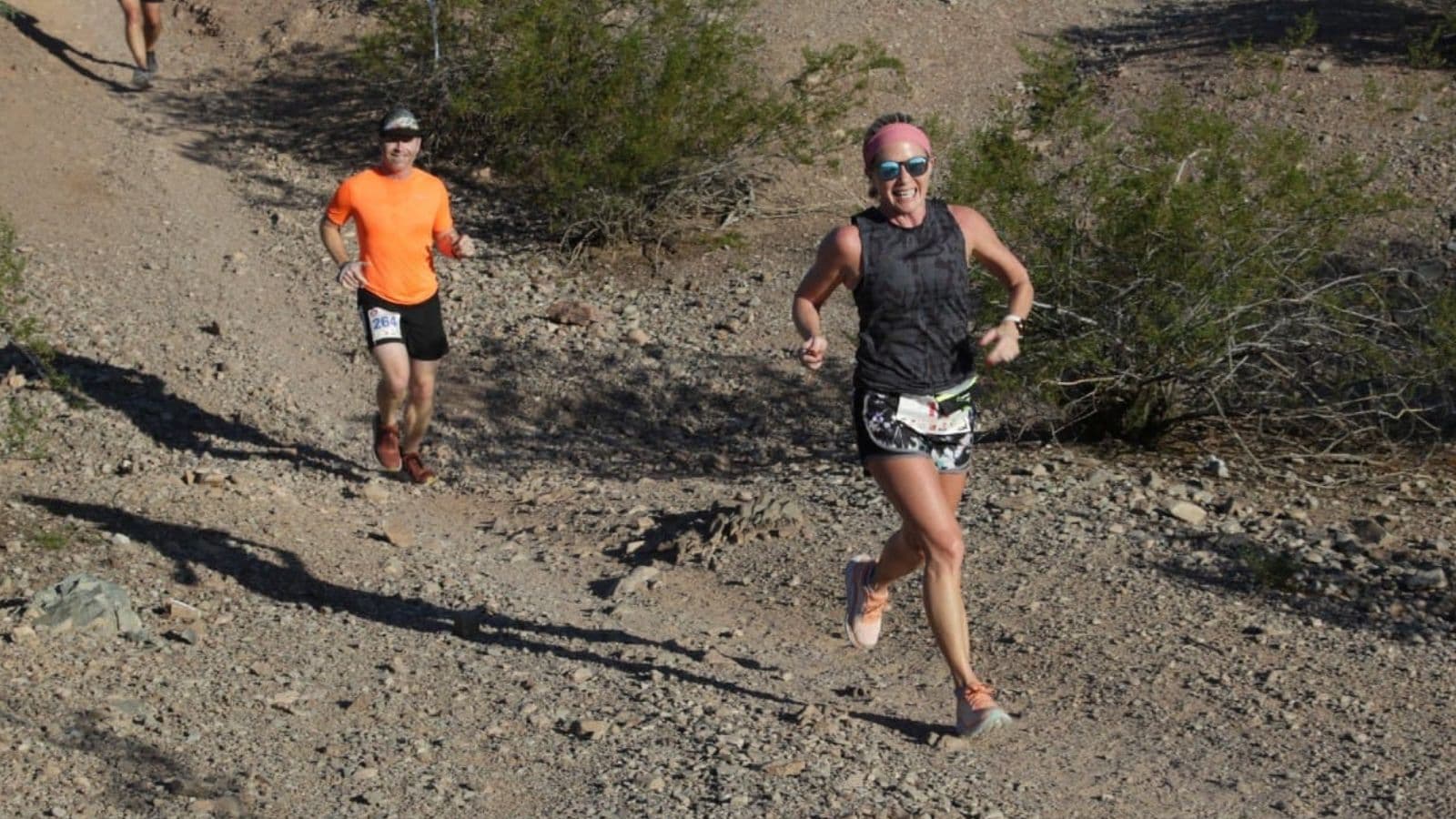
For recreational runners, marathon participants, and ultramarathon athletes, prevention involves recognizing situations that increase risk and responding appropriately to concerning symptoms. Understanding the difference between ordinary training soreness and possible clot-related symptoms is especially important.
In Short
- Regular physical activity supports healthy circulation.
- Long periods of immobility can increase clot risk.
- Move regularly during long journeys.
- Maintain normal hydration.
- Previous blood clots increase future risk.
- Surgery and immobilization require additional precautions.
- One-sided leg swelling or unexplained pain needs prompt assessment.
- Sudden breathlessness or chest pain may indicate an emergency.
- Compression stockings may help selected higher risk travelers.
- Never attempt to massage a suspected blood clot.
What Are Blood Clots and Why Do They Matter?
Blood clotting is a normal process that helps prevent excessive bleeding after an injury. However, a clot forming inside a deep vein can interfere with blood flow. Deep vein thrombosis most commonly affects the legs, although clots can develop elsewhere. A pulmonary embolism occurs when a clot blocks blood flow through an artery in the lungs.
Both conditions require medical attention.
| Condition | Possible symptoms | Action |
|---|---|---|
| Deep vein thrombosis | One sided swelling, pain, warmth, or discoloration | Seek urgent medical assessment |
| Pulmonary embolism | Sudden breathlessness, chest pain, coughing blood, or fainting | Seek emergency medical care immediately |
Some people with DVT experience few or no obvious symptoms.
Can Runners Develop Blood Clots?
Yes. Being physically active does not provide complete protection. Runners may face increased risk during situations involving reduced movement, including long distance travel or recovery from significant injuries.
Other established risk factors include:
- Previous DVT or pulmonary embolism.
- Recent major surgery.
- Prolonged immobilization.
- Pregnancy and the postpartum period.
- Estrogen-containing medications.
- Certain cancers and cancer treatments.
- Some inherited clotting disorders.
- Increasing age and other medical conditions.
Understanding how can runners prevent injuries when starting a workout routine can help athletes build sustainable activity habits, although injury prevention does not eliminate clotting risk. Runners with significant personal risk factors should discuss prevention with a healthcare professional.
Avoid Sitting Still for Long Periods
Prolonged immobility can slow blood flow through the legs. This is particularly relevant during flights, car journeys, and extended periods of sitting.
Practical precautions include:
- Standing and walking regularly when safe.
- Moving the ankles while seated.
- Flexing and extending the feet.
- Avoiding unnecessarily restrictive clothing.
- Changing sitting positions periodically.
For long journeys, walking or moving approximately every one to two hours is a practical approach. Understanding why is consistency important in trail running training can help runners appreciate the benefits of regular activity, although everyday training and travel related clot prevention serve different purposes.
Maintain Adequate Hydration
Hydration supports normal bodily function, particularly during exercise and travel. Runners should drink according to conditions, activity demands, and individual needs. However, evidence does not establish that drinking extra water by itself prevents DVT. Avoid both dehydration and excessive fluid consumption. Understanding hydration strategy for runners can help athletes develop sensible fluid habits during training and racing. Do not force large volumes of water specifically to prevent blood clots.
Take Precautions During Race Travel
Marathon and ultramarathon runners may spend several hours traveling to events. Long journeys involving limited movement can increase DVT risk, particularly in people with additional risk factors.
Before and during travel:
- Move regularly when possible.
- Perform seated ankle movements.
- Allow opportunities to walk.
- Follow normal hydration habits.
- Discuss additional precautions with a clinician if you have elevated risk.
Understanding how do you balance training recovery and tapering effectively can help runners plan race preparation without adding unnecessary physical stress. Some higher risk travelers may benefit from properly fitted graduated compression stockings, but these are not routinely necessary for everyone.
Be Careful During Injury Recovery
Running injuries sometimes require reduced activity, bracing, or immobilization. A leg cast, restricted weight bearing, or prolonged bed rest can increase blood clot risk. Understanding how to avoid running injuries as mileage increases can help runners reduce avoidable training problems. However, if an injury requires immobilization, ask your healthcare professional whether a formal clot risk assessment or preventive treatment is necessary. Do not resume running simply to reduce clot risk when the injury requires protection.
Recognize Unusual Leg Symptoms
DVT symptoms can resemble some ordinary running complaints. However, certain features deserve particular attention.
Possible warning signs include:
- New swelling affecting one leg.
- Unexplained calf or thigh pain.
- Warmth over the affected area.
- Skin redness or discoloration.
- Tenderness without a clear injury.
Understanding how to reduce muscle soreness after downhill running can help runners recognize familiar post exercise discomfort, but soreness patterns cannot reliably rule out DVT. A suspected clot cannot be diagnosed or excluded through stretching, massage, or checking whether walking improves the pain. Seek urgent medical assessment if DVT is suspected.
Understand When Compression May Help
Graduated compression stockings apply controlled pressure to the legs. They may help reduce travel-related DVT risk in selected people with additional risk factors. However, ordinary running compression socks are not automatically equivalent to medically fitted stockings. Compression should not replace movement or medical advice. People with significant arterial circulation problems or other relevant conditions should seek professional guidance before using medical compression.
Return to Exercise Safely After Illness or Surgery
Major surgery, hospitalization, and prolonged immobility can increase clotting risk. The appropriate return to running depends on the underlying condition and recovery. Understanding how can you start trail running again after time off can help runners approach gradual training progression. However, a return to running plan after surgery or a diagnosed blood clot requires individualized medical guidance. Some patients need prescribed anticoagulant medication or specific movement restrictions. Never change these treatments independently.
Know the Emergency Symptoms of Pulmonary Embolism
Pulmonary embolism can develop suddenly and may be life-threatening.
Emergency warning signs include:
- Sudden unexplained shortness of breath.
- Chest pain, especially when breathing.
- Coughing blood.
- Fainting or severe lightheadedness.
- Unexplained rapid heartbeat with other concerning symptoms.
Call emergency services immediately if these symptoms occur. Do not attempt to run through them or drive yourself to hospital. Understanding when should you stop during a trail run can reinforce the importance of stopping exercise when serious symptoms appear.
Can Running Prevent Blood Clots?
Regular physical activity can support circulation and general cardiovascular health. However, no running distance or weekly mileage guarantees protection from DVT or pulmonary embolism. Understanding how to build an aerobic base for running can help athletes establish consistent exercise habits. Blood clot prevention also depends on recognizing medical risk factors and taking appropriate precautions during periods of reduced mobility.
Common Mistakes
- Assuming fit runners cannot develop blood clots.
- Ignoring unexplained one-sided leg swelling.
- Mistaking every calf pain for muscle soreness.
- Remaining seated throughout long journeys.
- Massaging a suspected clot.
- Taking aspirin without medical advice.
- Using compression socks as a substitute for assessment.
- Returning to exercise against medical instructions.
- Ignoring sudden breathlessness.
- Delaying emergency care for chest pain.
Practical Tips
- Move regularly during long journeys.
- Perform seated ankle movements.
- Maintain sensible hydration.
- Know your personal risk factors.
- Follow post-surgery movement instructions.
- Seek advice after prolonged immobilization.
- Watch for unexplained one-sided leg symptoms.
- Avoid self-treating suspected clots.
- Follow prescribed medication instructions.
- Seek emergency care for possible pulmonary embolism.
Actionable Takeaways
- Stay active and avoid prolonged immobility.
- Take movement breaks during travel.
- Recognize DVT warning signs.
- Seek urgent assessment for suspected clots.
- Treat pulmonary embolism symptoms as an emergency.
FAQs
Yes. Regular exercise does not eliminate blood clot risk, particularly when other medical or situational risk factors are present.
Regular activity supports circulation, but running alone cannot guarantee protection against DVT.
Yes. Prolonged sitting during travel can increase risk, especially for people with additional clotting risk factors.
Possible signs include unexplained one-sided swelling, pain, warmth, or discoloration. Some clots cause few symptoms.
Symptoms can overlap. New unexplained one-sided swelling or pain requires medical assessment rather than self-diagnosis.
Adequate hydration supports normal health, but drinking extra water has not been established as an effective standalone DVT prevention strategy.
Some higher-risk travelers may benefit from medically appropriate compression stockings. Individual recommendations depend on risk factors.
Do not continue running when a clot is suspected. Seek urgent medical assessment and follow professional instructions.