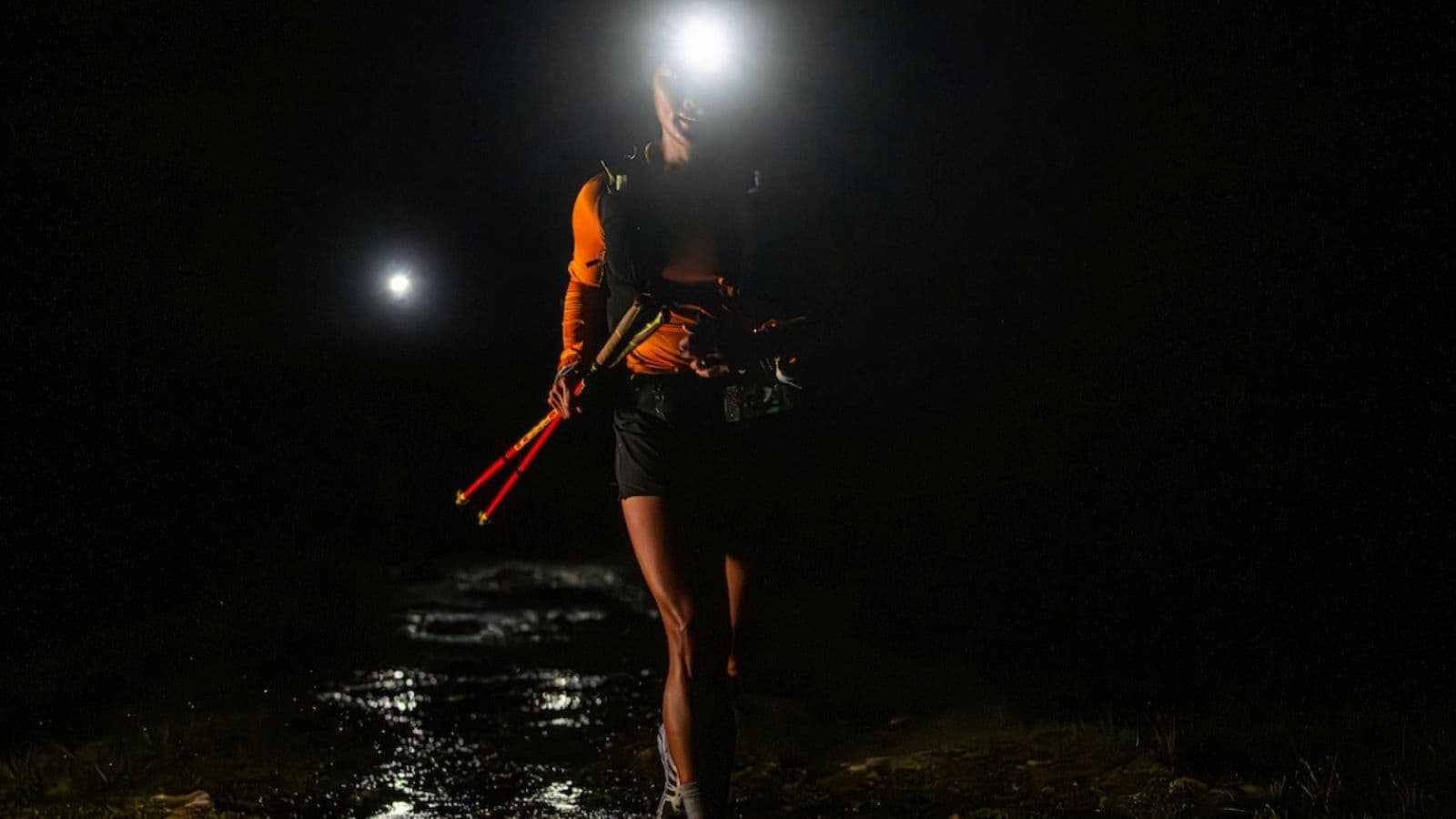



Running on trails after dark transforms familiar routes into completely different experiences. Limited visibility, changing temperatures and reduced depth perception mean night trail running demands greater awareness, planning and preparation than daytime running. While it can seem intimidating at first, many trail runners enjoy the peaceful atmosphere, cooler conditions and heightened focus that come with running at night. Whether you’re preparing for your first evening training run or an overnight ultramarathon, learning the right techniques can help you stay safe and confident. This guide explains everything you need to know before heading onto the trails after sunset.
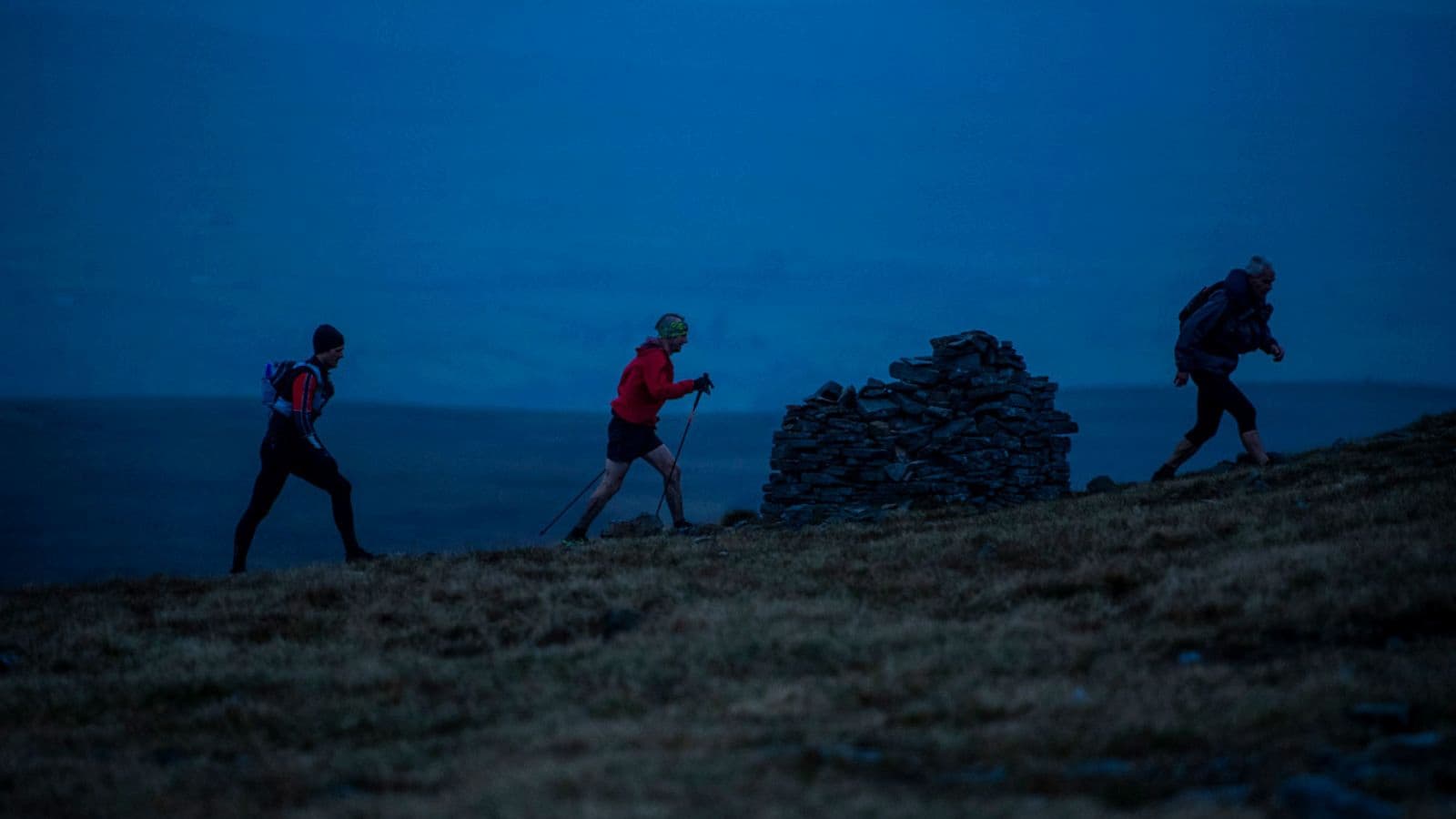
In Short
- Choose familiar trails for your first night runs.
- Wear a powerful head torch with spare batteries.
- Dress for changing nighttime temperatures.
- Slow your pace to match visibility.
- Stay visible with reflective clothing.
- Carry essential safety equipment.
Why Night Trail Running Feels Different?
Trail running at night challenges your senses in ways that daytime running doesn’t.
Reduced visibility means your brain works harder to:
- Spot uneven ground.
- Judge distances.
- React to obstacles.
- Navigate junctions.
- Maintain balance.
Many runners naturally shorten their stride and become more cautious, which is perfectly normal.
The confidence to run smoothly after dark develops through regular practice rather than speed.
Choose a Familiar Trail
Your first night trail run shouldn’t be on unfamiliar terrain. Instead, choose a route that you already know well.
Familiar trails allow you to:
- Anticipate technical sections.
- Recognise landmarks.
- Reduce navigation errors.
- Build confidence.
If you’re completely new to trail running, how to start trail running safely as a beginner explains the fundamental skills that should be mastered before running after dark.
Invest in a Quality Head Torch
Your head torch is the most important piece of equipment for night trail running.
Look for one that offers:
- Sufficient brightness for technical terrain.
- Adjustable beam settings.
- Comfortable fit.
- Long battery life.
- Weather resistance.
Always charge your torch before leaving and carry spare batteries or a backup light on longer runs.
Consider Carrying a Waist Light
Many experienced trail runners combine a head torch with a waist-mounted light.
Using two light sources helps:
- Improve depth perception.
- Highlight uneven terrain.
- Reduce harsh shadows.
- Make technical descents easier.
Although optional, this setup is particularly useful during mountain races and ultramarathons.
Dress for Cooler Conditions
Temperatures often fall quickly after sunset.
Dress in lightweight layers that allow you to adapt as conditions change.
Consider carrying:
- A lightweight waterproof jacket.
- Gloves.
- A hat or buff.
- Wind-resistant clothing if exposed.
Avoid overdressing, as you’ll still generate significant body heat while running.
Wear Reflective Clothing
Even if you’re running on trails, you’ll often cross roads or car parks.
Reflective clothing improves your visibility to:
- Drivers.
- Cyclists.
- Other runners.
Bright colours and reflective details provide additional safety whenever your route includes shared access areas.
Slow Your Pace
Running at exactly the same pace you manage in daylight isn’t always realistic. Reduced visibility limits how quickly you can safely react.
Instead of focusing on pace, concentrate on:
- Smooth foot placement.
- Good balance.
- Efficient movement.
- Controlled descents.
Understanding how to improve your running form without overthinking it can help you remain efficient even when visibility is limited.
Watch Your Foot Placement
Night running rewards careful foot placement. Keep your eyes focused a few metres ahead rather than directly beneath your feet.
This allows you to:
- Identify obstacles earlier.
- Maintain smoother movement.
- Reduce sudden changes of direction.
- Improve rhythm.
Looking too close to your feet often makes technical terrain feel more difficult than it actually is.
Carry Essential Safety Equipment
Even relatively short night runs should include basic emergency equipment.
Carry items such as:
- Fully charged phone.
- Head torch.
- Spare batteries.
- Emergency whistle.
- Lightweight waterproof jacket.
- Hydration if running for extended periods.
Being prepared provides reassurance if conditions change unexpectedly.
Tell Someone Your Plans
Always let someone know:
- Your planned route.
- Expected finish time.
- Where you’re parking.
- When you’ll check in afterwards.
If plans change, update them whenever possible. This simple habit is one of the easiest ways to improve safety during solo trail runs.
Stay Hydrated
Cooler temperatures can reduce your sensation of thirst, but hydration still matters. Drink regularly during longer runs, particularly if you’re carrying extra equipment or climbing steep trails. Planning your fluids properly becomes even more important for longer adventures. Hydration strategy for runners explains how to stay hydrated without carrying unnecessary weight.
Practise Using Your Head Torch
Running with a head torch feels different from running in daylight.
Before attempting a long night run, spend time practising:
- Adjusting the beam angle.
- Switching brightness settings.
- Running on different terrain.
- Judging rocks and roots in low light.
The more familiar you become with your lighting system, the more naturally you’ll move across technical trails.
Adapt Your Running Technique
Night trail running requires small adjustments rather than a complete change in form.
Aim to:
- Shorten your stride slightly.
- Increase your cadence.
- Stay relaxed through your upper body.
- Keep your centre of gravity balanced.
- Scan the trail ahead instead of staring directly at your feet.
Increasing cadence can also reduce impact forces on uneven terrain. How does increasing running cadence help prevent knee injuries explains why quicker, lighter steps can improve both efficiency and injury prevention.
Fuel Properly Before and During Your Run
Night runs are often longer than expected, especially if technical terrain slows your pace. Eat an appropriate meal two to three hours beforehand and carry fuel if you’ll be running for more than 90 minutes.
Suitable options include:
- Energy gels.
- Chews.
- Bananas.
- Energy bars.
For longer adventures, how to fuel for a trail run explains how to maintain steady energy levels throughout your run.
Prepare Mentally
The darkness can make familiar trails feel more challenging.
It’s normal to feel:
- More alert.
- Slightly anxious.
- Less confident initially.
These feelings usually fade as you gain experience. Focus on steady breathing, relaxed running and enjoying the unique atmosphere rather than worrying about your pace.
Run with Others When Possible
Running with a partner or group is one of the best ways to build confidence.
Benefits include:
- Improved safety.
- Shared navigation.
- Extra lighting.
- Greater motivation.
- Immediate assistance if needed.
Many local running clubs organise regular evening trail runs specifically for beginners.
Respect Wildlife and Trail Conditions
Night is often when wildlife is most active.
Stay aware of:
- Animals crossing the trail.
- Wet rocks.
- Mud.
- Fallen branches.
- Low-hanging obstacles.
Adjust your speed whenever conditions become more technical or visibility decreases.
Prepare for Emergencies
Although most night runs are uneventful, it’s wise to have a backup plan.
Know:
- The quickest route back.
- Emergency access points.
- Mobile phone coverage along your route.
- Alternative exit paths if weather changes.
Preparation helps you stay calm should anything unexpected occur.
Build Experience Gradually
Don’t begin with an all-night ultramarathon.
Instead, progress gradually by:
- Running at dusk.
- Completing short evening trail runs.
- Extending your distance over time.
- Exploring slightly more technical routes as confidence grows.
Like every trail running skill, confidence develops through repetition. If you’re preparing for longer trail races, what should you know before your first trail run provides additional guidance for building experience safely.
Common Mistakes
- Running unfamiliar trails after dark.
- Using an underpowered head torch.
- Forgetting spare batteries.
- Running too fast for the conditions.
- Wearing too many or too few layers.
- Failing to tell someone your planned route.
- Ignoring changing weather conditions.
- Starting with overly technical terrain.
Practical Tips
- Test all equipment before leaving home.
- Charge your head torch fully.
- Carry a backup light for longer runs.
- Slow your pace until you gain confidence.
- Stay on familiar trails initially.
- Carry emergency contact information.
- Dress in layers for changing temperatures.
- Practise night running regularly before racing after dark.
Actionable Takeaways
Night trail running can be an enjoyable way to train and prepare for races, but it requires thoughtful planning and the right equipment. A reliable head torch, familiar trails, appropriate clothing and realistic pacing will make your runs both safer and more enjoyable.
Start with short, familiar routes and gradually build your confidence as your navigation and trail awareness improve. With regular practice, running after dark becomes another valuable skill that expands your opportunities to train throughout the year.
FAQs
Yes, provided you prepare properly, carry suitable equipment, choose appropriate routes and let someone know your plans.
Choose a lightweight head torch with enough brightness for technical terrain, good battery life and weather resistance.
Beginners should first become comfortable with daytime trail running before progressing to short runs on familiar trails after dark.
Run slightly slower than you would in daylight and focus on maintaining smooth, controlled movement rather than speed.
Carry a head torch, spare batteries, a phone, emergency whistle, hydration and appropriate clothing for the conditions.
Wear lightweight layers that can be adjusted as temperatures change, and avoid standing still for long periods.
Running with others is preferable, but if running solo, choose familiar routes and always tell someone where you’re going.
Practice regularly on familiar trails, use reliable lighting and gradually increase the complexity of your routes.