
Running gait analysis can be worth it for runners experiencing recurring injuries, persistent discomfort, or specific problems with running technique. It provides information about how your body moves while running and may help identify movement patterns worth investigating. However, it is not essential for every runner, and an assessment cannot guarantee better performance or prevent injuries. Running gait refers to the sequence of movements your body makes during each running stride. Gait analysis examines how your feet, ankles, knees, hips, and other body segments move together. Depending on the assessment, it may also evaluate cadence, stride length, ground contact, and movement symmetry.
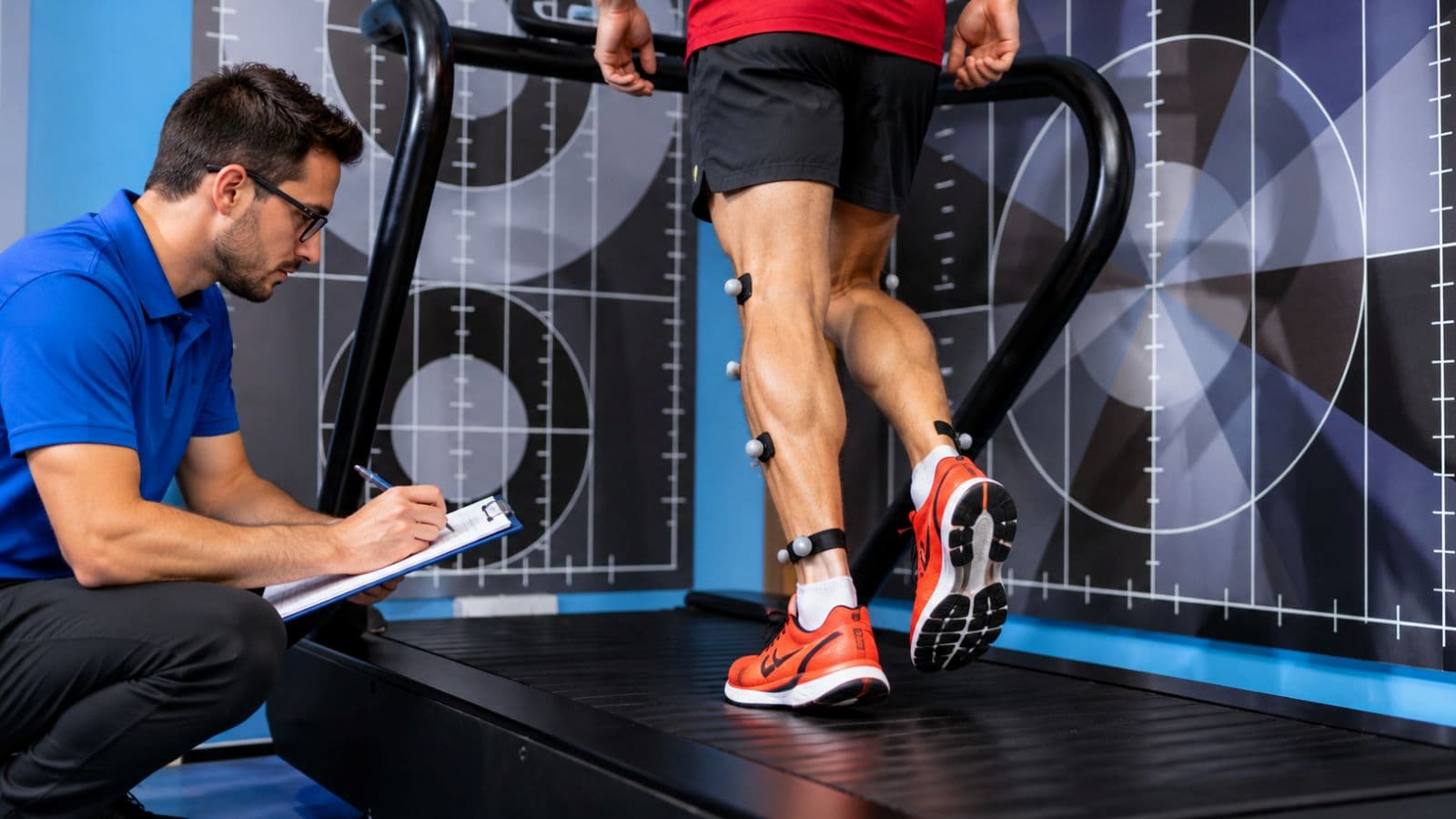
Some running stores offer basic treadmill assessments to help customers choose shoes. Sports physiotherapists and biomechanics specialists may provide more detailed evaluations, particularly when investigating recurring pain or rehabilitation problems. It is whether the analysis identifies a meaningful problem and provides practical recommendations. For comfortable, injury free runners, consistent training and suitable footwear may be more valuable than pursuing an idealized running technique.
In Short
- Gait analysis examines running movement.
- It can identify observable movement patterns.
- It may help investigate recurring injuries.
- Not every runner needs an assessment.
- Treadmill and outdoor running can differ.
- Pronation is not automatically a problem.
- Foot strike alone does not determine injury risk.
- Shoe recommendations should consider comfort.
- Technique changes require gradual adaptation.
- Assessment findings need proper interpretation.
What Is Running Gait Analysis?
Running gait analysis is an assessment of how you move during running.
Depending on the method, it may examine:
- Foot placement.
- Ankle movement.
- Knee alignment.
- Hip stability.
- Pelvic movement.
- Trunk posture.
- Arm movement.
- Running cadence.
- Stride length.
Basic assessments often use video recordings, while advanced laboratories may use motion sensors, force plates, or three dimensional movement analysis. Understanding running form tips for beginners can help explain the fundamental movement patterns commonly observed during these assessments.
How Does Running Gait Analysis Work?
A typical assessment begins with questions about your running history.
The practitioner may ask about:
- Current training volume.
- Running experience.
- Injury history.
- Footwear.
- Running surfaces.
- Current discomfort.
- Performance goals.
You may then run on a treadmill or suitable outdoor surface while your movement is recorded. The practitioner reviews the footage and discusses relevant findings. A useful assessment should explain what matters, why it matters, and whether any changes are necessary.
What Can Gait Analysis Reveal?
Gait analysis can identify observable characteristics of your running technique.
These may include:
- Uneven movement between legs.
- Changes in cadence.
- Excessive reaching ahead with the foot.
- Limited movement at certain joints.
- Differences in hip or knee control.
- Changes in posture during fatigue.
However, identifying a movement pattern does not automatically establish that it causes pain or increases injury risk.
The findings must be considered alongside your symptoms, strength, mobility, and training history.
Is Gait Analysis Useful for Preventing Injuries?
Gait analysis may help identify movement factors relevant to an individual runner’s injury. However, there is no single running technique that guarantees freedom from injury.
Running injuries are influenced by several factors:
- Training load.
- Previous injuries.
- Recovery.
- Strength.
- Tissue capacity.
- Running surfaces.
- Individual biomechanics.
Understanding what training habits increase injury risk in runners is important because excessive training stress can contribute to problems even when running technique appears normal. Gait analysis should support a broader assessment rather than replace it.
Can Gait Analysis Help With Recurring Pain?
Yes, particularly when performed by a qualified clinician who can connect movement findings with your symptoms.
For example, recurring knee discomfort may require examination of:
- Hip strength.
- Knee movement.
- Training progression.
- Footwear.
- Running cadence.
- Previous injuries.
A clinician can determine whether movement retraining, strength exercises, training adjustments, or further medical evaluation is appropriate.
The principles in how to prevent running injuries with strength and mobility training can complement findings from a clinical gait assessment.
Does Pronation Mean Your Running Form Is Wrong?
No. Pronation is a normal movement of the foot during running. It helps the foot adapt to the ground and manage loading. Runners naturally display different amounts of pronation. An assessment should not automatically classify every visible inward foot movement as harmful. Understanding how does pronation affect your running gait helps distinguish normal foot mechanics from movement patterns that may be relevant to an individual’s symptoms.
Can Gait Analysis Help You Choose Running Shoes?
It can provide useful information, but gait analysis should not be the only factor determining shoe selection.
Consider:
- Comfort.
- Proper fit.
- Intended running surface.
- Training distance.
- Personal preferences.
- Previous experience.
A brief treadmill video cannot reliably predict which shoe will prevent injuries.
For most runners, comfortable footwear that fits properly and performs well during normal running is a sensible starting point.
Is Foot Strike Important?
Foot strike describes which part of your foot contacts the ground first.
Common patterns include:
- Rearfoot striking.
- Midfoot striking.
- Forefoot striking.
None is automatically best for every runner. Changing foot strike can redistribute loading to different muscles and tissues. Forcing a forefoot landing without a clear reason may increase demands on the calves and Achilles tendon. Understanding does forefoot running reduce injury risk can help runners avoid assuming that one landing pattern is universally safer.
Can Gait Analysis Improve Running Performance?
Potentially, but the benefits depend on what the assessment identifies. Some runners may improve movement efficiency through appropriate changes in cadence, stride mechanics, or strength. However, not every visible difference from an idealized running pattern requires correction. Running economy, which describes the energy needed to maintain a particular pace, is influenced by multiple factors. Using how to improve your running form without overthinking it can help runners make purposeful adjustments without becoming excessively focused on every movement.
When Is Running Gait Analysis Worth Paying For?
A professional assessment may be particularly useful when:
- Injuries repeatedly return.
- Pain persists despite training adjustments.
- Running mechanics change after injury.
- Rehabilitation progress has stalled.
- A coach or clinician identifies a specific concern.
- You need detailed technique feedback.
It may be less valuable when you run comfortably, have no recurring problems, and simply want confirmation that your technique looks normal.
Running Store vs Clinical Gait Analysis
These assessments serve different purposes.
| Assessment | Main purpose |
|---|---|
| Running store analysis | Footwear guidance |
| Sports physiotherapy assessment | Movement and injury evaluation |
| Biomechanics laboratory | Detailed movement measurement |
| Coaching video analysis | Technique and performance feedback |
A running store assessment is not a substitute for clinical evaluation of persistent pain.
Choose the service according to the question you need answered.
Should You Change Your Running Form After Analysis?
Not necessarily. Some findings describe normal individual differences. When a meaningful adjustment is recommended, introduce it gradually.
Possible changes include:
- Small cadence adjustments.
- Strength exercises.
- Improved movement control.
- Reduced overstriding.
- Training load modification.
Understanding how does increasing running cadence help prevent knee injuries can provide context for why cadence changes may sometimes help redistribute loading, although they are not necessary for every runner. Avoid changing several movement patterns simultaneously.
What If Your Running Form Changes With Fatigue?
Running technique can change as muscles become tired.
A runner may show:
- Reduced postural control.
- Altered stride length.
- Changes in cadence.
- Greater movement variability.
These changes may be more noticeable during longer runs. An assessment performed only during a short, fresh treadmill run may not fully represent your normal running. Understanding why does running form break down when you get tired can help connect technique changes with endurance and muscular fatigue.
What Should You Ask Before Booking?
Before paying for gait analysis, ask:
- Who performs the assessment?
- What qualifications do they have?
- Is it intended for injury assessment or footwear selection?
- Will you receive practical recommendations?
- Does the assessment include your training history?
- Is follow up available?
A detailed explanation and useful action plan matter more than complicated equipment alone.
Common Mistakes
- Assuming gait analysis prevents every injury.
- Treating pronation as automatically harmful.
- Changing foot strike without a reason.
- Buying shoes based only on a short video.
- Ignoring training load.
- Making several technique changes simultaneously.
- Expecting immediate performance improvements.
- Using retail analysis to diagnose persistent pain.
Practical Tips
- Identify your reason for seeking analysis.
- Choose an appropriately qualified practitioner.
- Explain your injury and training history.
- Wear familiar running shoes.
- Ask which findings actually matter.
- Request practical recommendations.
- Introduce technique changes gradually.
- Monitor comfort and symptoms afterward.
Actionable Takeaways
- Consider gait analysis when you have a specific running concern.
- Do not assume every unusual movement needs correction.
- Prioritize qualified interpretation over expensive technology.
- Make gradual changes based on meaningful findings.
FAQs
It can be worthwhile for recurring injuries, persistent discomfort, or specific technique concerns. Healthy runners without problems may not need it.
No. Most beginners can start running safely without professional gait analysis.
It may identify relevant movement factors, but it cannot reliably prevent every injury.
It can provide information, but shoe comfort, fit, and personal experience remain important.
It can provide useful movement information, although treadmill mechanics may differ from outdoor running.
It can identify foot movement patterns, but pronation alone does not establish an injury problem.
Only when there is a clear reason and an appropriate plan. Changing foot strike unnecessarily may create new loading demands.
It may help identify useful technique changes, but faster running is not guaranteed.