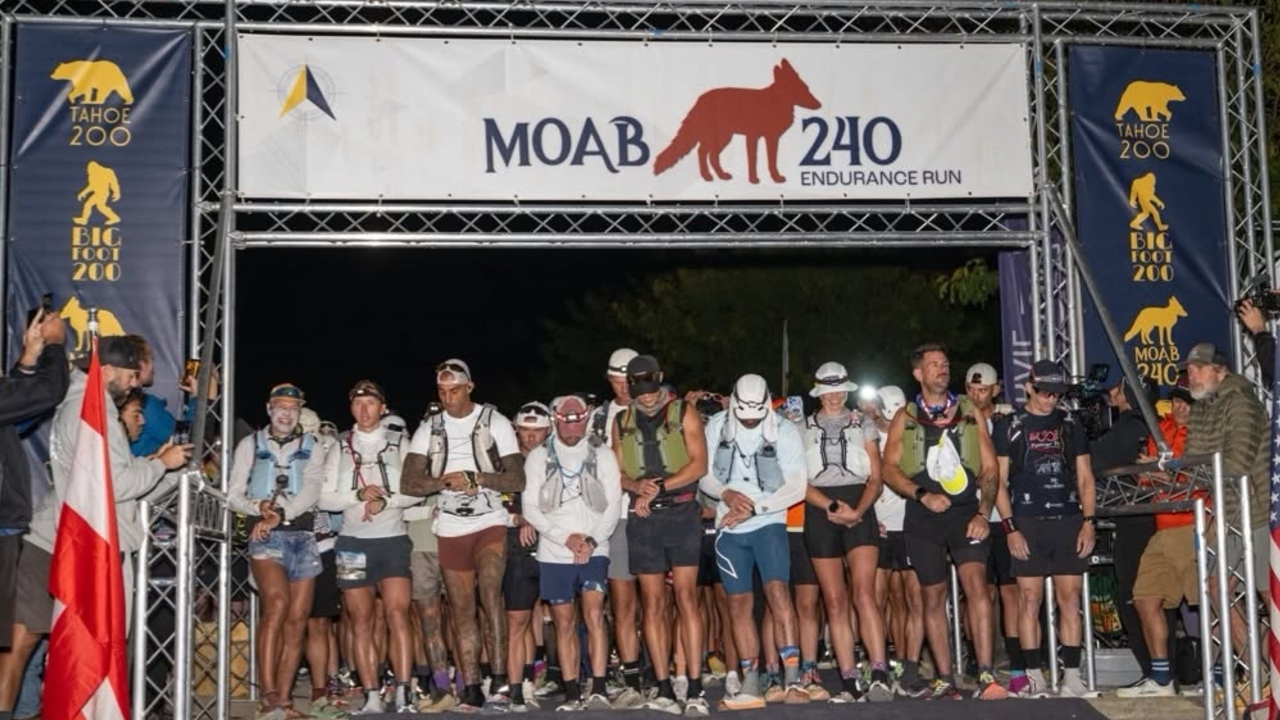
Road runners often measure every workout by distance, but trail running introduces variables that can make distance far less meaningful. Steep climbs, technical descents, mud, rocks and changing terrain all influence how long a run takes and how hard your body works. A 10km trail run can feel completely different from another 10km on a different route. Because of these differences, many experienced trail runners use time rather than distance to guide their training. That doesn’t mean distance has no value, it simply means both methods have advantages depending on your experience, training goals and the type of race you’re preparing for.

In Short
- Time-based training suits most trail runners.
- Distance still has an important role.
- Terrain affects running speed.
- Focus on effort rather than pace.
- Match training to your race goals.
Why Trail Running Is Different?
Unlike road running, trail routes constantly change.
Factors affecting your pace include:
- Steep climbs.
- Rocky terrain.
- Mud.
- Technical descents.
- Altitude.
- Weather.
Because of this, distance alone rarely reflects the true training load.
Benefits of Training by Time
Time-based training allows you to focus on effort instead of pace.
It offers several advantages:
- More consistent training load.
- Easier planning.
- Better endurance development.
- Greater flexibility.
Many coaches prefer prescribing runs such as:
- 45 minutes easy.
- 90-minute long run.
- 30-minute recovery run.
rather than fixed distances.
When Distance Still Works?
Distance remains useful for:
- Road sections.
- Race preparation.
- Benchmark sessions.
- Progress tracking.
If you’re training for a specific trail race distance, gradually becoming familiar with covering similar distances can build confidence.
Match Training to Your Goals
Your training method should reflect your objective.
For example:
- Beginners often benefit from time-based running.
- Marathon runners may use both.
- Ultrarunners usually prioritise time on feet.
- Short trail races may include more distance-based sessions.
Developing how to build strength and speed for trail races helps you match your workouts to your target event.
Time on Feet Builds Endurance
Trail races often reward durability more than speed.
Longer time-based runs improve:
- Aerobic endurance.
- Muscular endurance.
- Fuel utilisation.
- Mental resilience.
If you’re preparing for longer events, what is the best way to train for long trail runs explains why time on your feet is so valuable.
Use Effort Alongside Time
Instead of focusing only on pace, consider your effort.
Most endurance runs should feel:
- Comfortable.
- Sustainable.
- Controlled.
- Conversational.
Understanding why your trail workouts should be smarter not harder helps you avoid turning every session into a hard workout.
Terrain Should Guide Your Pace
Running uphill naturally slows your pace. Downhill sections may speed it up.
Rather than chasing average pace:
- Run to effort.
- Accept slower climbs.
- Stay controlled on descents.
- Let terrain dictate your speed.
This approach produces more consistent training regardless of where you run.
Prepare for Your Target Race
Distance becomes increasingly useful as race day approaches.
For example:
- A 10km trail race benefits from occasional distance-specific sessions.
- An ultramarathon requires extended time on your feet.
- Mountain races may require more climbing than distance.
Your race goals should always influence how you structure your training. Following how to prepare for your first trail 10k race helps balance both time and distance when training for shorter events.
Beginners Should Focus on Time
New trail runners often progress more safely by ignoring pace and distance.
Time-based running helps beginners:
- Avoid overtraining.
- Build confidence.
- Develop aerobic fitness.
- Enjoy the trails.
As experience grows, distance becomes a more useful planning tool. If you’re just starting out, what should you know before your first trail run explains how to build a solid foundation.
Listen to Your Body
No training plan should override how you feel.
Adjust your session if you experience:
- Unusual fatigue.
- Persistent soreness.
- Poor recovery.
- Illness.
- Extreme weather.
Being flexible helps you maintain long-term consistency. Developing how to stay consistent with trail running without overtraining allows you to adapt your training without losing progress.
Use Technology Wisely
GPS watches are valuable tools, but they shouldn’t dictate every decision.
Use them to:
- Track time.
- Record distance.
- Monitor elevation.
- Review progress.
Avoid becoming obsessed with average pace, particularly on technical trails. Learning why runners should not rely on their training data helps you use technology as a guide rather than letting it control every run.
Combine Both Methods
Many experienced trail runners use both approaches throughout the season.
For example:
- Time for easy runs.
- Time for long runs.
- Distance for race simulations.
- Distance for progress tracking.
Using both methods provides flexibility while ensuring your training remains specific to your goals.
Stay Consistent
The best training method is the one you can follow consistently.
Whether you use time, distance or a combination of both:
- Train regularly.
- Progress gradually.
- Recover properly.
- Enjoy the process.
Consistency always produces better results than constantly changing your approach.
Common Mistakes
- Comparing trail pace with road pace.
- Running every session too hard.
- Ignoring terrain difficulty.
- Increasing volume too quickly.
- Chasing GPS pace uphill.
- Skipping recovery days.
- Following distance rigidly in poor conditions.
- Forgetting to enjoy the trails.
Practical Tips
- Use time for most trail runs.
- Match training to your race goals.
- Run to effort instead of pace.
- Build endurance gradually.
- Adapt to terrain and weather.
- Track long-term progress.
- Stay flexible with your plan.
- Prioritise consistency.
Actionable Takeaways
For most trail runners, training by time provides a more accurate reflection of the physical demands of running on varied terrain. It encourages consistent effort, reduces unnecessary pressure to maintain pace and better prepares you for the unpredictable nature of trail races.
Distance still has an important role, particularly when preparing for specific events, but it works best when combined with time-based training. Using both methods appropriately allows you to build endurance, improve performance and enjoy more effective trail running.
FAQs
For many runners, yes. Time reflects the effort required on varied terrain more accurately than distance alone.
Beginners generally benefit more from time-based running because it encourages gradual endurance development without worrying about pace.
Yes. Distance is useful for race preparation, progress tracking and becoming familiar with event demands.
Steep climbs, technical terrain, mud and elevation changes naturally reduce running speed.
In most cases, focus on effort rather than pace, especially during endurance runs.
Ultrarunners often prioritise time on feet because long races are determined more by endurance than pace.
Absolutely. Many experienced trail runners use both depending on the purpose of each workout.