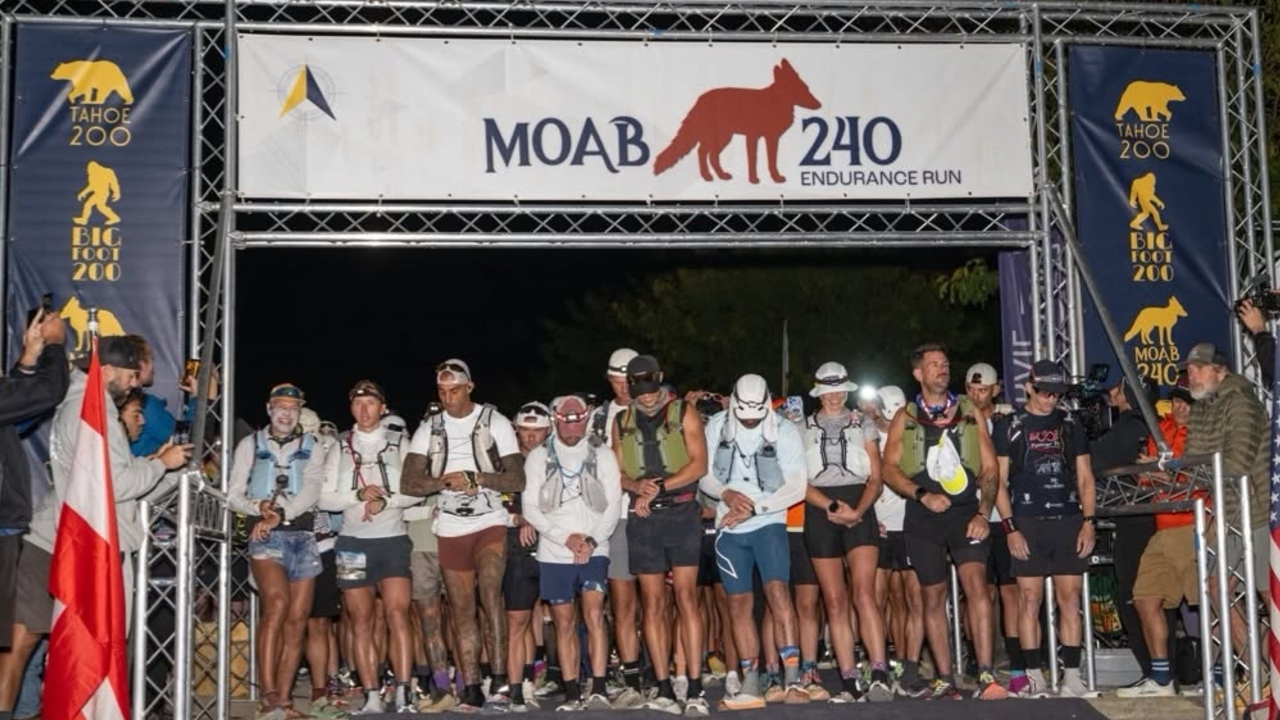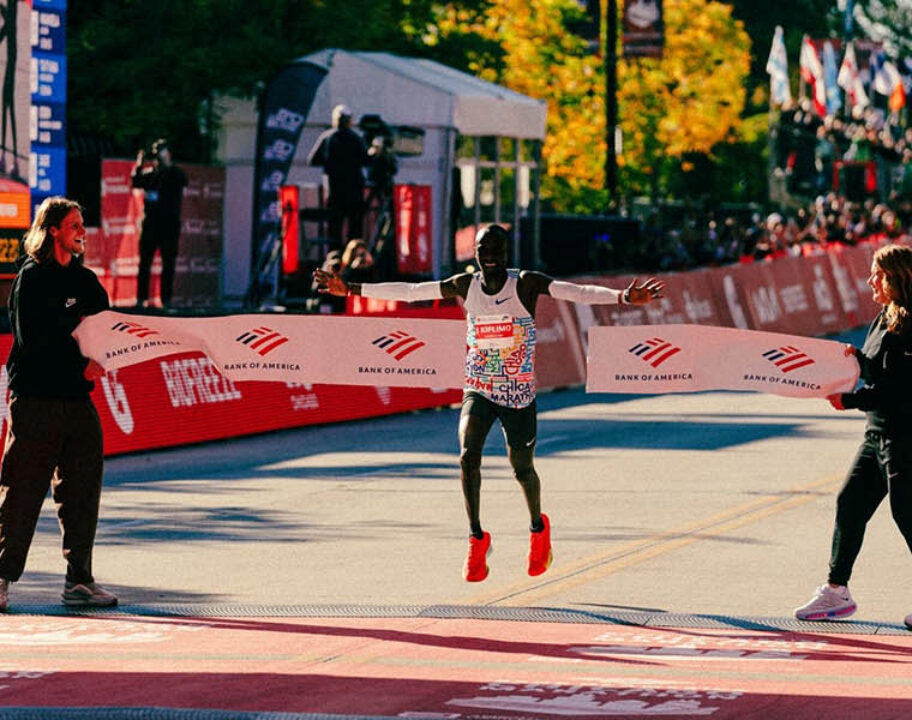



Many trail runners fall into the trap of believing that every workout needs to be harder than the last. More elevation, more mileage, faster intervals, and longer long runs can seem like the obvious path to improvement. However, the runners who make the most consistent progress are rarely the ones who train the hardest every day. Instead, they focus on training smarter. They understand that fitness is built through a combination of purposeful workouts, recovery, consistency, and strategic planning rather than constant exhaustion. Whether you’re training for your first trail race or preparing for an ultramarathon, learning to train smarter can help you improve performance while reducing the risk of injury and burnout.

Harder Doesn’t Always Mean Better
Many runners assume that the most difficult workout is automatically the most effective.
In reality, excessively hard training can lead to:
- Poor recovery
- Increased injury risk
- Mental fatigue
- Inconsistent training
The goal of every workout should be to create a specific adaptation rather than simply leave you exhausted. Athletes who understand how can new mothers rebuild fitness for trail running know that sustainable progress often comes from balancing effort with recovery.
Train With Purpose
Every session should have a clear objective.
Examples include:
- Building aerobic fitness
- Improving climbing strength
- Developing speed
- Enhancing recovery
If a workout lacks purpose, it may simply add fatigue without providing meaningful benefits. Smart runners know exactly why they are doing each session.
Easy Runs Are Powerful
One of the biggest misconceptions in endurance sports is that easy runs don’t count.
Easy running helps:
- Build aerobic capacity
- Support recovery
- Improve endurance
- Increase training consistency
Athletes who understand how can you beat first-mile fatigue in trail running know that strong performances often begin with a solid aerobic foundation built through consistent, manageable training.
Focus on Quality Over Quantity
More miles are not always better miles. A well-structured week of training often produces greater benefits than simply adding distance.
Smart training emphasises:
- Workout quality
- Recovery quality
- Long-term progression
Rather than chasing arbitrary mileage targets.
Recovery Creates Improvement
Training creates stress. Recovery creates adaptation.
Without recovery:
- Muscles remain fatigued
- Performance stagnates
- Injury risk rises
Athletes who understand how does the menstrual cycle affect running performance often appreciate that recovery needs can vary significantly between individuals and throughout different periods of training.
Build Strength Alongside Endurance
Many trail runners focus exclusively on running.
However, strength training can improve:
- Stability
- Climbing ability
- Injury resistance
- Running economy
Strong runners are often more durable runners. Trail terrain rewards athletes who can produce force efficiently and maintain good mechanics under fatigue.
Don’t Turn Every Run Into a Race
Some runners struggle to hold back during training.
Every run becomes:
- Too fast
- Too competitive
- Too demanding
Athletes who understand what are up-down intervals and how do they improve trail racing know that intensity works best when applied strategically rather than constantly. Hard sessions should remain hard, but easy sessions should stay easy.
Adapt Training to Your Goals
Not every runner needs the same workouts.
Training should reflect:
- Race distance
- Terrain
- Experience level
- Available time
Athletes preparing for ultramarathons require different priorities than those training for shorter trail races. Smart training is specific training.
Listen to Your Body
Training plans provide structure, but they should not be followed blindly.
Pay attention to:
- Fatigue levels
- Sleep quality
- Recovery status
- Motivation
Athletes who understand how does iron deficiency affect trail running performance know that performance declines are not always caused by lack of effort. Sometimes the body needs recovery or additional support.
Improve Efficiency Instead of Adding Volume
Better performance often comes from improved efficiency rather than increased workload.
Areas worth improving include:
- Running technique
- Pacing
- Nutrition
- Recovery habits
Small improvements across multiple areas can create substantial gains over time.
Long-Term Progress Beats Short-Term Heroics
Many runners have occasional weeks of extraordinary training. Fewer runners maintain high-quality training for months and years. Athletes who understand how can runners improve longevity in ultrarunning know that durability and consistency are often more important than any single workout. The best training plan is the one you can sustain.
Use Terrain Strategically
Trails offer opportunities to train multiple systems simultaneously.
A single hilly run can improve:
- Endurance
- Strength
- Technical skills
- Mental resilience
Smart runners use terrain intentionally rather than simply making every route as difficult as possible.
Mental Fatigue Matters Too
Physical recovery isn’t the only consideration.
Constantly pushing hard can create:
- Reduced motivation
- Burnout
- Loss of enjoyment
Athletes who understand how do trail runners stay motivated and have fun on the trails know that enjoyment plays a major role in long-term success. Training should challenge you, not drain all enthusiasm from the sport.
Use Data Wisely
GPS watches and performance metrics can be valuable tools. However, numbers should support decision-making rather than dictate it.
Pay attention to:
- Perceived effort
- Recovery
- Overall wellbeing
The smartest runners combine objective data with subjective feedback.
Consistency Wins
Most successful trail runners aren’t the athletes who occasionally produce extraordinary workouts.
They’re the athletes who:
- Show up regularly
- Recover properly
- Train intelligently
Athletes who understand what should you do if you are not ready for race day know that fitness is built gradually through consistent action rather than last-minute efforts.
Common “Train Harder” Mistakes
Many trail runners:
- Run every workout too fast
- Neglect recovery
- Ignore strength training
- Chase mileage excessively
- Compare themselves to others
- Underestimate easy runs
- Train through fatigue
- Prioritise effort over effectiveness
These mistakes often limit progress rather than accelerate it.
How to Train Smarter?
Trail runners can maximise results by:
- Defining the purpose of each workout
- Prioritising consistency
- Recovering properly
- Using intensity strategically
- Strength training regularly
- Monitoring fatigue
- Adapting plans when necessary
- Focusing on long-term progress
The goal of training is not to see how hard you can work today. The goal is to become a stronger runner over months and years. Smart training allows athletes to improve steadily, stay healthy, and continue enjoying the trails for the long haul.
FAQs
It means focusing on purposeful, effective workouts rather than constantly increasing difficulty.
Yes, but they should be used strategically and balanced with recovery.
Absolutely. Easy runs are a key component of aerobic development and recovery.
Most runners benefit from one to two quality sessions per week.
Yes. It improves durability, stability, and running economy.
Yes. Excessive intensity can lead to fatigue, injury, and burnout.
Consistent training produces more long-term gains than occasional extreme efforts.