
Your first trail run can be both exciting and intimidating. Unlike road running, trail running introduces uneven terrain, changing weather conditions, hills, mud, rocks, roots, and a completely different pace of movement. Many runners discover that trail running feels less like a race against the clock and more like an adventure through nature. The good news is that you don’t need special skills or years of experience to get started. With the right expectations and a few practical tips, your first trail run can be safe, enjoyable, and rewarding.
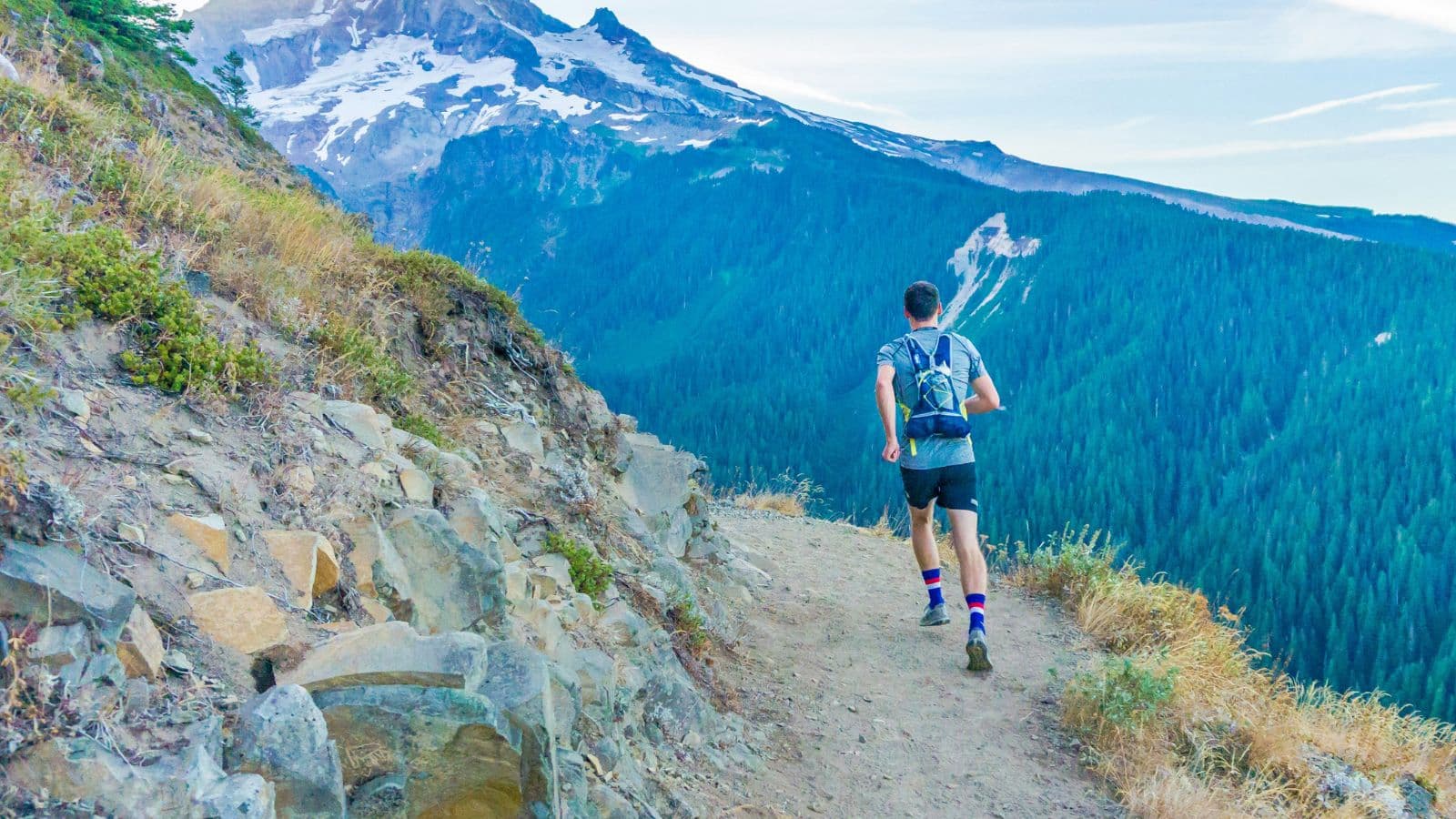
Trail Running Is Different From Road Running
One of the biggest surprises for new trail runners is how different trails feel compared to roads.
Trails often involve:
- Steep climbs
- Technical descents
- Uneven surfaces
- Constant changes in pace
Athletes who understand how does road running help trail running performance know that while road fitness provides a useful foundation, trail running introduces additional challenges that require adaptation.
Don’t Worry About Pace
Many beginners make the mistake of trying to maintain their usual road-running pace.
On trails:
- Terrain varies constantly
- Hills slow you down
- Technical sections require caution
Athletes who understand how can beginners train for trail run safely know that effort is often a better measure than pace when running off-road. Focus on how you feel rather than what your watch says.
Expect to Walk Sometimes
Walking is a normal part of trail running.
Even experienced trail runners often hike:
- Steep climbs
- Technical sections
- Long mountain ascents
Athletes who understand what is a walk-run progression and how does it work know that strategic walking can conserve energy and improve overall performance. Walking isn’t failure, it’s part of the sport.
Start With Easier Trails
Your first trail run doesn’t need to involve mountains or extreme terrain.
Look for:
- Well-marked routes
- Moderate elevation
- Smooth surfaces
- Familiar locations
Building confidence gradually is usually more effective than choosing the most difficult trail available.
Watch Your Footing
Trail running requires more attention than road running.
Common obstacles include:
- Roots
- Rocks
- Mud
- Uneven ground
Keep your eyes focused several metres ahead rather than directly at your feet. This allows you to anticipate terrain changes more effectively.
Hills Are Part of the Experience
Trail routes often include significant elevation changes. Athletes who understand downhill training techniques know that hills develop strength, endurance, and resilience. Don’t be discouraged if climbs feel difficult initially. They become easier with experience.
Wear Appropriate Footwear
For many beginner-friendly trails, road shoes may be sufficient.
However, trail-specific shoes often provide:
- Better grip
- Improved stability
- Greater protection
Choose footwear appropriate for the terrain rather than automatically buying the most aggressive trail shoe available.
Bring Water if Necessary
Trail routes may not have:
- Water fountains
- Shops
- Aid stations
Depending on distance and weather, consider carrying:
- A handheld bottle
- Hydration vest
- Water bladder
Preparation becomes increasingly important as runs get longer.
Learn Basic Trail Etiquette
Trail running often involves sharing paths with:
- Walkers
- Hikers
- Cyclists
- Other runners
Good trail etiquette includes:
- Being courteous
- Yielding when appropriate
- Respecting nature
- Following local guidelines
A little consideration helps everyone enjoy the trails.
Don’t Neglect Strength Training
Trail running places greater demands on:
- Ankles
- Hips
- Core muscles
- Stabilising muscles
Athletes who understand the causes of ankle inversion sprains in trail runners know that strength and stability play important roles in injury prevention. Even basic strength work can improve trail-running confidence.
Weather Can Change Quickly
Trail environments can be more exposed than urban routes.
Check:
- Forecasts
- Temperature
- Wind conditions
- Rain potential
Always prepare for conditions that may be different from those at the start of your run.
Don’t Compare Yourself to Other Trail Runners
Trail running performance depends on:
- Experience
- Terrain familiarity
- Technical skills
- Endurance
Your first run is not the time to compare yourself to experienced athletes. Focus on learning and enjoying the experience.
Recovery Still Matters
Your first trail run may leave muscles feeling different than road running does.
Descents in particular can create soreness in:
- Quadriceps
- Calves
- Glutes
Athletes who understand why are cool-downs important after trail running know that proper recovery helps the body adapt to new stresses.
Trail Running Is About More Than Fitness
Many runners discover that trail running offers benefits beyond performance.
These include:
- Exploration
- Nature exposure
- Stress reduction
- Adventure
Athletes who understand how do trail runners stay motivated and have fun on the trails often find that enjoyment becomes one of the strongest reasons to continue running trails.
Consider Using Navigation Tools
If you’re exploring unfamiliar routes, navigation can be helpful.
Options include:
- GPS watches
- Running apps
- Offline maps
Athletes who understand relying on training data know that technology can improve both confidence and safety when used appropriately.
Common First-Trail-Run Mistakes
Many beginners:
- Start too fast
- Focus too much on pace
- Wear inappropriate footwear
- Ignore hydration needs
- Choose overly difficult routes
- Underestimate hills
- Forget navigation
- Compare themselves to experienced runners
Most of these mistakes are easily avoided with realistic expectations.
How to Enjoy Your First Trail Run?
Before heading out:
- Choose an easy route
- Check the weather
- Wear suitable footwear
- Bring water if needed
- Run by effort rather than pace
- Expect some walking
- Stay aware of your surroundings
- Focus on the experience
Your first trail run doesn’t need to be fast or impressive. The goal is simply to enjoy the trails, learn something new, and build confidence for future adventures. Many runners discover that once they leave the pavement behind, they never look at running the same way again.
FAQs
It can be, as trails often involve hills, uneven terrain, and technical sections.
Not always, but trail shoes can provide extra grip and stability.
Absolutely. Many experienced trail runners walk steep climbs.
No. Effort is usually a more useful measure on trails.
Choose a manageable distance that feels comfortable and enjoyable.
Many trails include elevation changes, but beginner-friendly routes are available.
Yes. It can improve endurance, strength, balance, and coordination.
Focus on enjoying the experience rather than worrying about speed or performance.