Most trail runners understand the importance of warming up before a run, but many overlook what happens after the workout ends.
Once a run is complete, it is tempting to:
- Stop immediately
- Sit down
- Drive home
- Move on with the day
However, the minutes following a run can play an important role in recovery and long-term performance. A cool-down is a period of low-intensity activity performed immediately after exercise. It helps the body transition gradually from running back to a resting state.
For trail runners, cool-downs can be particularly valuable because trail running often involves:
- Steep climbs
- Technical descents
- Variable pacing
- Significant muscular stress
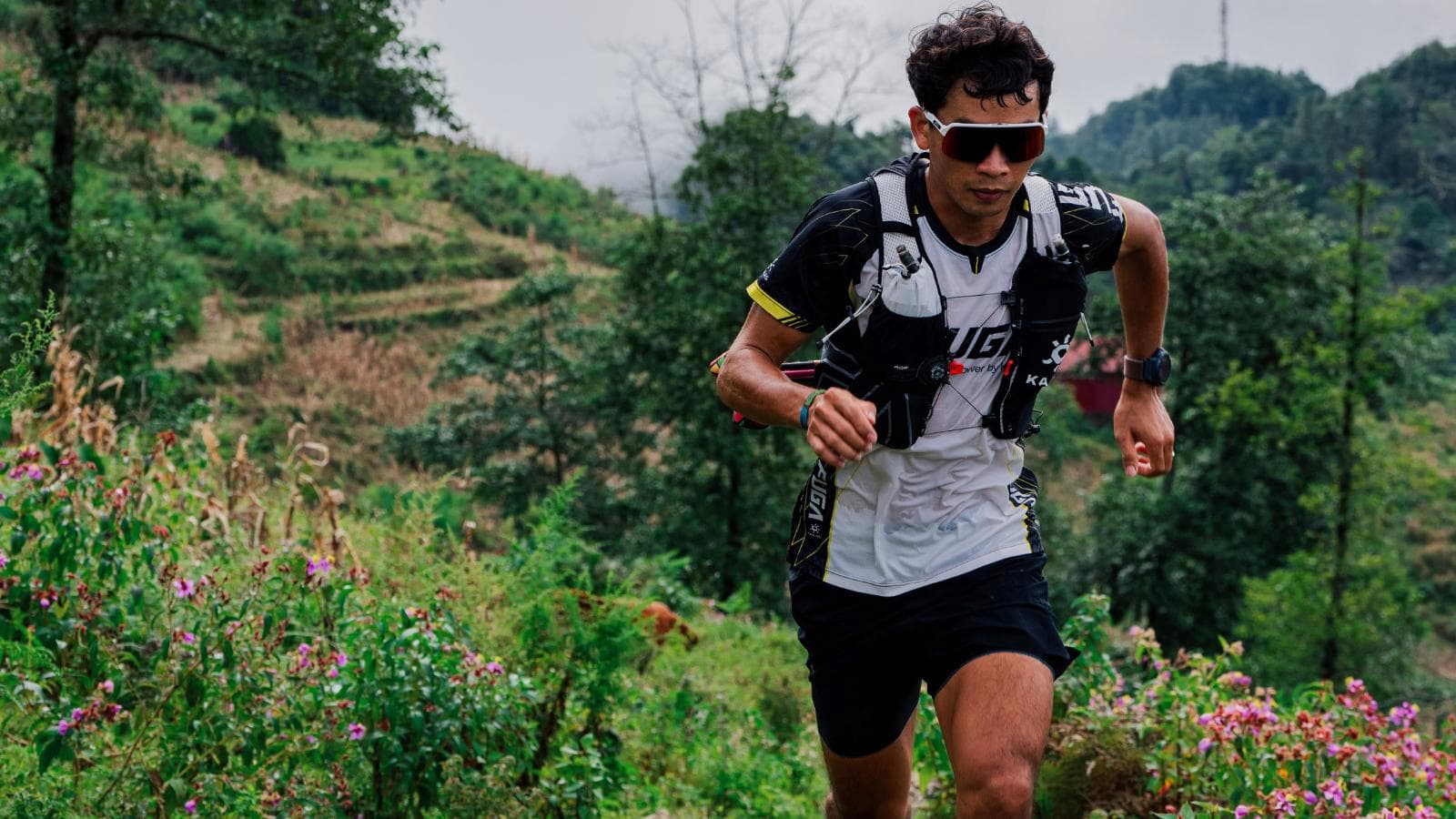
While a cool-down won’t magically eliminate soreness or guarantee recovery, it can help support the body’s natural recovery processes and prepare runners for future training sessions.
What Is a Cool-Down?
A cool-down typically involves a few minutes of easy movement following a workout.
Examples include:
- Walking
- Easy jogging
- Gentle mobility work
The goal is allowing the body to gradually adjust rather than shifting abruptly from hard effort to complete rest. Athletes who understand what is a walk-run progression and how does it work often appreciate that the body responds well to gradual transitions rather than sudden changes in workload.
The same principle applies after training.
Helps Heart Rate Return to Normal
During trail running, especially on climbs, heart rate can remain elevated for extended periods. Stopping suddenly may leave the cardiovascular system adjusting abruptly.
A cool-down allows:
- Heart rate to decrease gradually
- Circulation to stabilise
- Recovery processes to begin
Athletes who focus on how does posture affect running performance often recognise that efficient movement and recovery are closely connected.
The body benefits from a smooth transition.
Encourages Continued Blood Flow
Running increases blood circulation throughout the body. A gradual cool-down helps maintain blood flow while exercise intensity decreases.
This can assist with:
- Oxygen delivery
- Nutrient transport
- Waste-product removal
While the body naturally manages these processes, gentle movement can support the transition.
Trail Running Places Unique Stress on the Muscles
Trail running often requires runners to navigate:
- Rocks
- Roots
- Mud
- Steep terrain
These challenges increase muscular demands, particularly during descents. Athletes who understand balancing taper, recovery and run effectively often appreciate how much stress both climbing and descending place on the legs.
A cool-down can help the body begin recovering from these demands.
May Reduce Feelings of Stiffness
Many runners notice stiffness after stopping abruptly. Gentle movement following a run can help maintain mobility while muscles begin recovering. Although a cool-down does not completely prevent soreness, it may help runners feel less stiff immediately after training.
The difference is often most noticeable after:
- Long runs
- Hill sessions
- Technical trail workouts
Supports Recovery Habits
One of the biggest benefits of a cool-down is that it creates a structured transition into recovery.
This often encourages runners to:
- Rehydrate
- Refuel
- Stretch if needed
- Evaluate how they feel
Athletes who follow how to recover faster after a marathon often understand that recovery starts immediately after exercise, not hours later.
Good habits tend to build upon one another.
Helps Mentally Transition Out of Training Mode
Trail running is not only physically demanding.
It also requires:
- Concentration
- Decision-making
- Terrain awareness
A cool-down provides an opportunity to mentally unwind. Athletes who focus on how can runners improve longevity in ultrarunning often recognise that long-term success depends on managing both physical and mental stress.
The mind benefits from recovery too.
Useful After Hard Trail Sessions
Certain workouts create particularly high levels of fatigue.
Examples include:
- Hill repeats
- Long trail runs
- Race simulations
- Technical descents
Athletes who understand how can you beat first-mile fatigue in trail running often appreciate that preparation and recovery are both important parts of training.
A quality session deserves a quality recovery process.
Allows Time to Assess the Body
During a cool-down, runners can pay attention to:
- Muscle soreness
- Joint discomfort
- Areas of tightness
- Signs of fatigue
This awareness may help identify potential problems before they become larger issues.
Early recognition often makes injury management easier.
Can Improve Recovery Consistency
Recovery strategies do not need to be complicated. A simple cool-down helps create consistency. Athletes who understand what are the warning signs of overtraining for a marathon often know that monitoring fatigue regularly is easier when recovery routines are built into training.
Small habits performed consistently often provide meaningful benefits.
Supports Better Hydration Decisions
Many runners forget to drink after training.
A cool-down creates a natural opportunity to:
- Assess hydration
- Begin fluid replacement
- Evaluate sweat losses
Athletes who understand negative split in running often appreciate that recovery and performance depend on multiple interconnected factors.
Hydration is one of them.
Helps Following Technical Descents
Downhill running places significant eccentric stress on:
- Quadriceps
- Calves
- Stabilising muscles
Athletes who understand what is the best downhill running technique for marathons often recognise that descents can be surprisingly demanding despite feeling fast.
A cool-down allows these muscles to begin transitioning away from high-intensity work.
Encourages Better Post-Run Decision-Making
Runners who stop immediately after hard efforts sometimes rush into:
- Sitting for long periods
- Skipping nutrition
- Ignoring recovery needs
A cool-down creates a brief period of reflection before moving on to other activities.
Those extra few minutes can improve overall recovery habits.
Trail Races Benefit From Cool-Downs Too
Cool-downs are not just for training.
After races, gentle movement may help athletes:
- Transition gradually
- Begin recovery
- Reduce feelings of stiffness
Athletes who understand how to transition from road running to trail running often discover that trail events can create unique muscular demands that deserve careful recovery attention afterward.
Common Cool-Down Mistakes
Many runners reduce the effectiveness of cool-downs by:
- Stopping abruptly
- Sitting immediately
- Skipping hydration
- Ignoring recovery nutrition
- Rushing home
- Treating recovery as unimportant
Most of these mistakes are easy to avoid.
What Does a Simple Cool-Down Look Like?
A basic cool-down might include:
5–10 Minutes
- Easy walking
- Light jogging
- Gradually reducing effort
Optional Additions
- Gentle mobility work
- Hydration
- Recovery nutrition
The exact routine does not need to be complicated.
Consistency matters more than perfection.
Why Cool-Downs Matter for Trail Runners?
Cool-downs help:
- Lower heart rate gradually
- Maintain circulation
- Reduce feelings of stiffness
- Encourage recovery habits
- Support hydration
- Improve body awareness
- Promote mental recovery
- Create consistency
While they may not be the most exciting part of training, they can contribute to better recovery and improved readiness for future workouts.
The best trail runners often pay attention not only to how they train, but also to how they finish their training sessions.
FAQs
A cool-down is a period of low-intensity activity performed after exercise to help the body transition toward rest.
Many runners benefit from 5–10 minutes of easy movement.
Not completely, but they may help reduce feelings of stiffness.
The principles are similar, although trail running often creates additional muscular stress.
Gentle mobility work can be useful, but it is not mandatory.
They can support recovery by encouraging circulation, hydration, and post-run recovery habits.
Yes. Gentle movement after racing can help ease the transition into recovery.
Stopping abruptly and neglecting recovery immediately after a hard run.