



When runners think about improving performance, they often focus on factors such as:
- Training volume
- Speed workouts
- Nutrition
- Recovery
- Footwear
However, posture is another important piece of the puzzle that is frequently overlooked. Good running posture helps the body move efficiently, allowing runners to maintain speed while using less energy. Poor posture, on the other hand, can contribute to wasted movement, reduced efficiency, discomfort, and even injury risk over time. The goal is not achieving a perfectly rigid running position. Instead, it is developing a posture that allows the body to move naturally, efficiently, and comfortably throughout a run.
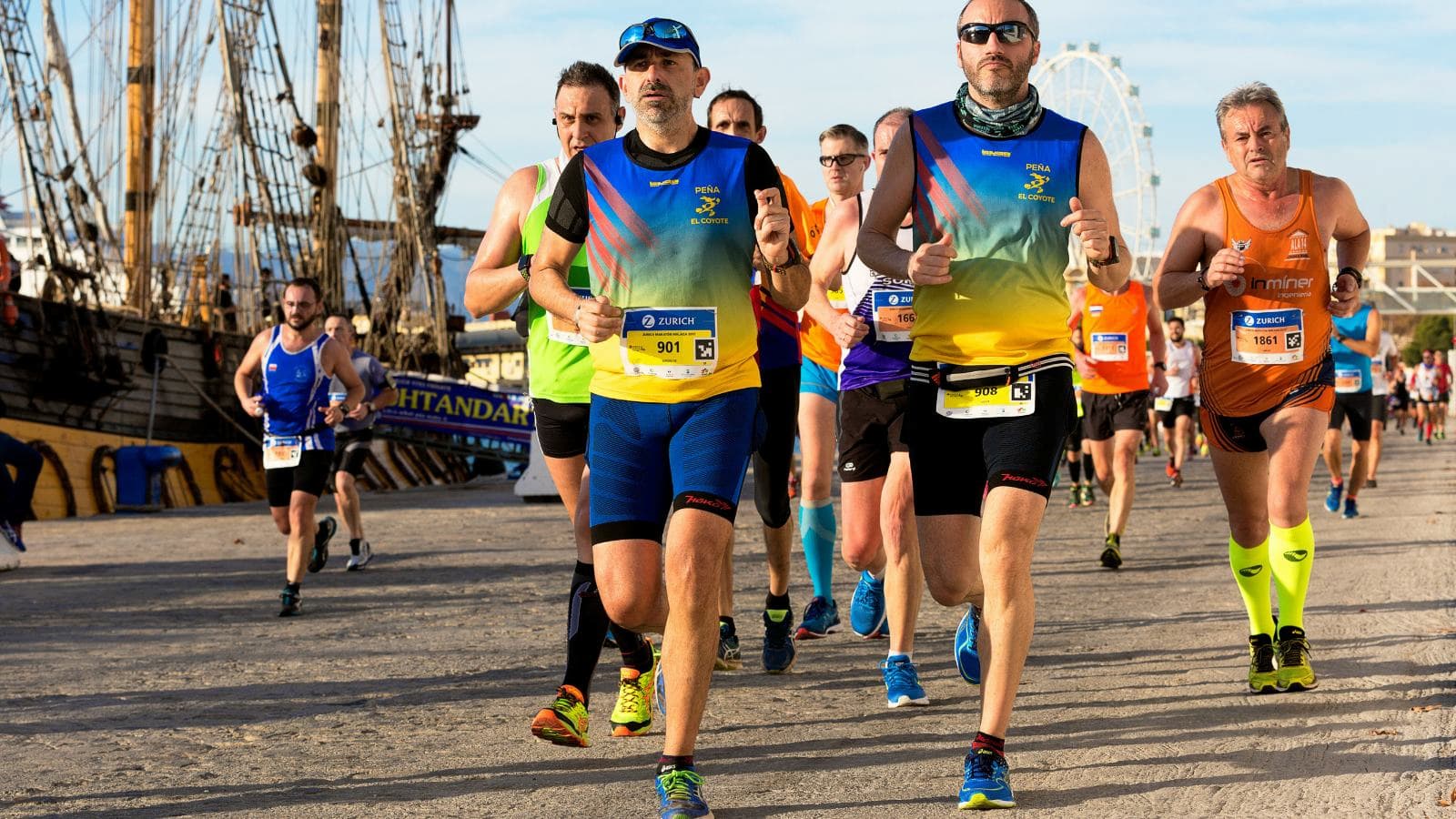
Whether you’re training for a 5K, marathon, or ultramarathon, posture can have a significant influence on performance.
Posture Influences Running Economy
Running economy refers to how much energy a runner uses at a given pace. Efficient posture helps direct energy into forward movement rather than unnecessary motion.
When posture deteriorates, runners may experience:
- Excessive side-to-side movement
- Poor force transfer
- Increased muscular effort
- Reduced efficiency
Athletes who focus on how to become an efficient runner often discover that small improvements in posture can make running feel smoother and less demanding.
The less energy wasted, the more energy remains available for performance.
Upright Position Supports Breathing
Good posture allows the chest and diaphragm to function more effectively.
When runners slouch:
- The chest may become compressed
- Breathing mechanics may be restricted
- Oxygen delivery can become less efficient
An upright posture helps create space for deeper, more effective breathing.
Athletes who understand how can morning workouts improve marathon performance often recognise that efficient breathing becomes increasingly important during longer training sessions and races.
Breathing and posture work together.
Head Position Matters
Many runners spend large portions of the day:
- Looking at phones
- Sitting at desks
- Working on computers
This can encourage a forward-head posture that carries into running.
Looking too far down while running may:
- Affect balance
- Alter alignment
- Increase neck tension
Instead, runners should generally focus on looking ahead with the head in a relaxed, neutral position.
Small adjustments can have a surprisingly large impact over long distances.
Poor Posture Can Increase Fatigue
As fatigue develops, posture often begins to deteriorate.
Common signs include:
- Rounded shoulders
- Excessive forward bending
- Collapsing through the hips
These changes may increase muscular workload and make running feel harder.
Athletes who understand why your marathon workouts should be smart but not hard often appreciate that maintaining efficient form can help conserve energy throughout longer efforts.
Good posture becomes even more valuable when fatigue sets in.
Shoulder Relaxation Improves Efficiency
Tension in the upper body is common among runners.
Many athletes unconsciously:
- Shrug their shoulders
- Clench their fists
- Tighten their neck muscles
This creates unnecessary energy expenditure.
Relaxed shoulders help promote:
- Efficient arm swing
- Better breathing
- Reduced tension
Running should feel controlled rather than rigid.
Arm Swing Influences Running Mechanics
The arms play an important role in maintaining rhythm and balance.
Efficient arm movement helps:
- Stabilise the body
- Support cadence
- Improve coordination
Excessive arm movement across the body may contribute to wasted motion.
Athletes who work on how does running cadence affect stress fracture risk often discover that arm swing and cadence are closely connected.
Smooth movement promotes smoother running.
Posture Affects Force Transfer
Every running step generates force.
Good posture helps transfer this force efficiently through the body.
Poor alignment may reduce the effectiveness of:
- Hip extension
- Leg drive
- Ground-force production
Athletes who follow improving longevity in running often learn that strength and posture complement each other.
A strong body performs best when properly aligned.
Core Stability Supports Good Posture
The core plays a major role in maintaining posture during running.
As fatigue increases, weak core muscles may struggle to support efficient movement.
This can lead to:
- Excessive trunk movement
- Poor alignment
- Reduced efficiency
Core strength helps runners maintain form during:
- Long runs
- Hard workouts
- Races
Strong posture begins with strong support systems.
Hip Position Is Important
The hips act as a central link between the upper and lower body.
Poor hip position may contribute to:
- Overstriding
- Reduced power
- Increased injury risk
Maintaining stable hip alignment helps runners move more efficiently. Athletes who understand what causes plantar fasciitis in long-distance runners often discover that lower-body mechanics frequently influence injury risk throughout the kinetic chain.
Everything is connected.
Good Posture Can Reduce Injury Risk
While posture alone does not prevent injuries, poor movement patterns may contribute to excessive stress on certain structures.
Examples include:
- Knees
- Hips
- Lower back
- Ankles
Athletes who learn what are the warning signs of overtraining for a marathon often realise that fatigue-related posture breakdown can sometimes increase injury risk.
Efficient movement supports long-term durability.
Uphill and Downhill Running Require Adjustments
Running posture should adapt slightly based on terrain.
For example:
Uphill Running
A slight forward lean from the ankles can help maintain momentum.
Downhill Running
Remaining tall and controlled often improves balance and efficiency. Athletes who understand what is the best downhill running technique for marathons often recognise that posture becomes increasingly important when terrain changes.
The goal is controlled adaptation, not rigid positioning.
Posture Influences Running Confidence
Efficient posture often contributes to:
- Better rhythm
- Improved comfort
- Greater confidence
When runners feel strong and balanced, performance frequently improves as a result.
Confidence and movement quality often reinforce one another.
Mobility Affects Posture
Limited mobility can make good posture difficult to maintain.
Common problem areas include:
- Hip flexors
- Calves
- Thoracic spine
- Hamstrings
Athletes who are transitioning through how to transition from road running to trail running often discover that varied terrain places additional demands on mobility and posture.
Movement quality supports posture quality.
Posture Changes During Long Races
Even experienced runners experience some posture changes during:
- Marathons
- Ultramarathons
- Long training runs
Fatigue naturally affects movement.
The objective is not maintaining perfect form indefinitely.
Instead, runners should aim to:
- Minimise unnecessary breakdown
- Maintain efficiency for as long as possible
Consistent training helps improve this ability.
Common Posture Mistakes Runners Make
Many runners develop habits such as:
- Looking down constantly
- Rounding the shoulders
- Overstriding
- Excessive upper-body tension
- Leaning excessively from the waist
- Collapsing through the hips
- Crossing the arms excessively
- Ignoring mobility restrictions
Most of these issues can be improved gradually through awareness and practice.
How to Improve Running Posture
Runners can improve posture by:
- Strengthening the core
- Improving mobility
- Staying relaxed through the shoulders
- Maintaining a neutral head position
- Performing running drills
- Building fatigue resistance
- Practising efficient arm swing
- Monitoring form during long runs
Small improvements often accumulate into meaningful performance gains.
FAQs
Yes. Posture influences efficiency, breathing, force transfer, and fatigue management.
Good posture generally involves a relaxed, upright position with efficient alignment and movement.
Yes. Poor posture may increase energy expenditure and reduce efficiency.
Absolutely. Upright posture helps support effective breathing mechanics.
A slight lean from the ankles is generally more effective than bending excessively at the waist.
Poor movement patterns may contribute to increased stress on certain structures over time.
Efficient arm movement supports rhythm, balance, and running mechanics.