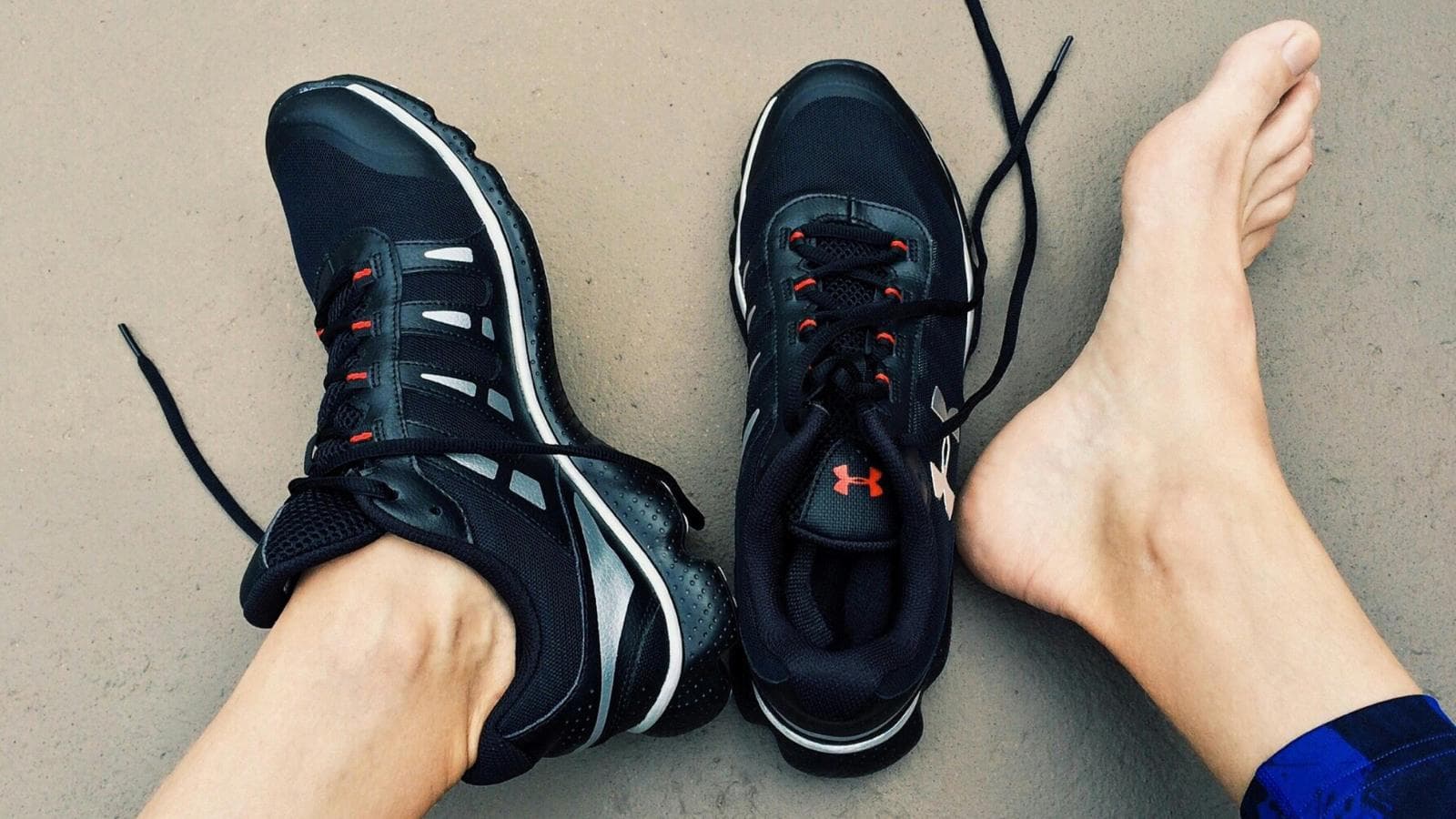



Plantar fasciitis is one of the most common overuse injuries among long-distance runners. It affects the plantar fascia, a thick band of connective tissue that runs along the bottom of the foot from the heel to the toes.
The condition typically causes:
- Heel pain
- Foot stiffness
- Tenderness under the heel
- Discomfort during the first steps of the day
- Pain that worsens after long periods of activity
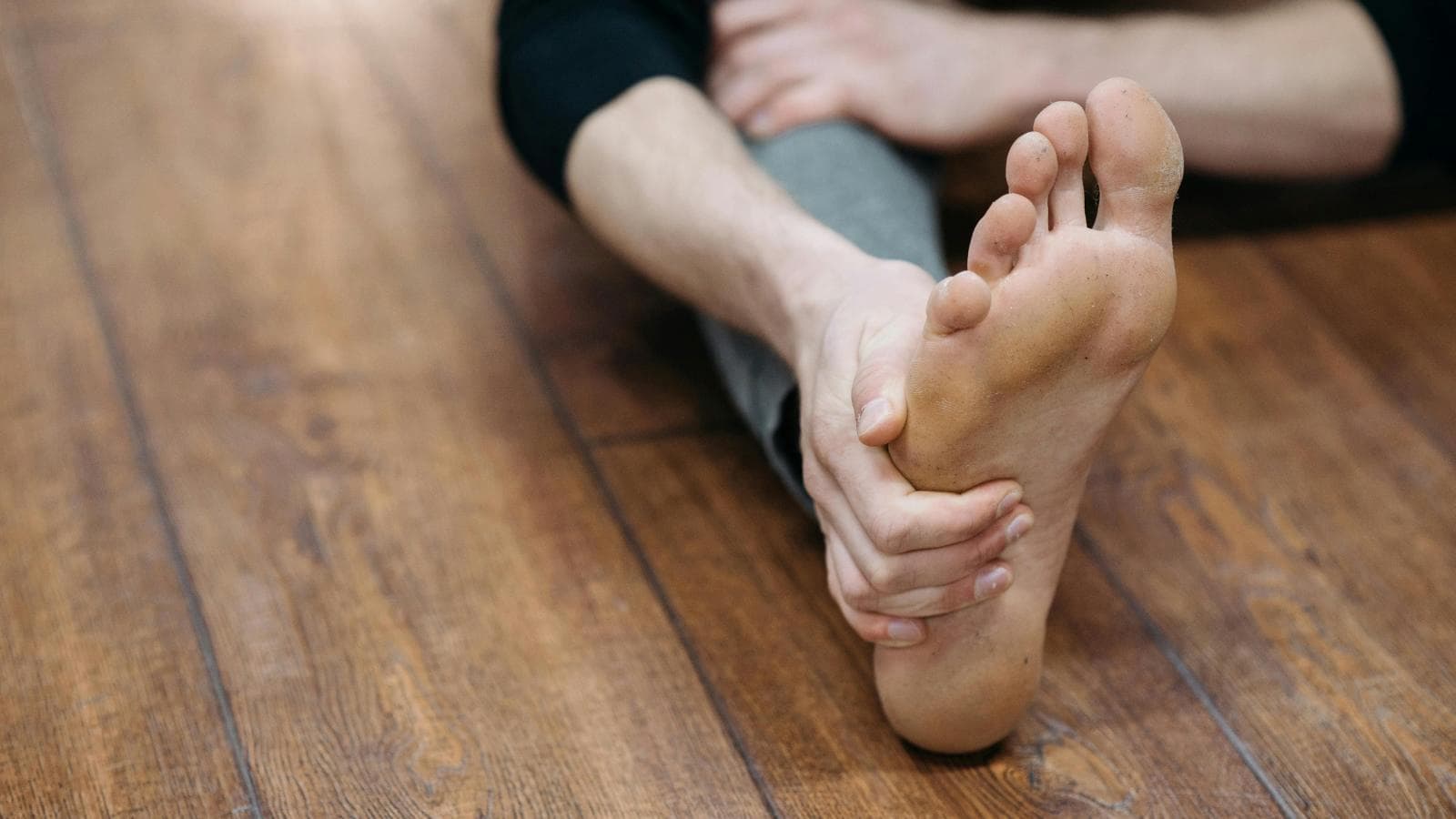
For marathon runners and high-mileage athletes, plantar fasciitis can be particularly frustrating because it often develops gradually and may linger for weeks or months if not addressed properly. The injury rarely appears because of a single run. Instead, it usually develops when repetitive stress exceeds the body’s ability to recover and adapt. Understanding the causes is the first step toward preventing it.
What Is the Plantar Fascia?
The plantar fascia acts like a support structure for the arch of the foot.
Its role includes:
- Supporting foot mechanics
- Absorbing impact
- Storing and releasing energy during running
- Helping maintain arch stability
During long-distance running, the plantar fascia absorbs thousands of loading cycles. When this stress exceeds recovery capacity, irritation and pain can develop.
Increasing Mileage Too Quickly
One of the most common causes of plantar fasciitis is a rapid increase in running volume.
Many runners become excited during marathon preparation and suddenly increase:
- Weekly mileage
- Long-run distance
- Training frequency
The cardiovascular system often adapts faster than connective tissue. As a result, runners may feel aerobically fit while the feet struggle to handle the increased workload. Athletes who ignore the principles discussed in how to increase running volume without getting injured often place excessive stress on the plantar fascia before it has adapted to the workload.
Poor Recovery Between Runs
Recovery plays a major role in connective tissue health.
The plantar fascia requires time to:
- Repair
- Adapt
- Strengthen
Without adequate recovery, small amounts of stress accumulate over time.
This commonly occurs when runners:
- Skip rest days
- Increase training aggressively
- Ignore fatigue signals
Athletes who understand how to prevent injuries when starting running workouts often identify excessive fatigue before it begins affecting tissues such as the plantar fascia.
Tight Calf Muscles
The calves and plantar fascia work closely together during running.
Limited calf flexibility can increase tension through:
- The Achilles tendon
- The heel
- The plantar fascia
Many runners with plantar fasciitis also experience:
- Tight calves
- Reduced ankle mobility
- Limited dorsiflexion
This restriction may alter foot mechanics and increase stress during every stride.
Weak Foot and Ankle Muscles
The feet contain numerous small stabilising muscles.
Weakness in these muscles may reduce the foot’s ability to:
- Absorb impact
- Support the arch
- Maintain stability
As fatigue develops during long runs, weak structures often place additional strain on the plantar fascia. Athletes who regularly perform exercises discussed in how to prevent running injuries with strength and mobility training often improve lower-leg durability and reduce excessive loading on the feet.
Wearing Worn-Out Running Shoes
Running shoes gradually lose:
- Cushioning
- Stability
- Shock absorption
As shoes wear down, impact forces may be distributed less effectively.
This does not mean runners need maximum cushioning, but excessively worn footwear can contribute to repetitive stress.
Many cases of plantar fasciitis develop after runners continue using shoes well beyond their effective lifespan.
Running Every Session Too Hard
One overlooked cause of plantar fasciitis is constantly training at moderate or high intensity.
Hard running creates:
- Greater ground forces
- Increased muscular fatigue
- More tissue stress
Athletes who constantly push pace may unknowingly overload the plantar fascia. Runners who understand how to improve running form without overthinking it often avoid excessive loading because their training intensity remains more balanced.
Poor Running Mechanics
Running form influences how force travels through the body.
Common mechanical issues may include:
- Excessive overstriding
- Heavy footstrike
- Poor posture
- Reduced cadence
These factors can increase repetitive loading through the feet. Athletes improving through what’s the best footstrike for running a marathon often discover that efficient mechanics help distribute impact forces more effectively throughout the body.
Lack of Strength Training
Many distance runners focus entirely on mileage while neglecting strength work.
Strong muscles help absorb impact before excessive stress reaches:
- Tendons
- Ligaments
- Connective tissues
Weakness in:
- Calves
- Glutes
- Hips
- Core
may indirectly contribute to foot problems because movement becomes less efficient.
Long Periods of Standing
Training is not always the only source of stress.
Many runners spend large portions of the day:
- Standing at work
- Walking extensively
- Remaining on hard surfaces
This additional loading can contribute to plantar fascia irritation, particularly during heavy training periods. Recovery is influenced by everything that happens between runs as well.
Training Through Early Pain
Plantar fasciitis often starts subtly.
Early symptoms may include:
- Mild heel discomfort
- Morning stiffness
- Occasional soreness
Many runners ignore these signs and continue increasing training volume. This often transforms a manageable issue into a prolonged injury.
Athletes improving through negative split in running races often learn that responding to warning signs early can prevent much larger setbacks later.
Excess Body Weight Increases Load
Every running step creates force that travels through the foot.
Additional body weight increases the stress placed on:
- The plantar fascia
- The arch
- The heel
This does not mean heavier runners cannot run successfully. However, workload progression often needs to be managed carefully to allow connective tissues sufficient time to adapt. Athletes beginning their journey through how to start running when overweight frequently benefit from gradual progression strategies that protect the feet while building fitness.
Tight Training Schedules
Many marathon runners attempt to maximise every available day.
This often results in:
- Consecutive hard sessions
- Insufficient recovery
- Accumulated fatigue
The plantar fascia responds best when training stress and recovery remain balanced. Athletes improving through how can morning workouts improve marathon performance often discover that structured training schedules work best when recovery is included deliberately rather than treated as an afterthought.
Age and Training History
As runners age, connective tissues often recover more slowly.
Years of accumulated mileage may increase sensitivity to:
- Training errors
- Recovery deficits
- Biomechanical inefficiencies
Older runners can absolutely continue performing well, but recovery and strength work often become increasingly important.
Running on Unfamiliar Surfaces
Sudden changes in running surfaces may contribute to plantar fascia irritation.
Examples include:
- Transitioning from roads to trails
- Increased treadmill running
- More concrete running
- Uneven terrain
Each surface changes loading patterns slightly. Athletes adapting through how to train for trial running when injured often notice different demands on the feet and lower legs as terrain becomes more variable.
Sleep and Tissue Recovery
Sleep influences:
- Tissue repair
- Hormonal balance
- Recovery capacity
- Injury resistance
Poor sleep may reduce the body’s ability to adapt to training stress. Athletes improving through how much sleep do runners need to recover properly often recover more effectively because connective tissues receive the recovery support needed for adaptation.
Common Mistakes That Lead to Plantar Fasciitis
Many runners unintentionally create conditions that increase injury risk.
Common mistakes include:
- Increasing mileage too quickly
- Ignoring recovery
- Wearing worn-out shoes
- Skipping strength training
- Running through pain
- Neglecting calf mobility
- Training too hard too often
- Ignoring fatigue signals
Most plantar fasciitis cases result from a combination of factors rather than a single cause.
How to Reduce Your Risk
Long-distance runners can reduce plantar fasciitis risk by:
- Progressing mileage gradually
- Strengthening feet and calves
- Replacing worn shoes
- Prioritising recovery
- Monitoring early symptoms
- Improving mobility
- Managing training intensity
- Sleeping adequately
The healthiest runners are rarely those who avoid stress completely. They are usually the athletes who balance stress and recovery effectively over long periods.
FAQs
Plantar fasciitis is irritation of the plantar fascia, the connective tissue running along the bottom of the foot.
High training volumes create repetitive stress that can exceed the tissue’s ability to recover.
Common symptoms include heel pain, morning stiffness, and tenderness under the foot.
Yes. Tight calves can increase tension throughout the foot and heel.
Worn-out or unsuitable shoes may contribute, particularly when combined with other risk factors
Persistent pain should be assessed rather than ignored, as continuing may worsen symptoms.
Yes. Stronger feet, calves, and hips can improve impact absorption and running mechanics.