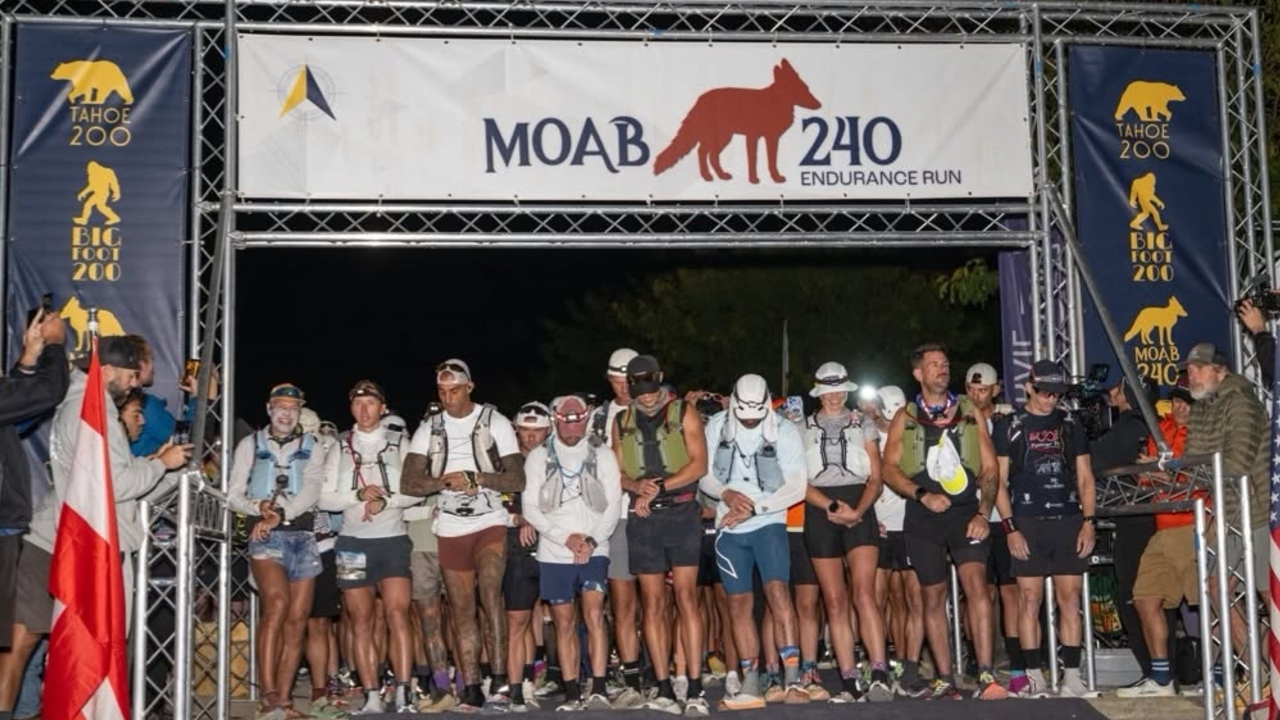



Many runners eventually become curious about trail running. The promise of scenic routes, softer surfaces, challenging terrain, and a break from traffic can make trails incredibly appealing after years of road running.
However, transitioning from road running to trail running requires more than simply swapping pavement for dirt.
Trail running places different demands on:
- Muscles
- Joints
- Balance
- Coordination
- Endurance
- Pacing

The good news is that road runners already possess many of the aerobic qualities needed to succeed on trails. The challenge is learning how to adapt those fitness gains to a completely different environment. The goal is not immediately running trails at the same pace as your road runs. The goal is developing the skills, strength, and confidence required to move efficiently across varied terrain.
This becomes particularly important because trail running often rewards adaptability more than speed.
Accept That Your Pace Will Be Slower
One of the biggest mistakes road runners make is comparing trail pace to road pace.
Trail conditions often include:
- Hills
- Rocks
- Roots
- Mud
- Technical terrain
All of these factors slow running speed.
A trail run that feels easy may appear significantly slower on a GPS watch.
Successful trail runners focus on:
- Effort
- Time
- Terrain
- Enjoyment
rather than obsessing over pace data. Athletes who understand how to train for trail when injured often adapt more quickly because they focus on training purpose rather than numbers.
Build Ankle and Lower-Leg Strength
Road surfaces are predictable. Trails are not.
Every step on a trail may require small adjustments from:
- Ankles
- Calves
- Feet
- Stabilising muscles
New trail runners commonly experience soreness in areas that rarely feel challenged during road running.
Strengthening these structures gradually improves:
- Stability
- Confidence
- Injury resistance
Athletes improving through how to prevent running injuries with strength and mobility training often find the transition easier because their supporting muscles are already prepared for uneven terrain.
Start With Easy Trails
Many runners immediately choose the most technical trail available.
This often leads to:
- Frustration
- Falls
- Reduced confidence
- Excess fatigue
Instead, begin with:
- Smooth trails
- Forest paths
- Non-technical terrain
- Moderate gradients
As skills improve, more challenging trails can be introduced gradually.
Confidence develops through successful experiences rather than overwhelming challenges.
Learn to Run by Effort
Trail conditions constantly change. This makes rigid pace targets far less useful than perceived effort.
A steep climb may require:
- Slower pace
- Higher effort
- More walking
while a smooth descent may allow faster running at a lower effort. Athletes who improve through the causes of high heart rate on easy runs often become better trail runners because they learn to manage effort rather than chasing pace numbers.
Expect More Elevation Changes
Road routes are often relatively flat.
Trails frequently involve:
- Climbs
- Descents
- Rolling terrain
These changes challenge:
- Aerobic fitness
- Leg strength
- Muscular endurance
Uphill running can feel surprisingly demanding even for experienced road runners. The solution is patience. Allow the body time to adapt to climbing and descending stresses.
Hiking Is Part of Trail Running
Many road runners view walking as failure. Trail runners often view it as strategy. Steep climbs can sometimes be completed more efficiently by hiking.
This helps:
- Preserve energy
- Maintain momentum
- Improve endurance
Athletes improving through negative split in running often discover that hiking can be a valuable training tool rather than something to avoid. Walking uphill is common even among elite trail athletes.
Improve Downhill Technique
Descending creates unique challenges.
Trail descents require:
- Quick reactions
- Balance
- Confidence
- Coordination
Many new trail runners brake excessively on descents.
This often creates:
- Increased fatigue
- Reduced flow
- Higher muscular stress
Athletes improving through hill running techniques to improve strength & endurance often adapt faster because they already understand the fundamentals of efficient descending.
Strengthen Your Core
Trail running constantly challenges body control.
A strong core helps:
- Maintain posture
- Improve stability
- Reduce wasted movement
- Enhance efficiency
Core strength becomes increasingly important on:
- Technical terrain
- Long climbs
- Uneven surfaces
Even small improvements in stability can make trail running feel significantly easier.
Choose Appropriate Footwear
Road shoes can work on some easy trails.
However, dedicated trail shoes often provide:
- Better grip
- Increased protection
- Improved stability
- Greater confidence
The ideal shoe depends on:
- Terrain
- Conditions
- Experience
Footwear should support the type of trails you actually run rather than the most extreme terrain available.
Develop Better Balance
Trail running requires constant adjustments.
Useful exercises include:
- Single-leg balance
- Stability drills
- Dynamic movements
- Coordination exercises
Improved balance helps runners:
- Navigate obstacles
- React quickly
- Maintain efficiency
Many athletes are surprised by how much balance influences trail performance.
Fuel Longer Trail Runs Properly
Trail runs often take longer than expected.
A route that appears similar in distance to a road run may require:
- More time
- More effort
- More energy
Athletes should prepare accordingly. Those improving through how to beat dehydration during a marathon often appreciate how hydration and fueling become even more important when terrain increases energy expenditure. Proper nutrition supports both performance and enjoyment.
Expect Different Muscle Fatigue
Trail running often places greater stress on:
- Calves
- Glutes
- Hamstrings
- Stabilising muscles
Particularly during:
- Climbs
- Descents
- Technical sections
Some soreness is normal during the adaptation period.
The key is progressing gradually enough to allow recovery.
Focus on Time Instead of Distance
Trail runners frequently plan sessions around:
- Time
rather than: - Distance
A 60-minute trail run may provide a completely different training stimulus than a 60-minute road run. This mindset often helps athletes transition more effectively because expectations remain realistic. Athletes improving through how to recover faster after a marathon often understand that training stress matters more than arbitrary mileage totals.
Be Patient With Technical Skills
Trail running is a skill.
Like any skill, improvement takes time.
Early challenges may include:
- Foot placement
- Descending confidence
- Navigation
- Balance
These abilities improve through repetition.
Most runners notice substantial progress after several weeks of consistent trail exposure.
Recovery Becomes Even More Important
Technical terrain often creates additional muscular stress.
Trail runners should pay close attention to:
- Sleep
- Nutrition
- Recovery days
- Mobility work
Athletes improving through why no days off mindset is bad for marathon often adapt more smoothly because recovery remains a deliberate part of training rather than an afterthought.
Good recovery supports skill development and durability.
Don’t Compare Yourself to Experienced Trail Runners
Experienced trail runners have often spent years developing:
- Technical skills
- Descending ability
- Terrain awareness
- Climbing strength
Comparisons are rarely useful.
Focus instead on:
- Personal progress
- Confidence
- Enjoyment
- Learning
Trail running rewards patience.
Common Transition Mistakes
Many road runners make avoidable errors when moving to trails.
Common mistakes include:
- Chasing road pace
- Choosing overly technical terrain
- Ignoring strength training
- Underestimating climbs
- Avoiding hiking
- Neglecting recovery
- Wearing inappropriate footwear
- Comparing themselves to experienced trail runners
Most of these problems disappear with gradual progression and consistent exposure.
Practical Ways to Transition Successfully
Runners can move from roads to trails more effectively by:
- Starting with easier trails
- Running by effort
- Building ankle strength
- Improving balance
- Accepting slower paces
- Practising descents
- Fueling appropriately
- Progressing gradually
The best trail runners are not necessarily the fastest road runners. They are often the athletes who learn to adapt efficiently to changing terrain while remaining patient throughout the learning process.
FAQs
It can be. Trails often require more balance, strength, and technical skill.
Uneven terrain, elevation changes, and technical sections naturally reduce pace.
Not always, but trail shoes often improve grip and confidence on rough terrain.
Yes. Hiking is a common and effective trail-running strategy.
Yes. Uneven terrain challenges stabilising muscles and lower-leg strength.
Trails often involve more climbing, descending, and stabilisation demands.
Practice, balance training, and gradual exposure help develop descending skills.
Yes. It can improve strength, endurance, and mental resilience.