

Running cadence refers to the number of steps a runner takes per minute while running. Cadence affects:
- Stride length
- Ground contact time
- Impact loading
- Running efficiency
- Musculoskeletal stress
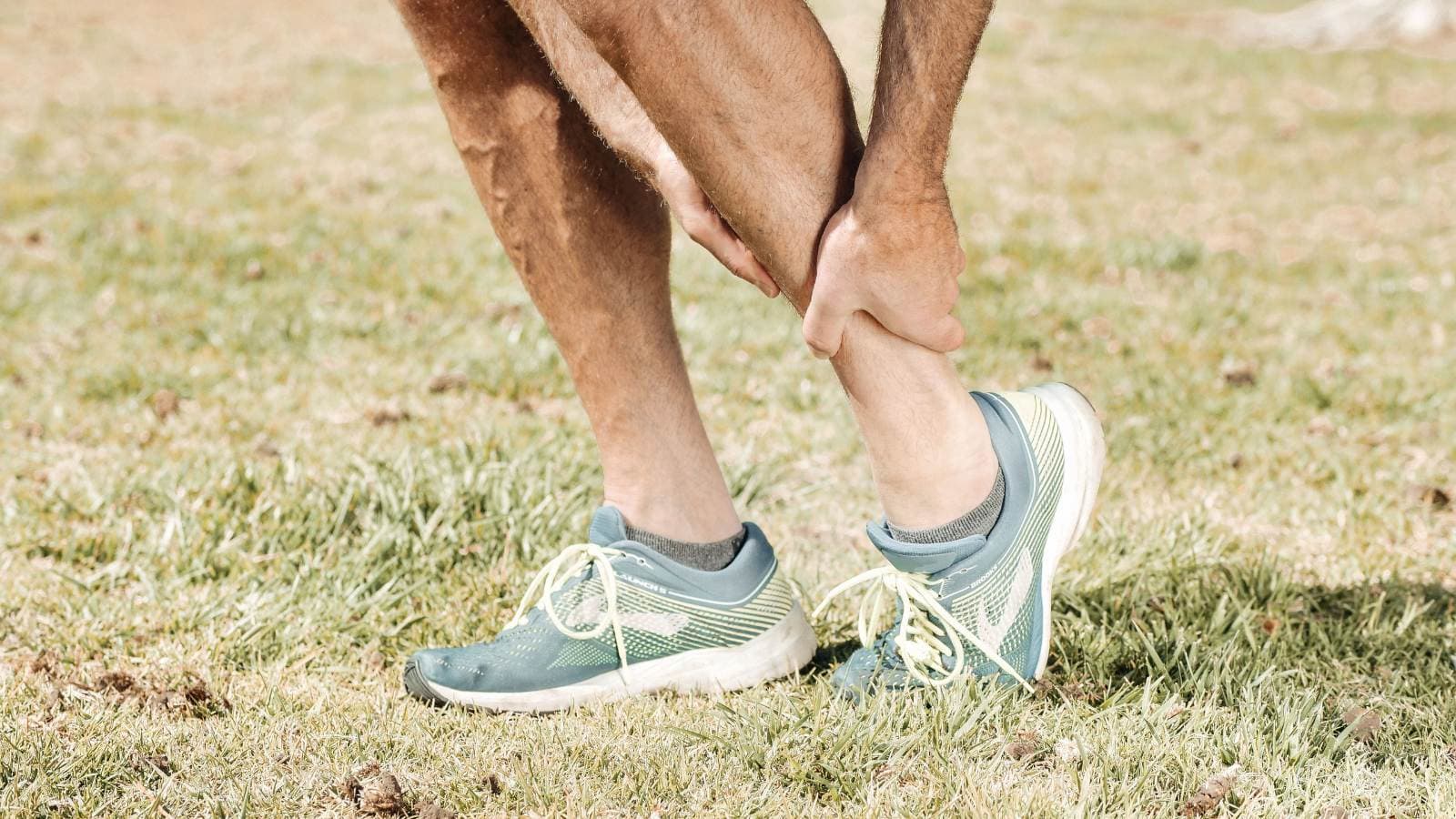
For many runners, poor cadence mechanics may increase stress fracture risk because inefficient stride patterns often place excessive repetitive force on:
- Bones
- Tendons
- Joints
- Connective tissue
Stress fractures develop when repetitive loading exceeds the body’s ability to recover and adapt. While cadence alone does not directly cause or prevent injuries, it strongly influences how force travels through the body during running. The goal is not chasing a perfect cadence number. The goal is improving running efficiency and reducing unnecessary impact stress through sustainable movement patterns. This becomes especially important during larger endurance builds discussed in how to increase running volume without getting injured, where repetitive impact accumulates over weeks and months.
What Is Running Cadence?
Cadence measures:
- Total steps per minute
during running.
Higher cadence usually means:
- Shorter stride length
- Faster turnover
- Reduced overstriding
Lower cadence often involves:
- Longer stride length
- Greater braking forces
- Increased impact stress
Most runners naturally adjust cadence depending on:
- Speed
- Terrain
- Fatigue
- Fitness level
Cadence should feel:
- Smooth
- Rhythmic
- Sustainable
rather than forced unnaturally.
Overstriding Increases Impact Stress
One of the biggest links between cadence and stress fractures is overstriding.
Overstriding happens when runners land:
- Too far in front of the body
- With excessive braking force
This commonly increases loading through:
- Tibia
- Femur
- Hips
- Feet
Long heavy strides often create larger repetitive forces with every step.
A slightly quicker cadence may help reduce:
- Braking stress
- Ground impact
- Excess vertical movement
Athletes improving through what’s the best footstrike for running a marathon often discover stride mechanics matter far more than forcing aggressive speed.
Higher Cadence Often Reduces Ground Contact Stress
Slight cadence increases may reduce:
- Ground contact time
- Joint loading
- Vertical oscillation
- Excess impact force
This can help runners move more efficiently with:
- Shorter lighter steps
- Better rhythm
- Reduced pounding
The body often tolerates repetitive loading better when force distributes more evenly over time.
Stress Fractures Develop from Repetitive Overload
Stress fractures happen gradually rather than suddenly.
Common causes include:
- Rapid mileage increases
- Poor recovery
- Excessive intensity
- Inadequate nutrition
- Biomechanical inefficiency
- Poor footwear
Low cadence combined with heavy overstriding may contribute to excessive repetitive loading in some runners. Athletes improving through how to prevent running injuries with strength and mobility training often reduce injury risk because mechanics and tissue resilience improve together.
Cadence Affects Running Economy
Efficient cadence improves:
- Rhythm
- Energy transfer
- Running smoothness
- Movement economy
A cadence that is too low sometimes creates:
- Heavy landing
- Increased vertical movement
- Greater muscular fatigue
Small cadence adjustments may help reduce wasted movement while improving efficiency over longer distances.
There Is No Perfect Cadence Number
Many runners become obsessed with reaching:
- 180 steps per minute
because of outdated generalisations. - However, ideal cadence depends on:
- Height
- Leg length
- Pace
- Running experience
- Individual mechanics
- Forcing unnatural cadence changes often creates:
- Tension
- Poor rhythm
- Increased fatigue
The best cadence usually feels: - Relaxed
- Efficient
- Sustainable
rather than robotic.
Fatigue Often Reduces Cadence
As runners fatigue, cadence commonly decreases while:
- Ground contact time increases
- Stride becomes heavier
- Posture collapses
- Mechanics deteriorate
This may increase repetitive stress late in: - Long runs
- Marathons
- Hard workouts
Athletes improving through morning workouts that improve marathon performance often maintain better movement quality because pacing remains more sustainable.
Running Volume Magnifies Poor Mechanics
Small inefficiencies become more significant during:
- Marathon preparation
- High-mileage weeks
- Back-to-back sessions
- Long aerobic runs
A stride pattern that feels manageable during short runs may create excessive stress once weekly mileage increases significantly.
This becomes especially important during progression discussed in how long does it takes to train for a marathon, where repetitive loading accumulates over many months.
Cadence Changes Should Be Gradual
Sudden major cadence adjustments may:
- Disrupt rhythm
- Increase calf loading
- Create muscular soreness
- Reduce efficiency temporarily
Most runners respond better to:
- Small natural adjustments
- Progressive changes
- Short drill sessions
- Consistent repetition
Cadence should evolve gradually rather than changing aggressively overnight.
Running Drills Can Improve Cadence Naturally
Useful drills for cadence development include:
- Fast feet
- Strides
- High knees
- A-skips
- Short hill efforts
These drills help improve:
- Neuromuscular coordination
- Leg turnover
- Running rhythm
- Foot placement
Athletes improving through how to become an efficient runner often improve cadence naturally through better movement quality rather than obsessing over numbers constantly.
Strength Training Helps Reduce Stress Fracture Risk
Cadence is only one part of injury prevention.
Strong muscles help absorb force more effectively during running.
Important areas include:
- Calves
- Glutes
- Core
- Hamstrings
- Hip stabilisers
Weakness in these areas may increase repetitive stress on bones and connective tissues.
Recovery Plays a Major Role
Even good mechanics cannot prevent injuries if recovery remains poor.
Stress fracture risk increases with:
- Sleep deprivation
- Poor nutrition
- Excess fatigue
- Inadequate recovery
Athletes improving through running as a beginner overweight athlete often tolerate higher training loads more safely because recovery supports tissue adaptation properly.
Footwear Also Influences Loading
Running shoes affect:
- Impact absorption
- Stride mechanics
- Lower-leg loading
Worn or inappropriate footwear may worsen:
- Repetitive stress
- Impact distribution
- Running discomfort
Cadence improvements work best alongside proper:
- Footwear
- Strength training
- Recovery habits
- Training progression
Running Surface Matters Too
Hard repetitive surfaces may increase loading stress, especially when combined with:
- Fatigue
- Poor mechanics
- High mileage
Rotating surfaces occasionally may reduce repetitive loading patterns during heavier training periods.
Cadence Alone Will Not Prevent Injury
Many runners assume simply increasing cadence eliminates injury risk.
However, stress fractures usually involve multiple factors including:
- Training errors
- Recovery imbalance
- Nutrition
- Bone health
- Biomechanics
- Fatigue accumulation
Cadence is one piece of a larger injury prevention picture.
Monitoring Fatigue Helps Protect Mechanics
When runners become excessively fatigued, movement quality often deteriorates.
Warning signs include:
- Heavy footstrike
- Reduced turnover
- Slower recovery
- Persistent soreness
- Declining posture
Athletes improving through what causes a high heart rate on easy runs often recognise how fatigue and recovery affect overall running mechanics and efficiency.
Common Cadence Mistakes
Many runners create unnecessary problems through poor cadence habits.
Common mistakes include:
- Forcing unrealistic cadence targets
- Overstriding excessively
- Ignoring fatigue
- Increasing mileage too quickly
- Neglecting strength work
- Running constantly at moderate effort
Cadence improvements should support smoother more efficient running rather than creating tension.
Practical Ways to Improve Cadence and Reduce Injury Risk
Runners can improve movement efficiency by:
- Shortening excessive stride length
- Using light quick steps
- Practising running drills
- Building strength
- Managing recovery properly
- Increasing mileage gradually
- Monitoring fatigue honestly
- Maintaining relaxed running posture
The safest and most efficient runners are usually athletes who combine smart training progression with sustainable movement patterns.
FAQs
Running cadence is the number of steps a runner takes per minute.
Yes. Poor cadence and overstriding may increase repetitive impact loading on bones.
Often yes. Slightly quicker turnover may reduce braking forces and heavy ground contact.
No. Ideal cadence varies between runners depending on body structure and pace.
Overstriding increases braking forces and repetitive stress through the lower body.
Yes. Fatigue often causes heavier stride mechanics and slower turnover.
No. Cadence adjustments should happen gradually and naturally.
No. Recovery, nutrition, workload, strength, and biomechanics all matter too.