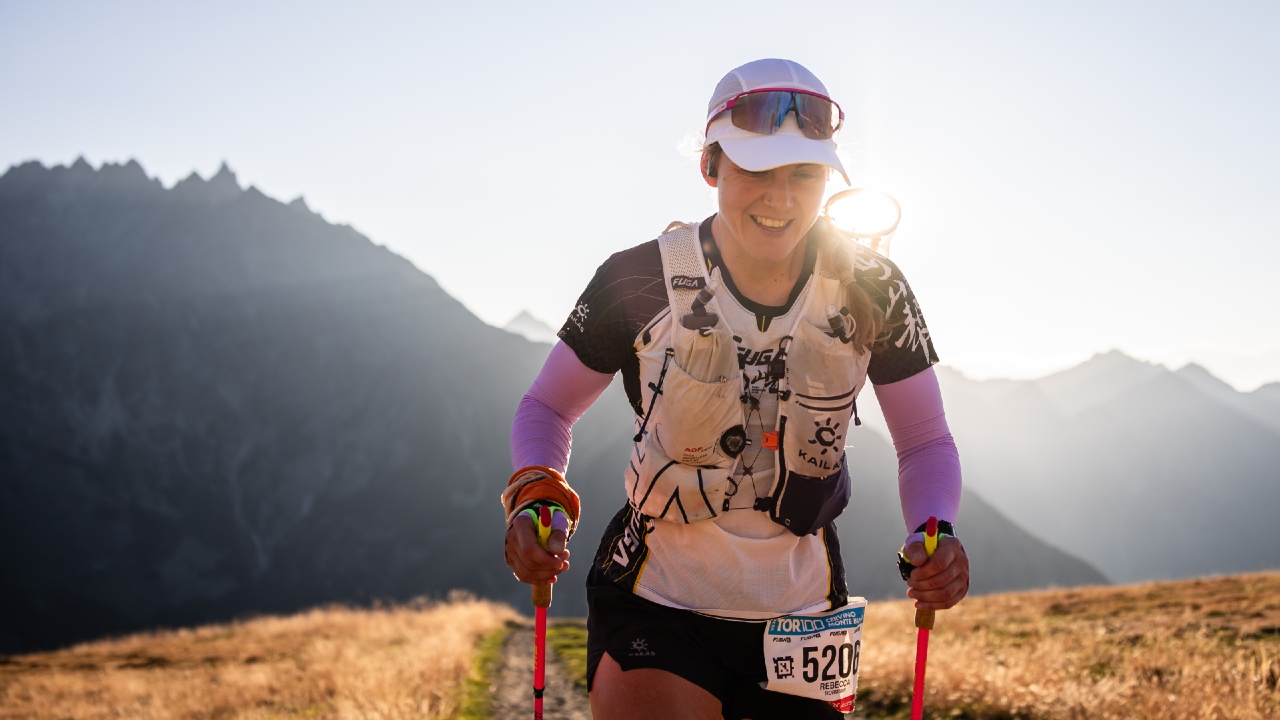
Blisters are one of the most common problems trail runners face. Unlike road running, trails expose your feet to uneven terrain, steep climbs, muddy conditions, water crossings, and long hours on your feet. All of these increase friction, moisture, and pressure, the three main ingredients for blister formation. While blisters may seem like a minor inconvenience, they can quickly become painful enough to affect your running form, slow your pace, or even force you to stop. Fortunately, most blisters are preventable with the right preparation and footwear.
Here’s what causes blisters during trail running and how to reduce your risk.
What Causes Blisters?
Blisters develop when repeated friction causes the upper layers of skin to separate from the deeper layers. Fluid then collects between these layers, creating the familiar blister.
Several factors often combine to cause this, including:
- Friction
- Moisture
- Heat
- Pressure
- Poor shoe fit
Understanding these causes makes prevention much easier.
Shoes That Don’t Fit Properly
Ill-fitting shoes are one of the biggest contributors to blisters.
Shoes that are:
- Too tight
- Too loose
- Too narrow
can all increase friction during a run. Your trail shoes should provide enough room for your toes while securely holding your heel in place.
Wet Feet Increase Friction
Sweat, rain, stream crossings, and mud all soften the skin. Soft skin is more vulnerable to friction, making blisters more likely. Athletes who understand how can you maximize winter training for peak running performance know that changing weather conditions often require adjustments to footwear and clothing choices.
Socks Matter More Than You Think
Cotton socks retain moisture and increase rubbing.
Instead, choose technical running socks that:
- Wick moisture
- Dry quickly
- Fit snugly
Some runners also prefer double-layer socks to reduce friction.
Long Descents Increase Pressure
Technical downhill running causes the foot to slide forward repeatedly.
This increases pressure on:
- Toes
- Forefoot
- Toenails
Practising downhill technique and wearing properly fitted shoes can reduce excessive movement inside the shoe.
Hot Conditions Increase Risk
Warm temperatures increase:
- Sweating
- Skin temperature
- Moisture buildup
All of these contribute to blister formation. Hydration and breathable footwear may help reduce excessive heat around the feet.
Dirty Shoes Create Problems
Small stones, sand, and trail debris trapped inside your shoes can quickly create hot spots. Check your shoes regularly during long runs and remove debris before it becomes painful. Trail gaiters can also help keep debris out.
Poor Lacing Technique
Incorrect lacing allows unnecessary foot movement. A secure heel lock can reduce sliding inside the shoe without making the forefoot feel overly tight.
Small adjustments often make a noticeable difference during longer runs.
Build Mileage Gradually
Feet adapt to training over time.
Suddenly increasing:
- Distance
- Elevation
- Time on your feet
can increase blister risk. Athletes who understand how can trail runners do more with less training know that gradual progression allows the body, including the skin, to adapt safely.
Practice With Race-Day Gear
Never wear brand-new shoes or socks for an important race.
Long training runs should be used to test:
- Shoes
- Socks
- Lubricants
- Taping methods
Knowing your equipment works removes unnecessary uncertainty on race day.
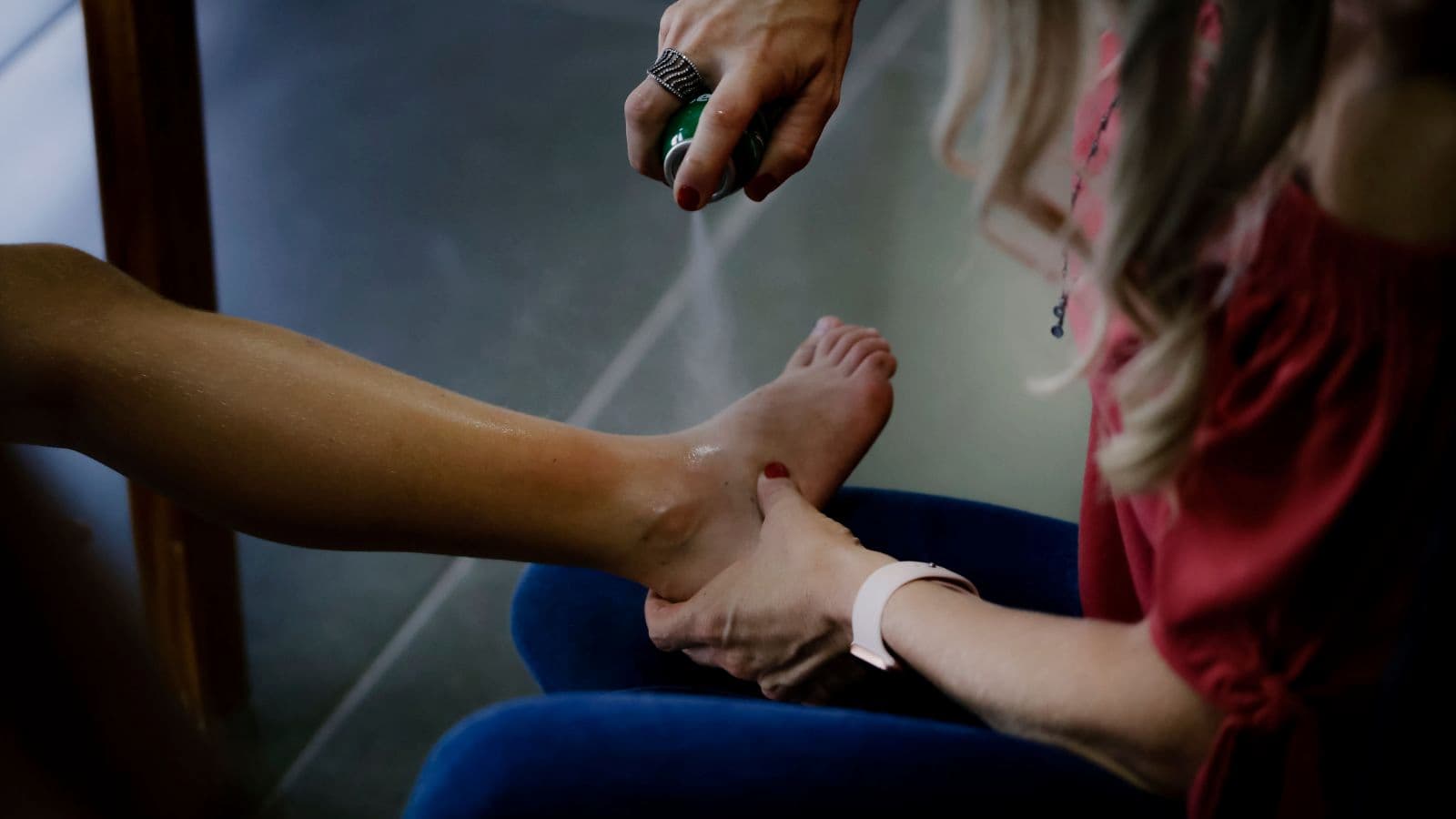
Use Lubricants or Protective Tape
Many runners successfully reduce friction by applying:
- Anti-chafing balm
- Petroleum jelly
- Sports tape
- Blister patches
Focus on areas where you’ve previously developed hot spots.
Treat Hot Spots Early
Don’t wait until pain becomes severe.
If you notice rubbing:
- Stop briefly.
- Adjust your sock.
- Remove debris.
- Apply protective tape if available.
Early action often prevents a small irritation from becoming a large blister.
Strengthen Your Feet
Strong foot muscles improve stability and reduce unnecessary movement inside the shoe. Athletes who understand what muscle imbalances commonly cause injuries in trail runners know that improving lower-limb strength and stability supports more efficient movement across uneven terrain. Simple foot-strengthening exercises can complement your regular training.
Manage Moisture During Long Runs
For ultramarathons or long training days, changing into dry socks at aid stations or planned stops may help reduce prolonged moisture exposure.
This is especially useful during wet races.
Learn From Previous Blisters
Pay attention to where blisters occur.
Repeated blisters in the same location often indicate:
- Shoe fit issues
- Lacing problems
- Sock choice
- Running technique
Identifying the underlying cause helps prevent future problems.
Maintain Healthy Feet
Keep toenails trimmed and address thickened skin before it becomes problematic. Healthy skin tolerates long trail runs better than neglected feet. Long-distance running places significant demands on the feet. Runners should not only focus on blisters but also look for infections such as toe fungus after long trail runs.
Don’t Ignore Small Problems
A minor blister early in a long run can become much worse over several hours. Athletes who understand what is the best way to train for long trail runs know that addressing small issues early often prevents them from becoming race-ending problems.
Recovery Matters Too
Allow blisters to heal properly before returning to demanding trail sessions. Continuing to run on painful blisters may alter your running mechanics and increase the risk of other injuries. Athletes who understand how to recover faster after a trail run know that proper recovery includes paying attention to your feet as well as your muscles.
Expect Different Conditions
Every trail race is different. Dry mountain trails, muddy forests, snow, and desert terrain all create unique challenges for your feet. Athletes who understand what should you know before your first trail run know that preparing for the specific terrain is an important part of race-day success.
Common Blister Mistakes
Many trail runners:
- Wear brand-new shoes on race day.
- Choose cotton socks.
- Ignore hot spots.
- Lace shoes incorrectly.
- Allow debris to remain inside shoes.
- Increase mileage too quickly.
- Continue running despite painful blisters.
- Forget to test footwear during training.
Avoiding these mistakes greatly reduces the likelihood of developing blisters.
Preventing Trail Running Blisters
To reduce your risk:
- Wear properly fitted trail shoes.
- Choose moisture-wicking socks.
- Keep feet as dry as possible.
- Remove trail debris promptly.
- Use lubricants or tape if needed.
- Practise with race-day footwear.
- Build mileage gradually.
- Treat hot spots before they become blisters.
Blisters may be common in trail running, but they aren’t inevitable. With well-fitting footwear, appropriate socks, sensible preparation, and early attention to developing hot spots, most runners can complete long training runs and races with healthy, comfortable feet. Preventing blisters allows you to focus on the trail ahead instead of every painful step.
FAQs
Blisters are usually caused by repeated friction, moisture, pressure, and excessive movement inside the shoe.
Properly fitted trail shoes can reduce foot movement and improve grip, helping lower blister risk.
Moisture-wicking technical socks are generally preferred over cotton socks.
If you’re prone to blisters in certain areas, preventive taping may help reduce friction.
Many runners successfully use anti-chafing products to minimise friction during long runs.
Your feet often slide forward inside the shoe during descents, increasing pressure and friction.
Small, intact blisters often heal naturally. Larger or painful blisters may require appropriate care, particularly if they interfere with walking or running.
Use tested shoes and socks, keep feet as dry as possible, remove debris quickly, and treat hot spots as soon as they develop.