


Long-distance running places significant demands on the feet. While most runners focus on injuries such as blisters, plantar fasciitis, or black toenails, fungal infections are another common issue that can affect both comfort and performance. Toe fungus, often referred to as toenail fungus or fungal nail infection, develops when fungi grow underneath or within the nail. The condition can cause:
- Nail discoloration
- Thickened toenails
- Brittle nails
- Nail separation
- Foot discomfort
- Difficulty wearing running shoes
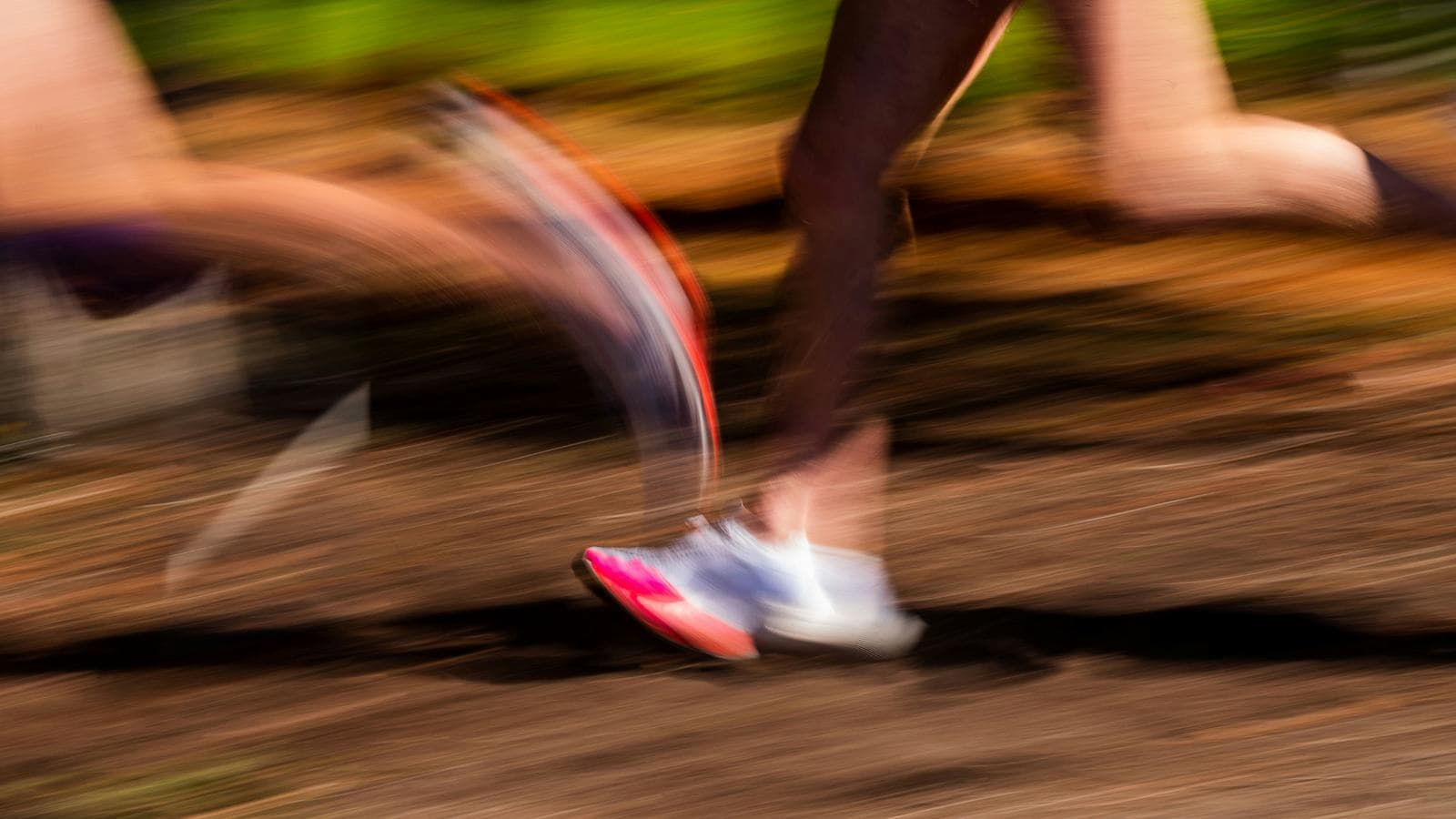
For long-distance runners, the combination of sweat, moisture, repetitive impact, and prolonged time spent in running shoes can create an environment where fungal infections thrive. Understanding what causes toe fungus can help runners take preventative measures before the problem develops.
Warm, Moist Conditions Inside Running Shoes
One of the primary causes of toe fungus is prolonged exposure to warm and damp environments. During long runs, feet can produce significant amounts of sweat.
Inside a running shoe, this creates:
- Moisture
- Heat
- Limited airflow
These conditions are ideal for fungal growth. The longer the feet remain wet, the greater the opportunity for fungi to multiply. Athletes who regularly tackle high-mileage training such as time required for marathon training often spend many hours each week in running shoes, increasing exposure to these conditions.
Wearing Sweat-Soaked Socks for Too Long
Many runners finish a workout and remain in damp socks for extended periods.
This may happen during:
- Travel home
- Post-run errands
- Work commitments
- Recovery activities
Keeping wet socks on after a run allows moisture to remain trapped around the toes. Fungi thrive in these environments. Changing into dry socks as soon as possible can significantly reduce risk.
Poor Shoe Ventilation
Not all running shoes provide the same level of breathability.
Shoes with limited airflow may:
- Retain moisture longer
- Increase foot temperature
- Create a damp environment
This does not mean runners should avoid cushioned shoes, but shoe selection can influence foot health. Athletes improving through what’s the best footstrike for running a marathon often focus heavily on footwear for performance, but ventilation is also an important consideration.
Repeated Toenail Trauma
Long-distance running frequently causes minor trauma to the toenails.
Repeated impact may occur because of:
- Downhill running
- Tight shoes
- Long races
- Swollen feet
Damaged nails can become more vulnerable to fungal invasion.
The fungus often enters through:
- Small cracks
- Nail separation
- Microscopic damage
This is one reason toenail fungus is relatively common among endurance runners.
Wearing Shoes That Are Too Tight
Improper shoe fit can increase fungal risk indirectly.
Tight shoes may:
- Increase nail trauma
- Restrict airflow
- Trap moisture
- Create pressure points
Athletes who regularly follow how to start running when overweight often learn that proper shoe sizing becomes increasingly important as mileage increases and feet experience more stress.
Adequate toe room supports both comfort and foot health.
Failing to Dry Feet Properly
Many runners focus on showering after training but neglect thorough foot drying.
Moisture often remains:
- Between toes
- Around nail beds
- Under toenails
Even small amounts of retained moisture can contribute to fungal growth over time.
Drying feet carefully after:
- Running
- Showering
- Swimming
can help reduce risk significantly.
Shared Facilities and Locker Rooms
Many fungal infections originate outside of running itself.
Common exposure areas include:
- Gym showers
- Locker rooms
- Public changing facilities
- Swimming pools
Fungi can survive on damp surfaces and spread through direct contact.
Athletes who combine running with cross-training activities may experience increased exposure if proper precautions are not taken.
High Training Volume
The more time runners spend training, the greater the opportunity for fungal problems to develop.
Higher mileage generally means:
- More sweating
- More shoe use
- Greater toenail stress
- Longer exposure periods
Athletes following how to run at an altitude often increase training loads gradually, but increased volume can also require greater attention to foot care. More running means more opportunities for fungal growth if preventive habits are neglected.
Neglecting Foot Hygiene
Basic foot hygiene remains one of the most effective prevention strategies.
Common mistakes include:
- Rarely washing feet thoroughly
- Reusing dirty socks
- Ignoring toenail care
- Wearing damp footwear repeatedly
Good hygiene practices help reduce fungal exposure and limit opportunities for infections to develop.
Wearing the Same Shoes Every Day
Running shoes often require time to dry completely after training.
Using the same pair daily may allow moisture to accumulate continuously.
Rotating shoes can:
- Improve drying time
- Reduce moisture retention
- Extend shoe lifespan
Athletes improving through how to become an efficient runner often learn that equipment management contributes to both performance and long-term durability.
Foot health is part of that equation.
Long Trail Runs and Wet Conditions
Trail runners frequently encounter:
- Streams
- Mud
- Rain
- Wet grass
Wet feet for prolonged periods significantly increase fungal risk. Athletes who regularly follow morning workouts for marathon running often discover that foot care becomes even more important when environmental conditions are unpredictable.
Changing socks during longer adventures may help minimise prolonged moisture exposure.
Damaged Toenails From Downhill Running
Downhill running creates repeated forward movement within the shoe.
This may lead to:
- Bruised nails
- Nail lifting
- Black toenails
Damaged nails are often more susceptible to fungal infections because the protective barrier becomes compromised. Athletes who enjoy what is the best downhill running technique for marathons often recognise that efficient downhill mechanics can reduce excessive toe impact.
Compromised Recovery Habits
Recovery is not only about muscles and fitness.
Recovery habits also influence:
- Skin health
- Nail health
- Immune function
Athletes improving through how to recover faster after a marathon frequently develop better post-run routines that include hydration, nutrition, and proper foot care. Ignoring recovery often means ignoring foot maintenance as well.
Sweaty Feet and Individual Factors
Some runners naturally sweat more than others.
Factors influencing sweat production include:
- Genetics
- Environment
- Shoe choice
- Training intensity
Runners with consistently sweaty feet may need additional preventive measures such as:
- Moisture-wicking socks
- Shoe rotation
- More frequent sock changes
Individual differences matter significantly.
Ignoring Early Symptoms
Many fungal infections begin with subtle signs such as:
- Slight discoloration
- Small white spots
- Mild nail thickening
Ignoring these symptoms often allows the infection to progress. Early attention may make treatment easier and reduce the likelihood of spreading. Athletes who understand positive split in running races often appreciate the value of recognising small problems before they become major setbacks. The same principle applies to foot health.
Poor Recovery After Wet Weather Runs
Wet-weather training creates ideal fungal conditions.
Athletes who frequently run in:
- Rain
- Snow
- Mud
should prioritise:
- Dry shoes
- Dry socks
- Proper foot care
Runners who regularly train through how to run safely in cold weather often encounter winter conditions where moisture management becomes especially important. Environmental factors play a major role in fungal risk.
Common Mistakes That Increase Toe Fungus Risk
Many runners unintentionally increase risk by:
- Staying in wet socks
- Wearing tight shoes
- Ignoring nail damage
- Neglecting hygiene
- Wearing damp footwear repeatedly
- Failing to dry feet properly
- Using public showers barefoot
- Ignoring early symptoms
Most fungal infections develop gradually rather than appearing overnight.
How Runners Can Reduce the Risk?
Long-distance runners can lower their risk by:
- Wearing moisture-wicking socks
- Rotating running shoes
- Drying feet thoroughly
- Trimming toenails properly
- Addressing nail trauma early
- Using breathable footwear
- Practising good hygiene
- Changing socks after long runs
Healthy feet are often overlooked until problems arise. By maintaining good foot-care habits, runners can reduce fungal risk and keep training comfortably throughout the year.
FAQs
Toe fungus is a fungal infection that affects the toenail or surrounding tissue.
Long periods in warm, sweaty shoes create conditions that encourage fungal growth.
Yes. Nail trauma can create openings that allow fungi to enter.
Absolutely. Prolonged moisture is one of the biggest risk factors.
Yes. Wet terrain, stream crossings, and muddy conditions may increase exposure.
Indirectly. Tight shoes may increase nail trauma and moisture retention.
Good hygiene, dry feet, breathable shoes, and prompt sock changes all help.
The combination of moisture, heat, and prolonged time spent in running shoes is often the primary contributor.