



A positive split happens when a runner completes the second half of a race slower than the first half. It is one of the most common pacing patterns in running, especially during races where athletes start too aggressively and fade later.
For example:
- Running the first 10K in 45 minutes
- Then running the second 10K in 50 minutes
would be considered a positive split.
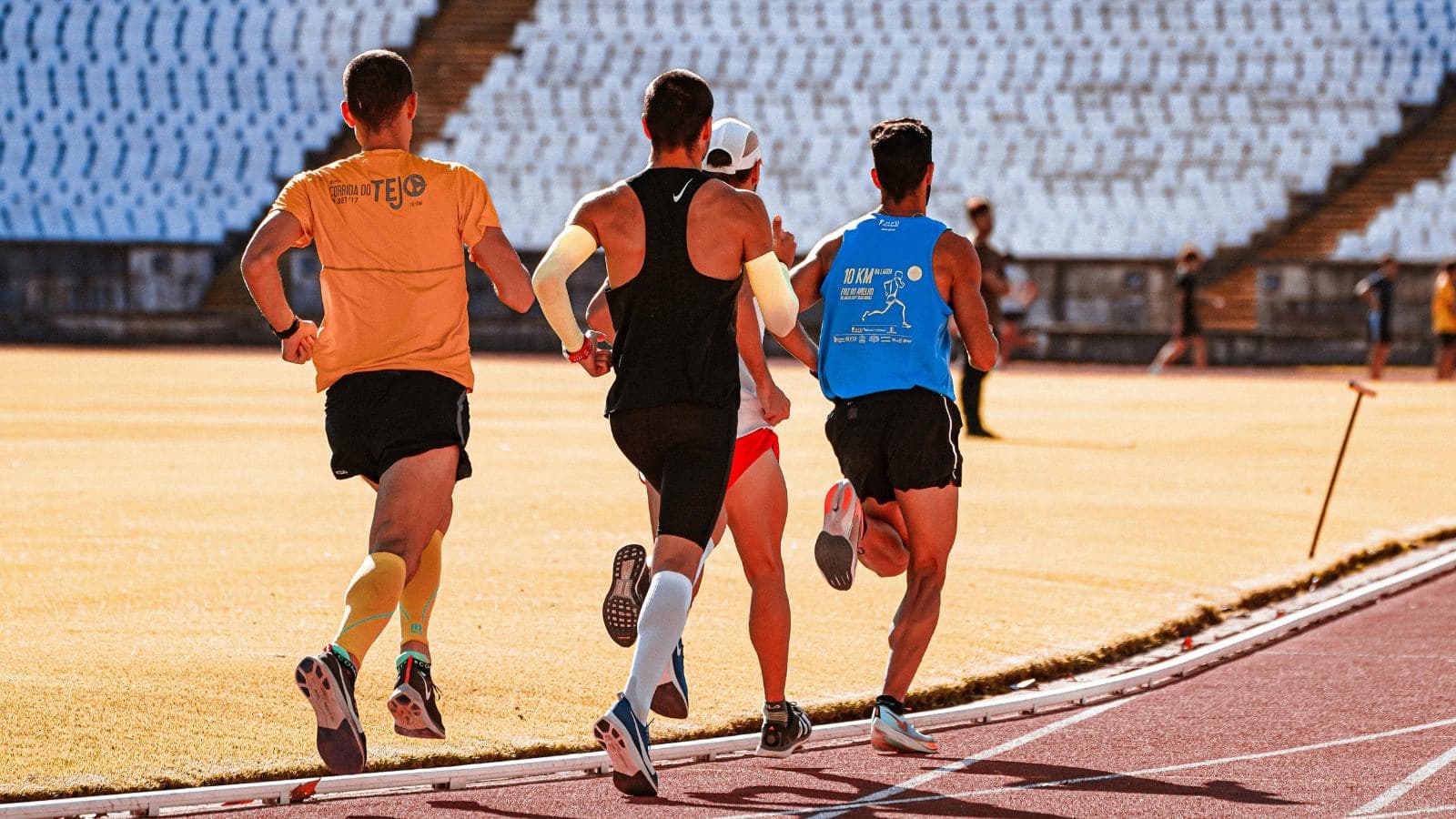
Positive splits usually happen because early pacing exceeds what the body can sustain aerobically over the full race distance. Fatigue accumulates faster, energy stores decline, and running efficiency drops later in the race. Understanding pacing patterns helps runners manage energy better and avoid major performance decline during longer events.
This becomes especially important during endurance preparation like pacing and fueling properly a marathon where pacing mistakes can dramatically affect overall race performance.
Why Positive Splits Happen?
The biggest cause of positive splits is starting too fast.
Early aggressive pacing increases:
- Glycogen depletion
- Lactate accumulation
- Muscular fatigue
- Heart rate drift
- Energy expenditure
Many runners feel strong early because:
- Adrenaline is high
- Muscles are fresh
- Crowds create excitement
- Perceived effort feels lower initially
However, unsustainable pacing often causes significant slowing later in races once fatigue accumulates.
Positive Splits Are Common in Longer Races
Positive splits happen most frequently during:
- Half marathons
- Marathons
- Long trail races
- Hot-weather races
The longer the event, the greater the importance of pacing discipline. Small pacing mistakes early often become major performance problems later. This is one reason runners training through training errors that slow down running progress spend significant time developing aerobic endurance and sustainable pacing awareness.
Fatigue Changes Running Efficiency
As fatigue increases:
- Cadence drops
- Stride mechanics deteriorate
- Ground contact time increases
- Posture weakens
- Energy cost rises
Runners experiencing strong positive splits often struggle because fatigue changes movement quality significantly in the later stages of races. This creates a cycle where running becomes progressively less efficient while effort continues increasing.
Positive Splits Are Not Always a Failure
Not every positive split means poor racing.
Some race conditions naturally create slower second halves:
- Heat
- Wind
- Hills
- Technical terrain
- Altitude
For example, a marathon with major climbs late in the course may naturally produce slower finishing times even with smart pacing.
The goal is not necessarily perfect equal pacing in every race. The goal is avoiding excessive slowdown caused by preventable pacing mistakes.
Beginners Often Positive Split
Newer runners commonly positive split because they:
- Misjudge effort early
- Get caught in race excitement
- Lack pacing experience
- Chase unrealistic pace goals
- Ignore environmental conditions
Learning pacing control takes practice and race experience.
Aerobic development methods explained in mobility routine for runners help runners improve effort awareness and endurance control over time.
Heart Rate Usually Climbs During Positive Splits
When runners start too hard:
- Heart rate rises rapidly
- Glycogen use accelerates
- Fatigue accumulates sooner
As the race progresses, maintaining pace becomes harder even though perceived effort continues rising.
This often leads to:
- Slowing pace
- Increased breathing difficulty
- Heavy legs
- Reduced cadence
The body eventually forces pace reduction because early effort was unsustainable.
Positive Splits Affect Marathon Performance Significantly
Marathon racing punishes aggressive pacing heavily.
A runner who goes out:
- Slightly too fast early
may lose much more time later because: - Glycogen depletion increases
- Muscular fatigue rises
- Thermoregulation becomes harder
- Running economy declines
This is why many experienced marathon runners focus heavily on controlled opening pace rather than chasing ambitious early splits.
Athletes following aerobic base for runners progression often improve pacing discipline gradually through structured endurance development.
Nutrition Can Influence Positive Splits
Poor fueling accelerates fatigue and increases slowdown risk later in races.
Without sufficient carbohydrate intake:
- Glycogen stores decline faster
- Muscles fatigue earlier
- Mental focus drops
- Pace becomes harder to sustain
Longer races especially require:
- Structured hydration
- Carbohydrate intake
- Electrolyte management
Many runners positive split not only because of pacing errors, but because fueling was insufficient for race demands.
Heat Makes Positive Splits More Likely
Warm conditions increase:
- Sweat loss
- Cardiovascular strain
- Core temperature
- Perceived effort
Even well-paced runners often slow somewhat in heat because maintaining the same pace requires greater physiological cost.
Runners who ignore environmental conditions usually positive split more severely.
Negative Splits Are the Opposite
A negative split happens when the second half of the race is faster than the first half.
Negative splitting usually reflects:
- Controlled pacing
- Good endurance
- Energy management
- Strong aerobic fitness
Runners who pace conservatively early often finish stronger because they preserve energy more effectively.
This is discussed further in what is a negative split in running where pacing balance becomes central to race execution.
Positive Splits Can Happen in Training Too
Training runs may also show positive splits when:
- Pace starts too hard
- Recovery is insufficient
- Environmental conditions worsen
- Fitness is not matching workout intensity
This is useful feedback rather than something to panic about.
Consistently fading during workouts often signals:
- Poor pacing
- Excess fatigue
- Unrealistic training intensity
- Insufficient recovery
Recovery strategies covered in tempo run and its advantages for runners become especially important when training fatigue accumulates.
Aerobic Fitness Helps Prevent Severe Slowdown
Strong aerobic fitness improves:
- Glycogen efficiency
- Fatigue resistance
- Running economy
- Cardiovascular stability
Runners with stronger aerobic bases usually maintain pace more consistently during longer races.
This is one reason endurance development through importance of hip mobility for runners supports better pacing control and reduced late-race collapse.
Mental Pacing Matters
Many positive splits happen emotionally rather than physically.
Runners often:
- Get pulled by faster athletes
- Chase unrealistic goals
- Ignore effort signals
- Panic during races
Good pacing requires:
- Patience
- Discipline
- Self-awareness
Experienced runners understand that races rarely feel difficult during the opening stages even when pacing is too aggressive.
Common Positive Split Mistakes
Many runners unintentionally create severe positive splits through avoidable habits.
Common mistakes include:
- Starting too fast
- Ignoring weather conditions
- Underfueling
- Racing emotionally
- Skipping endurance development
- Poor hydration
- Unrealistic pace goals
The fastest races are often the most controlled rather than the most aggressive early.
Practical Ways to Avoid Positive Splits
Runners can reduce positive split risk by:
- Starting conservatively
- Monitoring effort carefully
- Fueling consistently
- Respecting weather conditions
- Building aerobic fitness
- Practising pacing during training
- Avoiding emotional surges early
Patience early in races usually creates stronger overall performance later.
FAQs
Starting too fast is the most common cause of positive splits.
Not always, but excessive slowing often indicates pacing problems or fatigue mismanagement.
Yes. Newer runners often struggle with pacing control and effort management.
Absolutely. Heat, wind, and hills commonly slow runners later in races.
Controlled pacing, aerobic fitness, fueling, and patience early in the race help prevent excessive slowdown.
A negative split occurs when the second half of the race is faster than the first half.
Yes. Underfueling accelerates fatigue and increases slowing later in races.