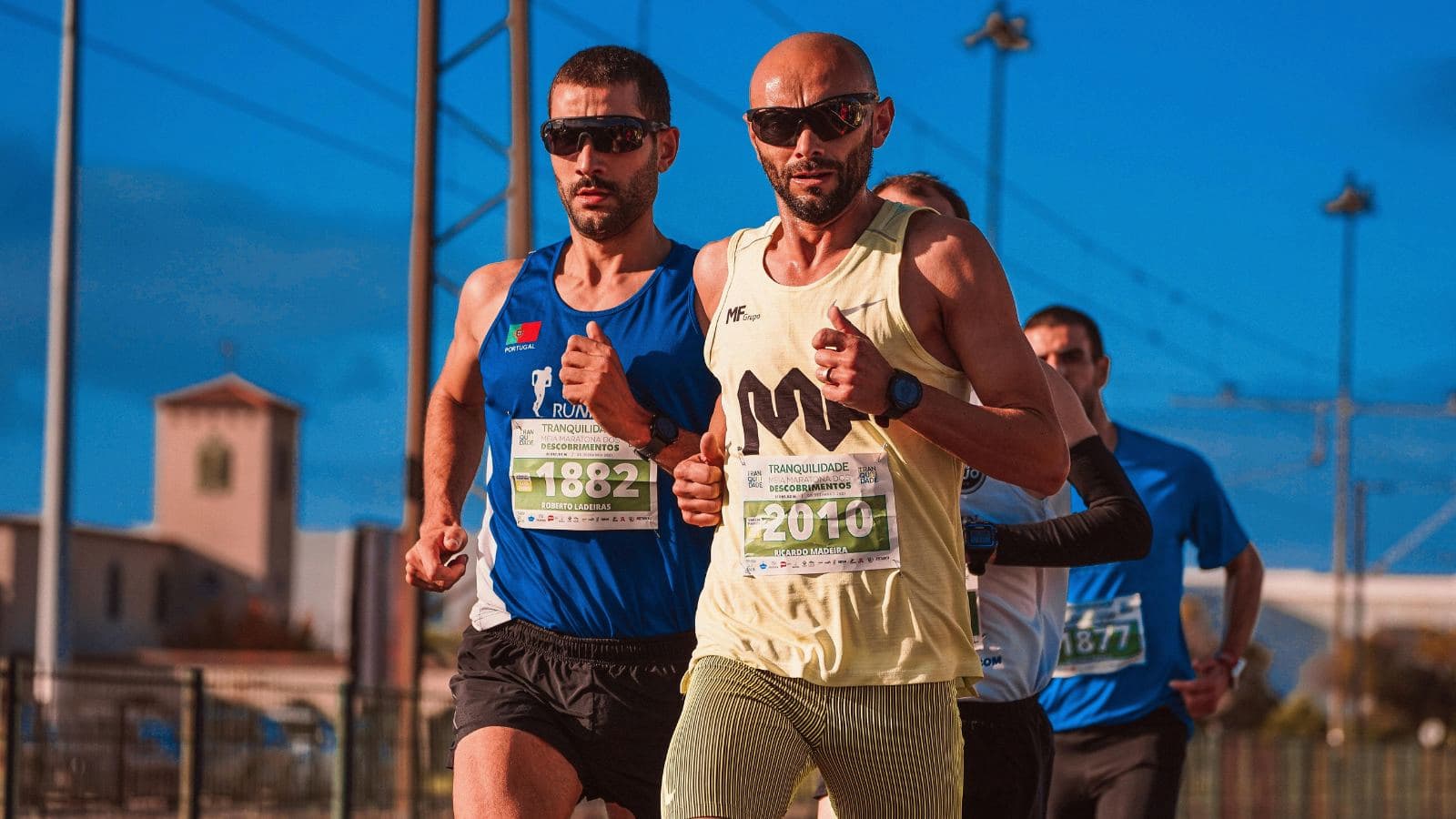



A tempo run is a sustained running effort performed at a controlled hard pace that improves endurance, aerobic efficiency, and lactate threshold. It is one of the most effective workouts marathon runners can use to improve sustainable speed without creating the extreme fatigue associated with all-out interval training. Tempo running teaches the body how to maintain strong pace while managing fatigue efficiently. Instead of sprinting or running maximally, runners stay at a “comfortably hard” effort that can usually be sustained for around 20 to 60 minutes depending on experience and fitness.

For marathon runners, tempo runs are especially valuable because the marathon depends heavily on aerobic efficiency, pacing control, and fatigue resistance over long durations. Tempo work becomes even more effective when combined with structured aerobic development like zone 2 running explained where endurance foundations support sustainable faster pacing.
What Does a Tempo Run Feel Like?
A tempo run should feel controlled but challenging.
During a tempo effort:
- Breathing becomes heavier but manageable
- Conversation is limited to short phrases
- Pace feels sustainable but demanding
- Running form remains controlled
- Effort stays below sprint intensity
Tempo pace is often close to lactate threshold intensity, meaning it sits near the upper limit of sustainable aerobic work. The effort should never feel reckless or desperate. Many runners mistakenly turn tempo runs into races, which reduces the intended aerobic benefits and increases recovery demands unnecessarily.
Why Tempo Runs Matter for Marathon Training?
Marathon racing depends on maintaining steady sustainable effort for long periods.
Tempo runs improve:
- Lactate threshold
- Running economy
- Aerobic efficiency
- Pacing control
- Mental resilience
As threshold improves, marathon runners can hold faster pace while producing less relative fatigue.
This becomes critical during longer races where small pacing improvements create major overall performance gains.
Athletes preparing through structured plans like fueling and hydrating for a marathon often use tempo sessions as key workouts for developing race-specific endurance.
Tempo Runs Improve Lactate Threshold
Lactate threshold refers to the intensity where fatigue begins accumulating rapidly because lactate production exceeds clearance.
Tempo training improves the body’s ability to:
- Process lactate efficiently
- Sustain stronger effort
- Delay fatigue
- Maintain pace longer
This means runners become more comfortable operating at faster aerobic intensities.
Threshold improvement is one of the main reasons tempo runs are so effective for endurance racing.
Marathon Pace and Tempo Pace Are Different
Tempo pace is usually faster than marathon pace. Marathon pace should feel sustainable for the full race distance, while tempo effort is harder and more demanding. However, the two intensities are closely connected because improving threshold pace often improves marathon pace indirectly.
Many runners benefit from understanding the relationship between pacing intensities discussed in how to pace your marathon properly before integrating tempo sessions aggressively.
Tempo Runs Improve Running Economy
Running economy refers to how efficiently runners use oxygen and energy at a given pace.
Tempo running improves:
- Cadence control
- Posture under fatigue
- Breathing rhythm
- Muscular endurance
- Stride efficiency
As economy improves, marathon runners maintain pace more effectively without excessive energy expenditure.
This becomes increasingly important later in races when fatigue begins affecting running mechanics.
Mental Benefits of Tempo Running
Tempo runs are mentally challenging because they require sustained concentration and controlled discomfort.
They teach runners how to:
- Maintain focus under fatigue
- Pace consistently
- Control breathing
- Stay relaxed while working hard
- Build confidence at stronger effort levels
This psychological adaptation becomes highly valuable during marathon racing where maintaining composure often affects pacing decisions significantly.
Tempo Runs Teach Better Pacing
One of the biggest marathon mistakes is poor pacing.
Tempo running helps athletes develop:
- Effort awareness
- Sustainable intensity control
- Rhythm management
- Aerobic pacing discipline
Runners who practise controlled sustained efforts regularly usually pace races more effectively than athletes relying only on easy mileage or short intervals. This pacing awareness becomes especially valuable during preparation discussed in increasing running speed without overtraining where long-term endurance progression matters more than short-term speed.
Common Types of Tempo Runs
Tempo training can be structured in several ways.
Examples include:
- Continuous tempo runs
- Tempo intervals
- Progressive tempo sessions
- Cruise intervals
Continuous tempo runs involve sustained effort without recovery breaks.
Tempo intervals break threshold work into shorter segments with brief recovery periods.
Both approaches improve endurance effectively while allowing flexibility based on experience and training phase.
Tempo Runs Should Not Feel Maximal
A common mistake is running tempo sessions too hard.
Tempo work should feel:
- Controlled
- Sustainable
- Rhythmic
- Repeatable
Running above threshold excessively often creates: - Excess fatigue
- Poor recovery
- Reduced workout quality
- Increased injury risk
Athletes who stay disciplined with effort usually gain more consistent long-term benefits.
Tempo Runs Work Best with Aerobic Base Training
Tempo sessions are highly effective, but they work best when supported by strong aerobic development.
Easy running improves:
- Recovery
- Aerobic capacity
- Fat metabolism
- Muscular durability
This is why successful marathon plans combine tempo work with easier aerobic sessions like those explained in how to improve running endurance. Too much threshold intensity without adequate easy running often leads to burnout and stagnation.
Tempo Running Helps Marathon Runners Finish Stronger
Late-race fatigue is one of the biggest marathon challenges.
Tempo runs improve:
- Fatigue resistance
- Mental resilience
- Sustainable pace tolerance
- Running efficiency under stress
This helps marathon runners maintain stronger pace deeper into races rather than slowing dramatically in the final kilometres.
Athletes who develop stronger threshold fitness often experience less severe pace collapse later in endurance events.
Recovery Still Matters
Tempo runs create significant aerobic and muscular stress.
Recovery becomes important for:
- Glycogen restoration
- Muscle repair
- Nervous system recovery
- Long-term adaptation
Useful recovery habits include: - Sleep prioritisation
- Easy recovery running
- Mobility work
- Proper nutrition
- Hydration
Marathon runners balancing high mileage with threshold work often benefit from strategies discussed in staying motivated during running recovery.

Tempo Runs Are Useful Beyond Marathon Racing
Tempo work benefits:
- Half marathon runners
- Triathletes
- 10K runners
- Trail runners
- General endurance athletes
because sustainable aerobic power matters across almost every endurance discipline.
The exact structure may change depending on goals, but threshold development remains universally valuable.
Common Tempo Run Mistakes
Many runners reduce the effectiveness of tempo training through avoidable habits.
Common mistakes include:
- Running too hard
- Skipping warm-ups
- Neglecting easy recovery days
- Treating tempo runs like races
- Using unrealistic pace targets
- Doing tempo sessions too frequently
Tempo runs should challenge runners without completely exhausting them.
Practical Ways to Add Tempo Runs
Marathon runners can integrate tempo sessions through:
- Weekly threshold runs
- Progressive long runs
- Cruise intervals
- Sustained marathon-effort sessions
- Controlled progression workouts
Beginners should start conservatively and focus on controlled pacing rather than aggressive speed targets.
Consistency matters more than occasional extremely hard sessions.
FAQs
Yes. Tempo runs improve sustainable pace, endurance, and fatigue resistance which are critical for marathon performance.
Tempo effort should feel controlled but challenging, usually around comfortably hard intensity.
Most tempo runs last between 20 and 60 minutes depending on fitness and workout structure.
Usually no. Tempo pace is generally slightly faster than marathon pace.
Yes. Beginners can use shorter controlled tempo intervals to build endurance gradually.
Most marathon runners benefit from one tempo-focused session per week.
Yes. Tempo training improves sustainable speed and running efficiency over longer distances.
Excessively hard tempo sessions increase fatigue and reduce the intended aerobic training benefits.