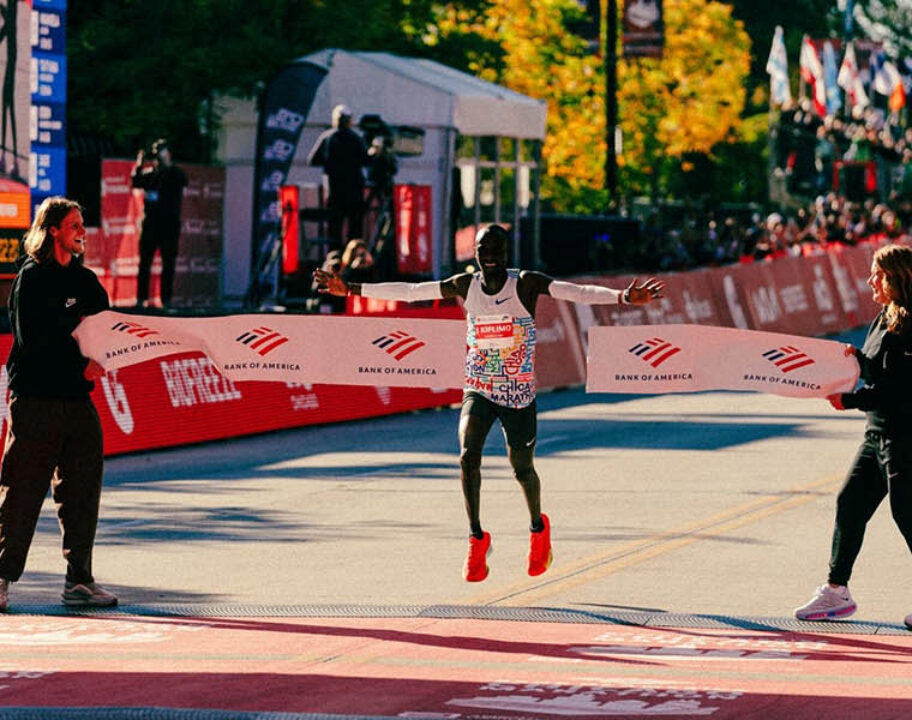



Running at altitude feels harder because the air contains less available oxygen than at sea level. As elevation increases, the body must work harder to deliver oxygen to working muscles, which affects breathing, heart rate, pacing, recovery, and overall endurance performance. Even experienced runners often struggle when training or racing at altitude for the first time. Easy runs may suddenly feel difficult, heart rate rises faster, and maintaining normal pace becomes far more demanding.
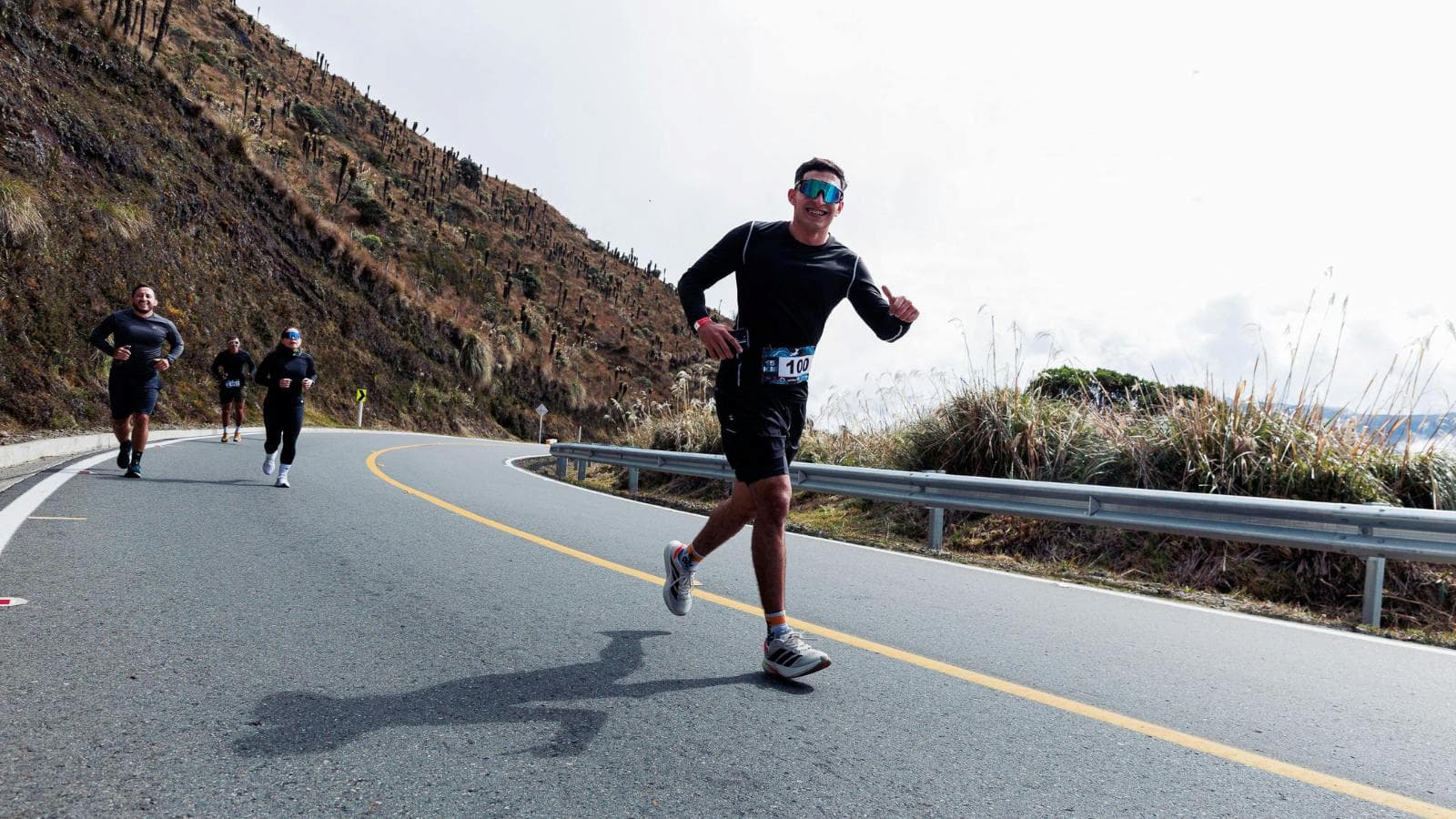
However, runners can still perform well at altitude with the right pacing, preparation, recovery, and training adjustments. The goal is not fighting the conditions, but adapting intelligently to them. This becomes especially important during endurance racing and mountain events discussed in how to improve running endurance, where aerobic efficiency and pacing control become critical.
Why Running Feels Harder at Altitude?
At higher elevations, air pressure decreases, which reduces the amount of oxygen available with each breath.
This means the body must:
- Breathe harder
- Increase heart rate
- Work harder aerobically
- Recover more slowly
- Produce energy less efficiently
The higher the altitude, the more noticeable these effects become.
Many runners notice: - Heavy breathing
- Faster fatigue
- Slower pace
- Increased effort
even during easy runs.
Heart Rate Usually Increases
One of the first altitude effects runners notice is elevated heart rate. The body compensates for lower oxygen availability by increasing cardiovascular effort.
This often causes:
- Faster heart rate at easy pace
- Increased breathing rate
- Reduced recovery between efforts
- Higher perceived exertion
A pace that feels comfortable at sea level may suddenly feel unsustainable at altitude. This is why effort-based pacing becomes far more important than chasing normal pace targets.
Athletes following increasing running speed without overtraining principles usually adapt more intelligently to altitude conditions.
Pace Must Adjust at Altitude
Many runners struggle because they try maintaining sea-level pace immediately after arriving at altitude.
This commonly leads to:
- Excess fatigue
- Overheating
- Poor recovery
- Premature exhaustion
- Increased injury risk
Running by: - Effort
- Breathing rhythm
- Heart rate
usually works much better initially.
Accepting slower pace is one of the most important altitude adaptations runners can make.
Acclimatisation Takes Time
The body gradually adapts to altitude exposure through physiological changes such as:
- Increased breathing efficiency
- Improved oxygen delivery
- Increased red blood cell production
- Better muscular oxygen use
However, these adaptations take time.
Many runners need: - Several days for basic adjustment
- Several weeks for meaningful adaptation
Performance often feels worst during the first few days before the body begins adjusting more effectively.
Easy Running Matters More at Altitude
Altitude increases overall training stress significantly.
This means runners usually benefit from:
- More aerobic running
- Reduced intensity
- Controlled recovery
- Conservative pacing
Many athletes make the mistake of continuing normal sea-level intensity immediately after arrival. Aerobic development becomes even more important during altitude training.
Understanding zone 2 running explained helps runners maintain manageable effort while adapting physiologically.
Hydration Needs Increase
Altitude commonly increases fluid loss through:
- Faster breathing
- Dry air exposure
- Increased respiration
- Greater sweat loss during effort
Dehydration worsens: - Fatigue
- Headaches
- Recovery quality
- Cardiovascular strain
Runners at altitude should focus on: - Consistent hydration
- Electrolyte balance
- Monitoring urine colour
- Drinking regularly throughout the day
Hydration often becomes more important than runners initially realise.
Recovery Takes Longer
Altitude increases recovery demands because the body is already under physiological stress.
Runners may notice:
- Persistent fatigue
- Poor sleep initially
- Elevated soreness
- Reduced workout quality
- Higher resting heart rate
Recovery priorities should include: - Sleep
- Easy training days
- Proper fueling
- Mobility work
- Stress management
Athletes improving recovery through preventing injuries with strength and mobility training often tolerate altitude training more successfully.
Sleep Can Be Disrupted Initially
Many runners experience poor sleep during early altitude exposure.
Common issues include:
- Frequent waking
- Restless sleep
- Elevated breathing
- Reduced sleep quality
Poor sleep further affects: - Recovery
- Mood
- Endurance
- Adaptation
- Immune function
Sleep usually improves gradually as the body acclimatises.
Nutrition Becomes More Important
Altitude increases energy expenditure and recovery demands.
Runners often need:
- More carbohydrates
- Better hydration
- Consistent fueling
- Adequate iron intake
Carbohydrates become especially important because they provide efficient fuel under lower oxygen conditions.
Poor nutrition often accelerates: - Fatigue
- Recovery problems
- Performance decline
Many runners unintentionally underfuel while training at altitude.
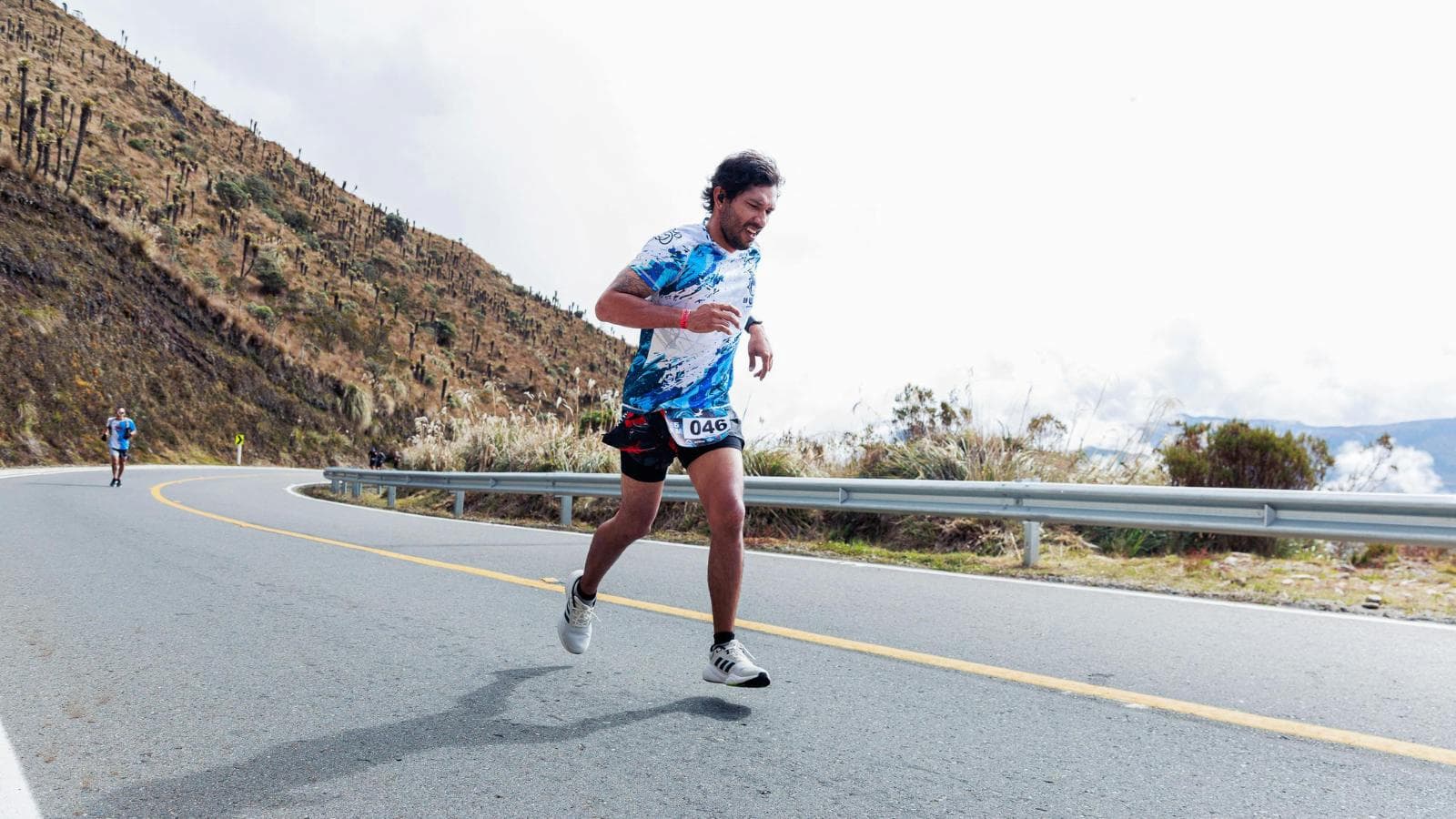
Running Uphill Feels Much Harder
Climbing at altitude increases oxygen demand dramatically.
Steep terrain combined with reduced oxygen availability commonly causes:
- Heavy breathing
- Leg fatigue
- Elevated heart rate
- Reduced pace
Many runners benefit from hiking steeper sections rather than forcing unsustainable running effort.
Effort control matters far more than maintaining pace during mountain running conditions.
Strength Training Supports Altitude Running
Strength training improves:
- Running economy
- Posture
- Muscular efficiency
- Fatigue resistance
At altitude, efficient movement becomes even more valuable because oxygen availability is limited.
Important areas include: - Glutes
- Core
- Calves
- Hamstrings
- Hip stabilisers
Athletes applying concepts from avoiding common zone 2 pacing mistakes often maintain movement quality more effectively under fatigue.
Mental Patience Is Important
Many runners become frustrated at altitude because:
- Pace drops significantly
- Effort feels unusually high
- Recovery slows
- Breathing feels difficult
Trying to “push through” aggressively usually backfires. Altitude running requires patience and realistic expectations.
The body adapts more effectively when stress increases progressively rather than emotionally.
Altitude Affects Intervals and Speed Work
High-intensity workouts feel substantially harder at altitude.
Runners may need:
- Longer recoveries
- Reduced interval volume
- Slower rep pace
- Fewer hard sessions
Trying to force sea-level interval pace often creates: - Excessive fatigue
- Poor mechanics
- Overtraining risk
Workout quality matters more than maintaining identical pace numbers.
Long Runs Require More Fueling Awareness
Long runs at altitude increase:
- Glycogen use
- Cardiovascular stress
- Dehydration risk
- Recovery demand
Athletes should practise: - Consistent hydration
- Carbohydrate intake
- Conservative pacing
- Effort management
This becomes especially important during marathon preparation discussed in improving your running form without overthinking it.
Sea-Level Fitness Does Not Disappear
Many runners panic when pace slows dramatically at altitude. This does not mean fitness is lost. Reduced oxygen availability affects performance temporarily, but underlying aerobic fitness remains present. Once acclimatisation improves or athletes return to lower elevation, normal pace often returns quickly.
Common Altitude Running Mistakes
Many runners make adaptation harder through avoidable habits.
Common mistakes include:
- Starting too hard
- Ignoring hydration
- Chasing sea-level pace
- Underfueling
- Skipping recovery
- Training too intensely immediately
- Ignoring sleep quality
Successful altitude running usually requires patience more than toughness.
Practical Ways to Run Better at Altitude
Runners can improve altitude performance by:
- Slowing pace initially
- Running by effort
- Prioritising hydration
- Fueling consistently
- Increasing recovery focus
- Building aerobic fitness patiently
- Sleeping well
- Accepting gradual adaptation
The body adapts best when training stress remains controlled and sustainable.
FAQs
Higher elevation reduces available oxygen, forcing the body to work harder aerobically.
Yes. Heart rate commonly rises because the body works harder to deliver oxygen to muscles.
Absolutely. Effort matters more than pace during altitude running.
Basic adjustment may take several days, while deeper adaptation can take several weeks.
Yes. Recovery usually becomes slower because overall physiological stress increases.
Altitude increases fluid loss through breathing and dry air exposure.
Yes. Many runners experience disrupted sleep initially after arriving at altitude.
Usually no. Controlled aerobic running works better during early adaptation.