


Cold-weather running can improve endurance, mental resilience, and training consistency during winter months, but it also creates additional risks if runners are unprepared. Low temperatures affect breathing, muscle function, visibility, grip, hydration, and overall recovery. Running safely in cold weather requires more than simply adding extra layers. The body works differently in colder conditions. Muscles take longer to warm up, joints feel stiffer, and weather conditions can change rapidly during longer runs. Wind chill, ice, rain, and reduced daylight also increase safety concerns.
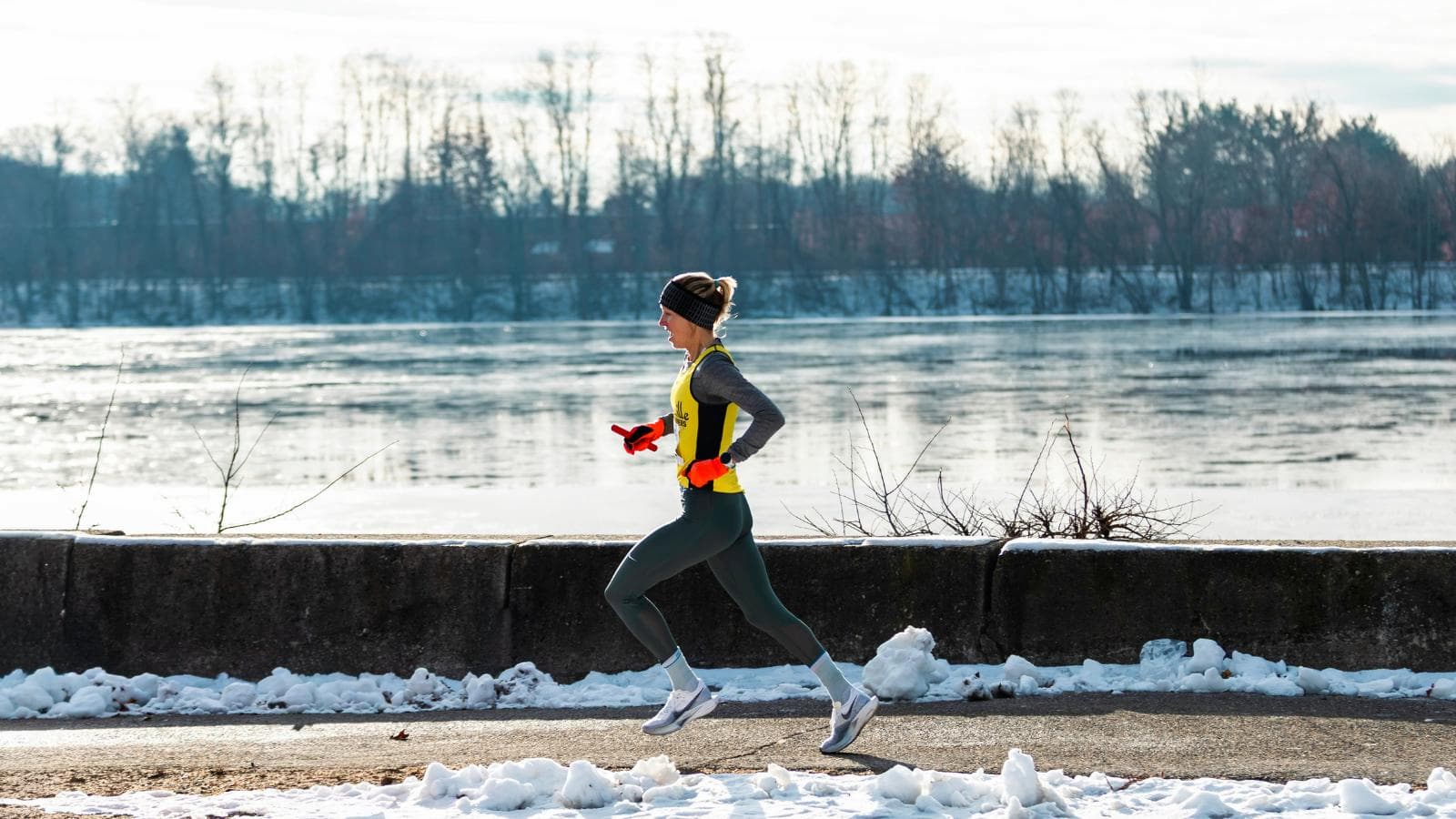
With the right preparation, runners can continue training safely and effectively throughout winter without compromising performance or recovery.
Cold-weather endurance training becomes much easier to manage when runners already understand lactate threshold in running and how controlled aerobic pacing helps reduce unnecessary fatigue in difficult conditions.
Dress for Conditions, Not Just Temperature
One of the biggest winter running mistakes is overdressing.
Runners should aim to feel slightly cool during the first few minutes because body temperature rises quickly once running begins.
Overheating often causes:
- Excess sweating
- Wet clothing
- Faster heat loss later
- Discomfort during long runs
A good layering approach usually includes:
- Moisture-wicking base layer Insulating middle layer if needed Wind-resistant outer layer
- Cotton should generally be avoided because it traps moisture and increases heat loss once wet.
- Wind chill also matters significantly. A cold windy day often feels much colder than the actual temperature.
Warm Up Longer Before Running
Cold muscles and joints are less prepared for harder running.
A proper warm-up improves:
- Blood flow
- Joint mobility
- Muscle activation
- Coordination
- Running efficiency
Useful warm-up movements include:
- Leg swings
- Walking lunges
- High knees
- Dynamic calf movements
- Easy jogging progression
Starting too aggressively in cold weather often increases injury risk because tissues remain stiff during the opening part of the run.
This becomes especially important during structured training blocks like half marathon training plan for beginners where consistency matters more than occasional aggressive sessions.
Protect Your Extremities
Hands, ears, and feet lose heat quickly during winter running.
Cold extremities commonly affect:
- Grip
- Comfort
- Balance
- Overall body temperature
Useful winter gear includes:
- Gloves
- Thermal socks
- Ear warmers
- Lightweight hats
- Neck gaiters
Layering smaller accessories often improves comfort more effectively than simply wearing a heavier jacket.
Watch for Ice and Slippery Surfaces
Winter surfaces create one of the biggest safety risks for runners. Ice, black ice, wet leaves, snow, and frozen pavement increase slipping risk significantly.
Useful adjustments include:
- Shortening stride length
- Reducing pace
- Avoiding sharp turns
- Running on treated surfaces
- Wearing shoes with better traction
Trail runners should also remain cautious because uneven frozen ground increases ankle injury risk.
Visibility Matters in Winter
Shorter daylight hours increase visibility concerns significantly.
Many runners train:
- Early morning
- Late evening
- In poor weather conditions
Drivers and cyclists often struggle to see runners during dark winter conditions.
Important visibility tools include:
- Reflective clothing
- Headlamps
- Rear lights
- Bright outer layers
Visibility becomes especially important during endurance preparation like how long does it take to train for a marathon where higher training volume increases exposure to darker running hours.
Adjust Pace Expectations
Cold weather often affects pace naturally.
Factors such as:
- Wind
- Snow
- Ice
- Layering
- Reduced traction
can all slow running speed.
Trying to force normal pacing during difficult winter conditions often increases:
- Fatigue
- Injury risk
- Energy expenditure
- Recovery demands
Running by effort usually works better than chasing pace targets in cold weather.
Controlled aerobic effort remains more important than exact pace numbers.
Hydration Still Matters in Cold Conditions
Many runners drink less during winter because thirst feels reduced.
However, cold-weather running still causes:
- Fluid loss
- Electrolyte loss
- Dehydration risk
Dry winter air can also increase fluid loss through breathing.
Hydration remains important during:
- Long runs
- Layered running sessions
- Windy conditions
- Indoor-to-outdoor transitions
Winter dehydration often develops more gradually and becomes harder to notice.
Breathing Can Feel Harder in Cold Air
Cold dry air sometimes irritates the airways and lungs.
Some runners experience:
- Chest tightness
- Dry throat
- Increased coughing
- Breathing discomfort
Wearing a neck gaiter or buff over the mouth can help warm incoming air slightly before breathing.
Starting runs gradually also allows the respiratory system to adapt more comfortably to colder air.
Footwear Choices Matter
Winter running conditions often require different footwear considerations.
Useful adjustments may include:
- Better grip
- Water resistance
- Slightly thicker socks
- Improved traction
However, runners should avoid changing footwear dramatically immediately before important training blocks or races. Shoes should still feel familiar and comfortable under normal running mechanics. Athletes improving durability through how to prevent running injuries with strength and mobility training often reduce winter injury risk further by maintaining stable footwear and movement quality.
Recovery Takes More Attention in Winter
Cold weather increases recovery demands because the body uses additional energy for temperature regulation.
Recovery priorities include:
- Sleep
- Nutrition
- Hydration
- Warm clothing post-run
- Dry clothing changes
Remaining in wet clothing after running increases heat loss quickly and may delay recovery quality. Winter training consistency often depends heavily on recovery habits outside training itself.
Wind Changes Running Effort Significantly
Strong wind increases energy cost considerably.
Running into headwinds:
- Raises heart rate
- Increases fatigue
- Alters pacing
- Reduces body temperature
Wind-resistant outer layers help, but pacing expectations should also adjust accordingly.
Effort-based running works much better than rigid pace goals during windy winter sessions.
Layer Management Is Important During Long Runs
Long winter runs often create changing temperature conditions.
Runners should consider:
- Removable layers
- Zipper ventilation
- Glove adjustments
- Storage options
Overheating early usually creates discomfort later once sweat cools down. Good winter running clothing should allow temperature regulation rather than simply trapping maximum heat.
Illness Risk Increases with Poor Recovery
Cold weather itself does not directly cause illness, but accumulated fatigue and poor recovery can weaken immune function.
Runners increasing winter training volume without recovery balance often experience:
- Persistent fatigue
- Reduced sleep quality
- Illness susceptibility
- Burnout
This becomes especially important during heavier endurance phases discussed in how to recover faster after running.
Common Cold-Weather Running Mistakes
Many runners create avoidable problems during winter training.
Common mistakes include:
- Overdressing
- Starting too fast
- Ignoring visibility
- Wearing wet cotton clothing
- Skipping warm-ups
- Running aggressively on ice
- Neglecting hydration
- Ignoring wind chill
Most cold-weather issues become manageable with proper preparation and pacing adjustments.
Practical Ways to Run Safely in Cold Weather
Runners can improve winter safety significantly by:
- Dressing in layers
- Warming up properly
- Prioritising visibility
- Adjusting pace expectations
- Monitoring footing carefully
- Staying hydrated
- Protecting hands and ears
- Running by effort rather than pace
Consistency and smart decision-making matter more than forcing ideal training conditions.
FAQs
Yes. Running in cold weather is generally safe with proper clothing, warm-ups, and awareness of conditions.
This depends on wind chill, clothing, and individual tolerance, but extreme cold increases risk significantly.
Layered moisture-wicking clothing works best to regulate body temperature and reduce sweat buildup.
Many runners dress for standing outside rather than for body heat generated during running.
Yes. Cold dry air can irritate airways and make breathing feel more difficult initially.
Absolutely. Cold muscles and joints require more gradual preparation before harder running.
Shorter strides, reduced pace, and running on treated surfaces help reduce slipping risk.
Yes. Dehydration still occurs in cold weather even when thirst feels lower.