

Trail running may be enjoying unprecedented growth, but Gemma Hillier-Moses believes one of key challenges remaining is to ensure more women feel able to take part.
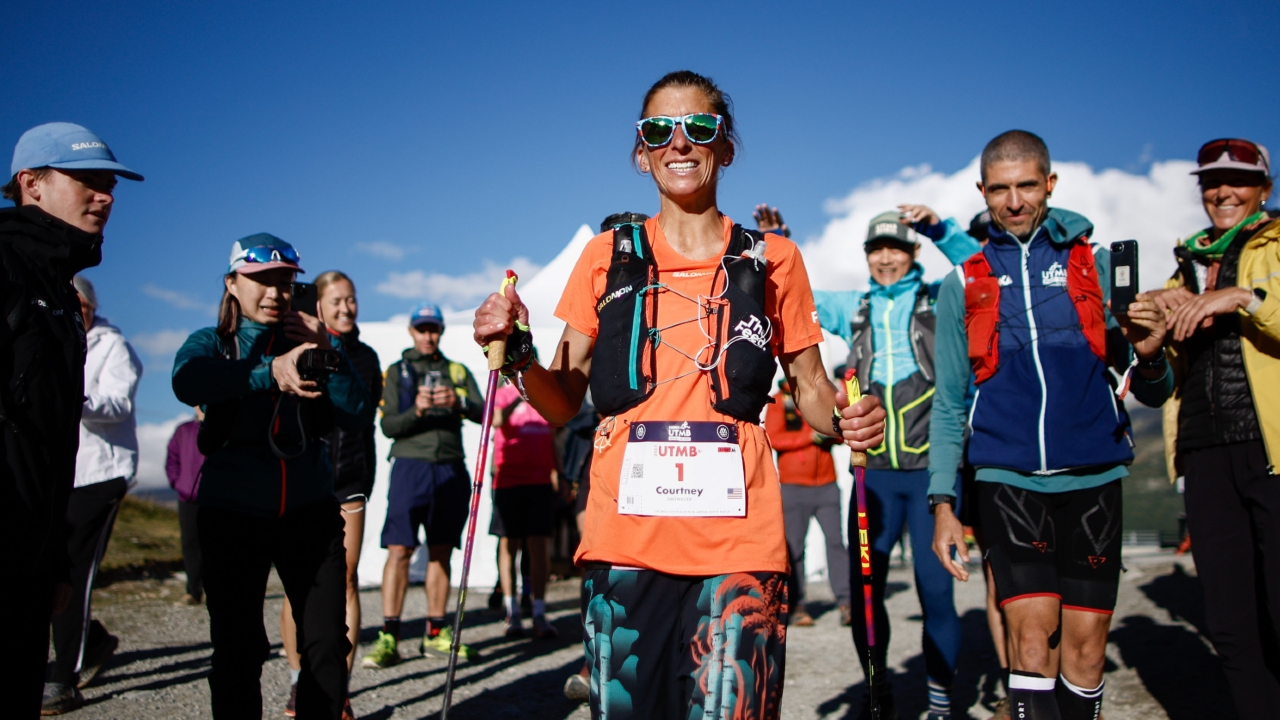
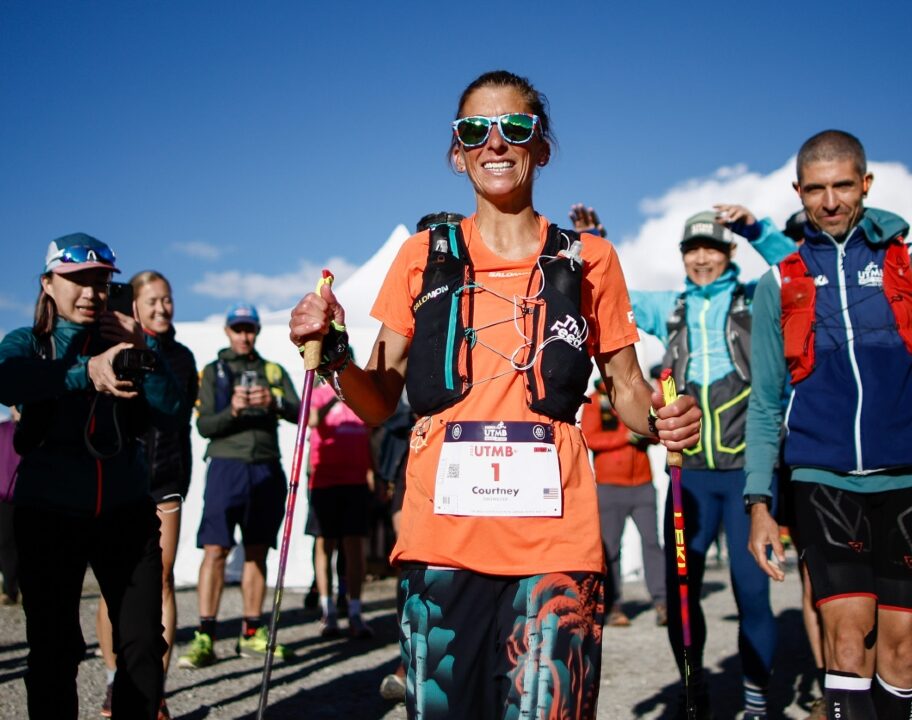
She came into the sport relatively recently after a background on the track and road – and has made an instant impact, this year winning the Arc of Attrition 50 before coming fourth to GOAT Courtney Dauwalter, Yngvild Kaspersen and subsequent Cocodona 250 record-breaker Rachel Entrekin at the 120km Ultra Trail Chianti Castles by UTMB in late March, her longest race to date.
You can learn much more about her running journey here as well as her 2026 targets – via the first two parts of this interview.
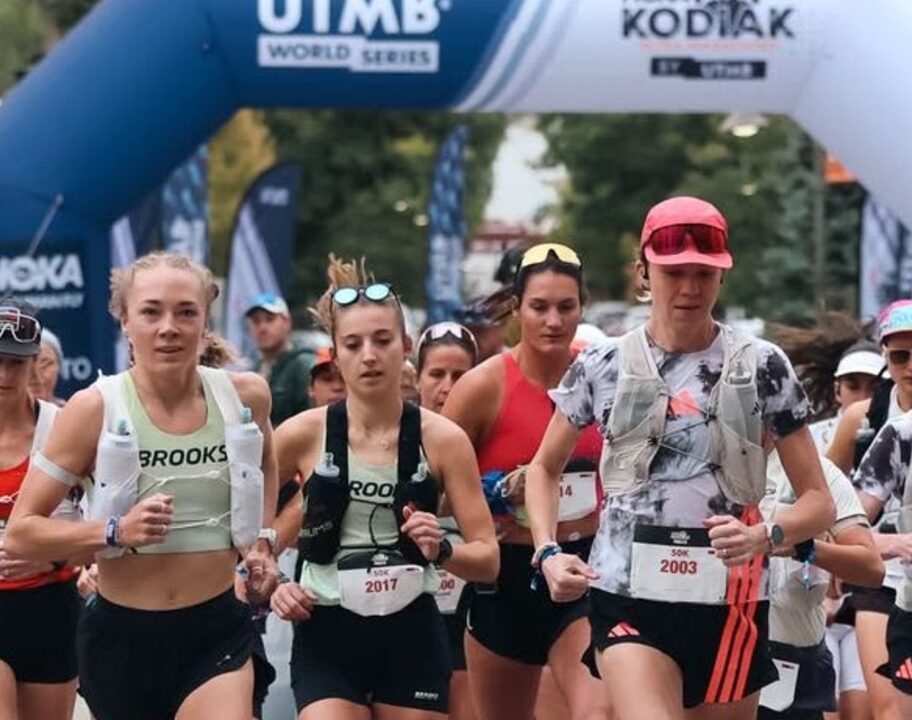
Participation numbers in many races remain heavily skewed, and while the sport’s visibility is improving, Hillier-Moses says the reality on the ground shows there is still work to do.
“I saw some numbers recently from the Arc of Attrition where about 24% of participants were women,” she told RUN247.
“That’s still very low. “So although things are moving in the right direction, there’s definitely more that can be done.”
A sport that demands time
One of the biggest barriers, she believes, is the sheer time commitment trail running requires.
Compared with road running, training for trail races often means spending long hours on remote terrain, something that can be difficult to fit around modern life.
“Trail running takes up a lot more time than road running,” she explained.
“You’re often travelling to trails, doing long runs in the mountains and races can take a whole day or more.
“And women often have multiple roles in their lives – work, family, caring responsibilities – so finding that time isn’t always easy.”
Even entering races can be a challenge.
With many of the sport’s biggest events selling out rapidly, runners are often required to commit far in advance – something not everyone can do.
“Some races sell out a year ahead,” Hillier-Moses said.
“And for some people that’s difficult because they can’t always plan that far in advance.”
Confidence and safety on the trails
Another barrier, she says, is confidence when it comes to training in remote environments.
Unlike road running, trail running often involves navigating unfamiliar routes, long periods in the mountains and potentially being out alone for hours.
“Going out to recce a route in the mountains on your own can feel quite daunting,” she said.
“I’ve learned how to do that safely – sharing locations, telling people where I’m going, knowing when I should be back.
“But those are things you often only learn through experience.”
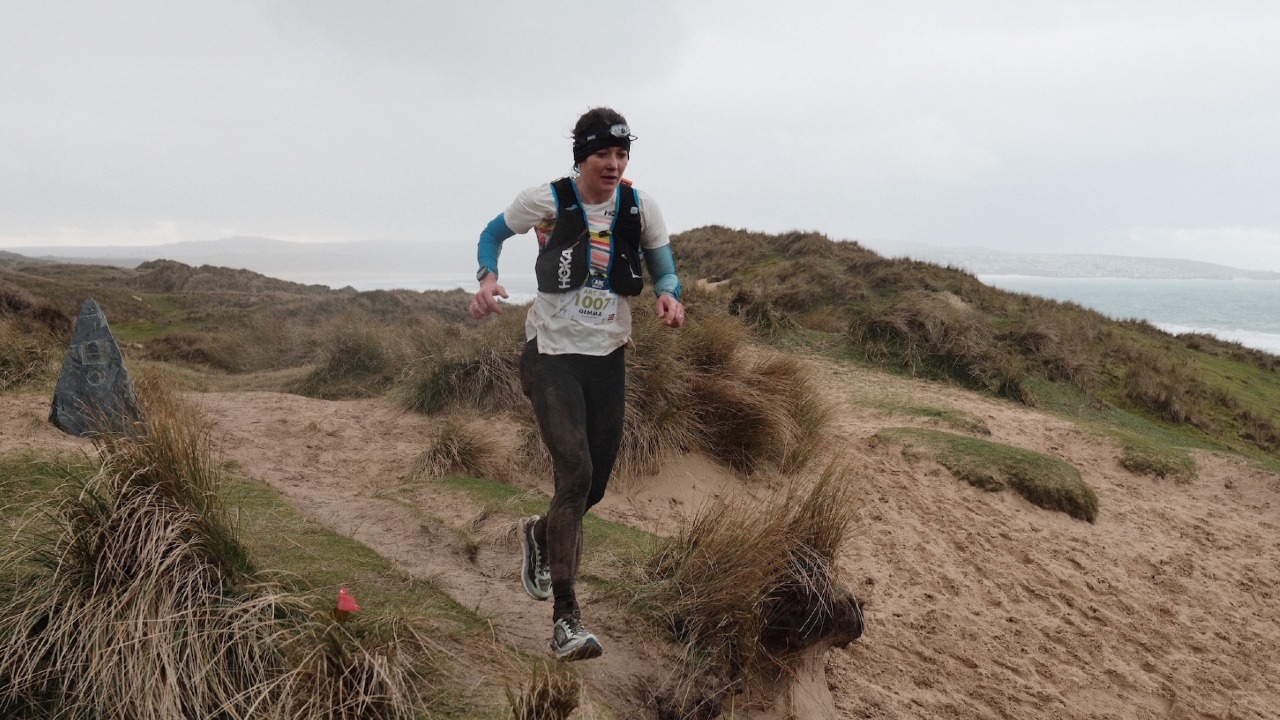
Hillier-Moses believes group running environments can play an important role in helping more women develop that confidence.
“Running groups that go out together on trails can be really helpful,” she said.
“They give people the chance to build experience and confidence in a supportive environment.”
Something similar is currently happening ahead of next year’s Winter Spine Race, with winner Anna Troup one of the driving forces behind a women-only support group.
Inspiration is only part of the solution
While increased visibility of elite female trail runners is helping inspire more participation, Hillier-Moses believes inspiration alone is not enough.
Education and guidance are equally important.
“I think there’s sometimes a tendency to see amazing athletes doing these huge races and think you should jump straight into something like a 100-mile race,” she said.
“But those athletes have often spent years building up to that point.”
She sees a similar challenge among younger runners she works with as a coach.
“Sometimes people want to go from nothing straight to a 50km race,” she said.
“But long-term development really matters. “If you jump too quickly into those distances you can end up injured or burnt out, and that can actually create another barrier to staying in the sport.”
A growing sport with more to give
Despite those challenges, Hillier-Moses remains optimistic about the direction trail running is heading.
The sport’s growth in recent years has brought greater visibility, stronger competition and a growing community around the world.
And she believes that continued progress will depend on ensuring more people – especially women – feel able to take part.
“There are definitely more women stepping into trail running now,” she said.
“But there’s still a lot that can be done to break down the barriers and make the sport more accessible.”
For Hillier-Moses, the goal is simple: create an environment where the mountains feel open to everyone.
“Trail running has so much to offer,” she said.
“And the more people we can help discover that, the better the sport will be.”