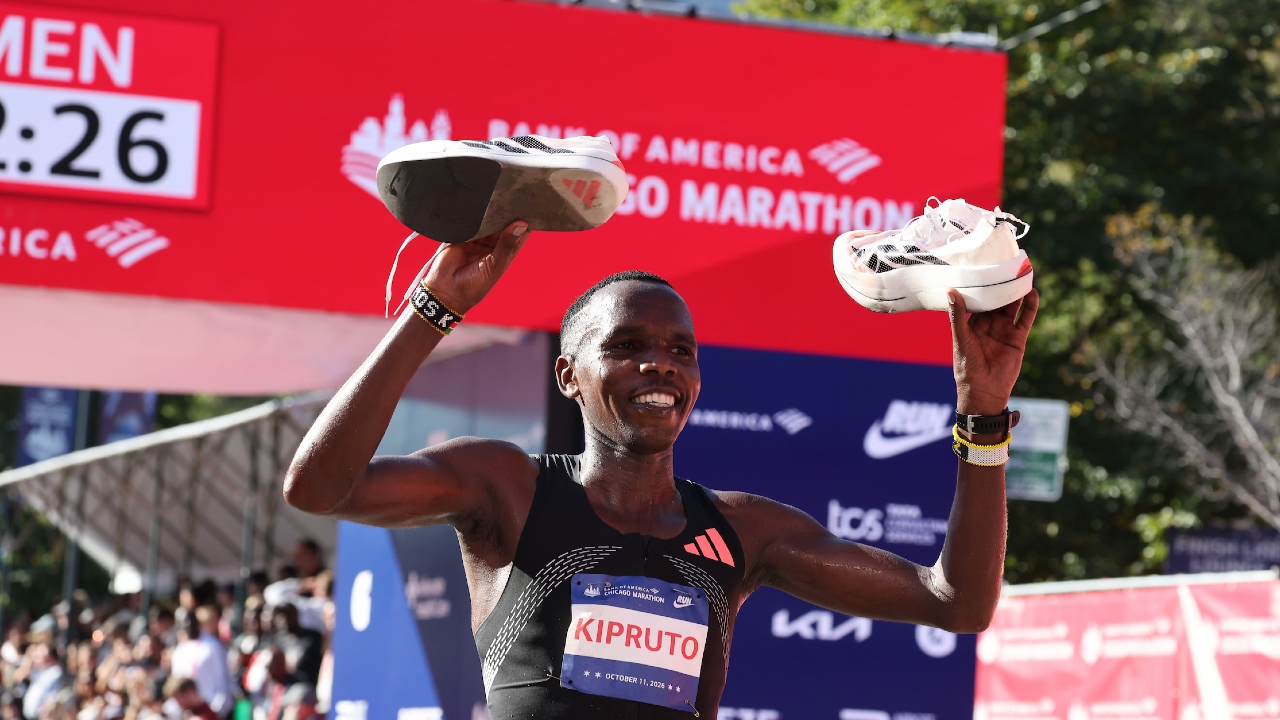
Calf cramps during a marathon are sudden, involuntary muscle contractions that can make it difficult or impossible to maintain your normal running stride. They often appear late in the race when the calf muscles have accumulated substantial fatigue. There is no single cause of every marathon cramp. Fatigue and the interaction between your nervous system and working muscles appear important, while pacing, conditioning, heat, hydration, fueling, hills, and individual susceptibility can all influence your risk. This means simply drinking more water or taking extra electrolytes will not necessarily prevent calf cramps. Hydration matters during a marathon, but cramps can still occur in runners who are adequately hydrated. Prevention should focus on preparing your calves for the demands of 26.2 miles. Appropriate long runs, sensible pacing, progressive mileage, strength work, practiced fueling, and race specific preparation can all reduce factors that contribute to excessive muscular fatigue.
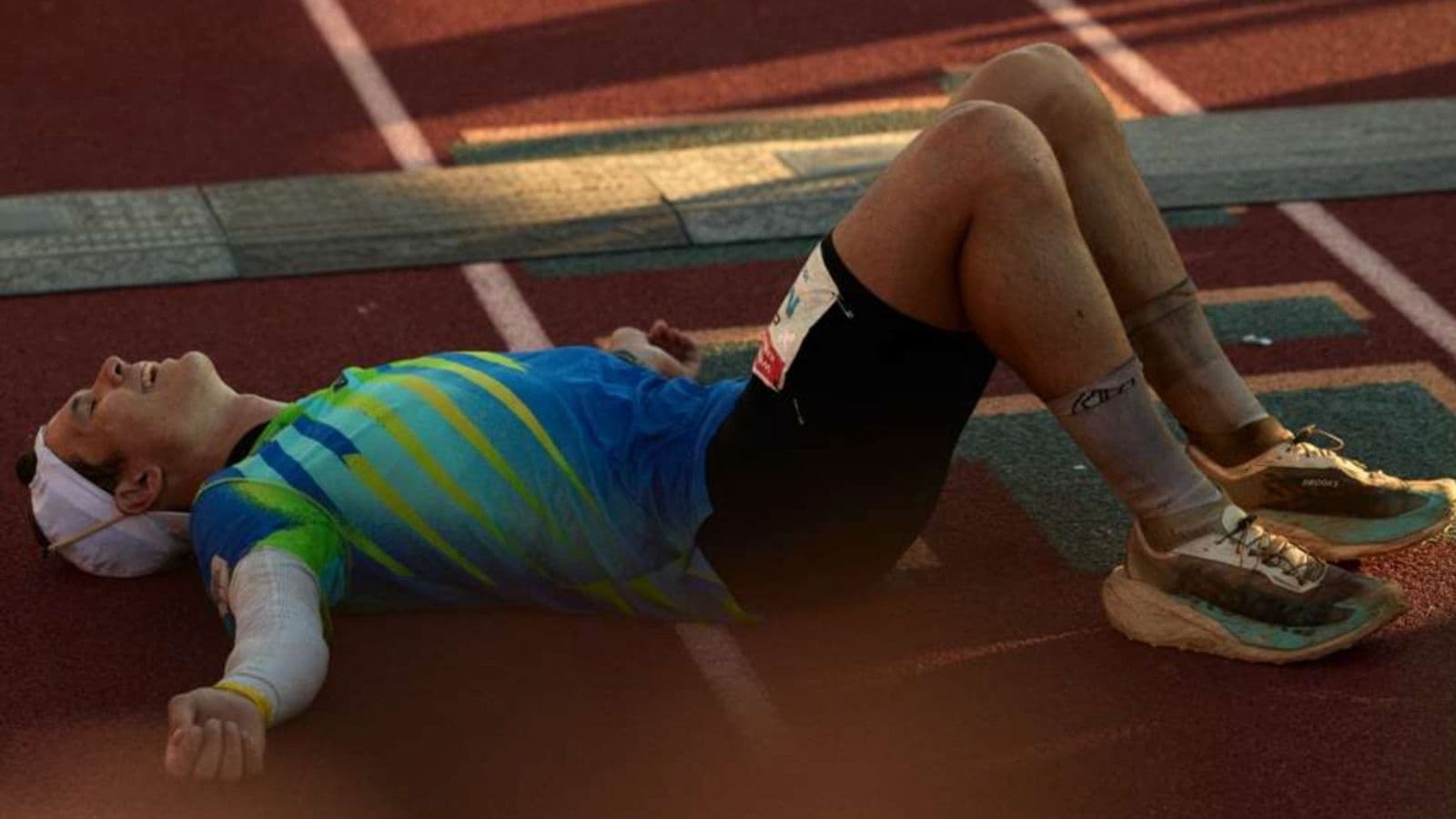
In Short
- Calf cramps commonly appear as fatigue increases.
- Starting too fast can increase later muscle stress.
- Hills can place greater demands on the calves.
- Inadequate conditioning can contribute.
- Hydration is only one possible factor.
- Electrolytes are not a guaranteed cure.
- Fueling helps support prolonged running.
- Strength training can improve calf capacity.
- Do not introduce new remedies on race day.
- Repeated severe cramps deserve further investigation.
What Causes Calf Cramps During a Marathon?
Exercise associated muscle cramps are complex.
During a marathon, your calves repeatedly help:
- Control landing.
- Stabilize the ankle.
- Produce forward movement.
- Manage changes in terrain.
- Support thousands of repeated strides.
As fatigue increases, the normal control of muscle contraction can become disrupted in susceptible runners. Cramps are therefore particularly likely when race demands exceed what your muscles have been conditioned to handle. Building the endurance needed to how to run longer distances without burning out can reduce the gap between your training preparation and marathon demands.
Starting Too Fast Can Increase Your Risk
The opening miles often feel unusually easy. Fresh legs, race atmosphere, and other runners can encourage you to run faster than planned. The cost may become apparent much later.
Starting too hard can:
- Increase early muscular demand.
- Use energy faster.
- Accelerate fatigue.
- Make your planned pace harder to sustain.
Following how to pace a 5k 10k half marathon marathon can help you establish a marathon pace based on sustainable effort rather than race day excitement.
Your Calves May Not Be Prepared for the Distance
Cardiovascular fitness and muscular durability are not exactly the same. You may feel aerobically capable of running faster while your calves are not yet conditioned to tolerate that pace for several hours. Long runs help prepare your muscles for prolonged loading.
Your training should progressively expose you to:
- Longer durations.
- Race specific effort.
- Fatigue.
- Similar terrain.
- Appropriate weekly mileage.
Do not try to solve inadequate preparation by completing one enormous long run immediately before your race.
Increase Mileage Gradually
Rapid changes in training can overload muscles before they have adapted.
Be careful when suddenly increasing:
- Weekly mileage.
- Long run distance.
- Running frequency.
- Hill training.
- Speed work.
Progressive training gives your calves more opportunity to adapt to repeated loading. Using how to increase running volume without getting injured can help you develop marathon durability without relying on abrupt jumps in workload.
Hills Can Fatigue Your Calves
A hilly marathon can create different muscular demands from a flat race. Uphill running can increase the work required from the lower legs. Downhill running can also create substantial muscular stress. If your race contains significant elevation, train on appropriate terrain rather than completing every long run on flat roads. For runners preparing for repeated climbing, how does hill running improve fitness strength and endurance can help explain how hills can be introduced without making every run excessively demanding.
Does Running Form Affect Calf Cramps?
Running mechanics can influence how load is distributed across your legs. A major change in stride can shift more work toward the calves.
This is particularly relevant if you recently changed:
- Foot strike.
- Shoes.
- Cadence.
- Running technique.
Do not deliberately force a forefoot strike because you believe it is automatically more efficient. A sudden increase in calf loading may create more fatigue rather than solve it. Following how to improve your running form without overthinking it can help you focus on efficient movement without making unnecessary forced changes.
Can Dehydration Cause Marathon Calf Cramps?
Dehydration can affect performance and may contribute to problems during prolonged exercise, particularly in hot conditions. However, calf cramps should not automatically be interpreted as proof that you are dehydrated.
Drink according to a strategy appropriate for:
- Race duration.
- Weather.
- Sweat losses.
- Aid station availability.
- Individual needs.
A practical hydration strategy for runners can help you plan fluid intake without assuming that drinking as much as possible will prevent cramping.
Do Electrolytes Prevent Calf Cramps?
Electrolytes are frequently promoted as the solution to muscle cramps. The reality is less simple. Sodium and other electrolytes have important physiological roles, but exercise associated cramps can still occur despite electrolyte intake. Do not respond to every cramp by taking excessive salt. Your hydration and electrolyte strategy should be based on the conditions and your individual needs rather than treating electrolytes as guaranteed cramp prevention.
Fueling Matters During a Marathon
A marathon requires substantial energy. As carbohydrate availability falls, maintaining your intended pace becomes increasingly difficult and overall fatigue rises. Practice fueling during long runs.
Your plan may include:
- Carbohydrate gels.
- Drinks.
- Chews.
- Other tolerated carbohydrate sources.
Following how to avoid bonking when running can help you distinguish severe energy depletion from muscular cramping while improving your overall marathon fueling strategy.
Train Your Gut Before Race Day
Knowing that you need fuel is different from being able to consume it comfortably while running. Practice race nutrition during training.
This allows you to test:
- Product type.
- Carbohydrate intake.
- Timing.
- Fluid intake.
- Gastrointestinal tolerance.
Do not suddenly double your intake on marathon morning because you are worried about cramps. Using how to train your gut for marathons and ultras can help make your fueling strategy something your body has already experienced before race day.
Strengthen Your Calves
Strength training can improve the capacity of the muscles involved in running.
Useful exercises may include:
- Straight knee calf raises.
- Bent knee calf raises.
- Single leg calf raises.
- Loaded calf raises.
- General lower body strength work.
Progress resistance gradually. You are trying to build capacity rather than make your calves severely sore before important runs. A broader strength routine for runners to stay injury free can help integrate calf work with strength for the rest of the lower body.
Do Not Race in Unfamiliar Shoes
Changing shoes shortly before a marathon can alter how your lower legs feel.
A different shoe may change:
- Heel to toe drop.
- Stiffness.
- Cushioning.
- Geometry.
- Lower leg loading.
Complete enough training in your intended race shoes to know how your calves respond. Race day should confirm your preparation rather than become an equipment experiment.
What Should You Do if Your Calf Cramps Mid Race?
If a cramp develops:
- Reduce your pace.
- Stop if necessary.
- Gently change position.
- Allow the contraction to settle.
- Resume cautiously.
Aggressively forcing the muscle to continue at the same pace may not work. If the pain feels different from a typical cramp, particularly if it is sharp, persistent, associated with swelling, or affects normal movement, consider stopping and seeking medical assistance.
Why Do Cramps Often Happen Late in the Marathon?
Late race cramps make sense because muscular fatigue is greatest after several hours of running.
Your risk may rise further if you have:
- Started too fast.
- Undertrained for the distance.
- Encountered unexpected hills.
- Raced harder than planned.
- Experienced unusually hot conditions.
Late cramping is therefore often a useful signal to review preparation and pacing rather than searching for one missing supplement.
Common Mistakes
- Blaming every cramp on dehydration.
- Taking excessive electrolytes.
- Starting the marathon too fast.
- Increasing mileage suddenly.
- Ignoring race terrain in training.
- Changing running form close to race day.
- Racing in unfamiliar shoes.
- Neglecting calf strength.
- Trying an untested cramp remedy during the race.
Practical Tips
- Build long runs progressively.
- Practice marathon pace.
- Train on race specific terrain.
- Strengthen the calves.
- Practice fueling during long runs.
- Use a tested hydration plan.
- Race in familiar shoes.
- Start conservatively.
- Review when cramps normally appear.
Actionable Takeaways
- Treat calf cramps primarily as a fatigue and preparation problem.
- Train your calves for marathon specific demands.
- Avoid aggressive early pacing.
- Test fueling, hydration, and equipment before race day.
If cramps repeatedly appear late in demanding training, how do you know if your running is improving can help you assess progress across training rather than judging fitness from one difficult session.
FAQs
Calf cramps are commonly associated with muscular fatigue and the demands of prolonged running, although several factors can contribute.
Dehydration may contribute in some situations, but it is not the only explanation for exercise associated cramps.
Not reliably. Electrolytes are important, but taking them does not guarantee that muscle cramps will not occur.
It can increase muscular fatigue, which may make late race cramping more likely in susceptible runners.
Insufficient muscular capacity may contribute if your calves are not prepared for the duration and intensity of the race.
They can increase muscular demand, particularly if you have not prepared for similar terrain.
Gentle stretching may provide temporary relief for some runners. Do not force a painful muscle aggressively.
Slow down or stop temporarily if necessary. Stop completely if pain is severe, unusual, persistent, or suggests an injury rather than a typical cramp.
A significant change in footwear can alter lower leg loading, so race shoes should be tested thoroughly during training.
Build marathon specific endurance, pace appropriately, strengthen your calves, train on similar terrain, and practice your fueling and hydration strategy.