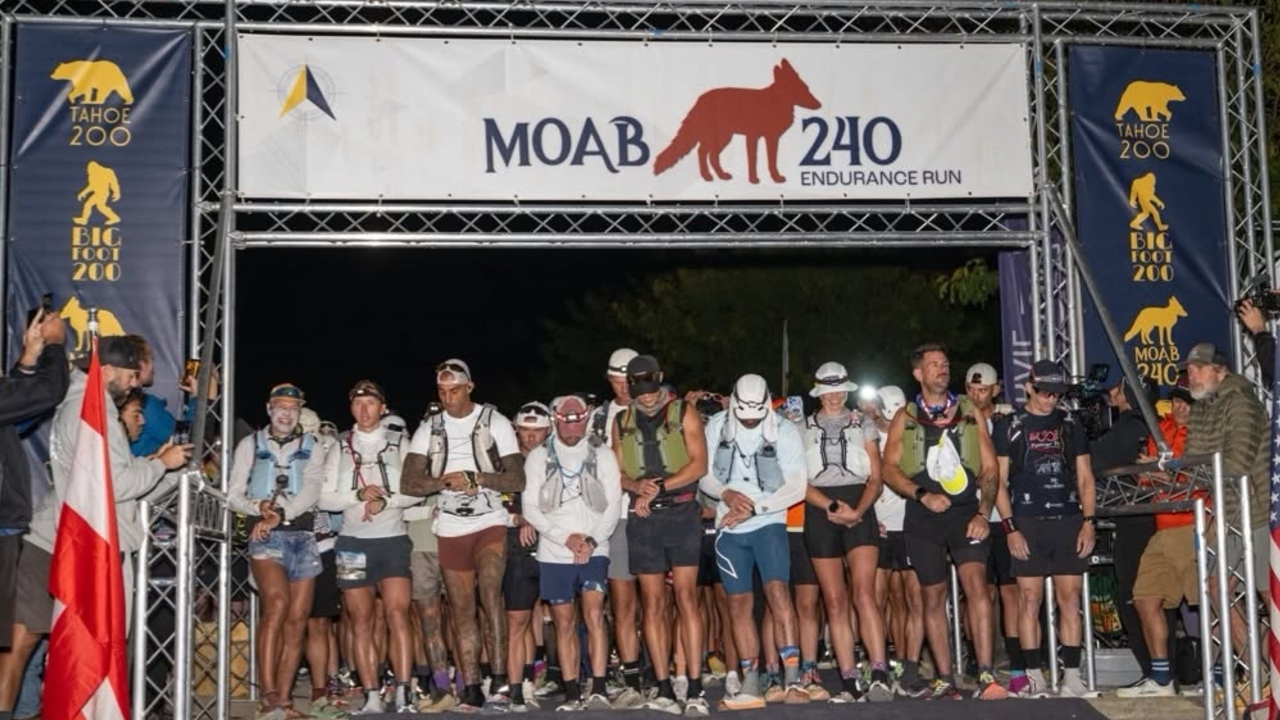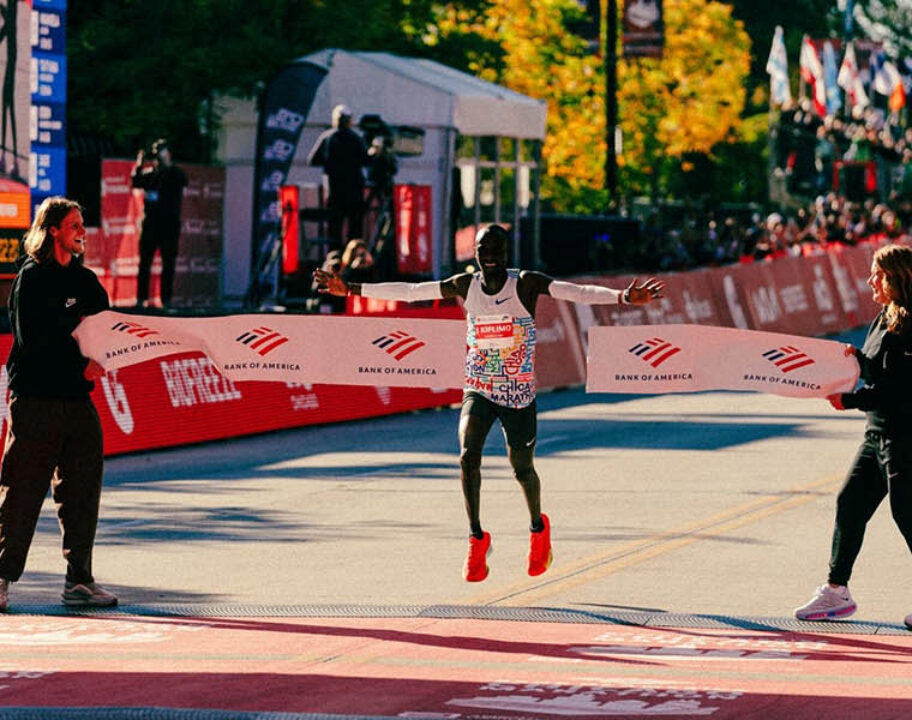



Success in trail running depends on far more than physical fitness. Steep climbs, technical descents, changing weather and long hours on the trails constantly test your ability to stay focused and make good decisions under fatigue. A winning mindset doesn’t mean believing every run will be perfect. It means remaining calm when conditions become difficult, adapting to challenges and continuing to move forward even when things don’t go as planned. Mental strength is developed through consistent habits just like endurance and strength.

Focus on the Process, Not Just Results
Many runners judge success only by finishing position or race time.
Instead, focus on controllable factors such as:
- Consistent training.
- Good pacing.
- Smart nutrition.
- Positive decision-making.
- Maintaining good technique.
When you consistently execute these well, better results often follow naturally.
Build Confidence Through Preparation
Confidence comes from knowing you’ve prepared properly.
This includes:
- Completing long runs.
- Practising climbing.
- Running technical trails.
- Testing race nutrition.
- Training in different weather conditions.
The more situations you’ve experienced in training, the fewer surprises you’ll face on race day. Many runners build this confidence through how to stay consistent with trail running without overtraining, allowing steady progress without excessive fatigue.
Accept That Difficult Moments Are Normal
Every trail runner experiences:
- Heavy legs.
- Mental fatigue.
- Tough climbs.
- Poor weather.
- Moments of self-doubt.
Expecting these challenges helps you respond calmly instead of feeling discouraged when they occur. A difficult section of the race doesn’t mean you’re failing, it simply means you’re racing.
Break Long Races Into Smaller Goals
Thinking about an entire ultramarathon or mountain race can feel overwhelming.
Instead, focus on:
- The next climb.
- The next aid station.
- The next kilometre.
- The next descent.
Smaller goals keep your attention on the present rather than worrying about what lies ahead.
Learn From Every Run
Not every training session will go perfectly.
After each run, ask yourself:
- What went well?
- What could improve?
- What did I learn?
- What will I change next time?
Viewing setbacks as learning opportunities builds long-term resilience.
Stay Patient on Climbs
Many trail runners lose confidence by trying to match the pace of stronger climbers.
Instead:
- Climb at your own effort.
- Keep your breathing controlled.
- Maintain consistent movement.
- Trust your pacing.
Many athletes improve this skill through runner’s high, making climbing feel more efficient and sustainable.
Develop Mental Flexibility
Trail conditions can change quickly.
You may encounter:
- Mud.
- Rain.
- Heat.
- Wind.
- Navigation challenges.
A strong mindset accepts these variables instead of becoming frustrated by them. Adaptability is one of the greatest strengths a trail runner can develop.
Train in Different Conditions
Only running when conditions are perfect limits your experience.
Occasionally train in:
- Rain.
- Cold weather.
- Wind.
- Heat.
- Darkness.
Doing so improves confidence and prepares you for unexpected race-day conditions. Many runners strengthen this confidence through how can trail runners prevent hypothermia, learning how to stay safe while continuing to perform in cold environments.
Avoid Comparing Yourself With Others
Every runner has:
- Different experience.
- Different genetics.
- Different goals.
- Different training history.
Comparing yourself constantly can undermine confidence. Measure your progress against your previous performances rather than someone else’s.
Build Physical Strength Too
Mental resilience becomes easier when your body is prepared.
Include:
- Strength training.
- Mobility work.
- Hill sessions.
- Recovery runs.
Physical preparation supports mental confidence. Many athletes combine these sessions with can cycling make you a stronger trail runner, adding low-impact endurance without excessive running mileage.
Recover Properly
Mental fatigue often follows physical fatigue.
Prioritise:
- Sleep.
- Nutrition.
- Hydration.
- Recovery days.
- Easy running.
A well-recovered runner generally thinks more clearly and makes better decisions. Many trail runners improve recovery through how to recover faster after a trail run, allowing them to maintain consistency over longer training blocks.
Control What You Can
You can’t control:
- Weather.
- Other competitors.
- Trail conditions.
You can control:
- Your attitude.
- Your pacing.
- Your preparation.
- Your nutrition.
- Your effort.
Focusing on controllable factors reduces unnecessary stress.
Turn Negative Thoughts Into Productive Actions
Negative thoughts appear during almost every difficult race.
Instead of thinking:
“I can’t do this.”
Replace it with:
- Relax your shoulders.
- Eat something.
- Shorten your stride.
- Focus on breathing.
- Reach the next landmark.
Turning thoughts into actions keeps your mind engaged.
Common Mistakes
Avoid these common mental traps:
- Comparing yourself with others.
- Expecting perfect races.
- Starting too fast.
- Ignoring nutrition.
- Dwelling on mistakes.
- Panicking during difficult sections.
- Skipping recovery.
- Letting one bad run define your confidence.
Mental resilience develops through repeated practice rather than one breakthrough moment.
Practical Tips
Strengthen your mindset by:
- Setting process-based goals.
- Preparing thoroughly.
- Practising difficult terrain.
- Learning from setbacks.
- Controlling your pacing.
- Recovering properly.
- Staying present during races.
Many runners also improve confidence by understanding how to stay motivated over the year, ensuring challenging training sessions build both physical strength and mental resilience. Finally, maintaining regular can easy running improve race performance sessions reminds you that not every run has to be difficult to contribute towards becoming a stronger trail runner.
The Bottom Line
A winning mindset isn’t about never feeling doubt, it’s about responding effectively when doubt appears. Trail runners develop mental resilience by preparing consistently, embracing challenges and focusing on what they can control rather than worrying about what they can’t. Over time, every climb, difficult training session and demanding race becomes another opportunity to strengthen both your body and your mindset. That’s what allows successful trail runners to remain calm, adaptable and confident no matter what the trail puts in front of them.
FAQs
A winning mindset is the ability to stay focused, adaptable and confident while making good decisions throughout training and racing.
Yes. Like physical fitness, mental resilience improves through consistent practice and experience.
Trail races involve changing terrain, fatigue and unpredictable conditions that require strong decision-making and emotional control.
Regular practice on varied terrain and gradual exposure to more challenging conditions help build confidence.
No. Measuring progress against your own previous performances is generally more productive.
They focus on long-term improvement, enjoy the process and learn from setbacks rather than expecting perfect performances.
Yes. Poor recovery often increases mental fatigue and reduces decision-making ability during training and racing.
Focus on immediate actions such as pacing, breathing, nutrition or reaching the next landmark instead of dwelling on negative emotions.