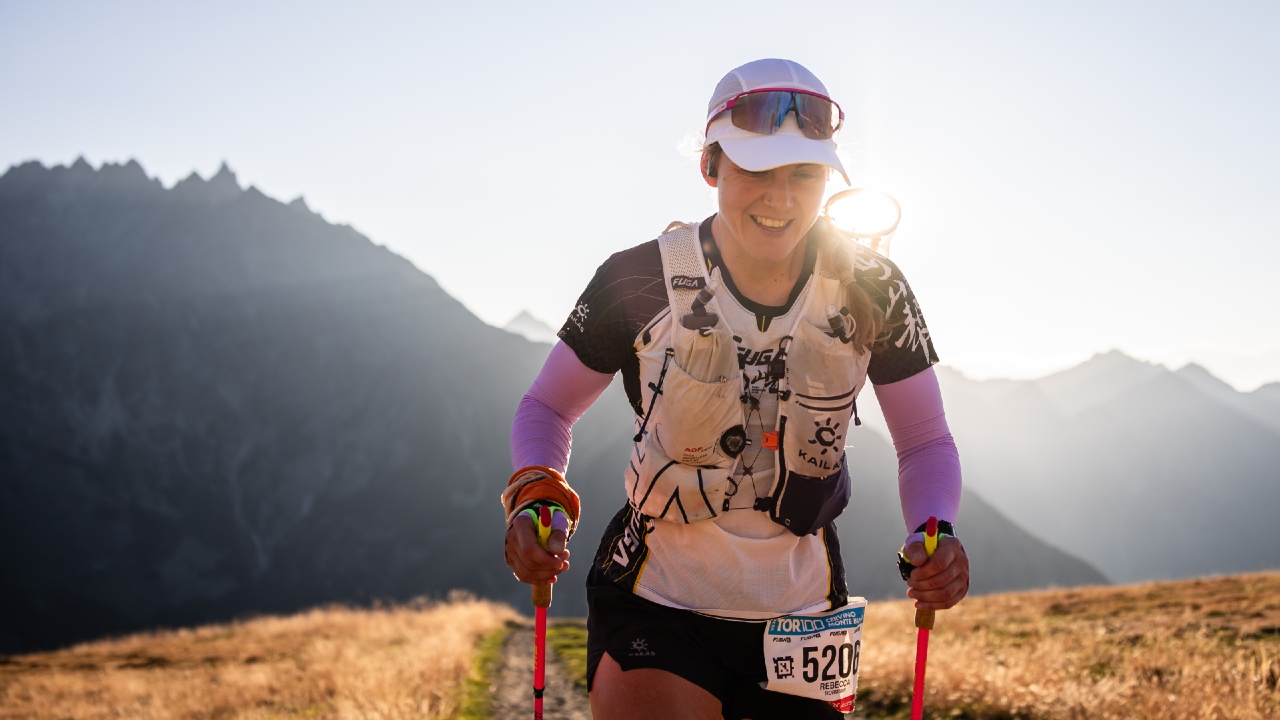
Choose trail running shoes that fit comfortably, hold your foot securely, provide appropriate traction, and match the terrain you regularly run. The right shoe cannot guarantee that you will remain injury free, but it can reduce avoidable problems such as slipping, excessive foot movement, pressure points, blisters, and toe impact. There is no single safest trail shoe for every runner. Your foot shape, running history, terrain, distance, pace, and personal comfort all matter. A shoe that works well on smooth dry trails may be a poor choice for mud, rocks, snow, or technical descents.
The most important rule is simple: choose a shoe that feels comfortable and secure from the start, then introduce it gradually rather than making a sudden change before a long run or race.
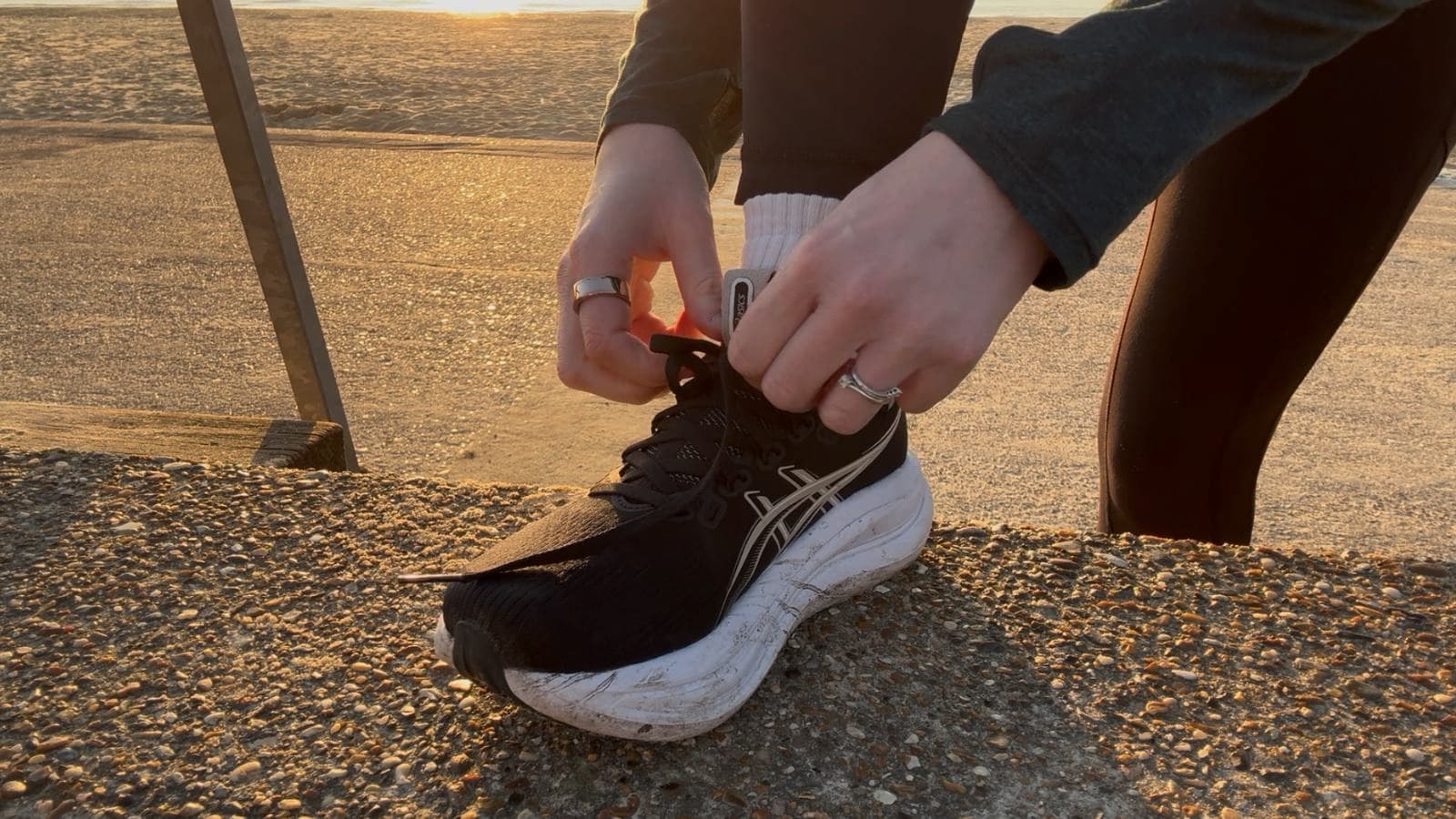
In Short
- Comfort should be your first priority.
- The shoe should hold your heel and midfoot securely.
- Toes need enough room without excessive movement.
- Match outsole grip to your usual terrain.
- More cushioning does not automatically mean fewer injuries.
- Avoid sudden changes in shoe type.
- Test new shoes on shorter runs first.
- Replace shoes when damage or wear affects their function.
Start With Comfort and Fit
A trail running shoe should feel comfortable when you first try it. Do not buy a painful or restrictive shoe because you expect it to become comfortable after several runs. Minor changes can occur as materials soften, but a poor basic fit is unlikely to become ideal. Your toes should have enough space to move naturally without sliding around inside the shoe. The heel should feel secure, and the midfoot should not move excessively when you change direction.
Good footwear supports the same basic principle as how to start trail running safely as a beginner: reduce unnecessary problems while your body adapts to the demands of uneven terrain.
Leave Enough Space Around the Toes
Toe space becomes particularly important on descents. When running downhill, your foot can move slightly forward inside the shoe. If the shoe is too short, the toes may repeatedly hit the front. This can cause: pain, damaged toenails, and discomfort during longer runs.
At the same time, buying a shoe that is excessively large can allow the foot to slide around, reducing control.
- The correct amount of space depends partly on foot shape and shoe design.
- Try shoes with the socks you normally use and check the fit while standing, walking, and if possible running.
Secure the Heel and Midfoot
A secure fit helps keep the foot connected to the shoe on uneven surfaces. Excessive heel movement can contribute to rubbing and blisters. Too much movement through the midfoot can make technical terrain feel less controlled. Small adjustments can sometimes improve heel security or relieve pressure over the top of the foot.
- Persistent slipping
- Pressure
- Discomfort
is a sign that another model or size may be more appropriate.
Match Grip to the Trail
Traction is one of the clearest differences between road and trail running shoes. Trail shoes typically use:
- Outsole lugs designed to grip loose, soft, rocky, or uneven surfaces.
- The ideal lug pattern depends on where you run.
- Deep, widely spaced lugs can work well in mud and soft ground.
- Less aggressive outsoles may feel smoother on hard packed trails and routes containing sections of pavement. Grip matters because losing traction can lead to sudden uncontrolled movements. Runners working on how can you improve stability while trail running should consider: Footwear alongside strength
- Coordination
- Pace
- Terrain awareness
rather than expecting shoes alone to provide stability.
Choose Shoes for Your Terrain
A useful trail shoe should match the surfaces you encounter most often.
| Terrain | Useful Shoe Features |
|---|---|
| Hard packed trail | Moderate grip, comfortable cushioning |
| Mud | Deeper, widely spaced lugs |
| Rocky trail | Secure fit, grip, underfoot protection |
| Technical trail | Precise fit, traction, stable platform |
| Mixed road and trail | Less aggressive outsole, smoother ride |
| Snow | Strong traction and suitable upper protection |
Choose for your real training environment rather than the most extreme trail you might occasionally encounter.
Cushioning Is a Personal Choice
More cushioning does not automatically reduce injury risk. Some runners prefer soft, highly cushioned shoes for long distances. Others feel more comfortable and controlled in firmer shoes. Cushioning affects:
- Comfort
- Ground feel
- Stability
- How a shoe behaves
on uneven surfaces.
Running injuries usually involve several factors, including:
- Training load
- Previous injury
- Recovery
- Strength
- Terrain
- Movement patterns
The principles in what training habits increase injury risk in runners are generally more important than choosing a specific amount of foam.
Stability Should Match Your Needs
Trail shoes can feel stable for different reasons. A wider platform can provide a more planted feeling, while a secure upper helps keep the foot centered over the midsole. Lower stack shoes may provide more ground feel, while higher shoes can offer more cushioning. No single design is automatically safest. Technical terrain often rewards predictable movement and good control. If a shoe feels unstable when walking or jogging on uneven ground, adding speed is unlikely to improve the situation. Strength also matters. Understanding what muscle imbalances commonly cause injuries in trail runners can help runners avoid expecting footwear to compensate for every physical weakness.
Consider Stack Height and Ground Feel
Stack height refers to the amount of material between your foot and the ground.
- Higher stack shoes can provide substantial cushioning
- Lower shoes can make it easier to sense the terrain
Neither approach is universally safer. You should be able to place your feet accurately and respond to uneven terrain without feeling that the shoe is unpredictable. This becomes increasingly important on technical trails where rocks, roots, and changing gradients require constant adjustments.
Protection Matters on Rocky Trails
Trail shoes often include features designed to protect the foot from rocks, roots, and debris. Some models use rock plates or protective midsole materials. Others rely on the thickness of the midsole. Toe bumpers can also provide useful protection from accidental impacts. More protection can add weight or reduce flexibility, so choose according to your terrain. A runner on smooth woodland paths may not need the same protection as someone regularly running over sharp rocks.
The objective is enough protection for your normal environment without adding features you do not need.
Downhill Running Tests Shoe Fit
Descending can expose fit problems that are not obvious on flat ground. Your foot may move forward, the toes can contact the front of the shoe, and poor heel security can become more noticeable. Traction also becomes critical because braking and changing direction require confidence in the outsole. Learning how can trail runners run downhill faster without losing control depends on technique and experience, but footwear should allow those skills to be used safely.
Test new shoes on gentle descents before relying on them for steep technical terrain.
Do Not Make Sudden Footwear Changes
A new shoe can change how running feels even when it is comfortable. Differences in
- Cushioning
- Heel to toe drop
- Stiffness
- Geometry
- Weight
- Fit
can alter the demands placed on the legs and feet. Start with shorter, easier runs and increase exposure as long as the shoes remain comfortable. This is particularly important if you are also increasing mileage. Following how to avoid running injuries as mileage increases means controlling multiple sources of training stress instead of changing everything at once. Avoid debuting unfamiliar shoes during your longest run or important race.
Be Careful With Minimal Shoes
Minimal or low cushioning footwear can suit some runners, but it requires appropriate adaptation. Moving suddenly from a highly cushioned shoe to a much more minimal design can increase demands on the feet, calves, and lower legs. The same applies to major changes in heel to toe drop. If you are interested in less structured footwear, the gradual approach described in what is barefoot running and how do i start safely is more sensible than immediately replacing all of your normal training shoes. A different shoe should be treated as a change in training load.
Blisters Usually Point to Fit or Friction Problems
Blisters can quickly turn a comfortable trail run into a painful one. Shoes that allow:
- Excessive movement
- Socks that retain moisture
- Pressure points
- Long periods of friction
can all contribute. Do not assume blisters are simply part of trail running. The guidance in what causes blisters during trail running and how to avoid them can help identify whether:
- Shoe fit
- Socks
- Moisture
- Other factors are responsible
Test your complete shoe and sock combination before long races.
Replace Shoes When Their Function Changes
There is no exact mileage at which every trail shoe becomes unsafe.
- Terrain
- Runner size
- Shoe construction
- Gait
- Frequency of use
all influence wear. Instead of relying only on mileage, inspect the shoe.
Look for:
- Worn outsole lugs
- Damaged uppers
- Significant midsole changes
- Poor heel security
- A shoe that no longer feels comfortable
Uneven outsole wear does not automatically mean injury is coming, but severe wear can affect traction and how the shoe performs.
Common Mistakes
- Choosing shoes based only on appearance.
- Buying shoes that are uncomfortable from the start.
- Wearing shoes that are too short for descents.
- Ignoring heel movement inside the shoe.
- Using road shoes on terrain requiring more traction.
- Assuming maximum cushioning prevents injuries.
- Making a major footwear change while increasing mileage.
- Wearing new shoes for the first time during a race.
- Keeping shoes after wear has significantly affected grip or fit.
Practical Tips
- Prioritize comfort when trying shoes.
- Wear your normal running socks during fitting.
- Check toe space and heel security.
- Match outsole grip to your regular trails.
- Test new shoes on short easy runs.
- Practice descending before using them on technical terrain.
- Introduce major changes in cushioning or drop gradually.
- Inspect outsole wear regularly.
- Choose function before appearance.
Actionable Takeaways
Trail running shoes can help reduce avoidable injury risks when they fit comfortably, provide appropriate traction, and match the terrain. No shoe can prevent every running injury. Start with fit. Your heel and midfoot should feel secure, while the toes need enough space to avoid repeated contact with the front of the shoe, particularly on descents. Then consider terrain. Mud, rocks, hard packed paths, technical trails, and snow require different levels of grip and protection.
Do not assume that more cushioning, more stability, or a more expensive shoe is automatically safer. Comfort and predictable movement are more useful priorities. Finally, introduce new shoes gradually. Footwear is only one part of injury risk, alongside training load, strength, recovery, previous injuries, terrain, and running technique.
FAQs
There is no single injury preventing shoe. Choose a comfortable shoe that fits securely and provides suitable traction for your terrain.
They need enough toe space for swelling and descents, but they should not be so large that your foot slides around.
Your toes should have enough space to move without repeatedly contacting the front of the shoe on descents.
Not necessarily. Cushioning preference is individual, and more cushioning does not guarantee fewer injuries.
Most trail running shoes are low cut. Stability depends on several factors including fit, platform design, strength, terrain, and running control.
They can be on loose or technical terrain because their outsoles generally provide better traction and protection.
It can affect how the shoe feels and loads the lower leg. Large changes in drop should be introduced gradually.
Worn shoes can lose traction, support, or comfort. Replace them when wear meaningfully affects their function.