
Preparing for a marathon in hot, humid, and hilly conditions requires a combination of heat acclimatization, hill specific training, appropriate hydration, and controlled pacing. These environmental challenges place additional demands on the cardiovascular system and working muscles, making race preparation more complex than training for a flat marathon in mild weather. Hot temperatures increase the body’s need to regulate internal temperature through sweating and increased blood flow to the skin. When humidity is high, sweat evaporates less effectively, making it harder for the body to release heat. Hilly marathon courses create another challenge because uphill running requires greater muscular effort, while downhill sections place substantial eccentric loading on the quadriceps.
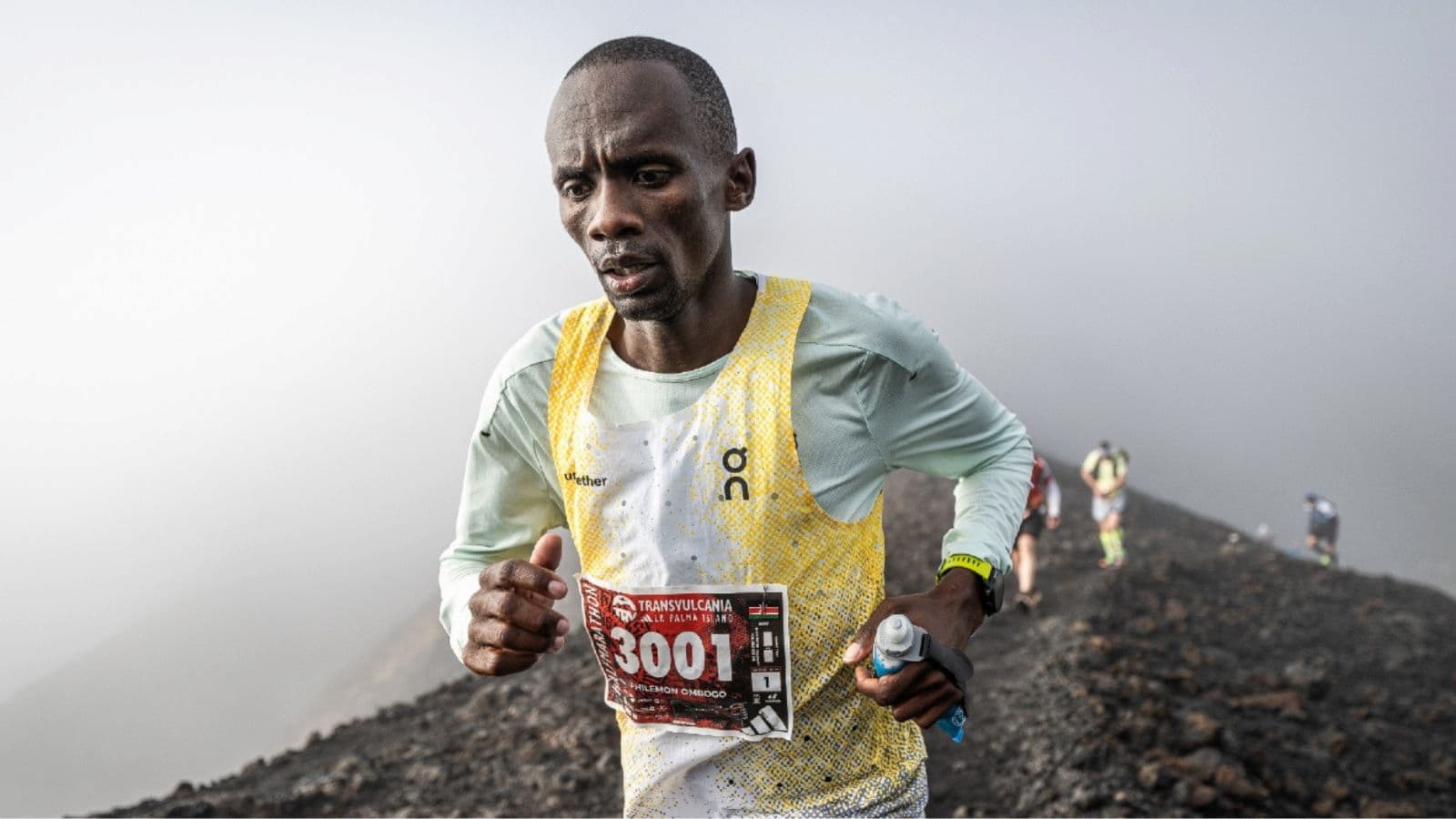
Successful preparation involves gradually adapting to the expected conditions rather than attempting to maintain normal training speeds regardless of the weather. With appropriate training, recovery, and race planning, runners can improve their ability to manage challenging conditions while reducing avoidable risks.
In Short
- Gradually adapt to hot and humid conditions.
- Include uphill and downhill training.
- Adjust pace according to effort.
- Practice hydration during long runs.
- Develop muscular endurance for hills.
- Avoid excessive training intensity in the heat.
- Prioritize recovery and adequate nutrition.
- Prepare a flexible marathon race strategy.
Understanding the Combined Challenges
Heat, humidity, and hills affect running performance in different ways.
When combined, their effects can become particularly demanding.
- Heat: Increases cardiovascular and thermoregulatory strain.
- Humidity: Reduces the effectiveness of sweat evaporation.
- Uphill terrain: Increases energy demands and muscular effort.
- Downhill terrain: Increases eccentric loading on the leg muscles.
These factors can make a familiar running pace feel significantly harder. Understanding how should marathon runners prepare for changing weather can help athletes recognize why race conditions should influence pacing and preparation. The goal is to prepare for the demands of the actual course rather than relying entirely on training performances from easier conditions.
Build Heat Acclimatization Gradually
Heat acclimatization involves repeated, controlled exposure to warm conditions. Over time, the body may adapt through changes such as improved sweating responses, expanded plasma volume, and reduced cardiovascular strain at a given workload. Many useful adaptations develop over approximately 7–14 days, although the timeline varies.
Practical strategies include:
- Starting with shorter easy sessions.
- Increasing heat exposure gradually.
- Reducing running intensity initially.
- Training during warmer periods only when conditions are safe.
- Monitoring fatigue and recovery.
Understanding should you slow down when running in hot weather can help runners appreciate why adjusting speed is essential during heat exposure. Avoid deliberately pushing through severe heat discomfort. Heat acclimatization should be progressive, not an endurance test.
Train for Humidity
Humidity makes running more difficult because sweat may remain on the skin rather than evaporating efficiently. As a result, runners can experience greater heat strain even when the temperature is not exceptionally high.
During humid training:
- Reduce pace when necessary.
- Choose shaded routes.
- Wear lightweight clothing.
- Take additional recovery breaks.
- Monitor unusual fatigue.
- Avoid the hottest conditions when possible.
Runners who live in cooler climates may need additional preparation before competing in humid locations. Indoor heat training may provide some adaptation, but it should be approached cautiously and should not involve unsafe overheating.
Develop Uphill Running Strength
Uphill running requires greater effort from the glutes, calves, quadriceps, and cardiovascular system. Regular hill training can improve climbing confidence and muscular endurance. Understanding how does hill running improve fitness, strength, and endurance can help runners recognize why hill workouts are valuable beyond simply preparing for elevation.
A beginner friendly hill workout might include:
- 10–15 minutes of easy running.
- Four to six uphill efforts lasting 30–60 seconds.
- Easy walking or jogging downhill.
- 10 minutes of comfortable running afterward.
Begin with controlled efforts rather than maximum speed.
Gradually increase the number or duration of repetitions as fitness improves.
Prepare for Downhill Running
Downhill running is often overlooked during marathon preparation. Although descending may feel easier aerobically, repeated braking forces can create substantial muscle damage and soreness. Understanding what is the best downhill running technique for marathons can help athletes develop better control on descending sections.
Useful techniques include:
- Maintaining a controlled stride.
- Avoiding excessive overstriding.
- Keeping the upper body relaxed.
- Looking ahead along the route.
- Allowing cadence to adjust naturally.
Introduce downhill training gradually because excessive descending can create significant muscle soreness.
Adjust Marathon Training Pace
Running pace should reflect the conditions rather than remaining fixed regardless of effort. A pace that feels comfortable on a cool, flat route may become unsustainable on steep climbs in humid weather. Understanding why is your starting pace important for long distance running can help runners appreciate why conservative early pacing is important. Use perceived effort alongside pace data. During demanding conditions, a slower pace may represent the same physiological effort as a faster run in cooler weather. Avoid trying to compensate for slower uphill sections by sprinting downhill.
Practice Hydration During Long Runs
Hot and humid conditions can increase sweat losses, but individual hydration requirements vary considerably.
A practical strategy should consider:
- Exercise duration.
- Temperature and humidity.
- Individual sweat rate.
- Drinking opportunities.
- Gastrointestinal comfort.
- Sodium losses during prolonged exercise.
Understanding hydration strategy for runners can help athletes develop a plan based on training conditions. Avoid drinking excessive amounts in an attempt to prevent dehydration. Overhydration can contribute to exercise-associated hyponatremia, a potentially dangerous reduction in blood sodium. Practice your race hydration strategy during long training sessions.
Plan Carbohydrate Fueling
A marathon requires sustained energy availability. Carbohydrate intake during prolonged running helps maintain blood glucose and supports endurance performance. Understanding how to avoid bonking when running can help athletes recognize the importance of avoiding significant energy depletion. For marathon efforts lasting several hours, approximately 30–60 grams of carbohydrate per hour is a common starting range, while trained runners may tolerate 60–90 grams per hour. Fueling should be practiced during training because heat can increase the likelihood of gastrointestinal discomfort. Choose familiar gels, drinks, or other carbohydrate sources.
Include Course Specific Long Runs
Long runs should gradually reflect the expected marathon demands. If the course includes substantial elevation, some long runs should incorporate manageable climbs and descents. Understanding how to build an aerobic base for running can help runners appreciate why consistent endurance training remains the foundation of marathon preparation.
However, not every long run needs to be hot, humid, and hilly. Combining all three challenges too frequently may create excessive fatigue and increase recovery demands. Alternate demanding sessions with easier routes and conditions.
Prioritize Recovery and Adaptation
Training in challenging conditions can increase overall stress. Runners should monitor:
- Fatigue
- Sleep
- Appetite
- Soreness
- Workout performance
Understanding how much sleep do runners need to recover properly can help athletes recognize the importance of recovery during demanding marathon preparation.
Recovery strategies include:
- Scheduling easy days.
- Maintaining adequate calorie intake.
- Replacing appropriate fluid losses.
- Sleeping consistently.
- Reducing intensity when fatigue accumulates.
- Avoiding unnecessary additional heat exposure.
Persistent exhaustion or declining performance may indicate that training demands need adjustment.
Create a Realistic Race Strategy
Race day planning should account for expected temperature, humidity, elevation, and available aid stations. Understanding how to pace a 5k, 10k, half marathon, marathon can help runners recognize how pacing strategies change with race distance.
For a hot and hilly marathon:
- Begin more conservatively than usual.
- Run climbs according to effort.
- Avoid aggressive downhill pacing.
- Drink according to your practiced plan.
- Use cooling opportunities when available.
- Adjust expectations if conditions deteriorate.
If you develop confusion, collapse, severe dizziness, or other signs of serious heat illness, stop and seek immediate medical assistance.
Common Mistakes
- Maintaining cool weather pace targets.
- Starting heat training too aggressively.
- Ignoring downhill preparation.
- Drinking excessive amounts of water.
- Skipping carbohydrate fueling.
- Racing hills too aggressively.
- Neglecting recovery.
- Ignoring heat illness warning signs.
Practical Tips
- Begin heat adaptation gradually.
- Train on rolling terrain.
- Practice controlled downhill running.
- Adjust pace according to effort.
- Test hydration and fueling.
- Choose breathable clothing.
- Review the race elevation profile.
- Prioritize recovery between demanding sessions.
Actionable Takeaways
- Prepare for heat, humidity, and elevation separately.
- Combine challenges gradually.
- Pace according to effort.
- Practice race nutrition.
- Prioritize safety and recovery.
FAQs
Yes. High humidity reduces sweat evaporation, making temperature regulation more difficult and increasing physiological strain.
Many adaptations develop over approximately 7–14 days, although individual responses and the extent of adaptation vary.
Usually, yes. Hot conditions increase physiological strain, so reducing pace can help maintain a more sustainable effort.
Treadmill incline sessions, stair climbing, strength training, and controlled downhill preparation where available can help develop relevant fitness.
Humidity can increase heat strain and affect sweating, but dehydration risk depends on individual sweat losses, duration, and fluid intake.
There is no universal amount. Fluid needs depend on sweat rate, weather, duration, and individual tolerance. Avoid drinking beyond your needs.
They can be useful, but consistent endurance training and gradual exposure to climbing and descending are also important.
Not necessarily. Heat adaptation can be achieved through controlled exposure without training during dangerously hot conditions.