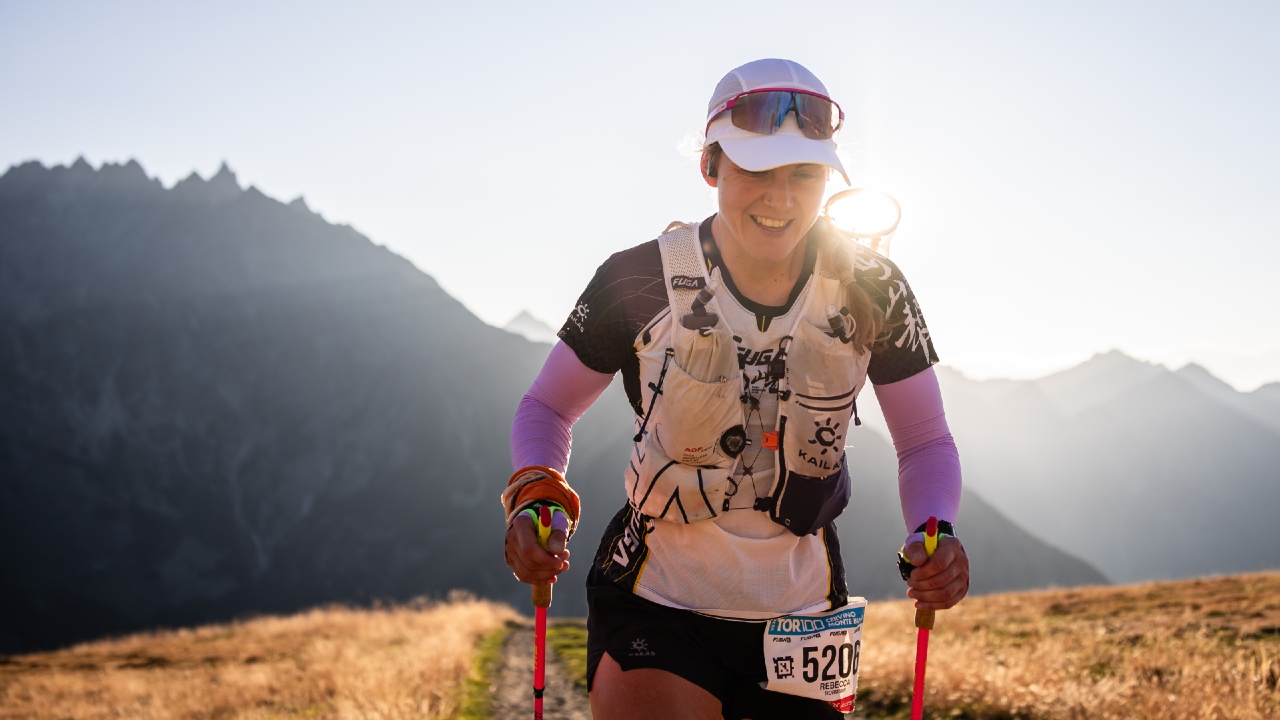
Pre-race nerves are a normal part of trail running. Whether you’re lining up for your first 10K trail race, a mountain marathon, or a 100-mile ultramarathon, feeling nervous before the start is incredibly common. In fact, even experienced runners who have completed dozens of races often experience butterflies, self-doubt, and anxiety in the days or hours leading up to an event. The key is not eliminating nerves entirely. Instead, successful trail runners learn how to manage them, channel them positively, and prevent them from interfering with performance. When approached correctly, pre-race nerves can actually become a sign that you care about the challenge ahead.
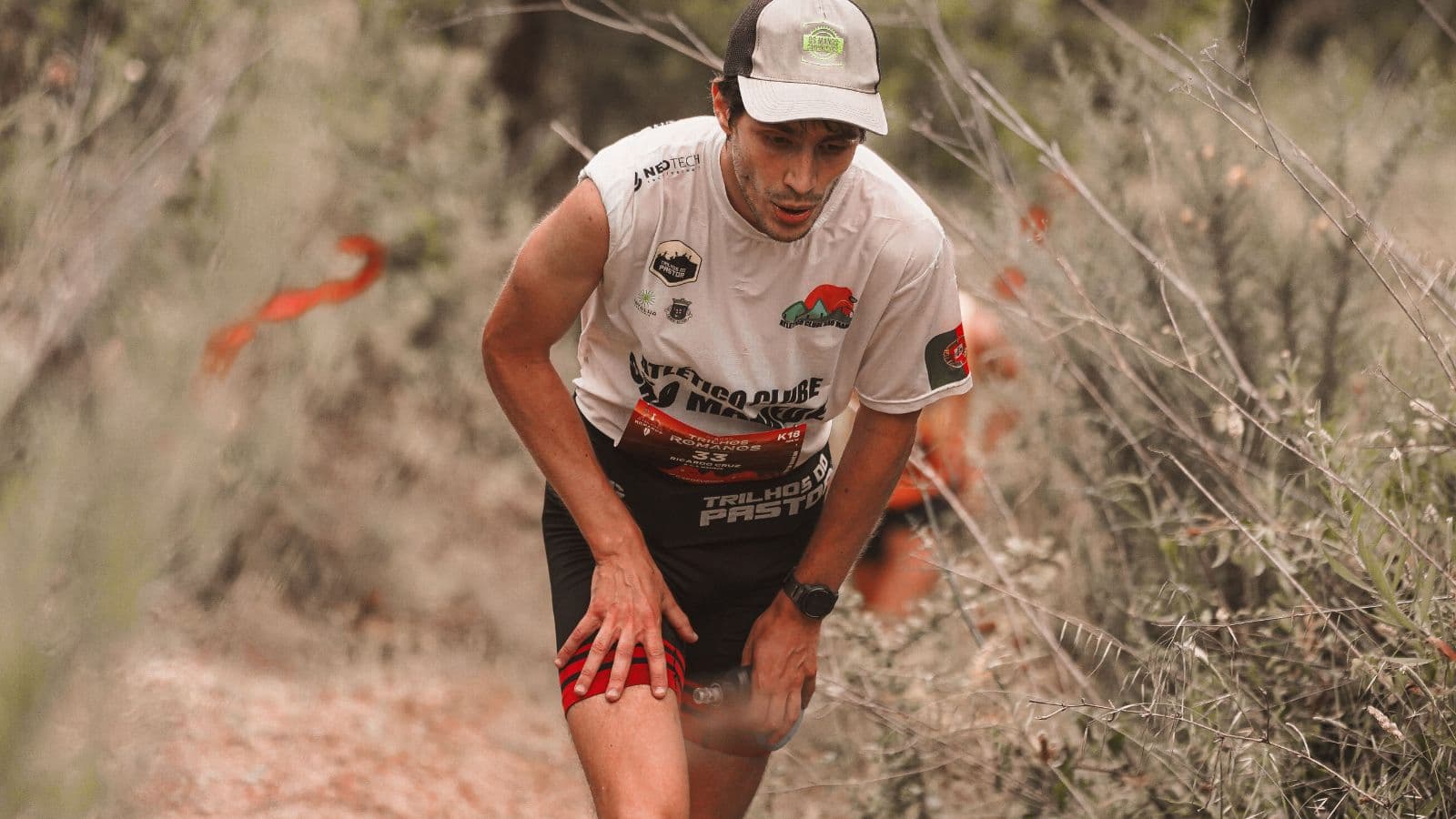
Understand That Nerves Are Normal
Many runners make the mistake of assuming nervousness means they are unprepared.
In reality, nerves often indicate:
- Excitement
- Anticipation
- Investment in the goal
Athletes who understand how to improve running pace often learn that emotional highs and lows are a natural part of the endurance journey. Even elite athletes get nervous before races.
Focus on Preparation Instead of Fear
Anxiety often grows when runners focus on everything that could go wrong.
Instead, shift attention toward:
- Training completed
- Long runs finished
- Skills developed
- Challenges already overcome
Athletes who understand how can runners improve longevity in ultrarunning know that confidence is built through consistent preparation rather than race-day luck. Trust the work you’ve already done.
Avoid Comparing Yourself to Others
Race mornings can be intimidating.
It’s easy to look around and see runners who appear:
- Faster
- Stronger
- More experienced
The problem is that appearances rarely tell the full story. Athletes who understand how and why the marathon training differs from trail run training know that long-term progress comes from focusing on personal development rather than external comparisons. Run your own race.
Create a Race-Day Routine
Routines reduce uncertainty.
A simple race-day plan might include:
- Wake-up time
- Breakfast
- Gear check
- Warm-up
- Start-line preparation
Athletes who understand up down intervals for trail runners often appreciate how structure can reduce mental stress and improve focus. Familiar routines create a sense of control.
Visualise Success
Visualisation can help runners prepare mentally for race-day challenges.
Imagine:
- Climbing efficiently
- Running confidently
- Managing difficult sections
- Crossing the finish line
This doesn’t mean pretending the race will be easy. It means rehearsing positive responses to challenges before they occur.
Focus on What You Can Control
Many race-related worries involve factors outside your influence:
- Weather
- Course conditions
- Competitors
Instead, focus on:
- Nutrition
- Hydration
- Equipment
- Pacing
- Mindset
Athletes who understand what should you do if you are not ready for race day know that directing energy toward controllable factors is usually more productive than worrying about unknowns.
Arrive Prepared
Many pre-race nerves come from uncertainty.
Prepare:
- Shoes
- Clothing
- Nutrition
- Hydration
- Mandatory equipment
well before race morning. Knowing everything is ready can dramatically reduce anxiety.
Remember That Everyone Feels Nervous
One of the most comforting realities of endurance racing is that most runners around you are experiencing similar emotions.
The athlete who looks completely relaxed may still be:
- Doubting themselves
- Feeling anxious
- Questioning their readiness
Pre-race nerves are often far more universal than they appear.
Break the Race Into Smaller Segments
Long trail races can feel overwhelming when viewed as a single challenge.
Instead, focus on:
- The first climb
- The next aid station
- The next hour
Athletes who understand how to run well at altitude know that successful trail racing often comes from managing one section at a time. Small goals feel more manageable.
Trust Your Training
Many runners spend race week questioning:
- Fitness
- Preparation
- Readiness
The reality is that very little fitness is gained during the final few days before a race. Athletes who understand why your workouts should be smarter not harder know that race performance is largely determined by the training already completed. Trust the process.
Use Breathing to Stay Calm
Controlled breathing can help reduce anxiety.
Simple techniques include:
- Slow inhalations
- Controlled exhalations
- Rhythmic breathing patterns
Breathing exercises can help calm the nervous system and improve focus.
Avoid Last-Minute Changes
Race week is generally not the time to:
- Buy new shoes
- Change nutrition strategies
- Alter pacing plans
- Experiment with gear
Athletes who understand how to fuel for a trail run know that race-day success often comes from executing familiar strategies rather than trying something new. Consistency creates confidence.
Reframe Nervousness as Excitement
Physiologically, excitement and anxiety are remarkably similar.
Instead of thinking:
- “I’m nervous.”
try:
- “I’m excited.”
This subtle mental shift can change how the body interprets race-day emotions.
Endurance Athletes Across Sports Face Similar Challenges
Pre-race nerves aren’t unique to trail running. Triathletes frequently experience similar feelings before major events and often rely on mental strategies, preparation routines, and process-focused thinking to stay composed. Athletes who understand how to get over your anxiety before running often recognise that mental resilience begins long before the starting horn sounds.
Accept Imperfection
No race unfolds perfectly.
There may be:
- Unexpected weather
- Tough sections
- Energy fluctuations
- Minor setbacks
Athletes who accept this reality often experience less anxiety because they are prepared to adapt rather than expecting perfection.
Common Pre-Race Mistakes
Many trail runners:
- Compare themselves to others
- Overanalyse fitness
- Change plans at the last minute
- Focus on worst-case scenarios
- Ignore preparation routines
- Stay up worrying
- Forget previous successes
- Treat nerves as a problem
Most of these behaviours increase anxiety unnecessarily.
How to Manage Pre-Race Nerves?
Trail runners can reduce anxiety by:
- Trusting their preparation
- Following a routine
- Visualising success
- Focusing on controllable factors
- Avoiding comparisons
- Using breathing exercises
- Breaking races into smaller goals
- Accepting that nerves are normal
The goal is not to eliminate nervousness completely. A certain amount of pre-race tension often means the event matters to you. The most successful trail runners simply learn how to manage those emotions and use them as fuel rather than allowing them to become obstacles.
FAQs
Yes. Most runners experience some level of nervousness before competition.
Absolutely. Even elite athletes often feel anxious before races.
Excessive anxiety can affect performance, but manageable nerves can sometimes improve focus.
Breathing exercises, preparation routines, and focusing on controllable factors can help.
Generally no. Stick with the plan you developed during training.
Many athletes find visualisation helpful for building confidence and preparing for challenges.
Breathing, pacing, and the first section of the course.
Trust your training, stay present, and focus on what you can control.