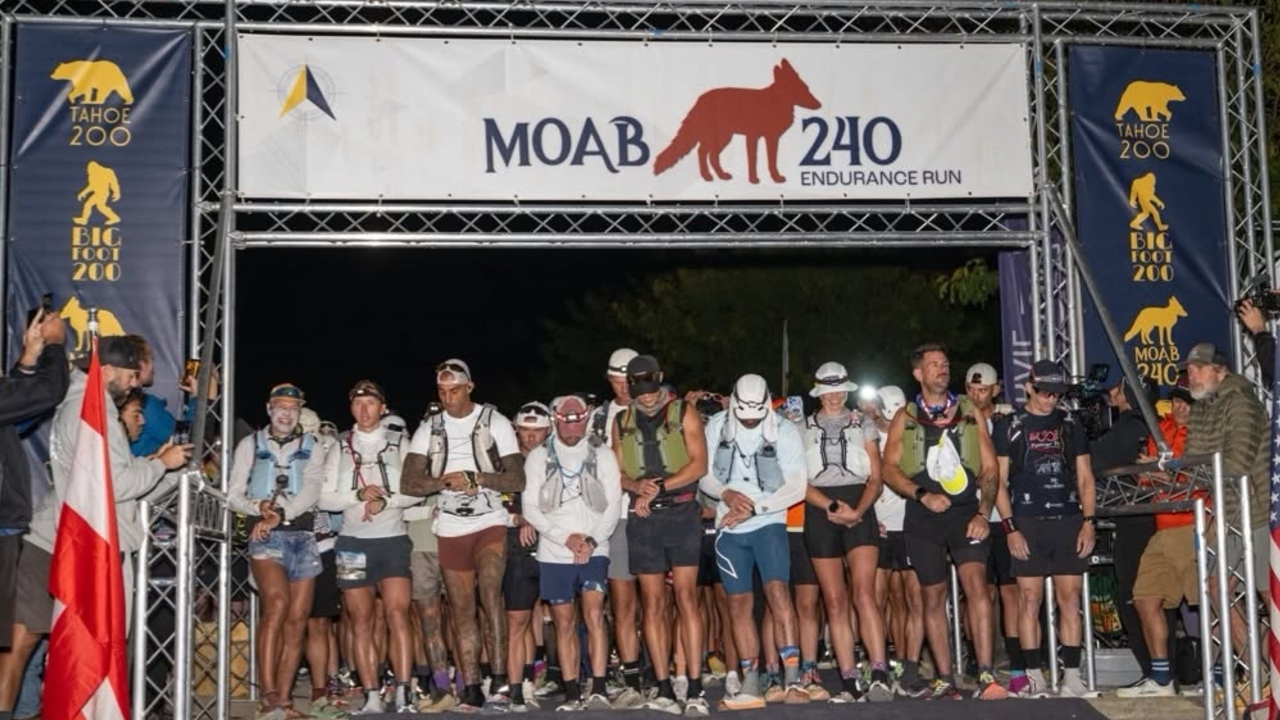
Trekking poles have become increasingly common in trail running, particularly during ultramarathons and mountain races. Once considered unnecessary by many runners, they are now recognised as valuable tools for improving climbing efficiency, reducing fatigue, and increasing stability on challenging terrain. Used correctly, trekking poles allow runners to share the workload between the upper and lower body, helping conserve leg strength over long distances. However, they aren’t beneficial in every situation, and learning when and how to use them is just as important as carrying them.
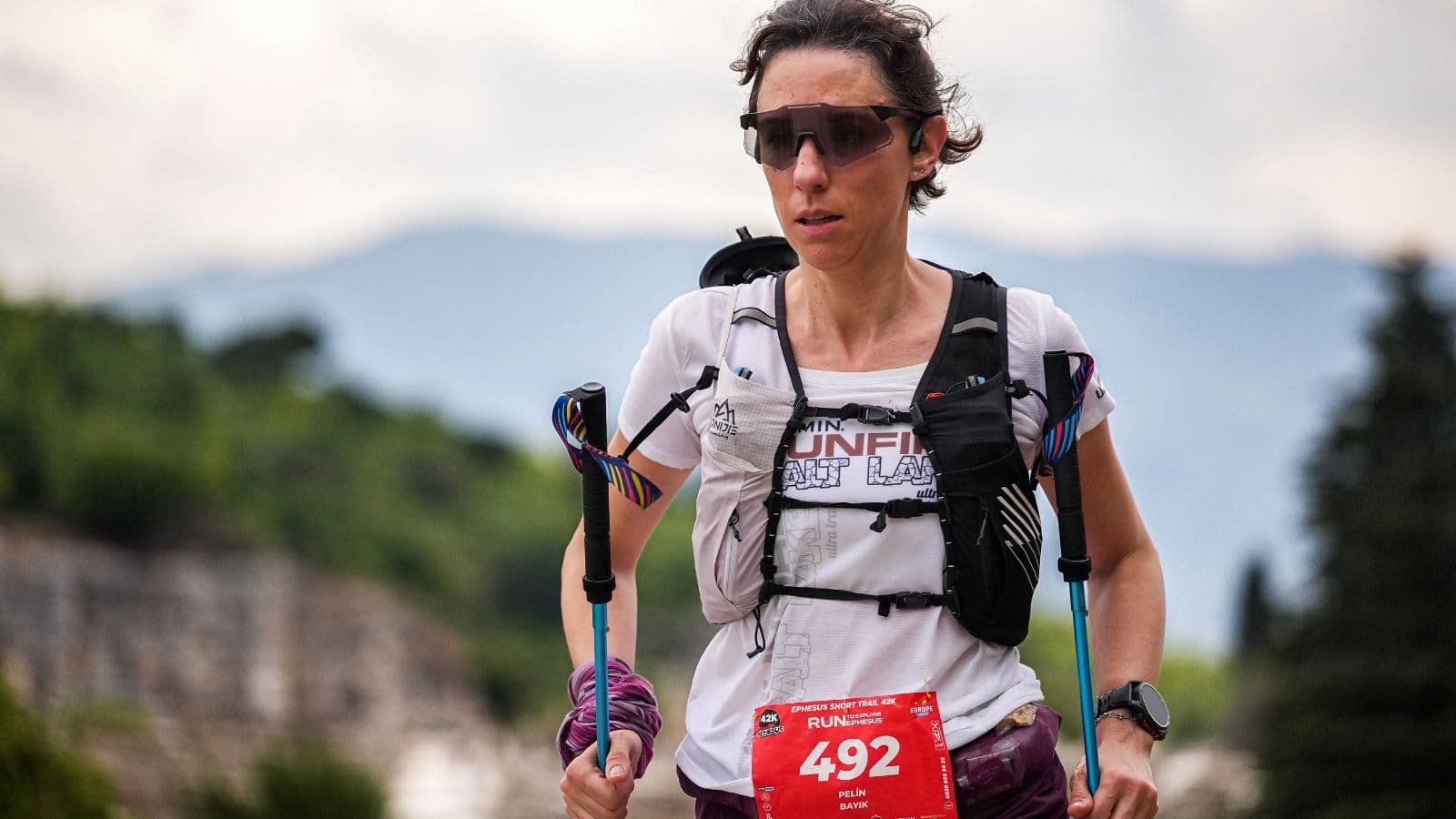
Why Trail Runners Use Trekking Poles?
Trail running often involves steep climbs, rocky descents and uneven terrain where balance becomes increasingly important.
Trekking poles can provide several advantages:
- Greater uphill power.
- Improved downhill stability.
- Reduced leg fatigue.
- Better balance on technical trails.
- Increased confidence on steep terrain.
- Improved efficiency during long mountain races.
Many runners preparing for mountainous events also improve their overall readiness through how can you maximize winter training for peak running performance, as strength and endurance remain essential alongside pole technique.
How Trekking Poles Help on Climbs?
Steep climbs place enormous demands on the calves, quadriceps and glutes. Using trekking poles allows your arms and shoulders to contribute to forward movement, reducing some of the workload placed on your legs.
Benefits during climbs include:
- Better weight distribution.
- Increased uphill rhythm.
- Less muscular fatigue.
- Improved traction.
- More efficient power transfer.
On prolonged mountain ascents, conserving your legs early can leave you feeling considerably stronger later in the run.
Better Stability on Technical Descents
Downhill running often challenges balance more than endurance. Loose rocks, wet roots and uneven ground increase the likelihood of slipping. Trekking poles improve stability by creating additional points of contact with the ground.
This can help you:
- Maintain balance.
- Control speed.
- Reduce sudden slips.
- Improve confidence.
- Navigate technical terrain more smoothly.
Many runners combine good pole technique with the principles discussed in what is the best downhill running technique for marathons, adapting them to the demands of technical trails.
Reduced Muscle Fatigue
One of the biggest advantages of trekking poles is their ability to reduce cumulative fatigue during long races. Instead of relying entirely on your legs, your upper body shares some of the effort.
Over many hours this may reduce stress on:
- Quadriceps.
- Calves.
- Knees.
- Ankles.
- Hip muscles.
The longer the event, the greater this benefit often becomes.
Improved Posture During Long Climbs
Fatigue frequently causes runners to lean excessively forward while climbing. Proper use of trekking poles encourages a taller posture and more controlled movement. Maintaining good posture also supports efficient breathing, allowing you to sustain effort over extended climbs. Many athletes notice similar improvements after understanding how does posture affect running performance, especially during long endurance events.
Greater Confidence on Difficult Terrain
Technical trails demand constant adjustments in balance and foot placement.
Poles provide reassurance when crossing:
- Streams.
- Loose scree.
- Mud.
- Snow.
- Rocky ridgelines.
Confidence often leads to smoother movement and fewer unnecessary stops.
Rather than hesitating before obstacles, experienced runners use their poles to maintain momentum safely.
They Can Protect Your Knees
Steep descents generate significant impact forces. Using trekking poles correctly can reduce some of the load transmitted through your knees by helping absorb part of the impact.
This becomes particularly valuable during:
- Mountain ultramarathons.
- Multi-day stage races.
- Long training runs.
- Descents carrying heavy packs.
Protecting your joints early often improves how you feel during the final stages of a race.
Pole Technique Matters
Simply carrying trekking poles doesn’t guarantee better performance.
Efficient technique includes:
- Planting poles naturally.
- Using alternating arm movements.
- Keeping elbows relaxed.
- Avoiding excessive reaching.
- Matching pole rhythm to your stride.
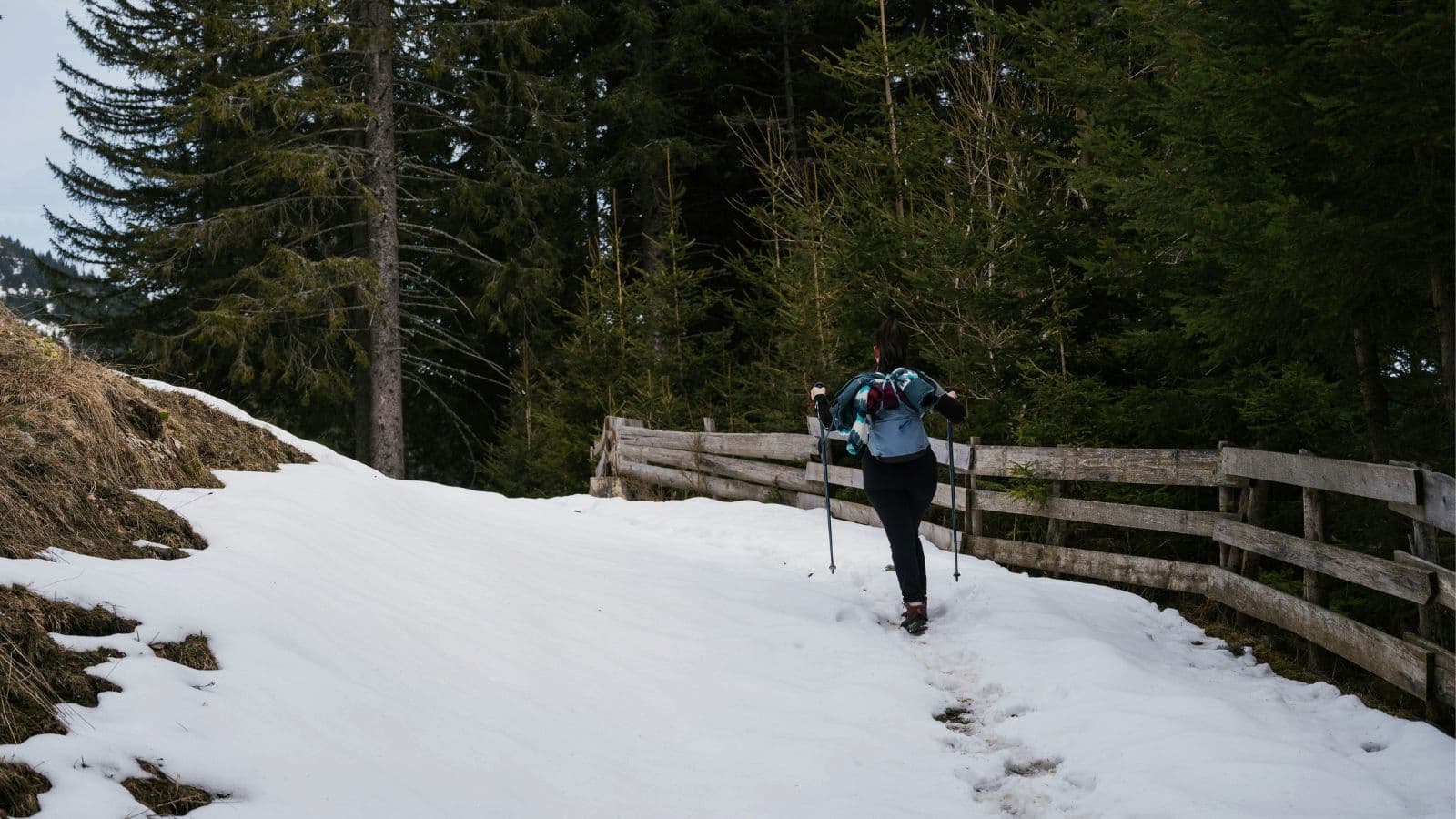
Practising during training helps these movements become automatic before race day.
When Trekking Poles May Not Help?
Poles aren’t beneficial on every trail.
They may offer little advantage during:
- Flat terrain.
- Fast road sections.
- Smooth forest paths.
- Short races.
- Highly runnable trails.
Carrying unnecessary equipment can sometimes outweigh its benefits.
Always consider the terrain, elevation profile and race rules before deciding whether to use poles.
Train With Them Before Racing
Never introduce trekking poles for the first time during an important race.
Practise:
- Climbing.
- Descending.
- Folding and storing poles.
- Drinking while using them.
- Running technical terrain.
- Transitioning between using and carrying them.
Many runners preparing for mountainous races also follow what is the best way to train for long trail runs, ensuring their fitness develops alongside their technical skills.
Build Upper-Body Strength
Using poles effectively requires more than strong legs.
Include exercises for:
- Shoulders.
- Lats.
- Triceps.
- Core.
- Grip strength.
A stronger upper body improves endurance when using poles for several hours. Strength training also complements how to build strength and speed for trail races, particularly for runners targeting mountainous ultras.
Common Mistakes When Using Trekking Poles
Avoid these common errors:
- Using poles that are too long.
- Gripping too tightly.
- Planting poles too far ahead.
- Looking down constantly.
- Waiting until race day to practise.
- Carrying poles unnecessarily.
- Ignoring race regulations regarding poles.
- Forgetting to maintain pole tips and locking mechanisms.
Small technique improvements often make a noticeable difference over long distances.
Practical Tips for Using Trekking Poles
Remember these simple strategies:
- Adjust pole length for the terrain.
- Stay relaxed through your shoulders.
- Use smooth, rhythmic movements.
- Fold poles away on flat sections.
- Practise on local trails regularly.
- Replace worn pole tips when necessary.
- Learn efficient deployment before racing.
Like every trail running skill, confidence develops through repetition. Many runners also find that what should you know before your first trail run provides useful preparation for handling varied terrain before introducing additional equipment such as trekking poles.
The Bottom Line
Trekking poles can significantly improve uphill and downhill trail running when used appropriately. They help distribute effort, improve stability, reduce muscle fatigue and protect your legs during long mountain adventures. Their benefits become most noticeable on steep, technical terrain where efficiency and energy conservation matter more than outright speed. By practising with poles before race day and using them strategically, trail runners can move more confidently and finish demanding races feeling stronger.
FAQs
No. Trekking poles are most beneficial during mountainous races, long ultras and technical terrain with significant climbing and descending.
Yes. They allow your upper body to assist your legs, helping reduce muscular fatigue during sustained ascents.
They may reduce impact forces during steep descents by distributing some of the workload through the arms.
No. Some races have specific regulations regarding pole use, so always check the event rules beforehand.
Most runners choose poles that create roughly a 90-degree bend at the elbow when standing on level ground, although adjustments may vary with terrain.
Not usually. Beginners should first develop confidence on trails before deciding whether poles suit their goals and the terrain they run.
Generally no. On flatter terrain they often provide little benefit and may simply become extra equipment to carry.
Absolutely. Strong shoulders, arms and core muscles improve efficiency and reduce fatigue during long climbs.