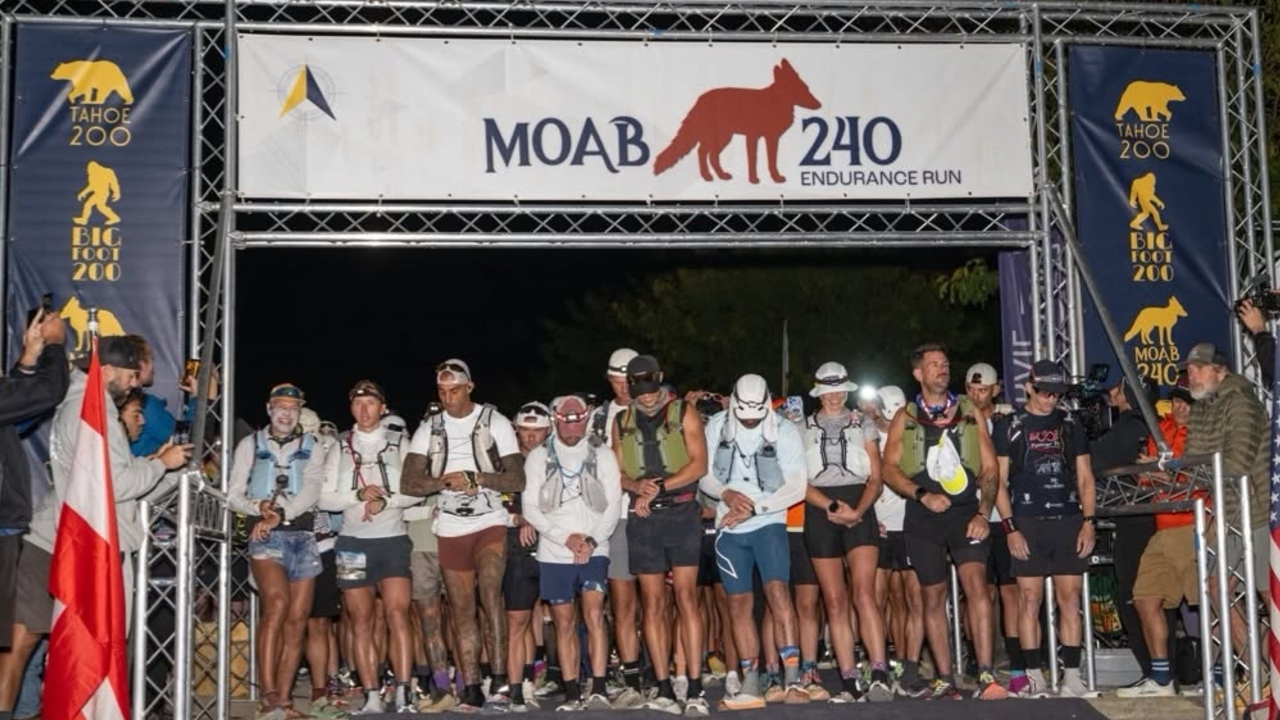
Ultrarunning performance can decline with age, particularly as changes in aerobic capacity, muscle strength, recovery, and maximum speed accumulate. However, there is no single age at which runners suddenly stop performing well, and the effect can be less straightforward in ultras than in shorter, faster events. Ultrarunning depends on much more than maximum speed. Pacing judgment, fueling, hydration, mental resilience, terrain management, and the ability to remain patient for many hours can strongly influence race performance. Experienced older runners may be particularly skilled in these areas. Training history also matters. A runner who starts endurance training later in life may continue improving even while age related physiological changes are occurring. Personal performance can therefore improve at an age when population level performance would generally be expected to decline.
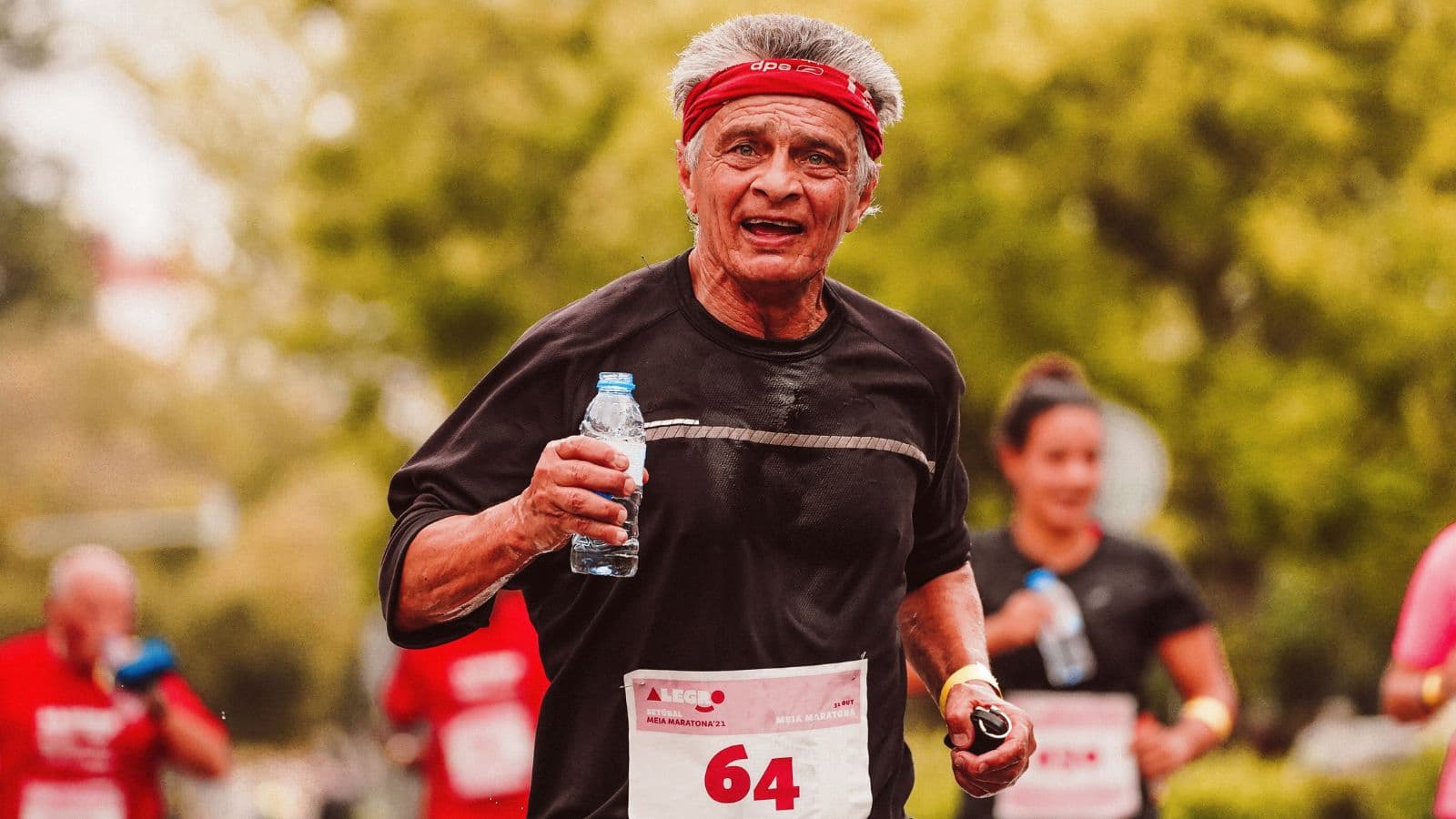
The useful question is not simply whether age makes runners slower. It is how training should evolve so that endurance, strength, recovery, and consistency remain sustainable as you get older.
In Short
- Ultrarunning performance can decline with age.
- The decline is not identical for every runner.
- Maximum speed may change before endurance disappears.
- Recovery can take longer.
- Strength becomes increasingly important.
- Training history influences performance.
- Experience can improve pacing and race management.
- Older runners can still improve personal performance.
- Training volume may need adjustment.
- Long term consistency matters more than chasing previous numbers.
Why Age Does Not Affect Every Ultrarunner Equally?
Chronological age tells only part of the story.
Two runners of the same age may have very different:
- Training histories.
- Injury histories.
- Aerobic fitness.
- Strength.
- Sleep habits.
- Race experience.
- Available training time.
A lifelong competitive runner may experience aging differently from someone who begins running at 50. This is why how can runners improve longevity in ultrarunning is a more useful long term question than trying to identify a universal age when ultra performance starts declining.
Aerobic Capacity Can Change With Age
Aerobic capacity is one factor that can decline as runners grow older. That can affect the ability to sustain faster efforts, particularly when intensity is high. But ultramarathons are generally performed well below maximum effort for long periods. Aerobic endurance remains important, yet success also depends on how economically you use that fitness. Maintaining regular aerobic training therefore remains valuable.
Understanding how to build an aerobic base for running can help older ultrarunners maintain the endurance foundation needed for prolonged racing without making every session hard.
Speed and Endurance Do Not Decline Identically
An older runner may notice changes in top end speed before losing the ability to cover long distances. This does not mean speed work should disappear completely.
Controlled faster running can help maintain:
- Leg turnover.
- Running economy.
- Aerobic power.
- Confidence at faster efforts.
The amount should match your ability to recover. Following how to increase running speed without overtraining is particularly relevant when faster workouts produce more fatigue than they did earlier in your running career.
Recovery Becomes More Important
Many runners find that demanding sessions require more recovery as they get older.
This can affect how you arrange:
- Long runs.
- Speed sessions.
- Hill workouts.
- Strength training.
- Back to back runs.
Trying to maintain the exact schedule you used years ago may not be productive.
Adding recovery between demanding sessions can allow you to complete better quality training instead of repeatedly beginning workouts with tired legs.
Strength Helps Preserve Running Capacity
Muscle strength becomes an important part of maintaining performance as runners age.
Useful strength work can target:
- Calves.
- Quadriceps.
- Hamstrings.
- Glutes.
- Hips.
- Trunk.
You do not need bodybuilding style training. The goal is to maintain enough strength to tolerate hills, descents, uneven surfaces, and prolonged running. Using what strength routine should runners do to stay injury-free can help make strength work part of training rather than something added only after an injury occurs.
Training Volume May Need to Change
More mileage is not automatically better for an aging ultrarunner. The amount you can productively handle depends on how well you recover from it.
Watch for:
- Persistent soreness.
- Heavy legs.
- Declining workout quality.
- Repeated minor injuries.
- Poor motivation.
- Unusual fatigue.
If those problems increase, simply adding more miles may make performance worse. The principles in how to increase running volume without getting injured become increasingly useful when balancing ultra specific endurance with the ability to recover.
Experience Can Become an Advantage
Ultrarunning rewards decision making.
Experienced runners may become better at:
- Starting conservatively.
- Eating regularly.
- Managing climbs.
- Walking strategically.
- Controlling effort.
- Handling difficult moments.
A younger runner may possess greater raw speed but lose substantial time through poor pacing or fueling.
An older athlete who understands personal limits can often produce a more controlled race.
Pacing Matters More Over Long Distances
Small pacing errors become expensive during an ultramarathon. Starting slightly too fast can create problems hours later. Older runners should resist comparing early race pace with younger competitors or with their own historical speed. Run according to your current fitness. The idea behind why is your starting pace important for long distance running becomes especially important in ultras because the cost of early overexertion can continue for many hours.
Fueling Can Protect Late Race Performance
Age does not remove the need for regular carbohydrate and fluid intake during long races. Practice your fueling strategy during training rather than improvising on race day.
Consider:
- Carbohydrate intake.
- Fluid.
- Electrolytes when appropriate.
- Food texture.
- Timing.
- Gastrointestinal tolerance.
Using how to fuel and hydrate for an ultramarathon can help make nutrition part of your race strategy instead of waiting until energy levels collapse.
Training Your Gut Still Matters
Ultrarunners often need to consume fuel for many hours. Your digestive system therefore becomes part of race preparation.
Practice eating and drinking during longer sessions so you can identify:
- Foods you tolerate.
- Useful carbohydrate sources.
- Appropriate timing.
- Problem foods.
- Comfortable fluid intake.
Following how to train your gut for marathons and ultras can make fueling more familiar before long races.
Sleep Supports Adaptation
Older athletes should not compensate for limited recovery by repeatedly sacrificing sleep to fit in more mileage.
Sleep supports your ability to recover from:
- Long runs.
- Strength training.
- Faster workouts.
- High volume weeks.
If additional mileage consistently reduces sleep, the extra running may not provide the benefit you expect.
Training only works when you can recover from it.
Injury History Matters
Age alone does not determine injury risk.
- Training load
- Previous injuries
- Strength
- Terrain
- Recovery
- Sudden changes in mileage
all matter.
Do not assume recurring pain is simply an unavoidable consequence of getting older. Likewise, do not ignore persistent symptoms because discomfort has become familiar. Understanding what training habits increase injury risk in runners can help identify modifiable problems rather than blaming every setback on age.
Older Runners Can Still Improve
Aging does not mean personal bests immediately become impossible. A runner who improves:
- Training consistency
- Pacing
- Nutrition
- Strength
- Race selection
may perform better than they did several years earlier.
This is particularly possible when the runner:
- Started the sport later.
- Previously trained inconsistently.
- Improves race execution.
- Chooses a suitable distance.
- Becomes more experienced.
Compare yourself with your current capabilities rather than assuming your best running must already be behind you.
Race Distance Can Influence the Effect of Age
Age related performance changes may appear differently across race distances.
Shorter events depend more heavily on higher speeds.
Ultras place greater emphasis on:
- Endurance.
- Pacing.
- Fueling.
- Fatigue management.
- Mental resilience.
- Terrain skills.
That does not make ultrarunning immune to aging.
It simply means experience and race management can remain highly valuable even as some physical capacities change.
Adjust Training Instead of Abandoning Intensity
Older runners do not automatically need to train slowly all the time. Instead, use intensity deliberately.
A balanced plan may contain:
- Easy aerobic running.
- Long runs.
- Controlled intervals.
- Hill work.
- Strength training.
- Rest.
The exact mix should reflect current recovery rather than the schedule you followed ten years ago.
Common Mistakes
- Assuming slower performance is inevitable at a specific age.
- Comparing every run with younger competitors.
- Copying an old training schedule without adjustment.
- Increasing mileage despite poor recovery.
- Removing all faster running.
- Neglecting strength training.
- Ignoring persistent pain.
- Sacrificing sleep for extra mileage.
- Underestimating pacing and fueling skills.
Practical Tips
- Track recovery as carefully as mileage.
- Keep most endurance training controlled.
- Maintain strength throughout the year.
- Give hard sessions enough recovery.
- Practice race fueling regularly.
- Adjust goals to current fitness.
- Use experience to improve pacing.
- Reduce training load when fatigue persists.
- Judge progress over months rather than single workouts.
Actionable Takeaways
- Some physical capacities decline with age, but performance changes are highly individual.
- Preserve strength, aerobic fitness, and recovery.
- Use experience as an advantage.
- Adapt training instead of automatically training less.
The principle behind why is consistency more important than intensity for running success remains valuable as runners age because sustainable training over months and years matters more than repeatedly forcing individual workouts.
FAQs
There is no single age. Performance changes depend on fitness, training history, recovery, health, race distance, and individual physiology.
Yes. Many runners continue training for and completing ultramarathons in their 50s and beyond.
Yes. Individual runners can improve through better training, pacing, fueling, strength, and race experience.
Endurance can decline with aging, but regular training can help maintain substantial aerobic fitness.
Some runners find that recovery takes longer with age, particularly after demanding workouts and long races.
Yes, when appropriate. Controlled faster running can remain useful if intensity and recovery are managed carefully.
Yes. Strength training can help maintain muscular capacity needed for running, climbing, descending, and handling repeated training loads.
Not automatically. Mileage should reflect current fitness, recovery, injury history, goals, and ability to tolerate training.