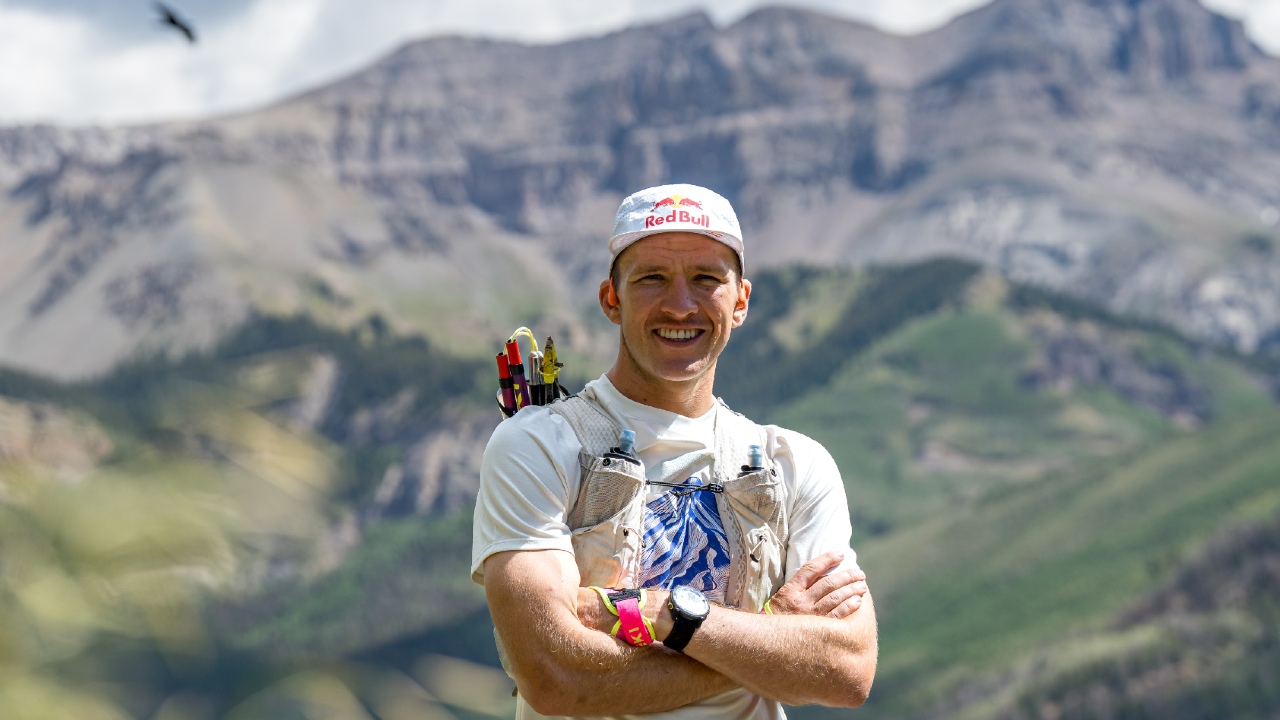
Warming up before a trail race is important because it prepares your body for running, increases muscle temperature, and gradually raises your heart rate. A suitable warm up can improve movement readiness and help you handle the early demands of hills, uneven surfaces, and changing terrain. Unlike road races, trail events often begin with steep climbs, technical paths, or crowded sections. Starting without preparation may make the opening minutes feel uncomfortable, particularly when runners accelerate quickly or encounter challenging terrain immediately. A good warm up includes gentle movement, dynamic mobility exercises, and short running efforts when appropriate. However, the duration and intensity should reflect the race distance, weather, and individual fitness.
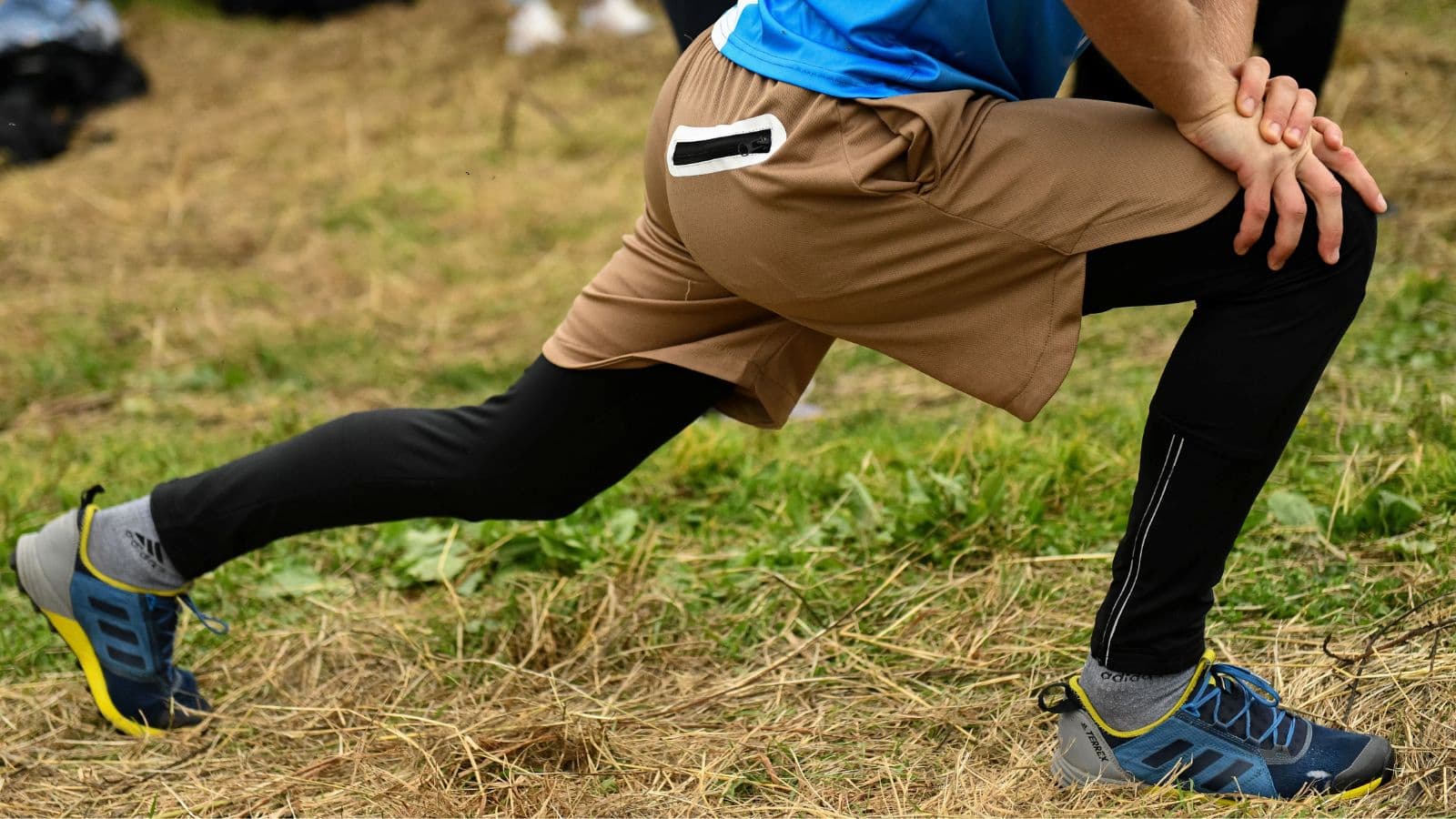
For beginners and experienced trail runners, warming up should improve readiness without creating unnecessary fatigue. The goal is to reach the starting line feeling comfortable, mobile, and prepared to run at a controlled effort.
In Short
- Warming up gradually increases heart rate and muscle temperature.
- Dynamic movements prepare the legs for running.
- Shorter races generally benefit from more active preparation.
- Ultramarathons usually require less intense warm ups.
- Cold weather may require additional preparation.
- Warming up can improve early race comfort.
- Avoid tiring yourself before the start.
- Match your warm up to the terrain and race distance.
Benefits of Warming Up Before a Trail Race
A warm up gradually prepares the body for physical activity. As movement intensity increases, blood flow to working muscles rises and muscle temperature increases.
Potential benefits include:
- Improved muscle readiness.
- Greater comfort during early running.
- Better preparation for faster movements.
- Gradual cardiovascular adjustment.
- Increased confidence before the start.
Warming up may improve performance in certain situations, particularly when a race begins at a demanding intensity.
However, evidence that warming up directly prevents running injuries is limited.
Preparing Your Muscles for Uneven Terrain
Trail running requires frequent adjustments to foot placement and body position. Rocks, roots, slopes, and uneven ground challenge balance and coordination. Dynamic movements can help runners prepare for these demands. Understanding how can you improve stability while trail running can help athletes develop better control over uneven surfaces.
Useful warm up movements include:
- Leg swings.
- Walking lunges.
- Ankle circles.
- Gentle calf raises.
- Controlled bodyweight squats.
Keep movements comfortable and avoid forcing your joints beyond their normal range.
Improving Running Form and Coordination
A warm up provides an opportunity to establish relaxed running movement before racing. Short, controlled jogging can help runners find a comfortable stride and breathing rhythm. Understanding how does posture affect trail running performance can help athletes recognize the importance of balanced movement on changing terrain.
Focus on:
- Relaxed shoulders.
- Natural arm movement.
- Comfortable stride length.
- Stable foot placement.
- Controlled breathing.
Avoid making major technique changes immediately before competition.
A Simple Trail Race Warm Up Routine
A practical warm up can take approximately 10 to 15 minutes for many shorter trail races.
| Activity | Duration | Purpose |
|---|---|---|
| Easy walking or jogging | 5 minutes | Gradually increase activity |
| Dynamic leg movements | 3 minutes | Prepare muscles and joints |
| Ankle and calf movements | 2 minutes | Prepare for uneven surfaces |
| Short relaxed accelerations | 2–3 minutes | Prepare for faster running |
| Easy movement | 1–2 minutes | Stay comfortable before starting |
The accelerations are optional, especially for beginners or longer events. Understanding how to improve your running form without overthinking it can help runners keep these movements natural rather than overly technical.
Adjusting Your Warm Up for Race Distance
Not every trail race requires the same preparation.
Shorter events often involve higher relative intensity, while ultramarathons generally begin at a more conservative effort.
| Race distance | Suggested approach |
|---|---|
| Trail 5K | 10 – 20 minutes of progressive movement |
| Trail 10K | 10 – 15 minutes of comfortable preparation |
| Trail half marathon | 5 – 15 minutes of gentle movement |
| Trail marathon | Brief walking, jogging, and mobility |
| Ultramarathon | Minimal preparation without unnecessary fatigue |
These are flexible guidelines rather than fixed requirements. Understanding how to prepare for your first trail 10k race can help beginners coordinate their warm up with pacing and race preparation.
Warming Up Before Hilly Trail Races
A race beginning with a steep climb may quickly increase breathing and muscular demands. Gentle uphill walking or jogging can help athletes become familiar with the effort. Understanding how should you pace a trail race with lots of hills can help runners avoid using too much energy during the opening climb. Avoid performing exhausting hill repetitions before the race. The warm up should prepare your body rather than become an additional workout.
Warm Ups in Cold and Hot Weather
Weather conditions influence how runners should prepare. In cold conditions, muscles may take longer to feel comfortable, and waiting at the start can reduce the benefits of warming up. Wear suitable layers and keep moving gently when possible. In hot conditions, avoid excessive warming that increases body temperature unnecessarily. Understanding hydration strategy for runners can help athletes prepare for changing weather without drinking excessive fluids.
Avoiding Early Race Fatigue
A warm up does not replace sensible pacing. Even well prepared runners can struggle if they start too aggressively. Understanding how can you beat first-mile fatigue in trail running can help athletes recognize why the opening section should remain controlled. Start at an effort appropriate for the race distance and terrain. Allow breathing and stride rhythm to settle before increasing intensity.
Warm Up Timing and Race Start Delays
Try to finish your warm up reasonably close to the start. Long periods of standing still may reduce some of its immediate benefits. If the race start is delayed, maintain comfort through occasional gentle movement. Avoid repeatedly performing demanding accelerations while waiting.
Common Mistakes
- Starting without any preparation.
- Warming up too intensely.
- Performing exhausting hill efforts.
- Holding uncomfortable stretches.
- Ignoring weather conditions.
- Copying elite runners’ routines.
- Standing still for too long afterward.
- Using the warm up to test maximum speed.
Practical Tips
- Arrive early enough to prepare.
- Begin with comfortable movement.
- Include gentle dynamic mobility.
- Adjust preparation to race distance.
- Practice your routine during training.
- Avoid unnecessary fatigue.
- Stay comfortable in cold weather.
- Keep the first race minutes controlled.
Understanding why is consistency important in trail running training can help athletes recognize the value of practicing familiar routines rather than introducing new exercises on race day.
Actionable Takeaways
- Warm up progressively.
- Prepare your ankles, calves, and hips.
- Match the routine to race distance.
- Avoid tiring yourself before the start.
- Begin racing at a sustainable effort.
FAQs
Many runners benefit from approximately 5 to 20 minutes of preparation, depending on race distance, intensity, and weather.
Yes, but gentle walking and mobility may be sufficient because ultramarathons usually begin at a relatively comfortable intensity.
Easy jogging can provide useful preparation. Dynamic mobility movements may also help runners feel ready for uneven terrain.
Gentle dynamic movements are generally suitable. Avoid prolonged or uncomfortable static stretching immediately before demanding efforts.
A warm up may improve movement readiness, but research does not establish that it reliably prevents running injuries.
Beginners should use simple, comfortable movements and avoid demanding accelerations that create unnecessary fatigue.
Cold conditions may require additional preparation to reach a comfortable muscle temperature and feel ready to run.
Most beginners do not need them. Experienced runners may use brief controlled efforts before shorter races, but exhausting hill sprints are unnecessary.