


What makes a race “beginner-friendly” and why it matters?
The best running races for beginners are events that allow you to complete the distance comfortably, build confidence, and gain race experience without excessive physical stress.
That usually means:
- Shorter distances
- Flat, simple courses
- Supportive race environments
Choosing the right race matters. Pick the wrong one, too long, too technical, or too competitive and it becomes survival instead of progress. The goal of your first races is simple: finish strong and learn how racing works.

Start with the right distance
Distance is the biggest factor when choosing your first race.
5K races (entry-level standard)
A 5K (5 kilometres) is the most accessible race distance and the best starting point for most runners.
- Short enough to complete with basic training
- Long enough to feel like a real challenge
- Widely available and beginner-friendly
Most runners can prepare for a 5K in a short training cycle, making it ideal for building early confidence. Check out our guide on how to train for your first 5k.
Why 5K races work?
- Manageable physical demand
- Lower risk of injury
- Easier pacing control
- Strong community atmosphere
This is where most runners should start.
10K races (next step up)
Once you’re comfortable with a 5K, a 10K becomes the natural progression.
- Doubles the distance, not the difficulty
- Builds endurance without extreme fatigue
- Still widely accessible
A 10K is often considered the first “real endurance test” for newer runners, but it remains achievable with structured training.
Half marathons (only if prepared)
A half marathon is a major jump.
- Requires consistent training
- Demands proper pacing and fueling
- Exposes weaknesses in preparation
It can be suitable for beginners, but only if you’ve already built a base through shorter races.
Types of beginner-friendly races
Not all races are equal even at the same distance.
Local road races
These are the best starting point.
- Smaller field sizes
- Less pressure
- Simple logistics
They are easier to manage and less overwhelming than major city races.
Park-runs and community events
Weekly events (like park-runs) are ideal for beginners.
- Free or low-cost
- Consistent format
- Relaxed environment
They remove the pressure of “race day” and allow repeated practice.
Charity and fun runs
These events prioritize participation over performance.
- Inclusive atmosphere
- Flexible pacing
- Often shorter distances
Perfect if your goal is simply to finish and enjoy the experience.
Large city races (with caution)
Big events can be motivating but overwhelming.
- Crowded start lines
- More logistics
- Higher intensity atmosphere
They can work for beginners, but only if you’re comfortable with race environments.
Course profile matters more than distance
A flat 10K can be easier than a hilly 5K.
When choosing a race, look at:
- Elevation profile
- Terrain (road vs trail)
- Number of turns or technical sections
Flat, road-based courses are the most beginner-friendly.
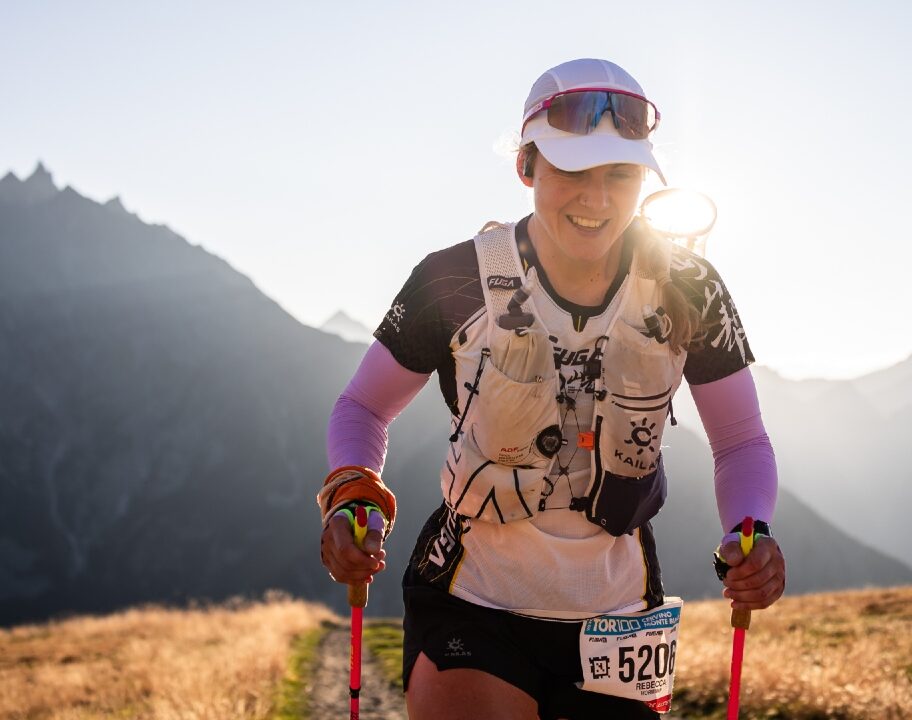
Trail races: not ideal for your first event
Trail running introduces additional challenges:
- Uneven terrain
- Increased muscular fatigue
- Slower pacing
While enjoyable, trail races require more experience and control. For your first race, stick to road events.
How to choose your first race?
The best race is not the most popular, it’s the one that fits your current ability.
Key criteria:
- Distance you can comfortably train for
- Flat, predictable course
- Manageable race size
- Clear organization and support
Beginner-friendly races are designed to help you succeed, not test your limits immediately.
How to prepare for your first race?
Choosing the right race is only part of the process.
Build gradually
- Start with consistent weekly running
- Increase distance progressively
- Avoid sudden jumps in volume
Practice pacing
Most beginners start too fast.
Learn to:
- Run at a controlled effort
- Maintain consistent pace
- Finish without slowing dramatically
Focus on consistency
You don’t need complex training.
You need:
- Regular runs
- Recovery between sessions
- Gradual improvement
Consistency builds endurance more effectively than intensity.
Common mistakes beginners make when choosing races
Choosing a race that’s too long
Jumping straight into long-distance events leads to:
- Poor performance
- Increased injury risk
- Negative race experience
Ignoring course difficulty
A short race with hills or technical terrain can be harder than a longer flat race.
Following trends instead of readiness
Just because a race is popular doesn’t mean it’s suitable. Choose based on your current fitness, not external pressure.
Not preparing for race conditions
Weather, crowds, and pacing all impact performance. Practice in similar conditions before race day.
Practical checklist: best race choices for beginners
- Start with a 5K
- Progress to a 10K after building confidence
- Choose flat road courses
- Look for smaller, local events
- Avoid technical or trail races initially
- Prioritize comfort and completion over speed
- Build experience before increasing distance
FAQ
A 5K is the best starting point. It’s short enough to manage but still challenging.
They can be, but smaller races are usually less stressful and easier to manage.
Most beginners can prepare for a 5K within a few weeks of consistent running.
Not ideal for a first race due to terrain difficulty and pacing challenges.
No. Many beginners use run-walk strategies to complete races successfully.
Flat course, manageable distance, and a supportive environment.
Choose smaller events and focus on finishing, not performance.