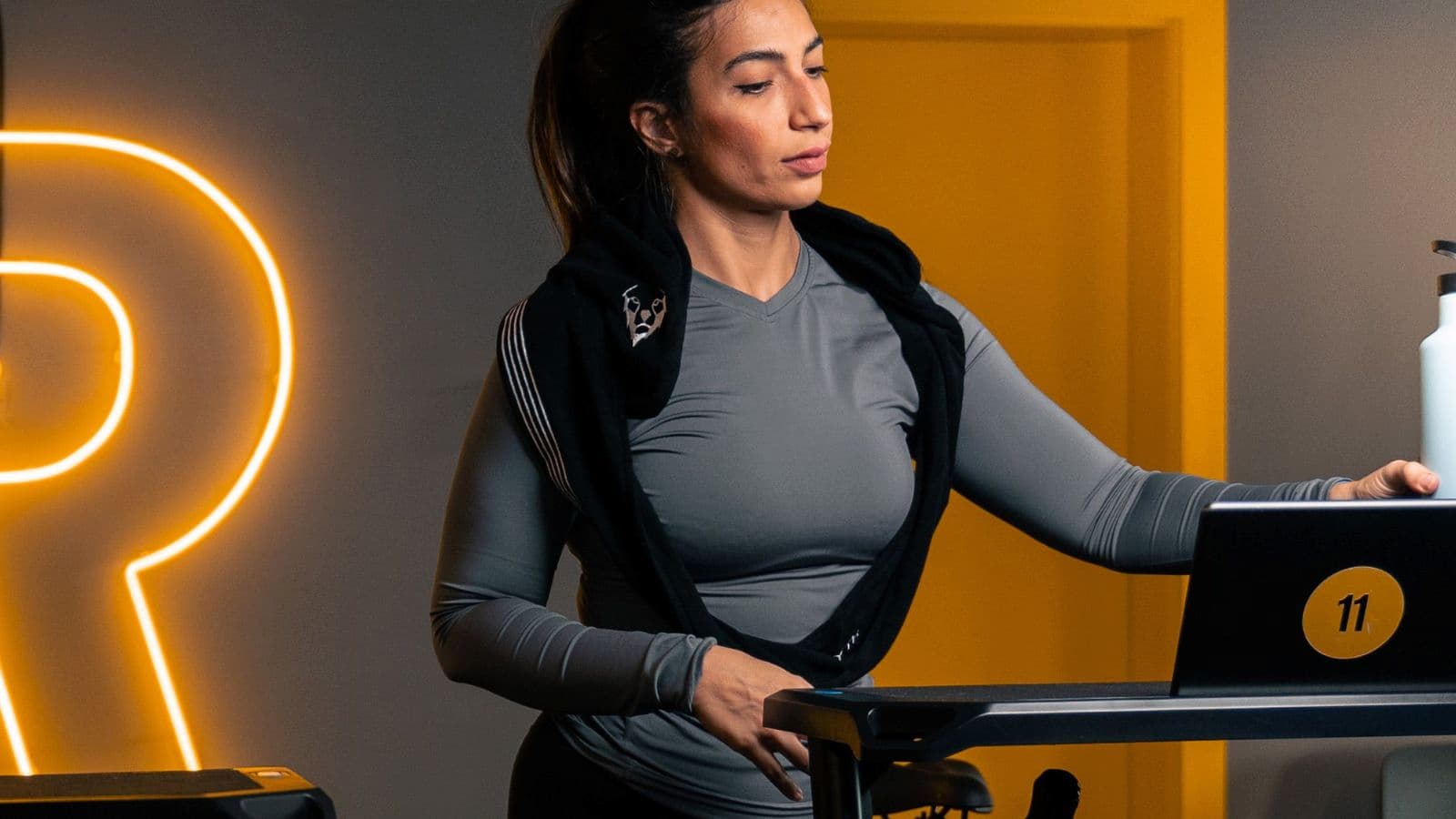



Using a standing desk may indirectly support running performance by reducing prolonged sitting and encouraging more movement throughout the day. Alternating between sitting, standing, and walking can help some runners manage stiffness and feel more comfortable during daily activities. However, there is limited evidence that standing desks directly improve running speed, endurance, or race results. Many recreational runners spend several hours sitting at work before completing their training sessions. Long periods in one position can contribute to temporary discomfort or stiffness, particularly around the hips, back, and legs. A standing desk provides an opportunity to change positions without interrupting work.
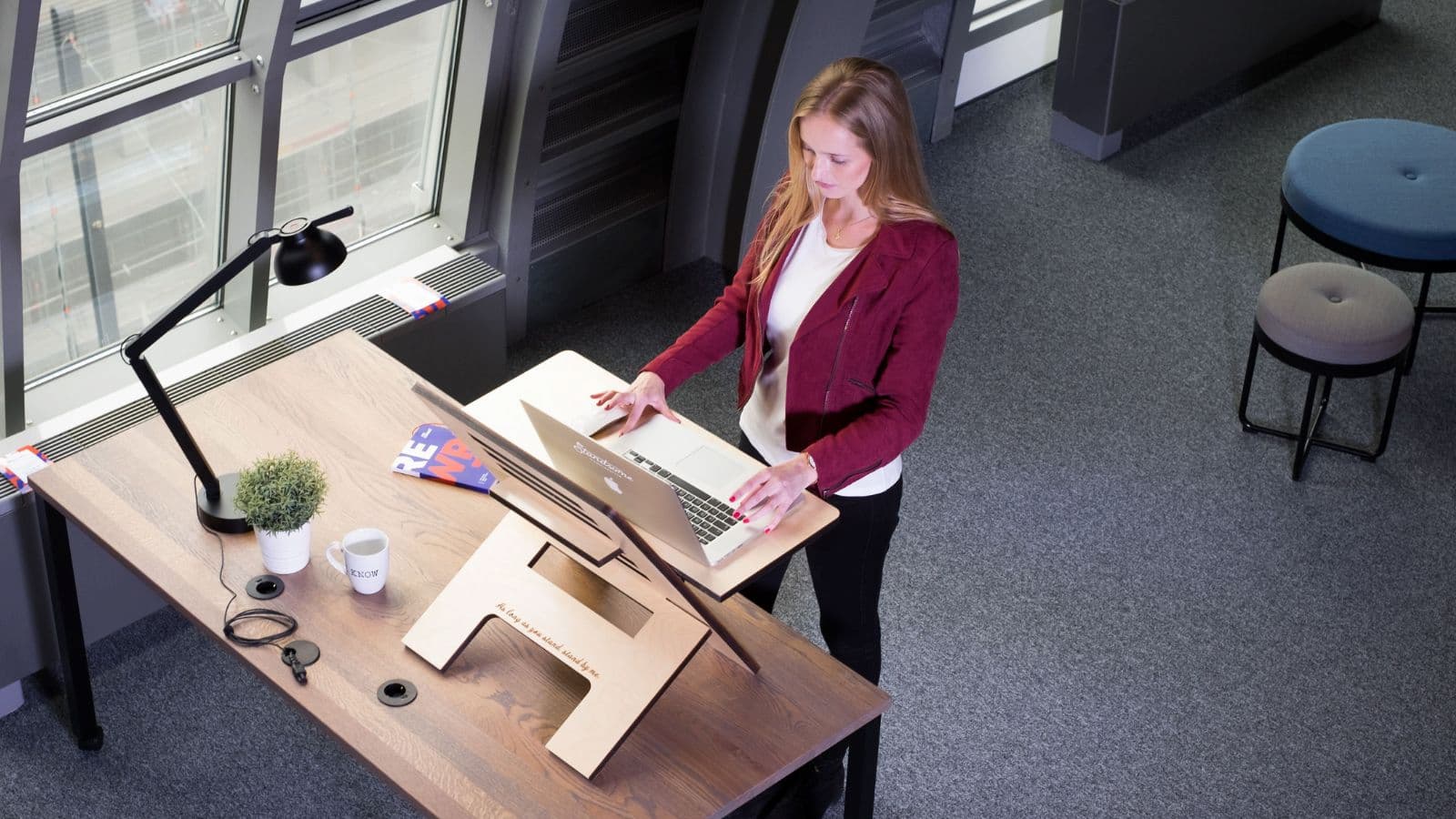
Standing is not automatically better than sitting. Remaining upright for several hours can also cause fatigue, foot discomfort, and lower back pain. The greatest practical benefit comes from regularly changing positions rather than replacing continuous sitting with continuous standing. For runners balancing training with office work, a standing desk can be a useful addition to daily movement habits. Understanding its limitations helps athletes use it effectively without expecting improvements that only structured training can provide.
In Short
- Standing desks can reduce prolonged sitting.
- Standing alone does not directly improve running fitness.
- Regular movement breaks are more valuable than remaining stationary.
- Changing positions may reduce temporary stiffness.
- Excessive standing can cause leg and foot fatigue.
- Desk height and posture influence comfort.
- Walking breaks provide additional movement.
- Training and recovery remain the main performance priorities.
How Can a Standing Desk Help Runners?
A standing desk allows workers to alternate between sitting and standing throughout the day. This can reduce time spent continuously seated and create opportunities for movement.
Potential benefits include:
- Greater awareness of posture.
- More frequent position changes.
- Reduced discomfort from prolonged sitting.
- Opportunities for short walking breaks.
- Improved comfort during some daily activities.
Understanding why is hip mobility important for running can help athletes recognize how comfortable hip movement supports everyday activity and exercise. However, a standing desk does not automatically improve flexibility or correct running mechanics.
Standing Improves Running Endurance
Standing requires some muscular activity, but it does not create the same cardiovascular demands as running. It is therefore unlikely to produce meaningful improvements in aerobic endurance by itself. Understanding how to build an aerobic base for running can help runners distinguish endurance training from ordinary daily movement. Aerobic fitness develops primarily through appropriate exercise performed consistently over time. A standing desk should complement running rather than replace planned workouts.
Can Standing Reduce Muscle Tightness?
Remaining seated for long periods may contribute to a sensation of stiffness in some people. Alternating positions can make movement feel more comfortable. However, standing continuously may also create discomfort, especially in the:
- Calves
- Feet
- Lower back
Understanding what mobility routine should runners do daily can help runners incorporate gentle movement into their workday. Simple options include walking, ankle movements, and comfortable hip mobility exercises.
Standing Desks and Running Posture
A standing desk may encourage greater awareness of body position during work. However, workplace posture and running technique are different activities. There is no strong evidence that standing at a desk directly improves running form. Understanding how to improve your running form without overthinking it can help athletes focus on useful running specific technique changes. The best desk position is generally one that feels comfortable and allows regular movement. Avoid forcing an exaggerated upright posture throughout the day.
Can Standing Too Much Affect Running Recovery?
Yes. Prolonged standing can increase discomfort or fatigue in the legs and feet. This may be particularly noticeable after demanding running sessions. Understanding how to schedule rest days during marathon training can help runners recognize that recovery involves managing overall physical demands. On days following long runs or intense workouts, sitting comfortably and changing positions regularly may be preferable to prolonged standing. Standing should not become another endurance challenge.
How Long Should Runners Stand at Work?
There is no universally established standing duration that improves running performance. Beginners can introduce standing gradually and adjust according to comfort. A practical starting approach is to alternate short periods of standing with sitting and movement breaks.
| Workday activity | Practical approach |
|---|---|
| Sitting | Change position regularly |
| Standing | Begin with manageable periods |
| Walking | Take brief breaks when possible |
| Mobility | Use gentle movements |
| Recovery | Reduce standing when legs feel fatigued |
These suggestions are flexible rather than strict medical requirements.
The objective is to avoid remaining in any one position for excessively long periods.
Walking Breaks May Be More Useful
Standing changes posture but involves relatively little movement. Walking introduces repeated muscular activity and increases energy expenditure compared with stationary standing. Short walking breaks can also provide a mental break from desk work. Understanding can easy running improve race performance can help runners appreciate how lower intensity activity fits into a broader training routine, although walking breaks should not be considered equivalent to running workouts. Try walking briefly after extended periods of desk work.
How to Set Up a Standing Desk?
An appropriate workstation can improve comfort.
Consider the following:
- Position the monitor near eye level.
- Keep shoulders relaxed.
- Place the keyboard at a comfortable elbow height.
- Avoid locking the knees.
- Distribute weight comfortably.
- Wear supportive footwear when needed.
- Change positions regularly.
A desk mat may improve standing comfort for some people.
Avoid standing in awkward positions simply to reach the keyboard or screen.
Can a Standing Desk Help Prevent Running Injuries?
Evidence does not establish that standing desks prevent running injuries. Injury risk depends on training workload, previous injuries, physical capacity, and other factors. Understanding how to avoid running injuries as mileage increases can help runners manage the demands that are more directly related to training. A standing desk may improve workplace comfort, but it cannot compensate for excessive mileage or inadequate recovery.
Standing Desk vs Sitting Desk for Runners
| Factor | Standing desk | Sitting desk |
|---|---|---|
| Position variety | Allows standing and sitting if adjustable | Primarily seated |
| Leg fatigue | May increase with prolonged standing | Usually less standing-related fatigue |
| Movement opportunities | Can encourage position changes | Requires deliberate breaks |
| Running fitness | No proven direct improvement | No direct improvement |
| Recovery comfort | Depends on duration and fatigue | May be preferable after demanding sessions |
Neither option is inherently superior in every situation.
An adjustable workstation offers flexibility.
Combine Desk Work With Running Training
Runners can use simple movement habits without allowing workplace activity to interfere with recovery.
An example routine includes:
- Start work seated comfortably.
- Stand briefly during suitable tasks.
- Walk during scheduled breaks.
- Change positions when stiffness develops.
- Sit when legs feel fatigued.
- Complete planned running workouts separately.
Understanding how do you balance training recovery and tapering effectively can help runners appreciate why managing fatigue matters during important training periods. Likewise, how much sleep do runners need to recover properly can help athletes prioritize recovery habits with clearer relevance to performance.
Common Mistakes
- Standing throughout the entire workday.
- Expecting standing to replace running workouts.
- Ignoring foot or calf discomfort.
- Using an unsuitable desk height.
- Remaining motionless while standing.
- Forcing rigid posture.
- Neglecting walking breaks.
- Standing excessively after hard training.
- Treating workplace movement as injury prevention.
Practical Tips
- Introduce standing gradually.
- Alternate sitting and standing.
- Walk regularly during work breaks.
- Adjust monitor and keyboard height.
- Wear comfortable footwear.
- Avoid locking your knees.
- Reduce standing when fatigued.
- Include gentle mobility exercises.
- Prioritize running-specific training.
- Listen to discomfort signals.
Actionable Takeaways
- Use a standing desk to vary your workday.
- Avoid prolonged sitting or standing.
- Take regular walking breaks.
- Protect recovery after demanding runs.
- Do not expect standing alone to improve race performance.
FAQs
There is no strong evidence that standing desks directly improve running speed. Any benefits are more likely related to daily comfort and movement habits.
No. Standing does not provide enough cardiovascular stimulus to replace endurance training.
Neither is always better. Alternating positions and moving regularly is generally more practical than remaining in one position.
Changing positions may reduce perceived stiffness, but standing alone does not necessarily improve hip flexibility.
There is no proven ideal duration for running performance. Start gradually and alternate standing with sitting and movement.
Yes. Prolonged standing may cause foot or leg fatigue, particularly after demanding workouts.
They can, but standing duration should reflect comfort, training fatigue, and recovery needs.
There is insufficient evidence that standing desks directly improve running mechanics.