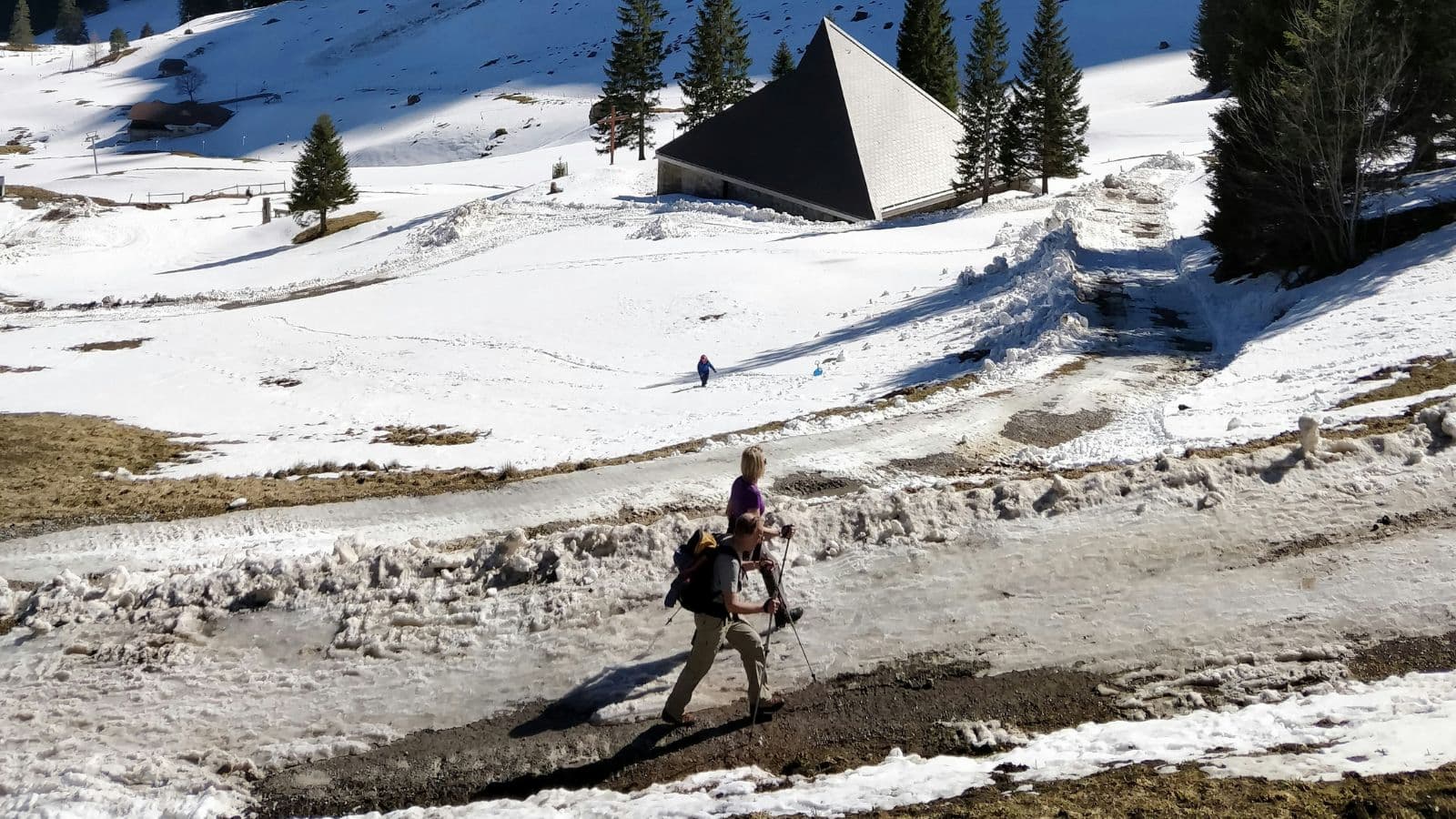



Snow training is more than simply running through winter conditions. Uneven, slippery and constantly changing surfaces force your body to work harder with every step, improving strength, balance and coordination while maintaining fitness during the colder months. Although snow running is slower than running on dry trails, it creates a unique training stimulus that can make trail runners stronger, more efficient and better prepared for unpredictable terrain. The key is adjusting your expectations and using snow as a training tool rather than chasing pace.
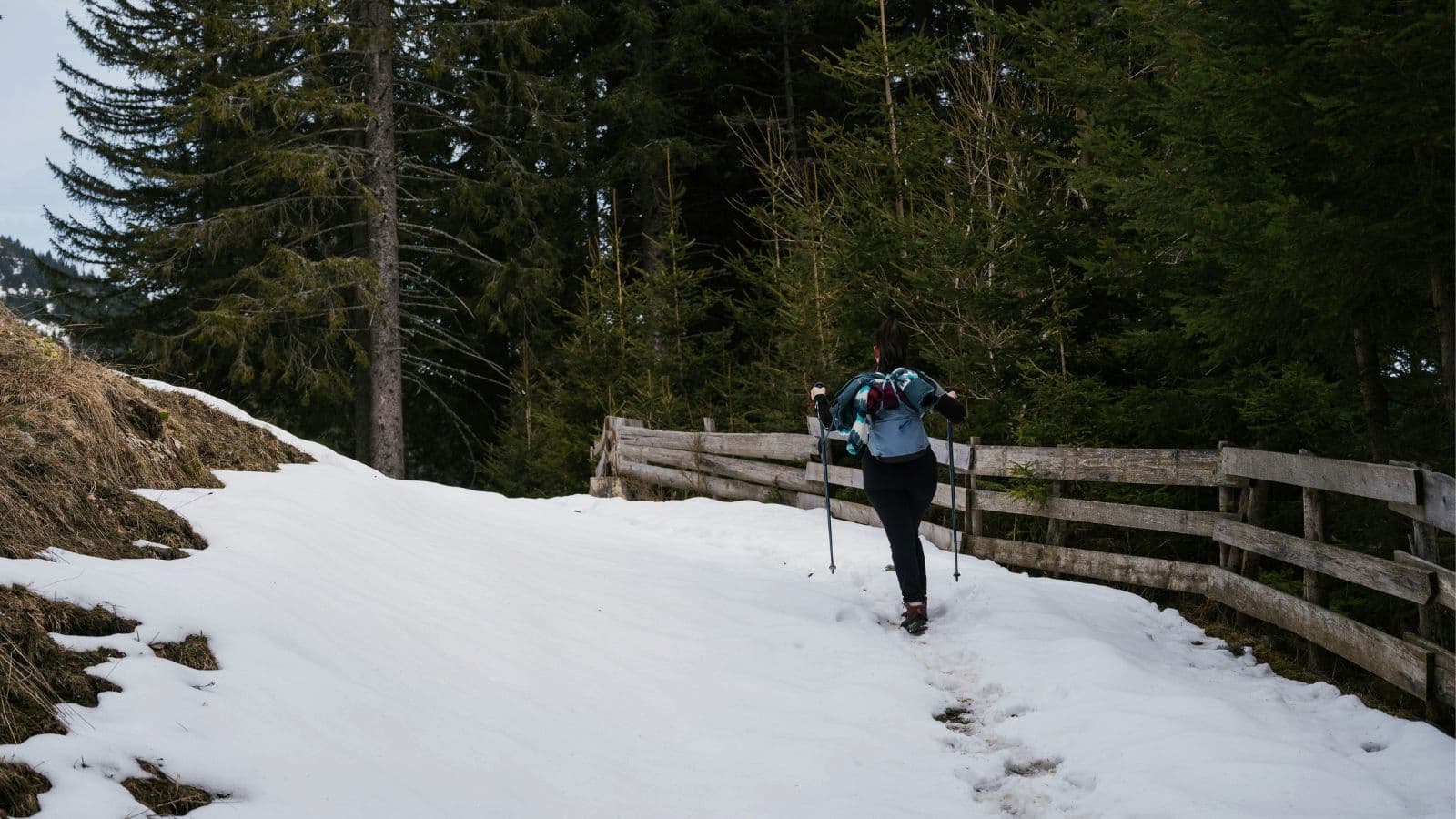
Snow Improves Balance and Stability
Snow creates an unstable running surface.
Each foot strike requires constant adjustments from your:
- Ankles.
- Feet.
- Calves.
- Hips.
- Core.
Over time, these small stabilizing movements improve balance, which transfers well to technical trails with rocks, roots and uneven ground. Many runners reinforce these adaptations through how to improve your running form, creating more efficient movement on all types of terrain.
Builds Functional Leg Strength
Running through snow requires greater force to move forward.
This increases the workload on:
- Glutes.
- Hamstrings.
- Quadriceps.
- Calves.
- Hip stabilisers.
Unlike gym-based strength work, snow running develops these muscles while reinforcing trail-specific movement patterns.
Enhances Proprioception
Proprioception is your body’s ability to sense where it is in space. Because snow changes with every step, your nervous system must constantly adapt.
This improves:
- Foot placement.
- Reaction time.
- Coordination.
- Body awareness.
These qualities become valuable when navigating technical singletrack.
Develops Mental Resilience
Snow training isn’t always comfortable. Cold temperatures, slower progress and challenging conditions require patience and focus. Learning to remain calm in difficult environments helps develop the mental resilience needed during long trail races. Many athletes continue building this confidence through managing time while training for trail running, preparing mentally as well as physically.
Improves Climbing Strength
Running uphill through snow demands more muscular effort than climbing on dry ground.
The reduced traction forces you to:
- Shorten your stride.
- Increase cadence.
- Push more consistently.
- Maintain good posture.
These adaptations help improve climbing efficiency once conditions improve. Many runners also refine their uphill mechanics through what mistakes to avoid during hill workouts, making the most of both winter and summer training.
Teaches Better Foot Placement
Poor foot placement becomes obvious on slippery surfaces.
Snow encourages runners to:
- Land beneath their centre of mass.
- Stay balanced.
- Avoid overstriding.
- React quickly to changing terrain.
These habits transfer well to rocky and uneven trails.
Increases Aerobic Demand
Snow running often requires greater energy expenditure than running on dry ground.
Your heart and lungs work harder because:
- Every stride requires more effort.
- Traction is reduced.
- Running economy changes.
- Muscles stabilise continuously.
Even slower-paced runs can provide an excellent aerobic training stimulus. Many runners combine these sessions with can easy running improve race performance, recognizing that easy effort doesn’t always mean easy conditions.
Improves Descending Control
Descending on snow encourages controlled movement rather than aggressive speed.
This helps runners develop:
- Better balance.
- Controlled cadence.
- Faster reactions.
- Greater confidence.
These skills remain valuable long after winter has ended. Many trail runners continue improving downhill technique through visualization to improve trail running performance, where control takes priority over speed.
Encourages Smarter Pacing
Trying to maintain your normal pace in snow usually leads to excessive fatigue.
Instead, snow teaches runners to focus on:
- Effort.
- Breathing.
- Rhythm.
- Sustainable intensity.
This approach also benefits trail racing, where terrain often dictates pace.
Choose Appropriate Footwear
Winter conditions require extra attention to grip.
Depending on conditions, consider:
- Trail running shoes with aggressive lugs.
- Waterproof shoes when appropriate.
- Traction devices for ice.
- Warm running socks.
Good footwear improves both safety and confidence.
Stay Safe in Winter Conditions
Snow training requires additional preparation.
Before heading out:
- Check the weather forecast.
- Tell someone your route.
- Dress in layers.
- Carry fluids.
- Take a fully charged phone.
- Shorten your route if conditions deteriorate.
Safety should always come before completing a planned workout. Many runners improve cold-weather preparation through how can trail runners prevent hypothermia, reducing the risks associated with winter running.
Recover Well Afterwards
Cold-weather running can be surprisingly demanding.
Prioritise:
- Warm clothing immediately after finishing.
- Rehydration.
- Recovery nutrition.
- Dry footwear.
- Adequate sleep.
Consistent recovery helps maintain training quality throughout winter. Many athletes support this process through how to recover faster after a trail run, applying the same recovery habits after snow sessions.
Common Mistakes
Avoid these common snow training errors:
- Running at normal race pace.
- Wearing road shoes with poor grip.
- Underestimating the weather.
- Overdressing.
- Ignoring hydration.
- Skipping the warm-up.
- Running alone in dangerous conditions.
- Focusing on pace instead of effort.
Snow running should challenge your fitness, not compromise your safety.
Practical Tips
Get the most from snow training by:
- Running to effort rather than pace.
- Wearing suitable trail shoes.
- Keeping your stride short.
- Improving balance.
- Building climbing strength.
- Prioritising safety.
- Recovering well afterwards.
Many runners also avoid setbacks by understanding why your trail workouts should be smarter not harder, since cold conditions can increase feelings of stiffness if warm-ups and recovery are neglected. Finally, combining snow sessions with how many workouts do runners need each week helps balance winter-specific training with recovery and long-term progression.
The Bottom Line
Snow training offers trail runners much more than a winter workout. It develops balance, strength, coordination, climbing ability and mental resilience while providing an excellent aerobic stimulus. Although your pace will likely be slower, the physical adaptations can make you a stronger and more confident trail runner when you return to dry trails. Approach snow training with realistic expectations, appropriate equipment and a focus on effort rather than speed. Used wisely, winter conditions can become one of the most valuable parts of your annual training cycle.
FAQs
Yes. Snow running improves balance, strength, coordination and aerobic fitness while preparing runners for uneven terrain.
During the session, yes. However, the additional training stimulus can improve long-term trail running performance.
Trail shoes with aggressive grip are usually more suitable than road running shoes. In icy conditions, additional traction devices may be necessary.
Generally yes. Reduced traction and unstable footing increase muscular and cardiovascular demands.
Yes. Constant adjustments on uneven snow surfaces strengthen stabilizing muscles and improve proprioception.
Run according to effort rather than pace, as snow naturally slows your speed.
It can be, provided you wear appropriate footwear, dress for the conditions and avoid hazardous weather or icy terrain.
No. It complements hill training but shouldn’t completely replace dedicated climbing workouts.