
A solo trail run can be peaceful and rewarding, but running alone means you have fewer options for immediate help if you get injured, lost, dehydrated, or caught by changing weather. Preparation should therefore begin before you reach the trailhead. The level of preparation depends on the route. A short run on familiar local trails requires less planning than several hours in remote mountains, but even familiar terrain can create problems when weather, trail conditions, or your physical condition changes unexpectedly.
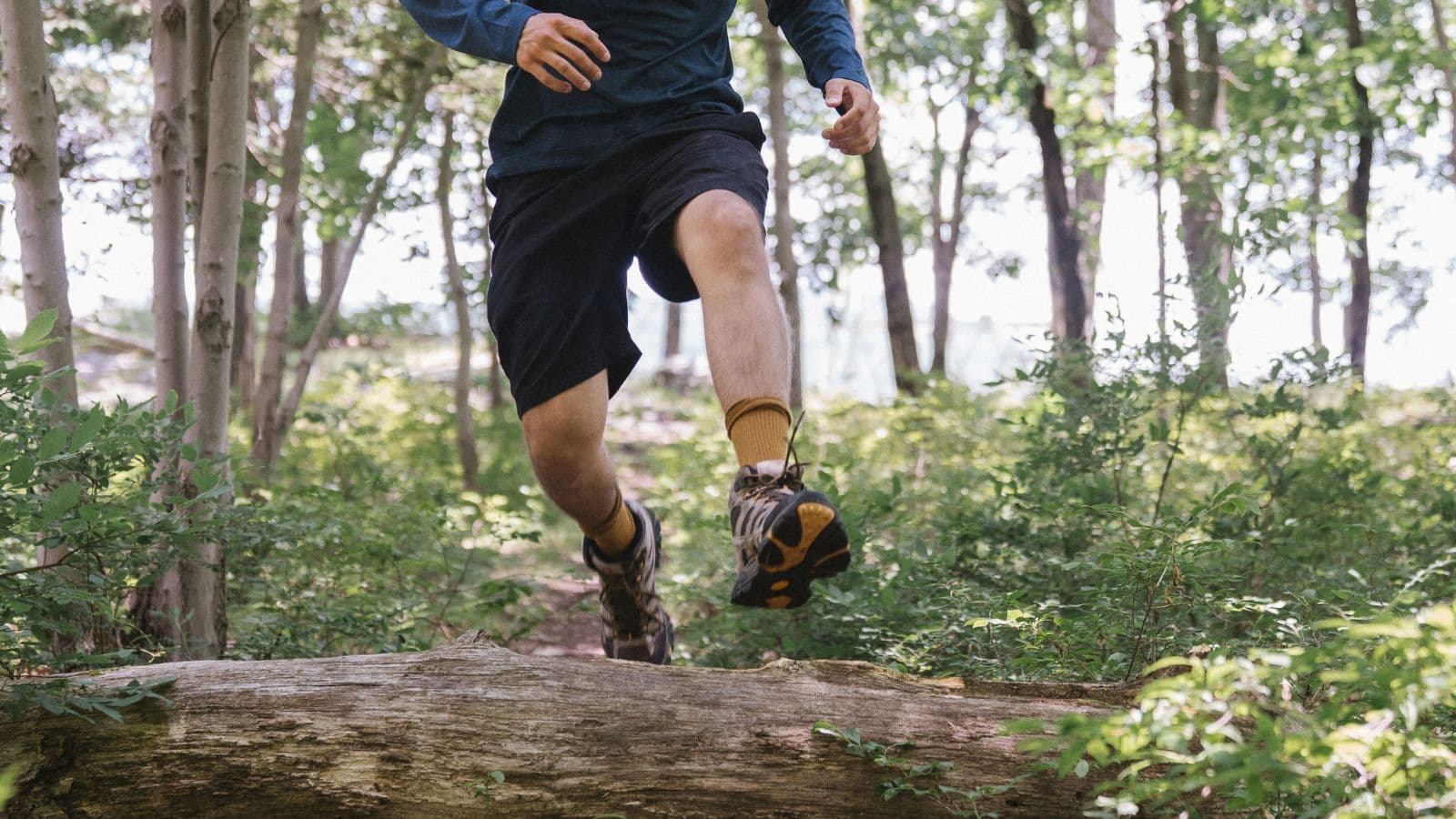
You do not need to carry excessive equipment on every solo run. Instead, consider where you are going, how long you expect to be out, the weather, available water, phone coverage, daylight, and how quickly help could reach you if something goes wrong. Running alone also requires disciplined decision making. Turning around because conditions have changed is not a failed run, and continuing simply because you planned a certain distance can create unnecessary risk.
In Short
- Plan your route before leaving.
- Tell someone where you are running.
- Check the weather.
- Know how you will navigate.
- Carry enough food and water.
- Take essential safety equipment.
- Keep your phone charged.
- Consider available daylight.
- Use conservative pacing.
- Have a plan for emergencies.
Choose a Route That Matches Your Experience
Your first solo trail run should not be your most difficult trail adventure.
Start somewhere:
- Familiar.
- Well marked.
- Frequently used.
- Within your technical ability.
- Reasonably easy to exit.
As your experience grows, you can gradually attempt longer or more remote routes. Beginners can use how to start trail running safely as a beginner to develop basic trail skills before adding the extra responsibility of running alone.
Study the Route Before You Start
Do not depend on figuring everything out while running.
Before leaving, identify:
- Total distance.
- Elevation gain.
- Major junctions.
- Water sources.
- Road crossings.
- Exit points.
- Difficult sections.
Estimate how long the route could take rather than considering distance alone. Ten kilometers of steep technical trail may take much longer than 10 kilometers on a road. If route finding is likely to be difficult, understanding what should you do if you get lost while trail running gives you a plan before a wrong turn becomes a serious problem.
Tell Someone Your Plan
Before running alone, tell a trusted person where you are going.
Share useful information such as:
- Route.
- Starting location.
- Expected start time.
- Approximate finish time.
- When they should become concerned.
If your plan changes significantly, update them when possible. Simply telling someone that you are “going trail running” provides little useful information if you later need assistance.
Have a Navigation Backup
Phones and GPS watches are useful, but electronics can fail.
Problems include:
- Dead batteries.
- Lost signal.
- Damaged devices.
- Incorrect routes.
- Navigation errors.
Download maps for offline use where possible and understand the basic shape of your route before starting. If navigation technology is central to your run, what affects gps accuracy during trail running can help you understand why a watch or phone should not always be treated as infallible.
For remote routes, consider carrying an appropriate map, compass, or satellite communication device and knowing how to use it.
Check the Weather
Trail conditions can change quickly when weather deteriorates. Check the forecast for the location and elevation where you will actually be running.
Consider:
- Temperature.
- Rain.
- Wind.
- Thunderstorms.
- Snow.
- Extreme heat.
Mountain conditions can be very different from those at the trailhead. Carry suitable layers when conditions justify them. Cold and wet environments deserve particular care, and how can trail runners prevent hypothermia explains why staying warm becomes more difficult when clothing is wet, wind increases, or movement slows.
Plan Around Daylight
Know when darkness is likely to arrive.
Allow extra time for:
- Slow terrain.
- Navigation mistakes.
- Fatigue.
- Stops.
- Unexpected problems.
If there is a realistic chance you could still be running after dark, carry a reliable light rather than depending on your phone. Running alone at night adds another layer of difficulty. How to prepare for a night trail run can help you plan lighting, visibility, navigation, and pacing when daylight is limited.
Carry Enough Water
Your fluid needs depend on conditions and duration.
Consider:
- Temperature.
- Humidity.
- Effort.
- Route duration.
- Available water.
- Your normal sweat rate.
Do not assume a stream will always contain safe or accessible water. For longer runs, decide before starting whether you will carry all your fluid or use reliable refill points. A practical hydration strategy for runners can help you plan fluid intake without automatically drinking as much as possible.
Bring Food for Longer Runs
Energy needs become more important as duration increases. Carry familiar foods that you know you can tolerate.
Options may include:
- Gels.
- Chews.
- Bars.
- Sports drink.
- Simple solid food.
For remote routes, carrying a little extra food can provide useful protection against an unexpectedly long outing. Following how to fuel for a trail run can help you match carbohydrate intake to the duration and demands of the session.
Carry Appropriate Safety Gear
The equipment you need depends on the environment.
Useful items may include:
- Charged phone.
- Identification.
- Basic first aid supplies.
- Emergency layer.
- Whistle.
- Headlamp.
- Navigation device.
- Emergency blanket.
Remote mountain runs may justify more equipment than a short local trail.
Do not carry gear you do not understand how to use.
Pace More Conservatively When Alone
A solo run is rarely the ideal time to take unnecessary risks with pace.
Starting too hard can increase:
- Fatigue.
- Fuel use.
- Poor decision making.
- Technical mistakes.
Keep enough energy in reserve to handle an unexpected detour or difficult final section. The principles in how can you run longer without feeling exhausted can help you manage effort when the objective is completing the route safely rather than chasing pace.
Be More Careful on Technical Terrain
Falls are more consequential when nobody is nearby to help.
Slow down when necessary on:
- Loose descents.
- Wet rocks.
- Roots.
- River crossings.
- Exposed sections.
Do not allow a pace target to dictate your speed through technical terrain. Walking a difficult section can be the sensible choice, especially when you are unfamiliar with the trail.
Know When to Turn Around
Conditions sometimes change after you start.
Consider turning around if:
- Weather deteriorates.
- Navigation becomes uncertain.
- You are running out of daylight.
- Water is running low.
- You develop significant pain.
- The terrain exceeds your ability.
The principles in when should you stop during a trail run are particularly important when you are alone because waiting too long can make a manageable problem harder to solve.
What If You Get Injured?
If you are injured, first assess whether continuing is safe. Do not automatically try to finish the planned route.
Depending on the situation:
- Stop.
- Keep warm.
- Contact someone.
- Use emergency services if necessary.
- Move only when safe.
This is where sharing your route before leaving becomes especially valuable.
A person who knows where you planned to run can provide useful information if you fail to return.
Common Mistakes
- Not telling anyone the route.
- Depending entirely on phone signal.
- Starting an unfamiliar remote route alone.
- Underestimating technical terrain.
- Carrying too little food or water.
- Ignoring weather changes.
- Forgetting daylight limits.
- Continuing after becoming lost.
- Refusing to turn around.
Practical Tips
- Start with familiar trails.
- Download your route before leaving.
- Share your plan with someone.
- Check the weather before starting.
- Carry a charged phone.
- Pack according to route remoteness.
- Take extra food on longer runs.
- Leave enough daylight.
- Slow down on technical sections.
- Turn around when conditions become unsafe.
Actionable Takeaways
- Know your route before you start.
- Tell someone where you are going.
- Carry what you need to manage foreseeable problems.
- Make conservative decisions when running alone.
Building how to stay consistent with trail running without overtraining into your wider training also helps ensure a solo run begins with appropriate recovery rather than unnecessary fatigue.
FAQs
Solo trail running can be managed more safely with appropriate route planning, equipment, communication, and decisions suited to the environment.
Carry essentials appropriate to the route, which may include a phone, food, water, navigation, extra clothing, a light, and basic emergency equipment.
Yes. Share your route, start time, expected finish time, and when they should become concerned.
Study the route beforehand and use appropriate maps or navigation devices, ideally with an offline backup.
It depends on duration, weather, effort, sweat rate, and whether reliable water is available along the route.
A small kit can be useful, particularly on longer or more remote routes, provided you know how to use what you carry.
If you use headphones, keep enough awareness to hear other trail users, animals, traffic, or environmental hazards.
Stop, remain calm, check your navigation, and avoid continuing randomly. Contact assistance if you cannot safely establish your location or route.