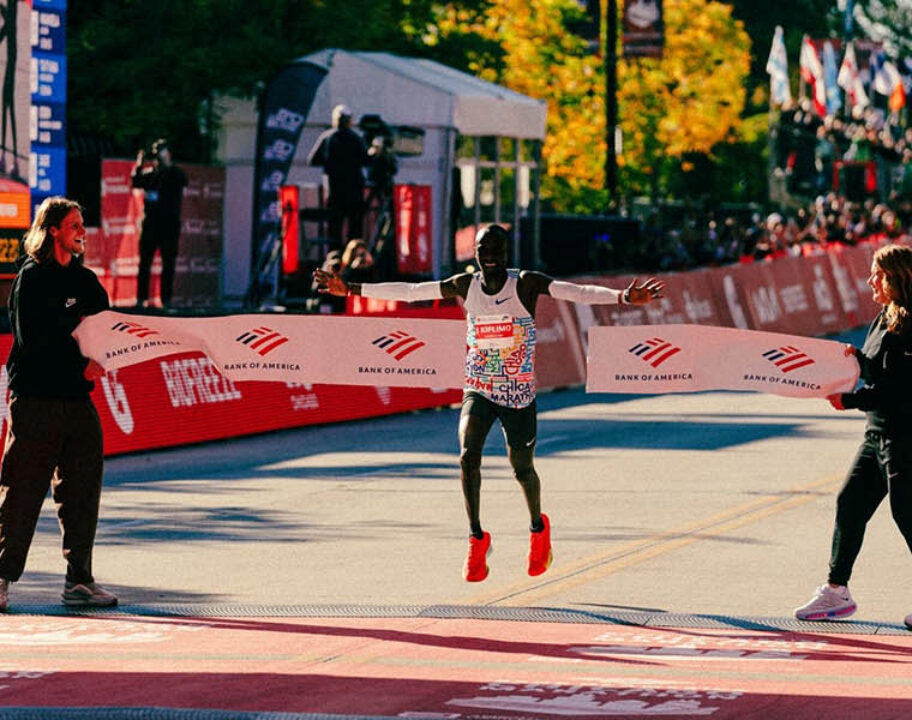



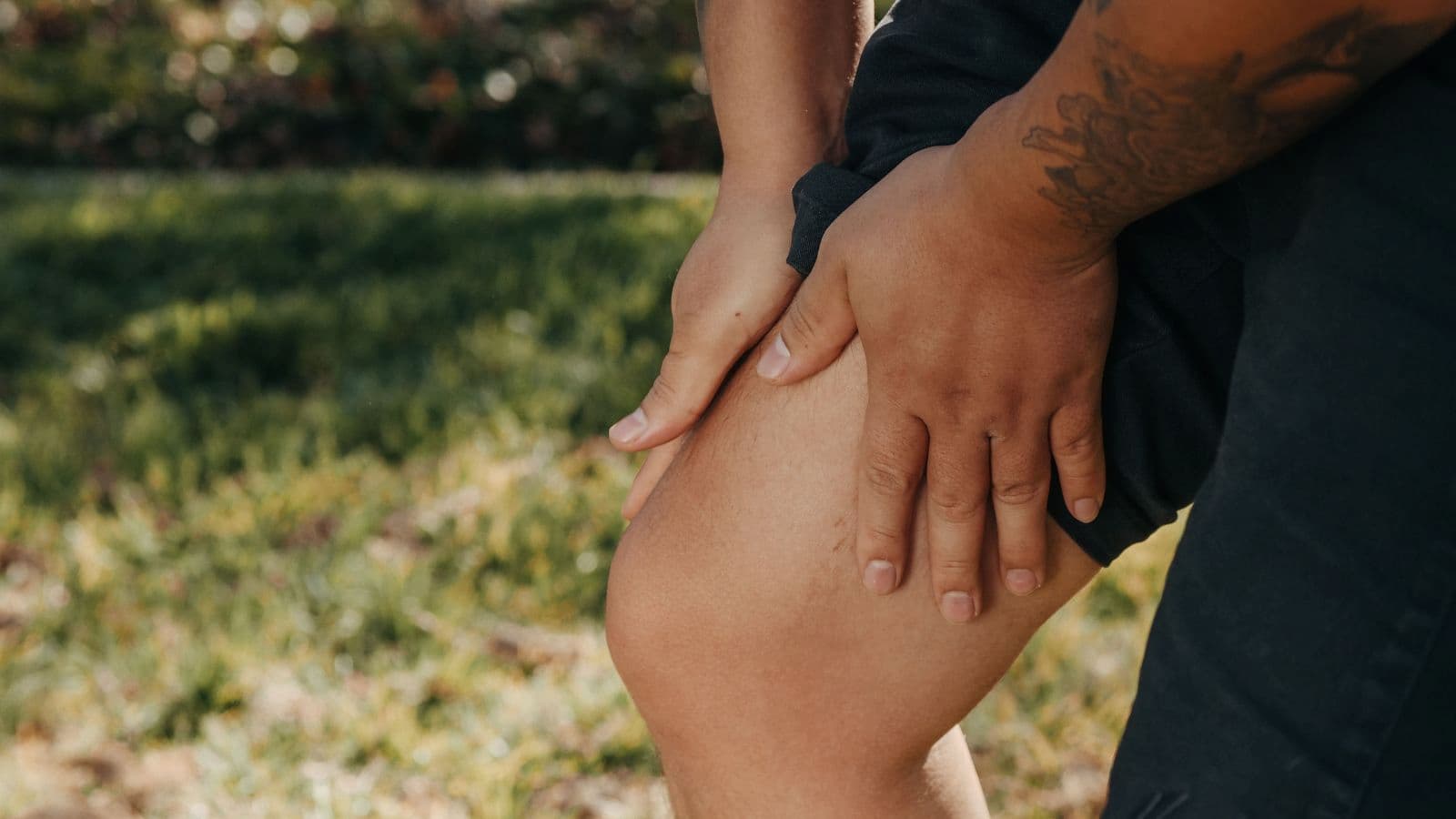
A hamstring strain is one of the most common injuries in runners. Whether it develops suddenly during a sprint or gradually from overtraining, it can limit stride length, reduce running speed and make even easy runs uncomfortable. Recovering successfully isn’t simply about waiting for the pain to disappear. The injured muscle needs time to heal, regain strength and gradually tolerate running again. Returning too quickly is one of the biggest reasons hamstring injuries recur. A structured recovery plan helps runners return to training safely while reducing the risk of another setback.
What Is a Hamstring Strain?
The hamstrings are three muscles located at the back of the thigh.
They help with:
- Hip extension.
- Knee flexion.
- Running propulsion.
- Decelerating the leg during each stride.
A strain occurs when muscle fibres are overstretched or torn. Severity ranges from mild discomfort to significant muscle damage.
Stop Running if Pain Changes Your Stride
Many runners try to “run through” a hamstring strain.
If your running form changes because of pain:
- Stop the session.
- Avoid sprinting.
- Avoid hill running.
- Reduce unnecessary loading.
Continuing to run with altered mechanics often delays recovery.
Understand the Severity
Hamstring strains are commonly classified into three grades.
Grade 1
- Mild muscle damage.
- Minor discomfort.
- Little loss of strength.
Grade 2
- Partial muscle tear.
- Moderate pain.
- Reduced running ability.
Grade 3
- Complete tear.
- Significant pain.
- Marked loss of function.
More severe injuries require assessment by a qualified healthcare professional.
Manage the Early Phase
During the first few days:
- Reduce painful activities.
- Use relative rest.
- Apply compression if appropriate.
- Begin gentle pain-free movement.
Complete immobilisation is rarely necessary unless advised by your healthcare provider.
Gradually Restore Mobility
As pain settles, begin restoring comfortable movement.
Focus on:
- Gentle hip mobility.
- Pain-free knee movement.
- Controlled stretching.
- Walking comfortably.
Avoid aggressive stretching during the early stages, as it may irritate healing tissue.
Rebuild Hamstring Strength
Strength training is essential before returning to running.
Progress gradually with exercises such as:
- Glute bridges.
- Romanian deadlifts.
- Hamstring curls.
- Single-leg bridges.
- Nordic hamstring exercises.
- Stability ball curls.
Loading should increase progressively as symptoms improve. Many runners combine this approach with how to improve your running form, reducing unnecessary stress on the recovering muscle.
Don’t Rush Back to Speed Work
Sprinting places very high loads on the hamstrings.
Before returning to faster running, you should comfortably tolerate:
- Walking.
- Easy jogging.
- Steady running.
- Moderate accelerations.
Only introduce speed sessions once strength and confidence have returned.
Continue Cross-Training
Maintaining fitness while recovering can make returning to running easier.
Depending on your symptoms and professional advice, suitable options may include:
- Cycling.
- Pool running.
- Swimming.
- Elliptical training.
Choose activities that don’t increase hamstring pain. Many runners maintain aerobic fitness through can cycling make you a stronger trail runner, using low-impact training while reducing running volume.
Progress Running Gradually
When returning to running:
- Begin with short easy runs.
- Increase distance gradually.
- Leave rest days between sessions initially.
- Monitor symptoms afterwards.
Recovery isn’t always linear, so temporary setbacks can occur.
Warm Up Properly
A thorough warm-up prepares the hamstrings for running.
Include:
- Easy jogging.
- Leg swings.
- Walking lunges.
- Dynamic mobility.
- Gradual strides.
Well-prepared muscles generally tolerate training better.
Address the Cause
Recovery isn’t complete unless you understand why the injury occurred.
Possible contributing factors include:
- Rapid mileage increases.
- Fatigue.
- Poor recovery.
- Muscle weakness.
- Previous hamstring injury.
- Inadequate warm-up.
Identifying these factors helps prevent recurrence. Many runners reduce overload by following how many workouts do runners need each week, balancing hard sessions with adequate recovery.
Don’t Ignore Tightness
Mild stiffness during recovery can be normal.
However, persistent:
- Sharp pain.
- Loss of strength.
- Swelling.
- Altered running gait.
may indicate the muscle isn’t ready for higher training loads. Many athletes also learn to recognize these warning signs through is muscle tightness affecting your trail running performance, making it easier to distinguish normal recovery from an ongoing problem.
Prioritise Recovery Habits
Muscle healing depends on more than exercise.
Support recovery through:
- Quality sleep.
- Adequate protein intake.
- Good hydration.
- Balanced nutrition.
- Appropriate recovery days.
These factors contribute to tissue repair and long-term performance. Many runners reinforce these habits through how to recover faster after a trail run, applying similar recovery principles after returning to training.
Common Mistakes
Avoid these common errors:
- Returning to running too soon.
- Sprinting before strength returns.
- Ignoring pain.
- Stretching aggressively.
- Skipping strength exercises.
- Increasing mileage too quickly.
- Neglecting warm-ups.
- Assuming pain-free means fully healed.
Successful recovery depends on patience as much as rehabilitation.
Practical Tips
Recover more effectively by:
- Following a gradual rehabilitation programme.
- Strengthening the hamstrings regularly.
- Progressing running slowly.
- Monitoring symptoms.
- Warming up thoroughly.
- Maintaining aerobic fitness through cross-training.
- Prioritising sleep and nutrition.
Many runners also benefit from muscle imbalances that cause injuries during running, since steep climbs and powerful uphill efforts can overload a recovering hamstring if introduced too early. Finally, once you return to full training, including can easy running improve race performance in your weekly schedule allows you to rebuild endurance while limiting excessive stress on healing tissues.
The Bottom Line
Recovering from a hamstring strain takes more than simply waiting for the pain to disappear. Successful rehabilitation involves restoring mobility, rebuilding strength and gradually returning to running while addressing the factors that caused the injury in the first place. Be patient with the process and resist the temptation to progress too quickly. A carefully managed recovery not only helps you return to running sooner but also reduces the likelihood of another hamstring injury disrupting your training.
FAQs
Recovery varies depending on severity. Mild strains may improve within a few weeks, while more severe injuries can take several months.
If pain changes your running form or increases during running, stop and allow the injury to recover before returning.
Gentle mobility may help, but aggressive stretching early in recovery can delay healing.
Return once you can walk comfortably, regain strength and complete pain-free rehabilitation exercises.
Yes. Strengthening the hamstrings is one of the most effective ways to reduce the risk of re-injury.
In many cases, yes. Low-impact cycling may help maintain fitness if it doesn’t aggravate the injury.
Returning to running before strength and function are fully restored is a common cause of recurrence.
Ice may help relieve pain during the early stages for some people, but follow current clinical advice and individual recommendations.